A mattress showroom asks you to do something peculiar: lie down in public, keep your shoes near the edge, and decide how the next several years might feel. You can compare specifications on a screen. Comparing what happens to your shoulder requires a shoulder. Mattress Firm built a national business around that small gap between information and experience. Then it discovered another gap: the distance between having a useful store nearby and having too many stores nearby.
- Make the choice tangible. Put competing mattresses within rolling distance.
- Pay for proximity. Acquisitions bought reach, then overlapping stores became a burden.
- Join the supplier. The 2025 purchase put Mattress Firm inside Somnigroup.
01 A business built for the horizontal customer
Steve Fendrich, Harry Roberts and Paul Stork founded Mattress Firm in Houston in 1986. Their proposition was straightforward: recognizable brands, competitive prices and a clean showroom where shoppers could compare them. An early distinction was removing the plastic covers so people could actually test the beds. In a category sold through promises about comfort, that was a practical piece of theater.
The customer is anyone replacing a tired mattress, furnishing a first apartment or trying to reconcile two people's preferences. The assortment spans foam, innerspring and hybrid mattresses, with adjustable bases, foundations, pillows and bedding alongside them. Tempur-Pedic, Sealy, Beautyrest, Serta and Purple share the retailer's orbit with private labels such as Sleepy's and tulo. This is a place to compare brands, rather than enter one manufacturer's world.
That puts Mattress Firm between local bedding specialists, furniture chains, warehouse clubs and brands selling directly online. Its case rests on selection, trained help and delivery. A shopper who already knows the exact model may need less assistance. Someone bewildered by firmness labels has more reason to visit.

02 When the next store steals your sale
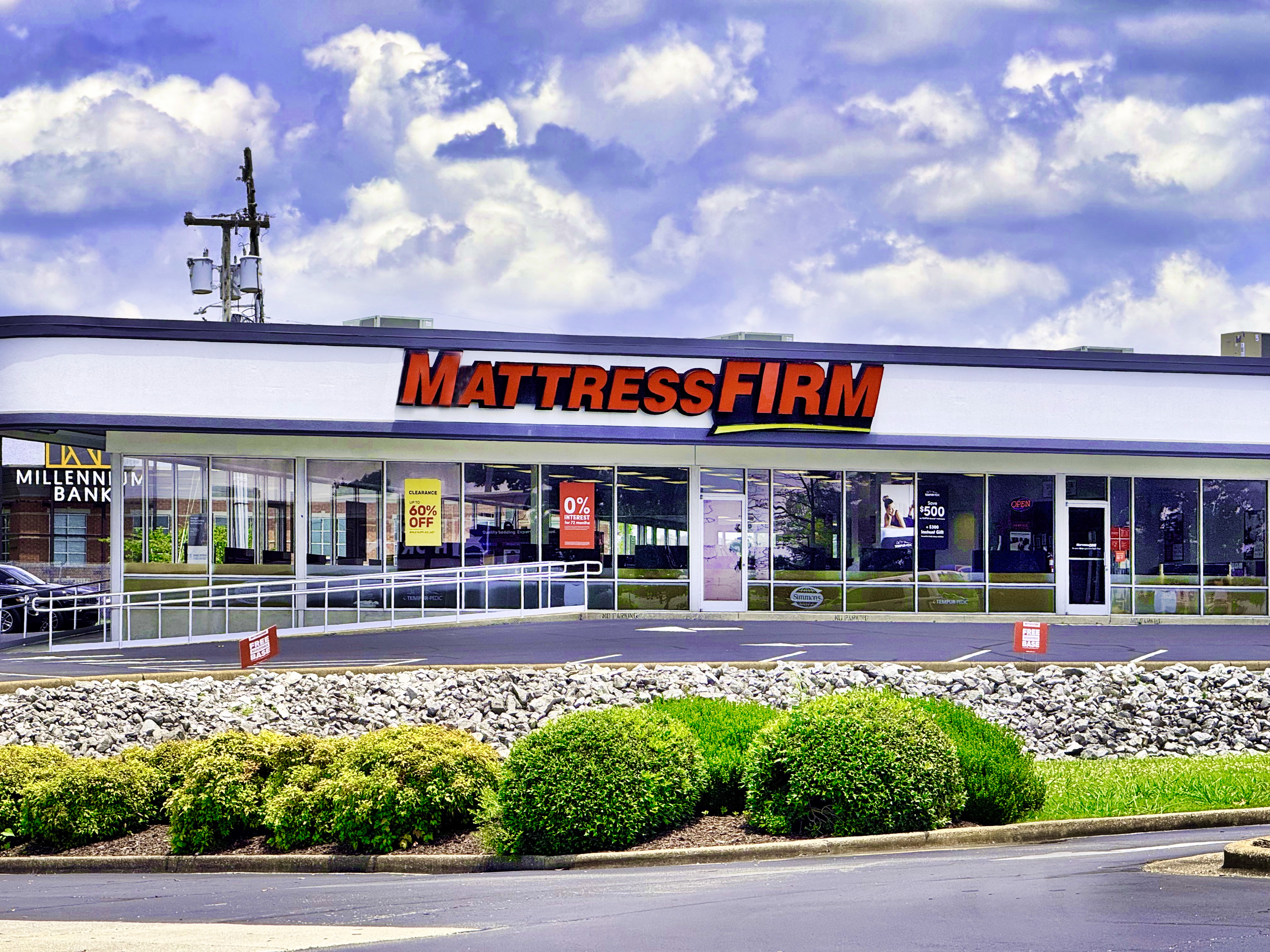
To spread that proposition, Mattress Firm bought other retailers. In November 2015, it announced an agreement to acquire Sleepy's at a headline price of $780 million, subject to adjustments. The deal closed in February 2016. The announcement promised nearly 3,500 combined stores and about $40 million in annual synergies by the third year. The map looked persuasive.
But a store can acquire a competitor's lease along with its customers. By October 2018, Mattress Firm was entering Chapter 11 and planning to close as many as 700 locations. The company acknowledged that rapid expansion had produced sales cannibalization. Online rivals were another pressure; so were difficulties at its then parent, Steinhoff, and a rupture with supplier Tempur Sealy.
The earliest visible failure in this expansion story was the economics of overlapping locations. Another sign outside did not necessarily create another customer. Bankruptcy forced a different calculation: which doors deserved to stay open? Mattress Firm emerged in November 2018 with approximately 2,600 stores and $525 million in committed exit financing. Those figures describe a restructuring, not the price of founding the business.
“an optimized store footprint”
Mattress Firm's description on leaving Chapter 11, November 2018
There is a lesson here for anyone opening branches: count the sales a new location adds after subtracting what it takes from existing ones. Copying the sign is easy. Establishing that the neighborhood needs another sign is the harder work.
03 The bedmaker buys the showroom
In February 2025, Tempur Sealy completed its purchase of Mattress Firm for approximately $5 billion. The funding included roughly $2.7 billion in cash consideration and 34.2 million shares. The buyer subsequently became Somnigroup International, with Mattress Firm operating as a decentralized business unit. Supplier and retailer now sat beneath the same corporate roof.
The Federal Trade Commission had challenged the transaction, arguing that the combination could disadvantage competing mattress suppliers and raise prices. A federal court declined to block it. That dispute explains why ownership matters to a shopper: the company presenting the choices also belongs to a group that makes some of them. A multibrand assortment remains central to the retailer's proposition.
Steve Rusing became president and chief executive in August 2025. The task still involves subtraction. In the second quarter of 2026, Mattress Firm reported $922.2 million in sales, down 2.8%, primarily because of store closures, even as same-store sales edged upward. Gross margin fell to 33.3% from 35.6%. Fewer doors can coexist with healthier surviving stores; they do not automatically produce healthier margins.
04 What the salesperson is really selling
Mattress Firm earns retail revenue by selling mattresses and related products through stores and online. The physical network needs to justify rent, staff and delivery costs. Its answer includes people: the company says its Sleep Experts receive more than 200 hours of training, including 20 hours of sleep science. Their expertise is retail product guidance. The useful test is whether they help a customer narrow the field.
Services extend the sale beyond the showroom. Delivery options include setup and removal on eligible items, with availability and fees varying. A 2024 DoorDash partnership added an on-demand route for selected sleep products. Synchrony provides credit-card financing. These arrangements address two ordinary obstacles: getting a bulky purchase home and paying for it.
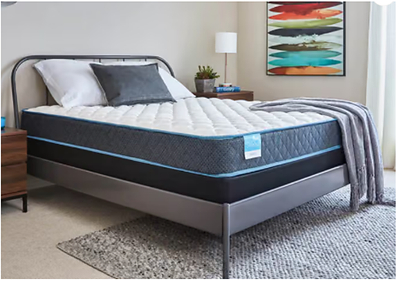
The 120-night trial also carries conditions. The published policy asks for at least 30 nights of adjustment, lists a $149 exchange fee and excludes categories including clearance merchandise and most adjustable bases. Shoppers should compare the complete delivered price, financing terms and return rules before signing. A showroom visit is most useful when it ends with a written understanding of the purchase.
05 The useful part of being everywhere
Beyond selling beds, Mattress Firm has worked with SleepScore Labs on sleep research and supports community volunteering through employee benefits. These efforts broaden its conversation with customers, but the store still has to earn the visit. For retailers, the transferable idea is to make a confusing purchase easier to evaluate. The limit arrives when the help feels unnecessary or the extra location adds cost without demand. For shoppers, the opportunity is refreshingly physical: take your time, compare the beds, and make the salesperson explain the differences.
Take the next look
Compare products, visit a showroom, or follow the company’s next move.