consumer-brand
(47)
The Founder Who Learned to Let Fresh Food Spoil
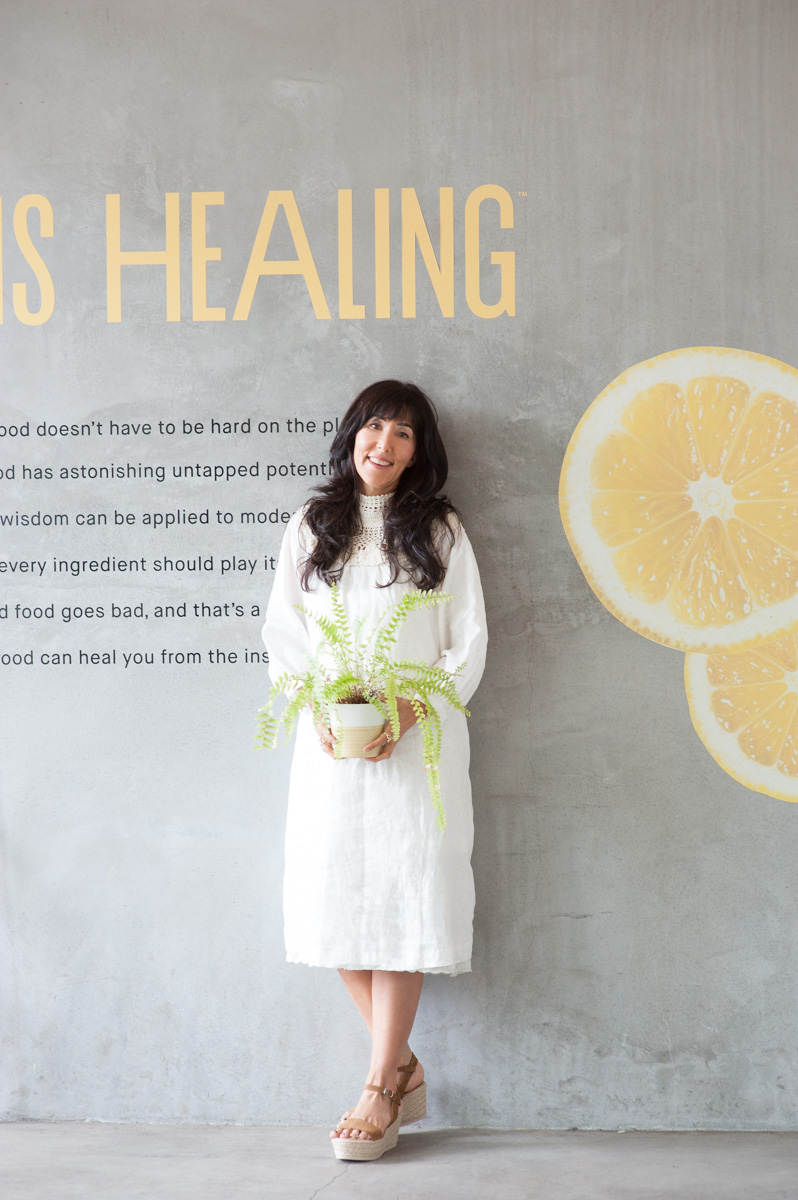
Neka Lac began with a tiny San Rafael kitchen, a stubborn standard for fresh food and no idea what a KPI was. The company grew; the standard stayed put.
Danielle Duboise and the $700 Dinner That Became Sakara Life
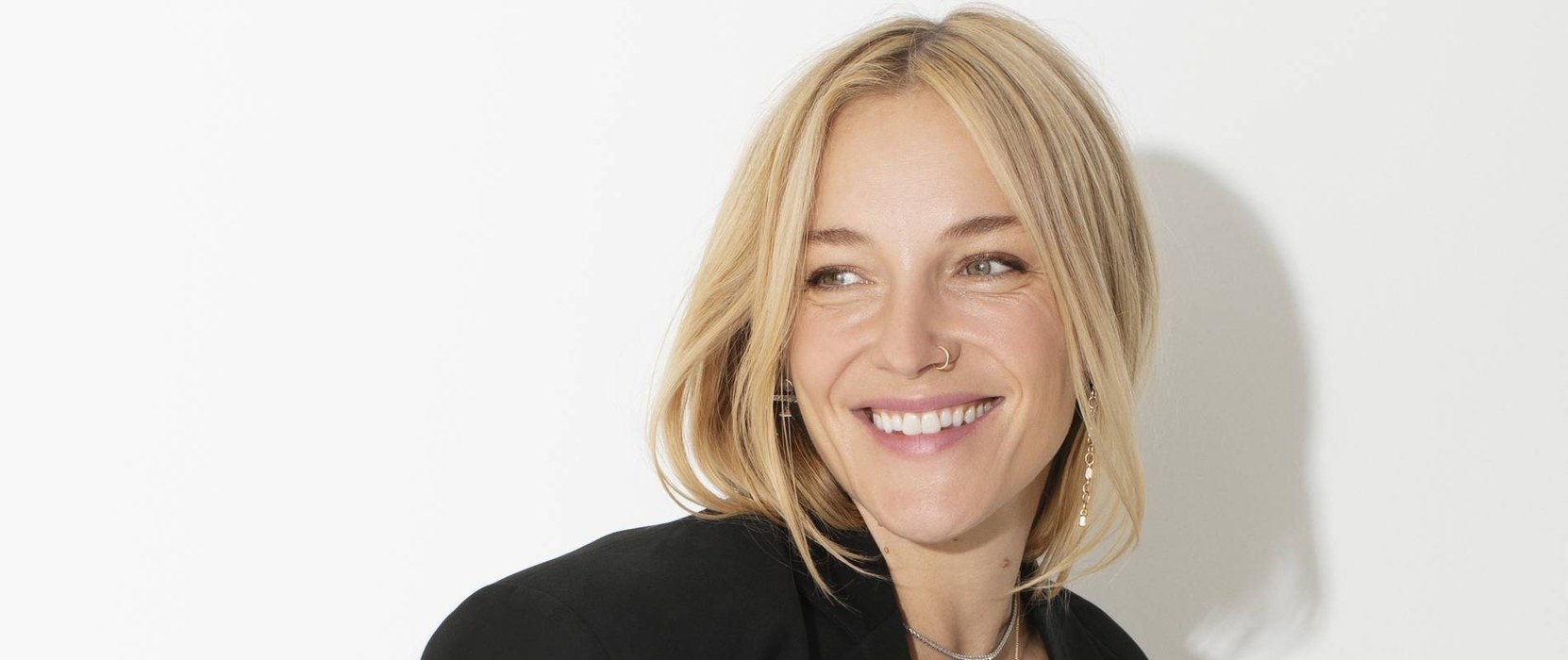
A seventh-grade friendship, a Soho apartment and $700 from a dinner party became a nationwide business. Fifteen years later, Danielle Duboise is learning that a founder's most consequential move may be stepping back without stepping away.
John Oram Put a Lab Coat on California Cannabis - Then Built the Store Around It
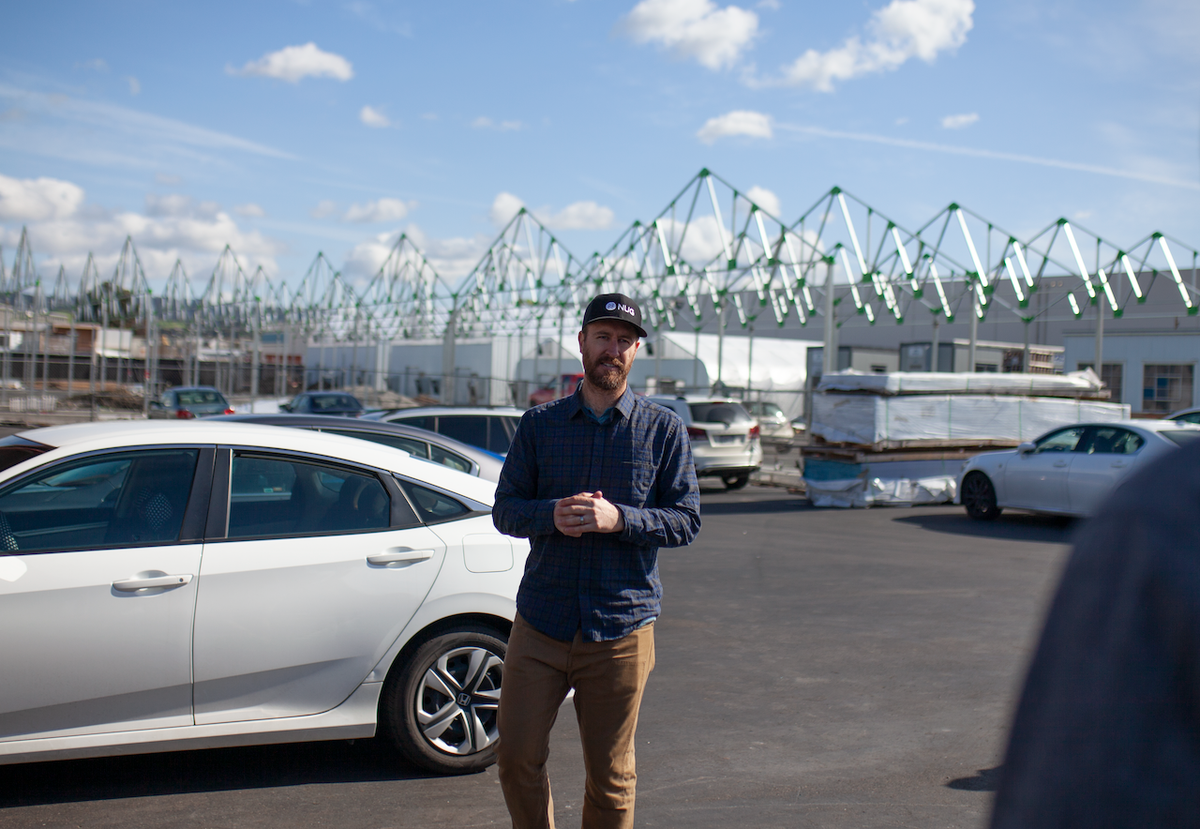
Before California cannabis had a dependable rulebook, John Oram was buying used lab equipment and asking unfashionably precise questions. His next experiment was larger: turn quality control, manufacturing and retail into one coherent company.
Blaine Butler Put a Saucer Under a Big Idea
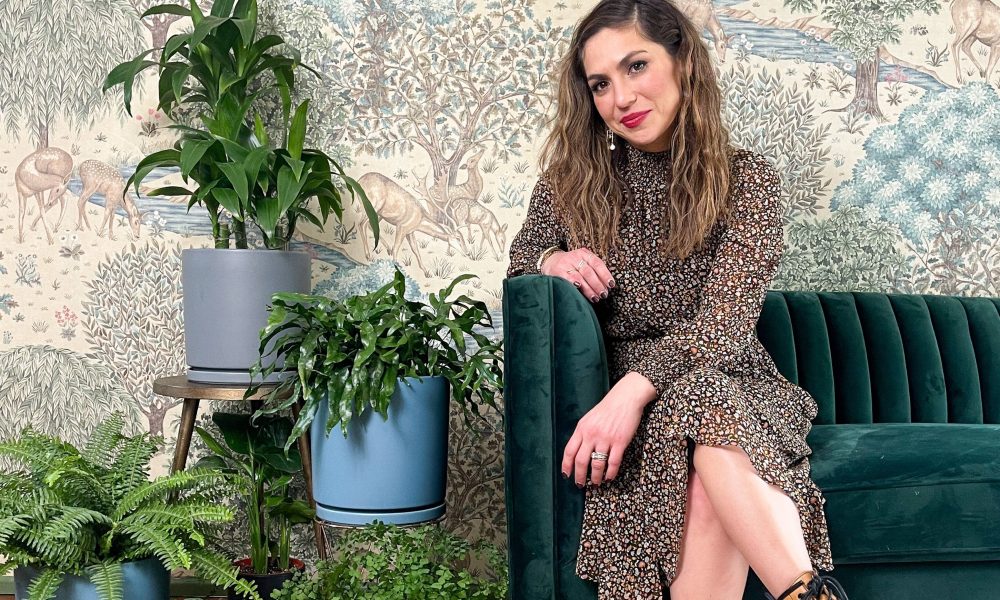
She began with concrete, paint and a garage. More than two million designs later, Blaine Butler’s real product may be a reason to notice what is growing beside you.
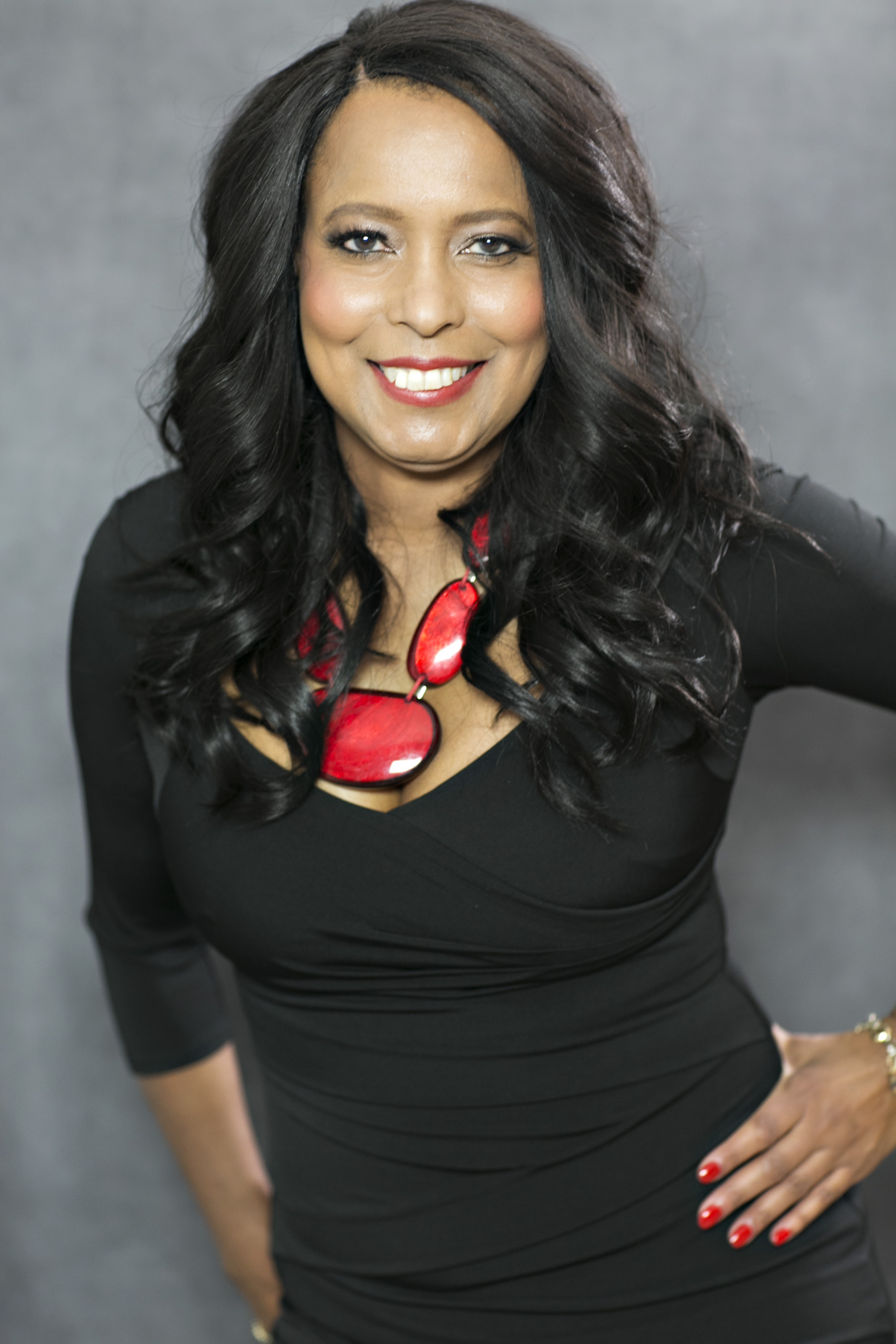
Gwen Hurt Built a Wine Company From One Pair of Shoes
A layoff closed Gwen Hurt's 15-year chapter in global tech. A pair of gold kitten heels, a wine-making hobby and one formidable daughter supplied the next act.
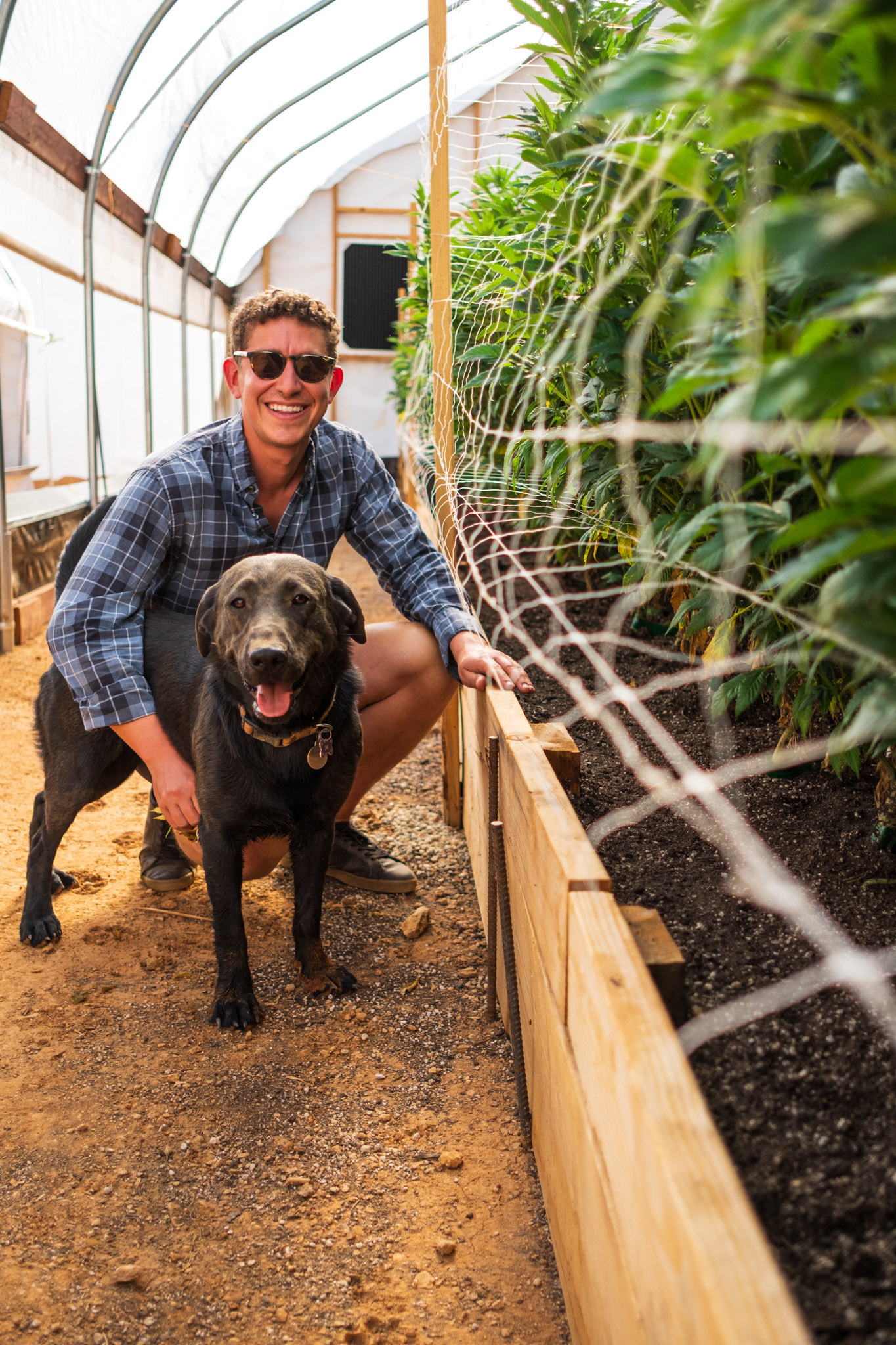
Lex Corwin Built a Cannabis Brand on One Scrappy Rule: Make the Farm the Marketing
Stone Road began with a teenage grow on a Connecticut lane and matured into a lean, design-forward company rooted on 57 off-grid acres. Corwin’s wager is simple: careful cultivation, frank branding and a small team can still matter in a brutally consolidated market.
Pizza Pizza Turned One Bad Digital Stat Into a 750-Store Feedback Machine
Canada’s orange pizza chain discovered that one in three digital-delivery customers had a problem. Its response - simplify the order, test in public and turn every menu launch into measurable theatre - is a playbook operators can actually copy.

Jiachun Li Built a Boba Shop Like an Engineer - Then Added a Bunny
She left mechanical engineering for milk tea, turned store operations into a systems problem, and learned that the smallest object in the cup could carry the biggest part of the brand.
The $15 Lunch That Learned to Think Like a Chef
Mendocino Farms turned the office sandwich into a seasonal, chef-driven product - then built a 100-store growth machine around the part fast casual often forgets: hospitality.

The Dessert Chain That Sells You the Controls
At Menchie's, the customer is part pastry chef, part portion controller and part kid in a candy store. That small transfer of control turned a Los Angeles yogurt shop into a durable franchise - one weighed cup at a time.
The $7.3 Billion Business of Selling a Feeling
Bath & Body Works turned scent into a retail operating system - part product lab, part seasonal theater, part loyalty machine. Now it is trying to carry that formula beyond the mall without losing the ritual that made it work.
The $5 Footlong Grew Up. Subway Now Has a $9.55 Billion Renovation Job.
The chain that taught America to direct lunch one ingredient at a time is simplifying the script. Under Roark Capital, Subway is betting that fresher stores, preset favorites and visible value can make a sprawling franchise network feel coherent again.

The Taco Trailer That Learned to Think Like a Chain
Torchy's built a national restaurant business by treating the taco as a canvas and Austin weirdness as an operating system. Now the challenge is to keep the mischief intact while making every kitchen repeat it.
The 74-Year-Old Chicken Chain Betting Its Comeback on $3.79 Meals and a 600-Store China Deal
Church's spent years rebuilding the unglamorous machinery behind a legacy fast-food brand. Now higher franchisee sales, a sharpened value menu and a huge China agreement are turning an old Texas name into a live growth story.
The $900 Chicken Stand That Learned to Scale Heat
Dave's Hot Chicken turned four friends, a portable fryer and a tiny menu into a billion-dollar franchise. Its real product is not merely spicy chicken - it is a repeatable system for turning spectacle into restaurant traffic.
How Playa Bowls Turned a Beach Cart Into a 400-Shop Ritual
A blender, an umbrella and a borrowed patch of Jersey Shore pavement became a national franchise. Playa Bowls grew by selling more than fruit - it packaged the feeling of a beach day into a compact, repeatable shop.
Pizza Hut Built the Pizza Night. Now It Has to Reinvent the Hut.
The red roof taught generations to turn dinner into an occasion. A pending $2.7 billion ownership split now asks whether a 68-year-old restaurant icon can pair its old magic with the speed, value and digital habits of modern pizza night.

Gong cha Is Turning a Cup of Bubble Tea Into a Global Operating System
The Taiwan-born chain has grown from one experimental tea shop into nearly 2,200 points of sale. Its next act depends on making thousands of customized drinks feel personal - without letting a global franchise system lose the plot.

Red Bull
Red Bull sells a small can at global scale, then reinvests attention into racing, football, films, athletes and events. The result is less a sponsorship strategy than a self-reinforcing distribution system for culture.
MANSCAPED
MANSCAPED built a global grooming business by naming the awkward problem everyone else politely ignored. Now the question is whether a brand born below the belt can own the whole bathroom shelf.

ILIA Beauty
ILIA stopped treating “natural” as a purity test and started treating makeup as a delivery system for skincare. That pragmatic turn helped a lip-balm experiment become a prestige beauty business approaching $200 million in annual revenue.
Lou Malnati's Pizzeria
Lou Malnati's has spent 55 years turning one stubbornly local recipe into restaurants, delivery kitchens and a nationwide cold-chain business. Its next challenge is expansion without sanding away the family ritual that made the pizza travel in the first place.
Domino's
The world’s largest pizza company has spent 65 years turning a simple dinner into a system - one built from franchisees, dough factories, delivery routes and a checkout screen that remembers what you crave.
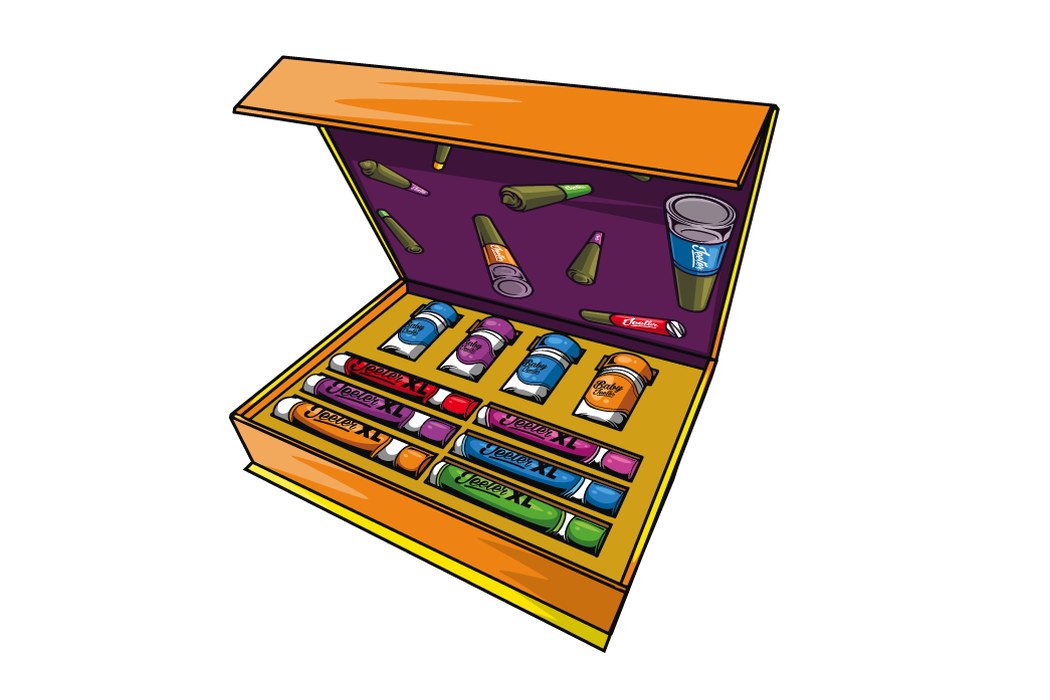
Jeeter - a DreamFields Brand
Jeeter turned a college-era nickname for a joint into a nine-figure cannabis business. Its real product is not only the pre-roll - it is the ritual, packaging and release-day theater built around it.
Dutch Bros Coffee
The Oregon drive-thru that turned a pushcart, a windmill logo and a blue energy drink into a $1.6 billion coffee company - one Rebel at a time.

McDonald's
The Golden Arches sell burgers, but the durable product is a system - franchise economics, high-traffic real estate, supply-chain discipline and a loyalty app now used by nearly 210 million active customers.

Dennis Seydel
Dennis Seydel is the Chief Marketing Officer of The North Face, appointed in January 2025 after joining the outdoor brand in 2023 to lead global brand management. A marketing executive who spent 17 years building brands at Nike, he went on to run marketing at YouTube Music and Uber Eats, serve as Chief Brand Officer at healthcare-apparel disruptor FIGS, and lead North America marketing and communications at Tommy Hilfiger. He is known for working at the intersection of culture, sport, and consumer storytelling.

Sarah O'Leary
Sarah O'Leary is the CEO of Willow Innovations, the Mountain View company that built the first fully in-bra wearable breast pump. She joined Willow in 2019 as VP of Growth, climbed through CMO and Chief Commercial Officer roles, and was named CEO in December 2023. Under her, Willow moved from an e-commerce breakthrough to an omnichannel maternal-health brand, and in 2025 acquired UK femtech rival Elvie to build a scaled global platform. A mother of two who started her career in consulting, she is known for a 'mothers first' philosophy that treats the new mother as the person products should be built around.
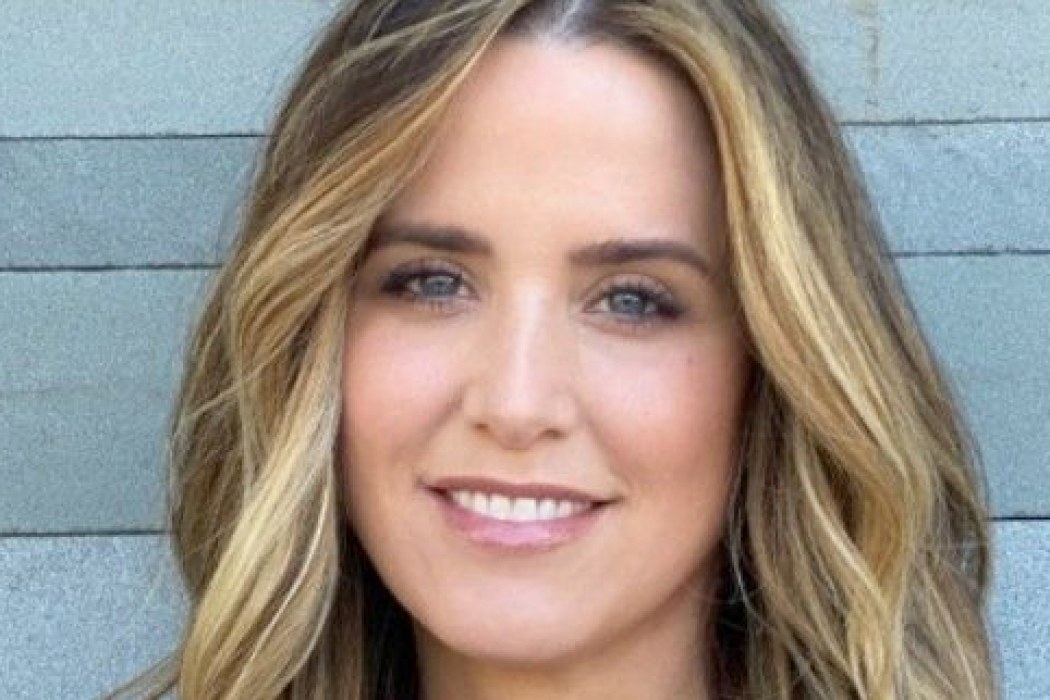
Kelly Olmstead
Kelly Olmstead is the Chief Marketing Officer of Allbirds, the San Francisco sustainable footwear and apparel brand. She brings more than 25 years across sporting goods, footwear and apparel, including nearly two decades at Adidas leading brand, retail and digital marketing for North America, and a stint as CMO of children's clothing brand Hanna Andersson. Since taking the top marketing seat at Allbirds in December 2023, she has anchored the company's turnaround on brand building over pure performance marketing, launching the 'Allbirds by Nature' platform and betting that consistency, storytelling and a beloved product can lift the brand's awareness the way it lifts its Net Promoter Score.

Crocs, Inc.
Crocs, Inc. is a Broomfield, Colorado footwear company best known for the molded-foam Classic Clog and its snap-in Jibbitz charms. Built on a proprietary closed-cell resin called Croslite, the once-polarizing shoe grew into a multi-billion-dollar global brand spanning clogs, sandals, and sneakers, plus the HEYDUDE casual-loafer label acquired in 2022. Trading on Nasdaq as CROX, the company reported roughly $4.0 billion in 2025 revenue and reaches customers in more than 80 countries through its own stores, wholesale partners, and a large direct-to-consumer digital business.