consumer-brand
(27)
Pizza Pizza Turned One Bad Digital Stat Into a 750-Store Feedback Machine
Canada’s orange pizza chain discovered that one in three digital-delivery customers had a problem. Its response - simplify the order, test in public and turn every menu launch into measurable theatre - is a playbook operators can actually copy.
The $15 Lunch That Learned to Think Like a Chef
Mendocino Farms turned the office sandwich into a seasonal, chef-driven product - then built a 100-store growth machine around the part fast casual often forgets: hospitality.
The Dessert Chain That Sells You the Controls
At Menchie's, the customer is part pastry chef, part portion controller and part kid in a candy store. That small transfer of control turned a Los Angeles yogurt shop into a durable franchise - one weighed cup at a time.
The $7.3 Billion Business of Selling a Feeling
Bath & Body Works turned scent into a retail operating system - part product lab, part seasonal theater, part loyalty machine. Now it is trying to carry that formula beyond the mall without losing the ritual that made it work.
The $5 Footlong Grew Up. Subway Now Has a $9.55 Billion Renovation Job.
The chain that taught America to direct lunch one ingredient at a time is simplifying the script. Under Roark Capital, Subway is betting that fresher stores, preset favorites and visible value can make a sprawling franchise network feel coherent again.
The Taco Trailer That Learned to Think Like a Chain
Torchy's built a national restaurant business by treating the taco as a canvas and Austin weirdness as an operating system. Now the challenge is to keep the mischief intact while making every kitchen repeat it.
The 74-Year-Old Chicken Chain Betting Its Comeback on $3.79 Meals and a 600-Store China Deal
Church's spent years rebuilding the unglamorous machinery behind a legacy fast-food brand. Now higher franchisee sales, a sharpened value menu and a huge China agreement are turning an old Texas name into a live growth story.
The $900 Chicken Stand That Learned to Scale Heat
Dave's Hot Chicken turned four friends, a portable fryer and a tiny menu into a billion-dollar franchise. Its real product is not merely spicy chicken - it is a repeatable system for turning spectacle into restaurant traffic.
How Playa Bowls Turned a Beach Cart Into a 400-Shop Ritual
A blender, an umbrella and a borrowed patch of Jersey Shore pavement became a national franchise. Playa Bowls grew by selling more than fruit - it packaged the feeling of a beach day into a compact, repeatable shop.
Pizza Hut Built the Pizza Night. Now It Has to Reinvent the Hut.
The red roof taught generations to turn dinner into an occasion. A pending $2.7 billion ownership split now asks whether a 68-year-old restaurant icon can pair its old magic with the speed, value and digital habits of modern pizza night.
Gong cha Is Turning a Cup of Bubble Tea Into a Global Operating System
The Taiwan-born chain has grown from one experimental tea shop into nearly 2,200 points of sale. Its next act depends on making thousands of customized drinks feel personal - without letting a global franchise system lose the plot.
Red Bull
Red Bull sells a small can at global scale, then reinvests attention into racing, football, films, athletes and events. The result is less a sponsorship strategy than a self-reinforcing distribution system for culture.
MANSCAPED
MANSCAPED built a global grooming business by naming the awkward problem everyone else politely ignored. Now the question is whether a brand born below the belt can own the whole bathroom shelf.

ILIA Beauty
ILIA stopped treating “natural” as a purity test and started treating makeup as a delivery system for skincare. That pragmatic turn helped a lip-balm experiment become a prestige beauty business approaching $200 million in annual revenue.
Lou Malnati's Pizzeria
Lou Malnati's has spent 55 years turning one stubbornly local recipe into restaurants, delivery kitchens and a nationwide cold-chain business. Its next challenge is expansion without sanding away the family ritual that made the pizza travel in the first place.
Domino's
The world’s largest pizza company has spent 65 years turning a simple dinner into a system - one built from franchisees, dough factories, delivery routes and a checkout screen that remembers what you crave.
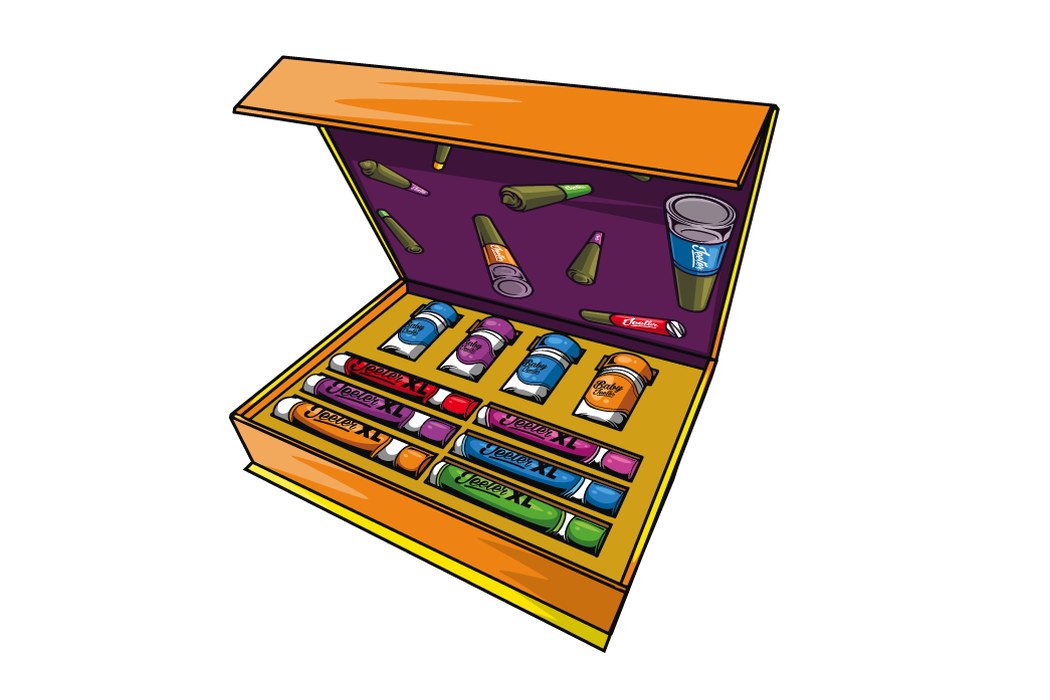
Jeeter - a DreamFields Brand
Jeeter turned a college-era nickname for a joint into a nine-figure cannabis business. Its real product is not only the pre-roll - it is the ritual, packaging and release-day theater built around it.
Dutch Bros Coffee
The Oregon drive-thru that turned a pushcart, a windmill logo and a blue energy drink into a $1.6 billion coffee company - one Rebel at a time.
McDonald's
The Golden Arches sell burgers, but the durable product is a system - franchise economics, high-traffic real estate, supply-chain discipline and a loyalty app now used by nearly 210 million active customers.
Crocs, Inc.
Crocs, Inc. is a Broomfield, Colorado footwear company best known for the molded-foam Classic Clog and its snap-in Jibbitz charms. Built on a proprietary closed-cell resin called Croslite, the once-polarizing shoe grew into a multi-billion-dollar global brand spanning clogs, sandals, and sneakers, plus the HEYDUDE casual-loafer label acquired in 2022. Trading on Nasdaq as CROX, the company reported roughly $4.0 billion in 2025 revenue and reaches customers in more than 80 countries through its own stores, wholesale partners, and a large direct-to-consumer digital business.

Honeylove
Honeylove is a Los Angeles-based direct-to-consumer apparel company that designs shapewear, wireless bras, and everyday intimates engineered with targeted compression and supportive panels. Founded in 2018 by former EDM vocalist Betsie Larkin after she couldn't find shapewear that stayed in place on stage, the brand built its reputation on no-roll construction and comfort-first engineering. It has grown from a $300K Kickstarter and a Y Combinator batch into a nine-figure-revenue business serving more than 3 million customers, backed by a $13M Series A led by Lightspeed Venture Partners.
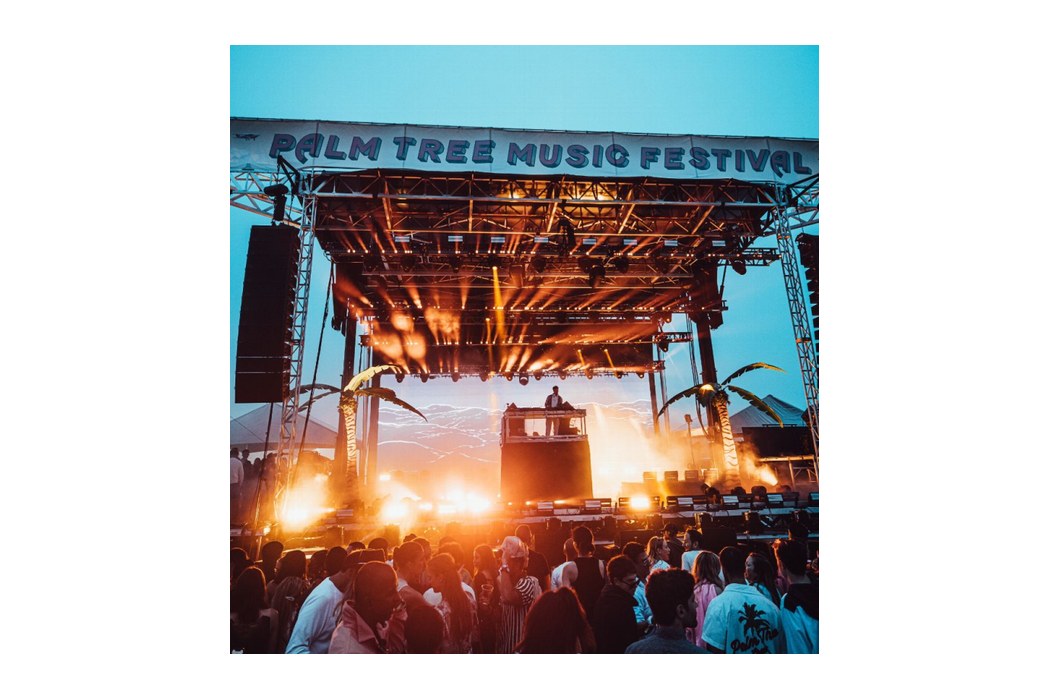
Palm Tree Crew Holdings
Palm Tree Crew is a Miami-based entertainment, hospitality and investment holding company founded by Norwegian DJ and producer Kygo (Kyrre Gorvell-Dahll) and his manager Myles Shear. Built around the globe-trotting Palm Tree Music Festival, the company spans four lines of business - live events, hospitality venues and beach clubs, a consumer lifestyle and apparel brand, and a multi-product investment platform. In September 2025 it raised a $20 million Series B led by WME Group at a $215 million valuation to fund international festival expansion, new clubs and hotels, and early-stage bets in beverages and consumer goods.
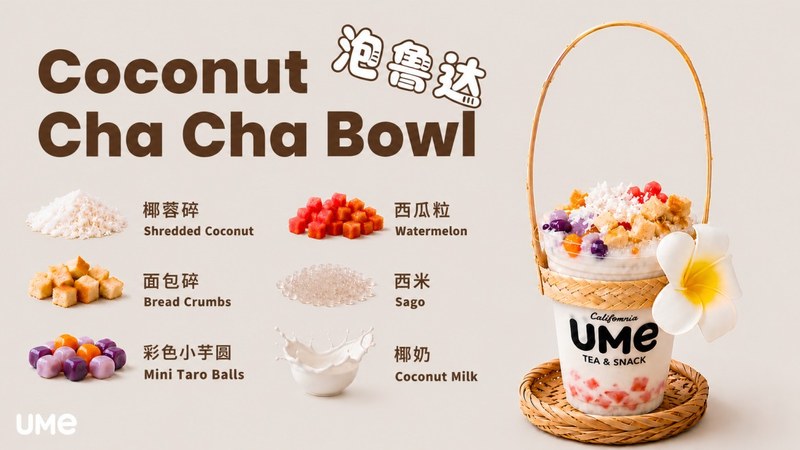
UMe Tea
UMe Tea is a California-based bubble tea chain founded in 2019 by former Silicon Valley engineer Jiachun 'Summer' Li. Built around fruit-forward, less-sugary recipes tuned to American palates, the brand pairs handcrafted drinks and snacks with viral marketing - most notably a surprise bunny plushie hidden in the bottom of its cups. Bootstrapped and profitable for its first four years, UMe grew to roughly 30 Bay Area stores before raising a $10M Series A led by Conductive Ventures in 2025 to fund team-building and regional expansion.

Museum of Ice Cream
Museum of Ice Cream is an immersive, multi-sensory entertainment brand that turns the simple pleasure of ice cream into a walk-through playground of color, nostalgia, and unlimited treats. Born as a 2016 New York pop-up built around a now-iconic sprinkle pool, it grew into a chain of permanent 'experiums' across the U.S. and Singapore under parent company Figure8, blending hospitality, retail, and shareable social moments into one ticketed experience.
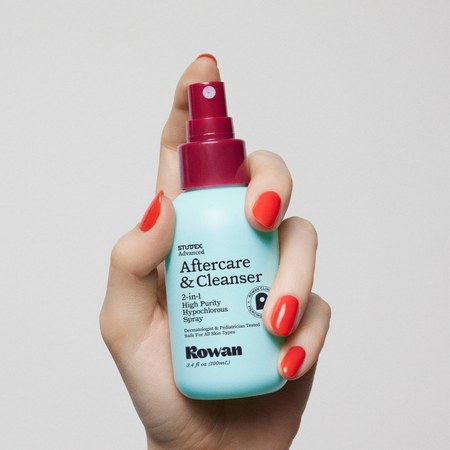
Rowan
Rowan is a nurse-led ear piercing brand that applies clinical, medical-grade standards to a service long associated with mall kiosks and piercing guns. Founded by former Wall Street trader Louisa Serene Schneider, the company pairs licensed nurse piercers with hypoallergenic, nickel-free jewelry across 100+ studios nationwide, plus a direct-to-consumer e-commerce shop. Backed by VMG Partners and Kevin Durant's Thirty Five Ventures, Rowan turned a low-trust ritual into a safety-first, celebratory experience for customers of every age.

The Farmer's Dog
The Farmer's Dog is a New York-based direct-to-consumer pet health company that cooks fresh, human-grade dog food and ships it pre-portioned to subscribers' doors. Founded in 2014 by Jonathan Regev and Brett Podolsky, it builds custom meal plans around each dog's age, weight, and breed, formulated to AAFCO complete-and-balanced standards. The company crossed roughly $1.2 billion in annualized revenue in 2024 and turned profitable, becoming one of the most successful subscription brands in the U.S. pet category.

e.l.f. Beauty
e.l.f. Beauty is an Oakland-based, publicly traded cosmetics company (NYSE: ELF) built on a simple disruptive idea: prestige-quality makeup and skincare that almost everyone can afford. Founded in 2004 as e.l.f. (Eyes Lips Face) and reshaped under CEO Tarang Amin since 2014, it has grown into a multi-brand house spanning e.l.f. Cosmetics, e.l.f. SKIN, Well People, Keys Soulcare, Naturium, and Hailey Bieber's rhode. Every product is vegan and cruelty-free, most cost under $20, and the company has become a case study in social-first, community-driven brand building.