brand-portfolio
(33)
ACCO Brands: The company hiding on your desk
You know the stapler. You know the notebook. Behind them sits a company buying its way into the next version of your desk.
Conagra Brands sells you back your evening
Behind Birds Eye, Slim Jim and a very busy freezer aisle sits a company built around a familiar problem: dinner needs to happen. Its harder problem is making convenience pay.

Ten betting brands. One Amused Group.
Behind Bet Nation, BetDeluxe and eight other Australian wagering brands sits a Melbourne company with its own technology arm. Its bigger bet is on the people and software that can keep the whole portfolio moving.
Spectrum Brands Sold the Locks for $4.36 Billion. Now Comes the Hard Part.
The company behind FURminator, Tetra, Cutter and Remington made billions by selling a business it had improved. Its next trick is harder: proving that a smaller portfolio can grow without losing the scale that made the collection useful.
The Kitchen Guy Who Turned Air Fryers Into a $5 Billion Franchise
Shae Hong bought a sleepy appliance manufacturer, wired it to celebrity culture and real-time retail data, and turned toasters and air fryers into a portfolio of top-selling brands.
The Beauty Roll-Up Betting the Next Category King Is Hiding in Plain Sight
Performance Beauty Group has assembled a portfolio around the eye - then built the factories, data loops and retail relationships to make small brands travel. Its wager is that discipline, not endless launches, can turn founder energy into durable category authority.
The House of Brands That Started With a Kilt
Society Brands buys founder-run e-commerce companies, keeps the founders on the payroll, and is betting that Canton, Ohio can out-scale the aggregators that flamed out.
The 500-Card Bet That Became a Catalog Empire
Silver Star Brands began with a borrowed $500, a phone book and personalized Christmas cards mailed to 500 Johnson families. Ninety years later, the Oshkosh retailer is still turning overlooked household needs into a multi-brand direct-to-consumer machine.
AB InBev Built a Beer Empire. Now It Wants to Own the Occasion.
The world's largest brewer is no longer selling only bottles and cans. It is building a connected system of brands, sports, retail software and distribution designed to be present whenever people decide to celebrate.
Diageo Owns the Labels. Its Real Product Is the Shelf.
The company behind Guinness, Johnnie Walker and Don Julio is less a distiller than a global operating system for taste - one now being rewired for slower growth, sober-curious drinkers and a more demanding balance sheet.
The $94 Billion Machine That Sells the Drink and the Chips Beside It
PepsiCo's real product is not cola or chips. It is a portfolio-and-distribution system built to win the entire snack break - then repeat that trick more than a billion times a day.
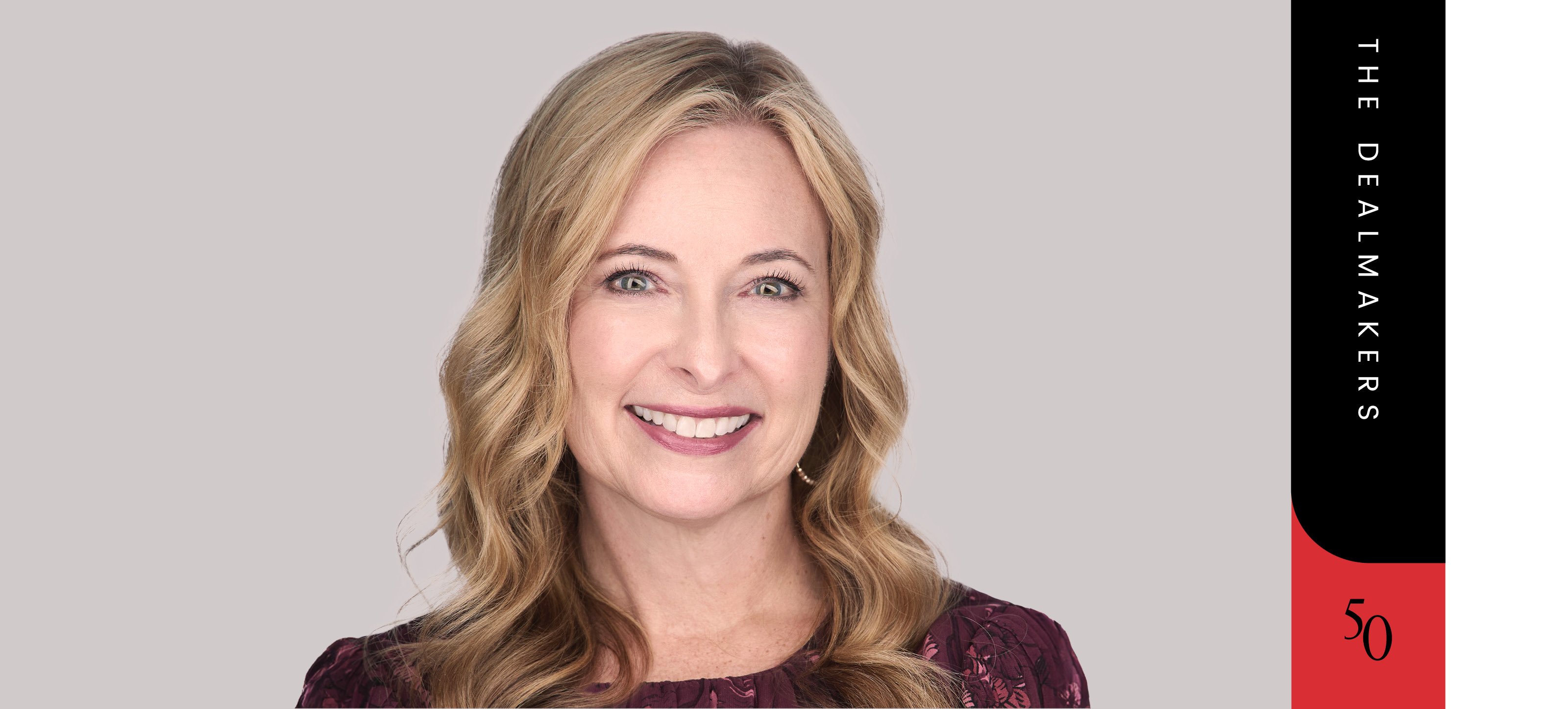
Stacey Ramstedt Counts What Makes a Brand Matter
The accountant turned CMO oversees about 80 brands, from a 180-year-old household staple to social-first beauty acquisitions. Her method begins with a plain question: why should one more household care?
Hormel Built a $12 Billion Business Out of the Middle of the Grocery Store
The maker of SPAM now reaches 81 percent of U.S. households with a portfolio that runs from peanuts to pepperoni. Its real product is a system for putting familiar food almost everywhere people eat.
The $7.1 Billion Tobacco Challenger Betting Its Next Act Fits in a Pouch
ITG Brands was assembled from century-old labels and a modern divestiture. Now America's third-largest tobacco company is using the reach of Winston, Kool and Backwoods to chase growth in oral nicotine - while regulation keeps rewriting the map.
The $7.2 Billion Company Hiding in Your Junk Drawer
Sharpies, slow cookers, strollers and scented candles look like unrelated purchases. Behind the shelf, they are one sprawling experiment in making 50 familiar brands behave like one company.
The $6.7 Billion Company Hiding in Your Cleaning Closet
Clorox began with five men, $500 and a bottle of industrial bleach. More than a century later, its real product is a portfolio of small, repeatable solutions to messy everyday life - now with Purell at the center of a sharper health-and-hygiene bet.
The $3 Billion Orange-Juice Startup With a Nearly 80-Year Memory
Tropicana Brands Group was born in 2022 carrying brands old enough to have breakfast memories of their own. Its next act depends on turning a refrigerated-juice machine into a broader beverage portfolio without squeezing away what consumers already trust.

The $9 Billion Company Hiding Behind America’s Beer Fridge
Constellation Brands began with bulk wine in a cramped Upstate New York office. Eight decades later, its defining asset is a perpetual U.S. beer license - and a supply chain built to keep Modelo, Corona, Pacifico and Victoria moving.
The Company Behind Your Coffee Break Is Preparing to Split in Two
Keurig Dr Pepper built an unusual empire by pairing supermarket coolers with kitchen counters. Now, after buying JDE Peet's, it is integrating a global coffee business while preparing to turn one sprawling beverage company into two focused ones.
The $1.8 Billion Company Hiding in Your Cabinets
You may never shop for Helen of Troy. You may already own three of its products. The company behind OXO, Hydro Flask, Osprey and a crowded bathroom shelf has spent five decades mastering the art of being everywhere without being obvious.
Post Consumer Brands
The maker behind Grape-Nuts, PEBBLES and Malt-O-Meal has quietly become something broader: a $4 billion portfolio spanning breakfast, peanut butter, pet food and private label. Its advantage is less one blockbuster product than a shelf-wide system built for both nostalgia and value.
Harvest Hill Beverage Company
Harvest Hill assembled a billion-dollar beverage business from brands many Americans first met in a lunchbox. Now, under a new owner, the company must prove that nostalgia can travel across aisles, formats and generations.
Proximo Spirits
Proximo Spirits is only 19 years old, but it carries a 268-year inheritance. Its real product is the system that turns agave fields, old stills and sharply drawn brands into bottles people can find almost anywhere.
Bimbo Bakeries USA
Bimbo Bakeries USA is the company hiding in plain sight across the bread aisle. Its advantage is not one famous loaf, but a portfolio of old brands tied to a daily system for baking, forecasting and delivering freshness at national scale.
Kenvue
Spun out of Johnson & Johnson with Tylenol, Neutrogena and Band-Aid in tow, Kenvue became the biggest name in consumer health almost overnight - then spent 2025 fending off activists, a CEO exit, an autism-claim firestorm and a $48.7 billion buyout.
Central Garden & Pet
It started as one man's distribution route in 1980. Four decades later, Central Garden & Pet quietly stocks the grass seed, dog chews and bird feed on shelves across America - roughly $3.1 billion worth a year.
Signet Jewelers
One Ohio company quietly owns Kay, Zales, Jared, Blue Nile and Banter - and rings up roughly one of every three engagement rings sold in America. Meet the $6.8 billion machine behind the moment you got down on one knee.
Unilever
The 96-year-old owner of Dove, Hellmann's and Knorr just cut its ice cream loose and bet everything on 30 brands. Inside the biggest reset in modern consumer goods.
Genesco Inc.
Genesco Inc. is a Nashville-based, footwear-focused retailer and brand operator founded in 1924. Trading on the NYSE as GCO, it runs more than 1,200 stores and a portfolio of retail and lifestyle brands - Journeys, Journeys Kidz, Little Burgundy, Schuh, and Johnston & Murphy - alongside a wholesale and licensed-brands business (Dockers, Levi's, Bass and others). The company generates roughly $2.3-2.4 billion in annual revenue and pairs physical stores with branded e-commerce across the U.S., Canada, and the U.K.
PVH Corp.
PVH Corp. is one of the world's largest branded apparel companies, built around two iconic global lifestyle brands, Calvin Klein and TOMMY HILFIGER. Tracing its roots to an 1881 shirtmaking business in Pottsville, Pennsylvania, the New York-headquartered company designs, markets and distributes clothing, footwear and accessories in more than 40 countries through wholesale, retail and direct-to-consumer channels. Under CEO Stefan Larsson's PVH+ Plan, the company is concentrating on brand-building, digital and DTC-led growth, generating roughly $8.95 billion in annual revenue with more than 70% coming from outside the United States.