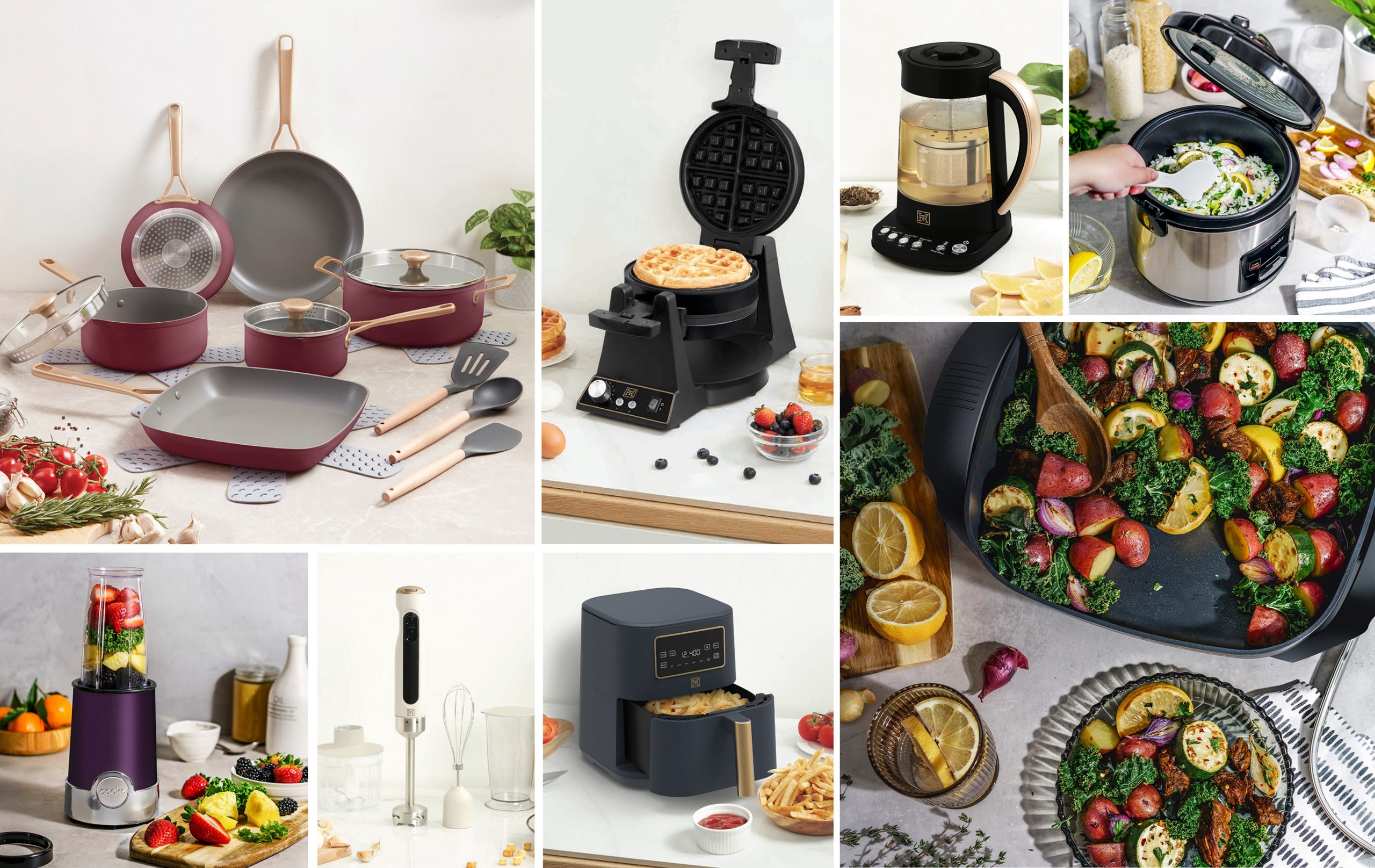
Walk down the small-appliance aisle at Walmart, Target, or Amazon and you are, more often than not, shopping one company's imagination. The toaster that browns your bagel, the pastel stand mixer with the influencer's name on it, the air fryer that fits in a studio kitchen - a surprising share of them trace back to a single New York outfit called Made By Gather. It is not a household name. The brands it makes are.
Made By Gather designs, manufactures, and sells small kitchen appliances and kitchenware under a stable of brands: Bella, Beautiful by Drew Barrymore, Brim coffee, and Crux. Together they have generated more than $5 billion in sales since inception and ship roughly 15 million units a year. The pitch the company keeps returning to is disarmingly plain: "We make super-premium design and innovation accessible to the world." In practice that means appliances that look like they cost a fortune and don't.
01 / The OriginThe supplier who bought the store
The company that would become Made By Gather started in 2003 as Sensio, a small-appliance manufacturer founded by Shae Hong when he was 25. Hong was not new to risk. His first company, ePods, launched in 1998 and built early internet-connected devices, even landing a partnership with Google - then it went down with the dot-com crash of 2000. Sensio was the second act, and for years it did what contract manufacturers do: make the products that carry other companies' names.
The turn came in 2018, when Hong bought the company outright, backed by Backcast Partners and J.P. Morgan. Two years later he retired the Sensio name and relaunched it as Made By Gather - a manufacturer reborn as a brand house. The idea was to stop making appliances for everyone else and start owning the shelf.
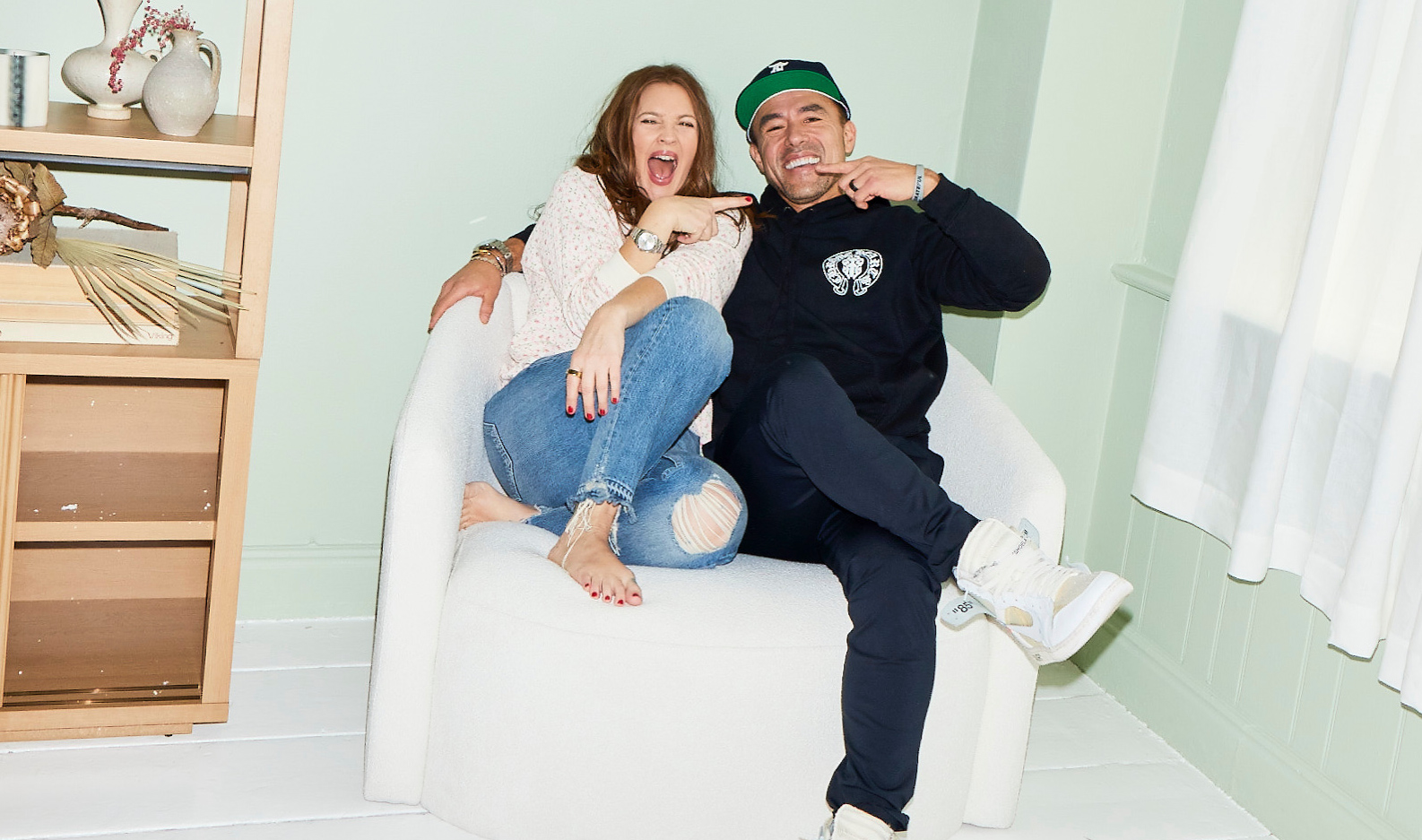
Hong describes himself as a wellness-obsessed home cook, a dad, and a low-key sneakerhead, and he talks about the company in those terms - not as an appliance maker but as a business built around the room where families actually spend time. The rebrand was, in his telling, a personal rediscovery of what the company was for. The name Made By Gather is meant to carry that: things made to bring people together, made with intention. It sounds soft for a manufacturer that moves 15 million boxes a year. It is also, conveniently, good marketing.

02 / The PortfolioFour brands, one playbook
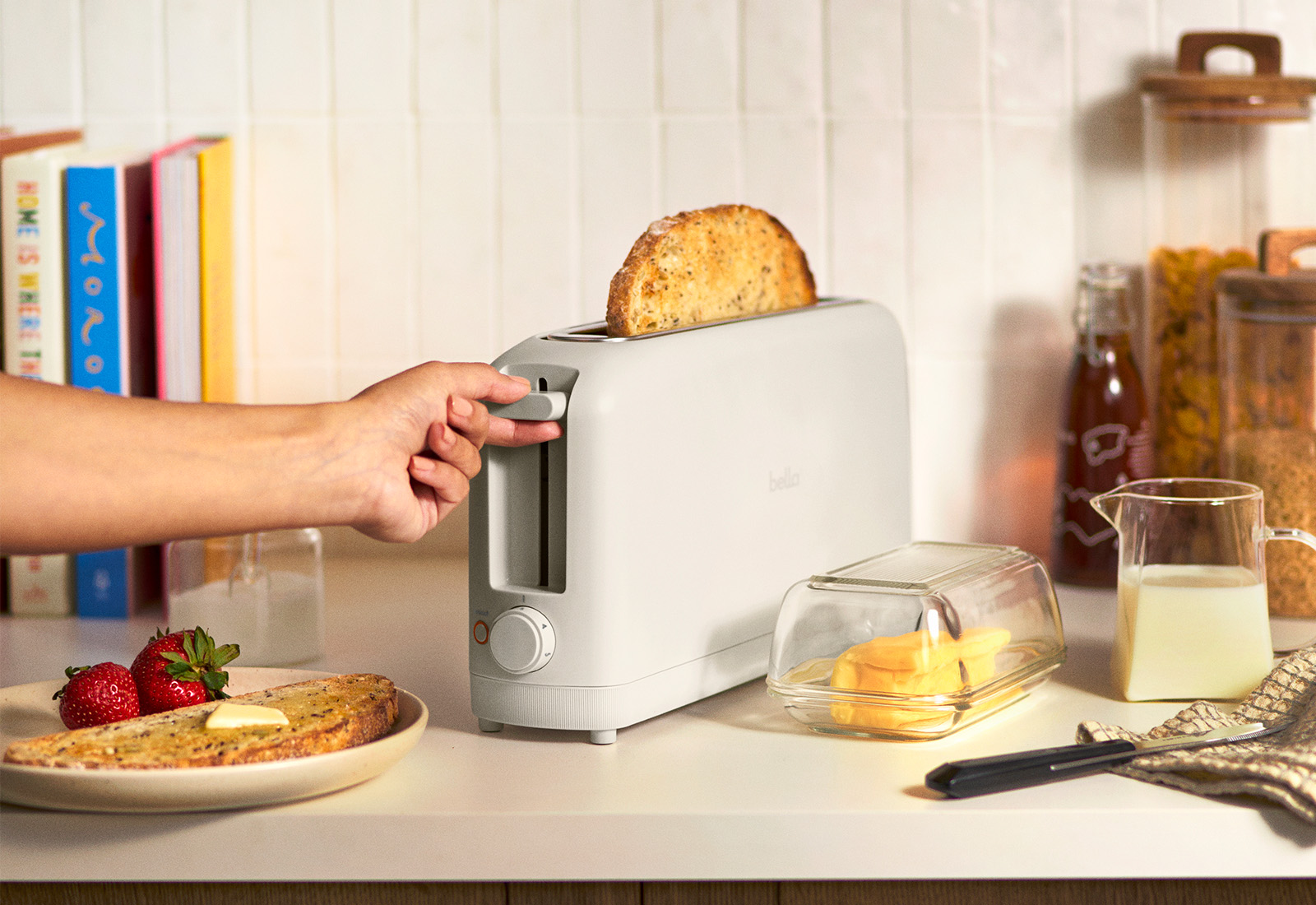
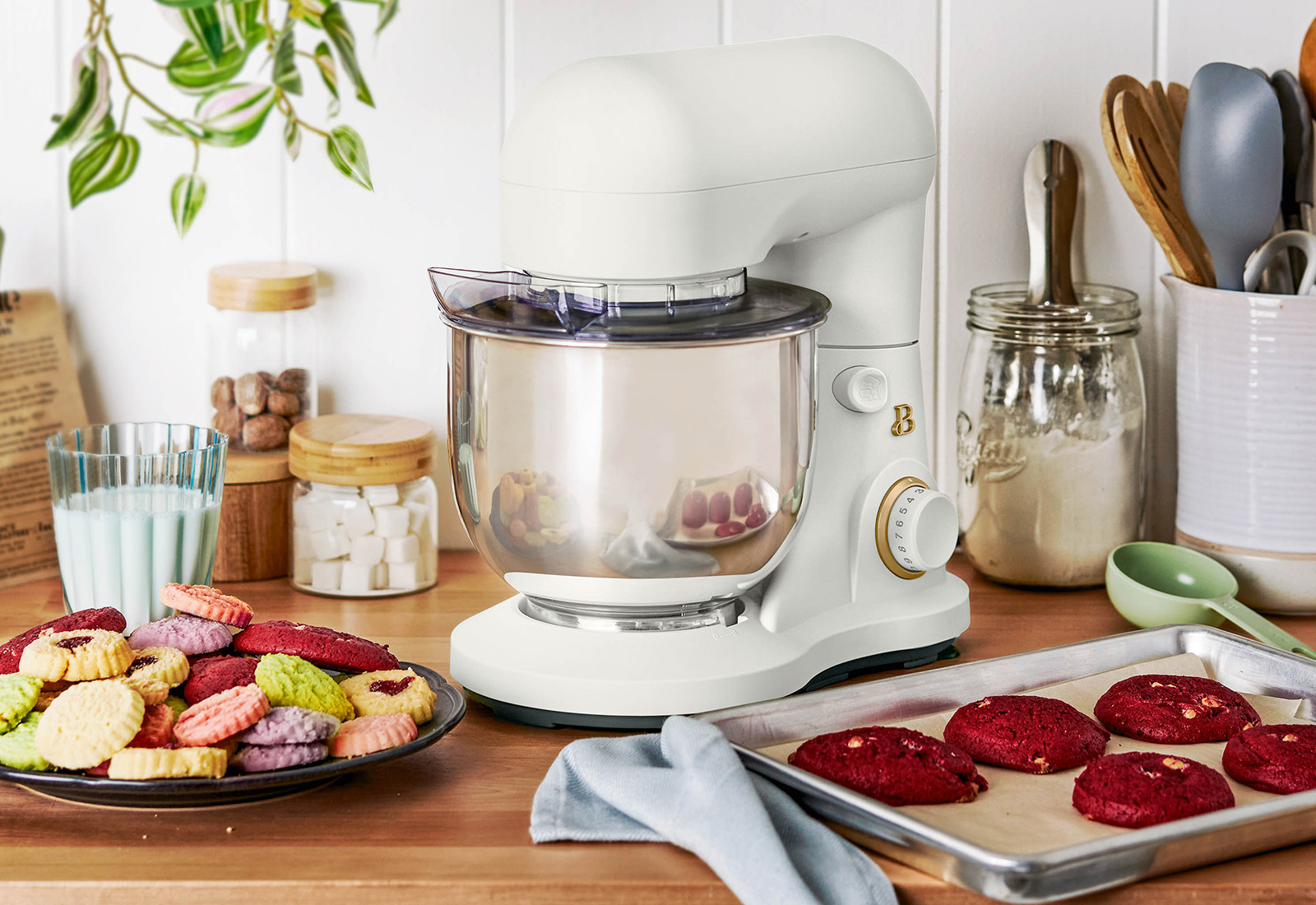
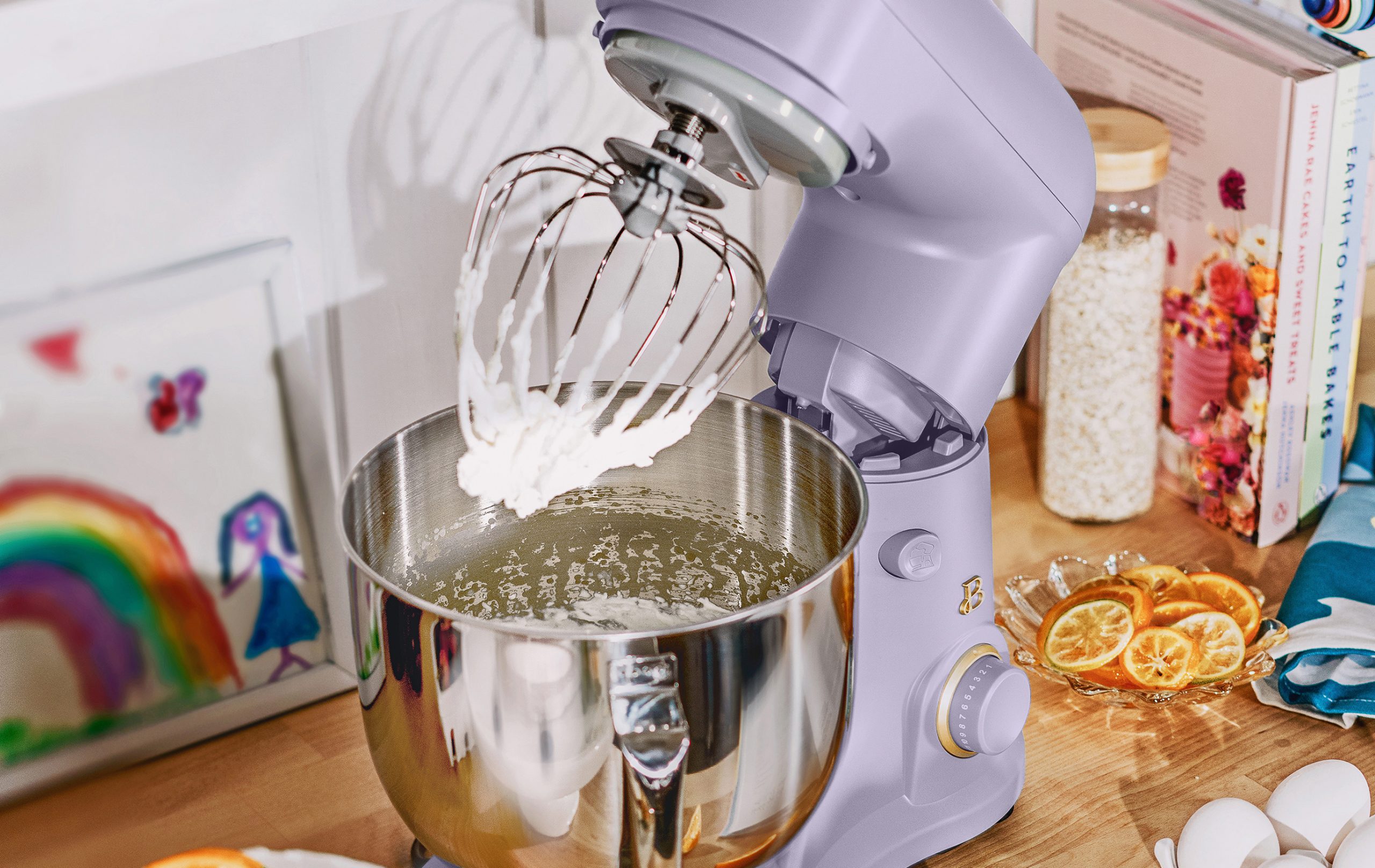
Made By Gather does not run one brand hard. It runs several, each aimed at a slightly different shopper, all sharing the same factory brain and the same design instinct. Bella is the flagship - countertop essentials that became the #1 top-selling toaster and griddle brand in the United States. Beautiful, co-created with Drew Barrymore and sold exclusively at Walmart, became the #1 stand mixer there and has since spilled out of the kitchen into decor and furniture. Brim chases the home-barista crowd; Crux handles design-forward and collaboration drops.
Bella
Countertop essentials - air fryers, toasters, griddles, and the space-saving Fits-Anywhere system.
#1 toaster & griddleBeautiful
Design-led appliances and home goods co-created with Drew Barrymore, exclusive to Walmart.
#1 mixer at WalmartBrim
Espresso, pour-over and precision brewing gear for people serious about coffee at home.
Home baristaCrux / CruxGG
Collabs and design drops, from Ghetto Gastro's CruxGG to a Marshmello air fryer.
CollaborationsThe logic behind running four brands instead of one is commercial, not sentimental. A single name can only stretch so far before it starts confusing shoppers or fighting itself on price. Splitting the portfolio lets Made By Gather occupy the value end and the design end of the same category at once - a Bella air fryer for the budget-minded, a Beautiful one for the shopper decorating a counter - without either brand undercutting the other. It is a strategy borrowed from packaged goods and applied to the appliance aisle, where most rivals still lean on one badge to do all the work.
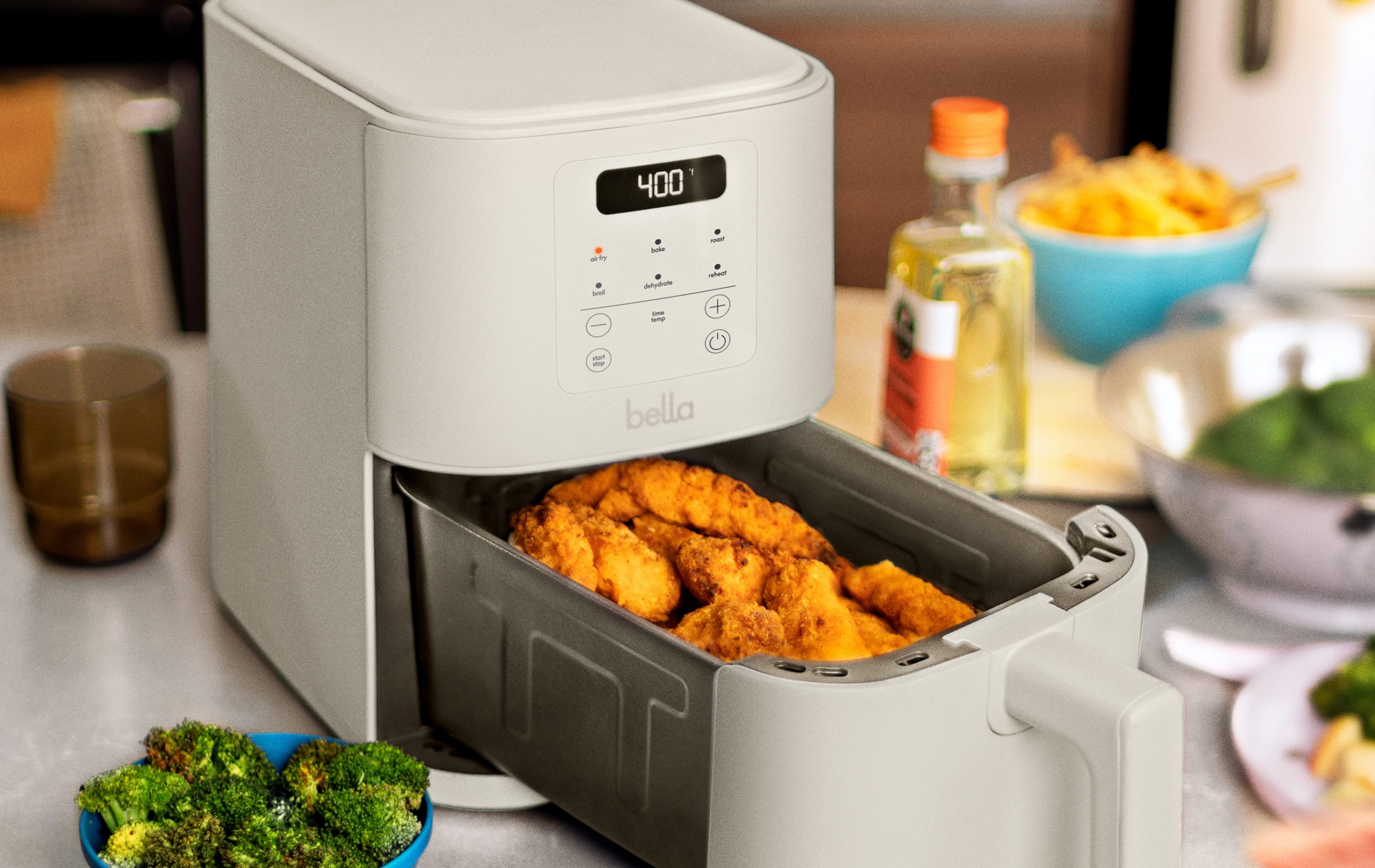
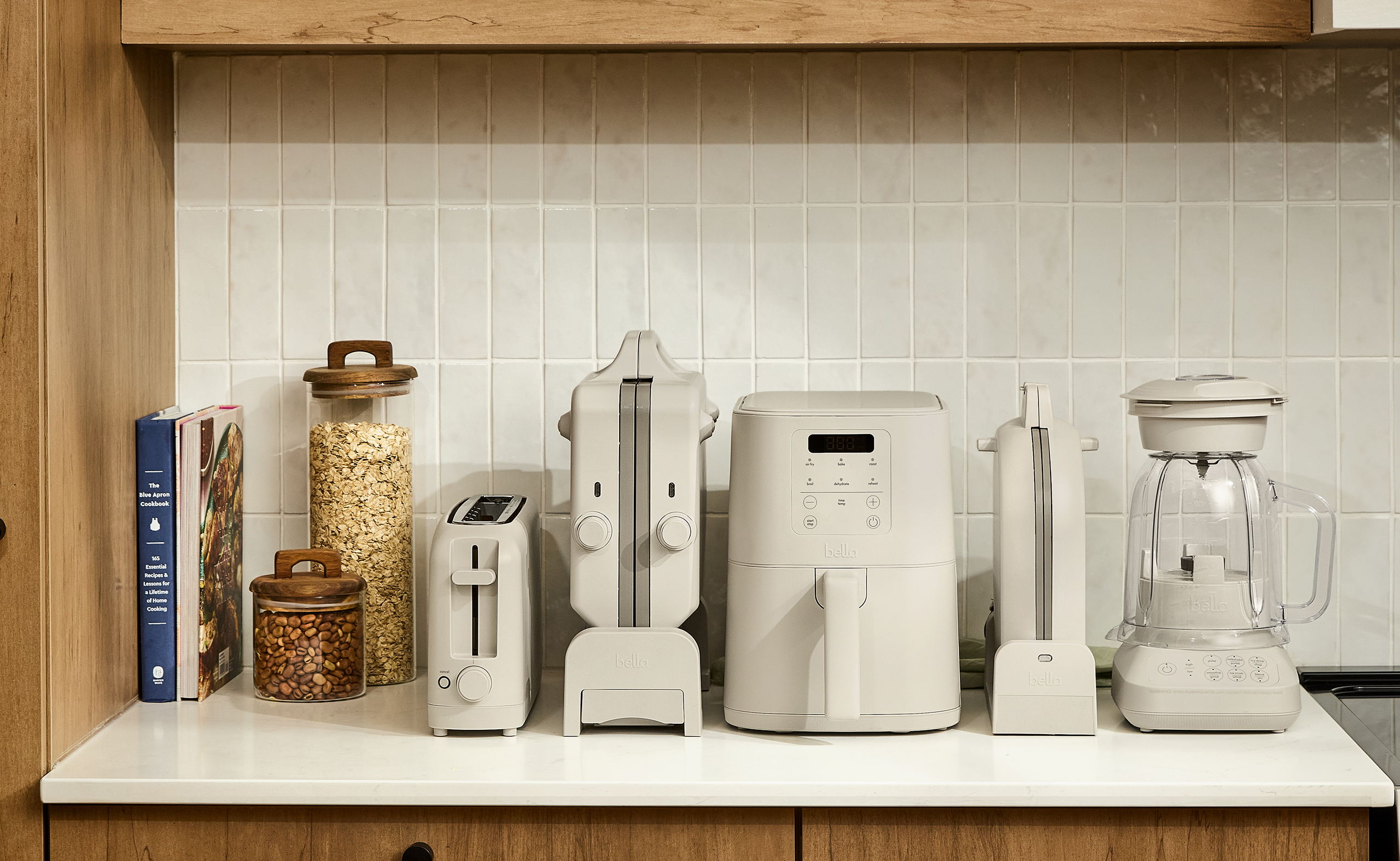
The Fits-Anywhere line is a neat example of how the company reads a room. Kitchens keep shrinking; countertops don't. So Bella built a system of appliances engineered to nest and save up to half the space, and it answered a genuinely unglamorous complaint - clutter. The reward was a 1,450% jump in sales at Target year over year.
03 / The MethodCelebrity front, data engine
Plenty of companies chase celebrity collaborations. Made By Gather treats it like a discipline. Drew Barrymore fronts Beautiful. Demi Lovato fronted the Bella relaunch. Marshmello put his name on a Crux air fryer. The Bronx culinary collective Ghetto Gastro built CruxGG - a launch so hyped it crashed the Williams-Sonoma website in 2020. The trick, the company has said, is less about star power than fit: pairing a name with a product people were already inclined to want.
Behind the glamour is a quieter advantage - the company runs on retail data. By plugging point-of-sale feeds through Crisp into Snowflake, Made By Gather cut its weekly data pull from more than six hours to under one and put live numbers in front of 35-plus people across sales, planning, and leadership. When you can see what's selling by the hour, you can restock, reprice, and re-merchandise before a competitor notices. It kept Amazon in-stock rates above 95% while launching hundreds of new SKUs.
Where Made By Gather sits on the shelf
Illustrative category leadership across owned brands
04 / The BusinessWho buys it, and how it makes money
The customer is straightforward: everyday home cooks and gift-givers, the people filling carts at mass retailers and online. Made By Gather reaches them everywhere - Walmart, Target, Amazon, Macy's, Costco, Best Buy - and increasingly through the brands' own e-commerce, which now accounts for more than half of sales. Revenue flows from three overlapping engines: owned brands, celebrity and licensing partnerships, and private-label programs built for retail partners.
The private-label and licensing arm is the part shoppers never see, and it is a real hedge. When your own brands are hot, they carry the business; when a category cools, the contract work for retail partners keeps the factories busy and the relationships warm. It is the same skill Sensio was built on two decades ago, now running underneath a much flashier front end.
That model got a vote of confidence in May 2026, when the company completed a strategic refinancing led by TCW Private Credit Group and MidCap Financial, establishing a long-term capital structure to fund product innovation and retail expansion. It was also a signal about the category itself - lenders are starting to treat celebrity-backed consumer platforms as a distinct, financeable asset.
05 / The FieldWhere it fits, and who it's up against
The small-appliance aisle is crowded and old. Hamilton Beach, Cuisinart, Black+Decker, and KitchenAid have been there for decades; SharkNinja has muscled in with one dominant name across categories; newer design darlings like Our Place and Caraway court the aesthetic shopper. Made By Gather's answer is not a single hero brand but a portfolio - several faces, one operating system - that lets it show up at multiple price points and multiple shoppers without cannibalizing itself.
What a founder could actually take from this: you can build a brand business by buying your own supplier and turning manufacturing into a moat. You can rent attention with the right celebrity, but only if the product already deserves it. And you can win a boring aisle by treating data as a first language and clutter as a design brief. The caution is just as real - portfolios are hard to run, celebrity fit is fickle, and a debt-financed appliance business lives and dies by keeping shelves stocked and prices sharp. Made By Gather has managed all three so far, largely out of view, one toaster at a time.