consumer-products
(113)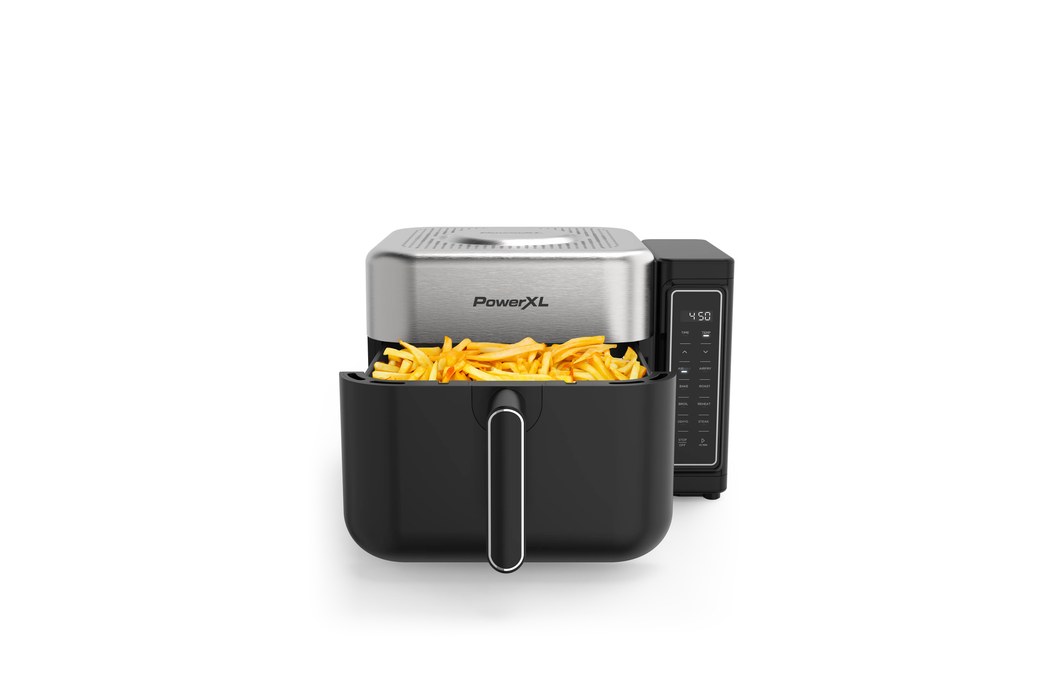
Tristar Products sold the demonstration
A kitchen gadget needs a buyer. Tristar built a business around showing people why they wanted one - and sold its appliance and cookware operation for $325 million.

Roy Seiders and the price of a broken cooler
Before YETI became a badge on a tumbler, Roy Seiders needed an ice chest that could survive his fishing trips. His answer grew out of a Texas family workshop, a boat business and a stubborn objection to buying the same thing twice.
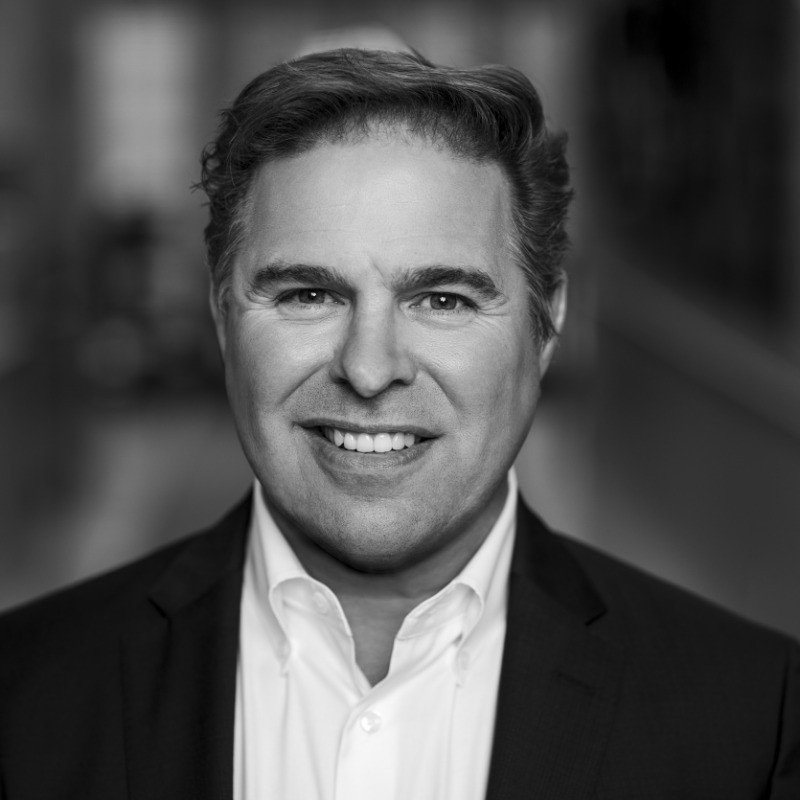
Mike Dennison and the trouble with a dream job
He brought nearly two decades of manufacturing experience to a company whose products he already used. His Fox Factory years tell a story of growth, an ambitious baseball bet and the limits of a dream job.
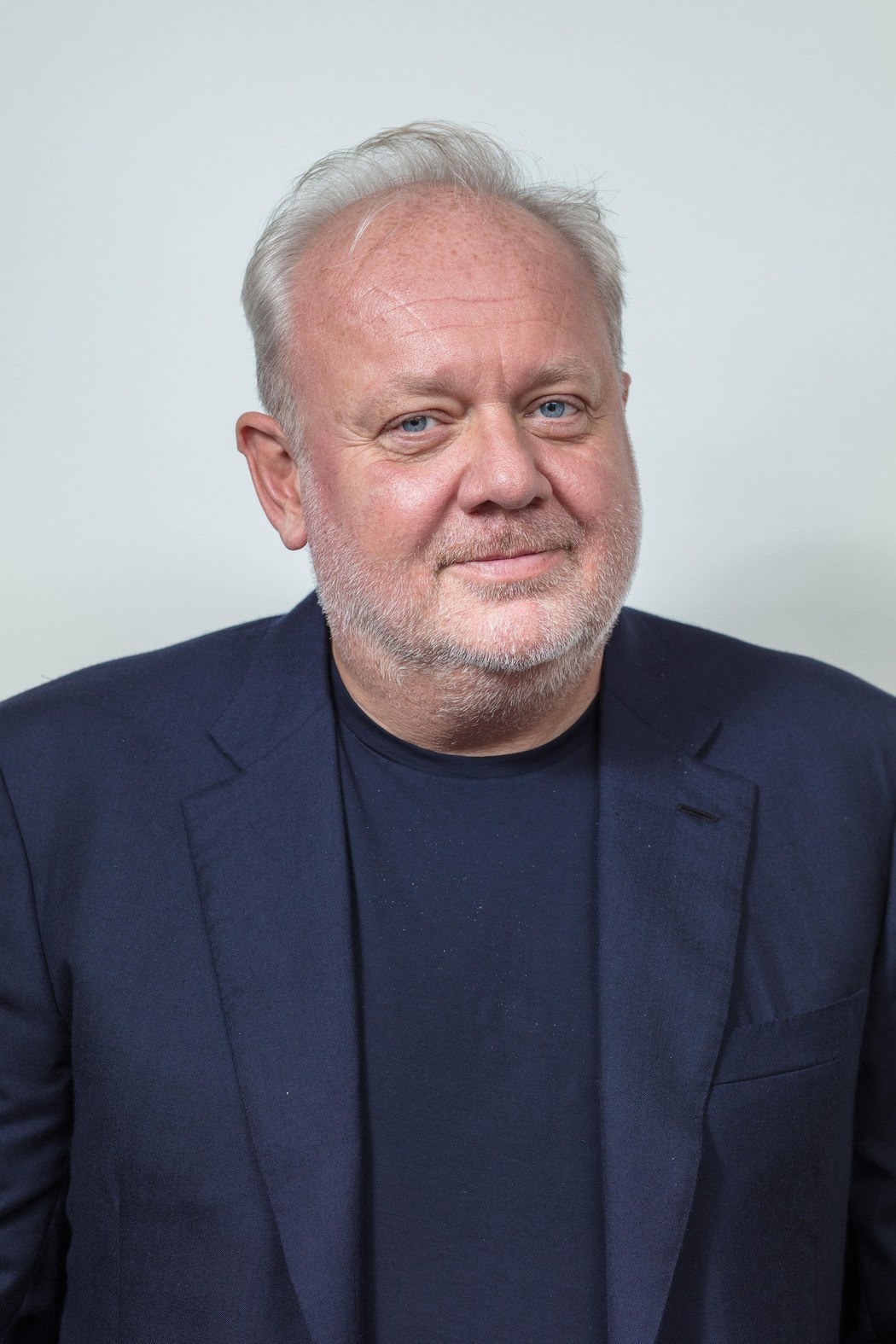
Boris Jordan and the business of being early
From Russian privatization to the cannabis business, Boris Jordan has made a career of entering markets while their rules are still being written. At Curaleaf, the investor has taken the operating chair - and another argument about what comes next.
Worthington’s big idea: own the small things
A torch, a water tank, a ceiling grid. After splitting off steel processing, the former Worthington Industries is building its future around the useful objects people rarely think about.
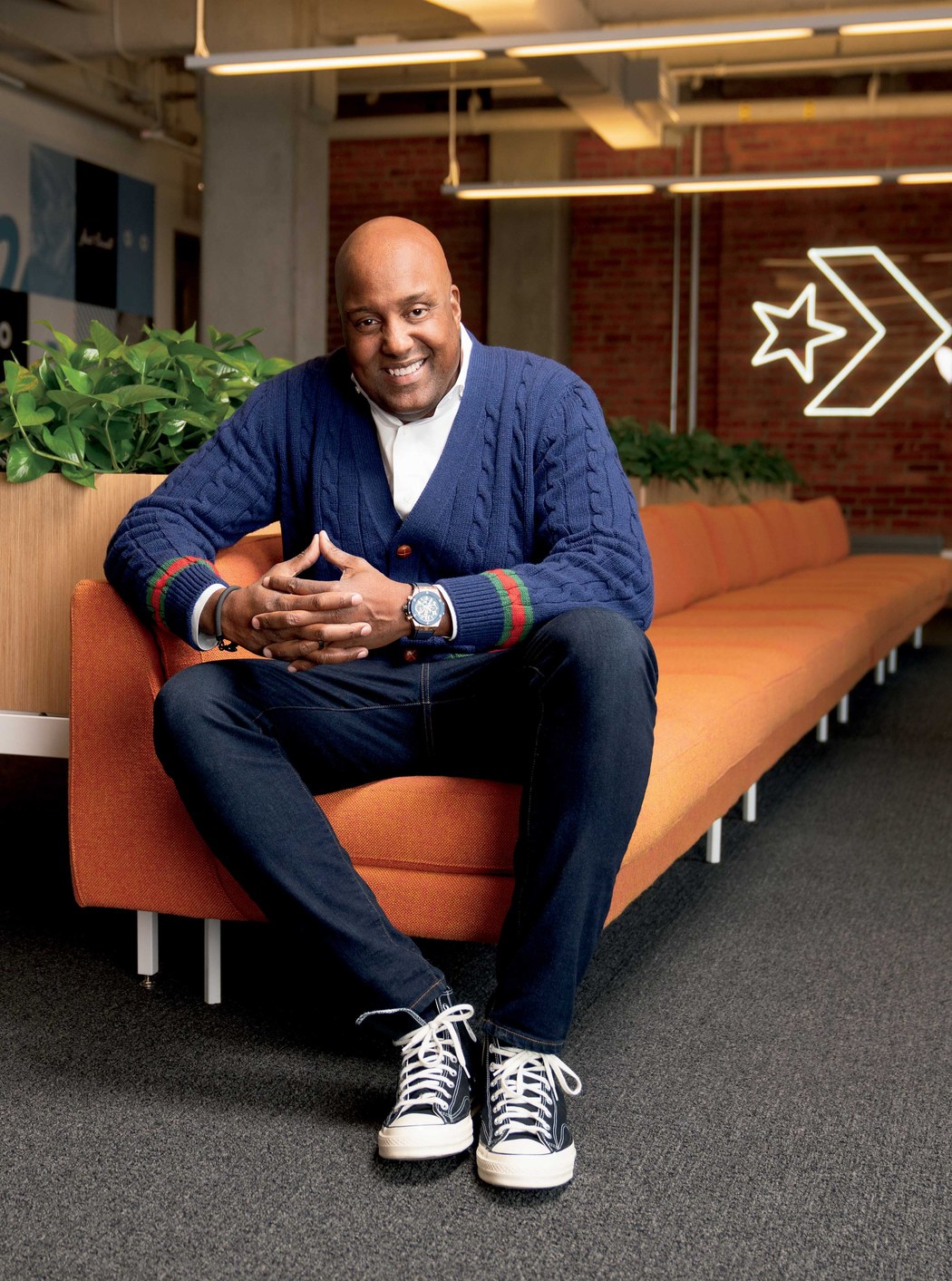
Scott Uzzell and the business of being chosen
From a teenage telephone venture to Converse, Nike and Helen of Troy, Scott Uzzell has built a career around the choices people make about everyday products. His latest assignment puts that experience to work across a houseful of brands.

Jason McDonell and the customer who went away
He helped invite amateurs into Super Bowl advertising. Now the Leslie’s CEO faces a more demanding invitation: persuading customers to come back while the pool retailer restructures.
Keith Mirchandani and the case of the square pan
A microwave gadget, a television partnership, a pan with corners. Keith Mirchandani built Tristar by making ordinary household products worth watching - and then worth buying.

What a Handbag Can Teach a Future CEO
Before Lindsay Wasson Lingle became CEO of WE, she learned how to make a bag. Her route through consumer products, manufacturing setbacks and portfolio marketing gives the family office’s next chapter a practical point of view.
Isaac Larian and the business of being surprised
He came to Los Angeles at 17 and built a career in toys by paying attention to what adults dismissed. From Bratz to L.O.L. Surprise!, Isaac Larian keeps finding reasons to change his mind.

Bath & Body Works sells a reason to come back
The candle burns down. The soap runs out. The season changes. Bath & Body Works built a business around the next visit - and is learning that a familiar scent still needs a fresh invitation.
Marc Tappeiner and the Art of Leaving Things Out
Before founding Lifestyledesign, Marc Tappeiner led product design at BMW Designworks. His work since then keeps returning to a deceptively difficult question: what does an object actually need?
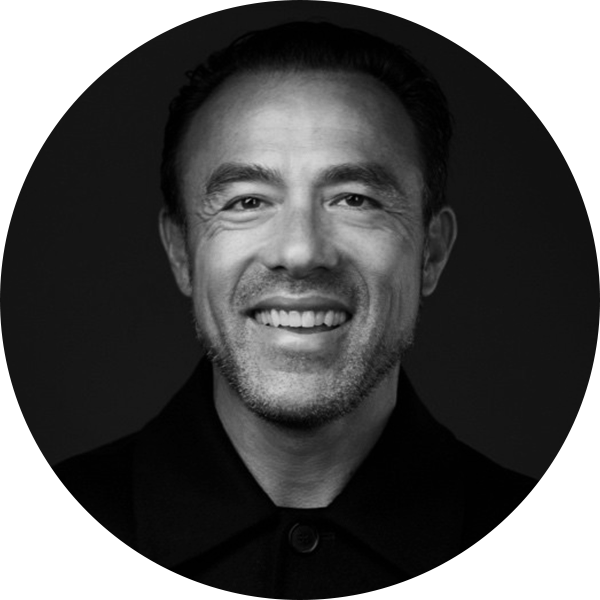
Shae Hong and the color he thought would never sell
Before Beautiful by Drew Barrymore, there were two failed ventures and years of making other people’s products. Shae Hong’s next chapter began with a kitchen aisle that looked too familiar - and a willingness to let someone else choose the green.
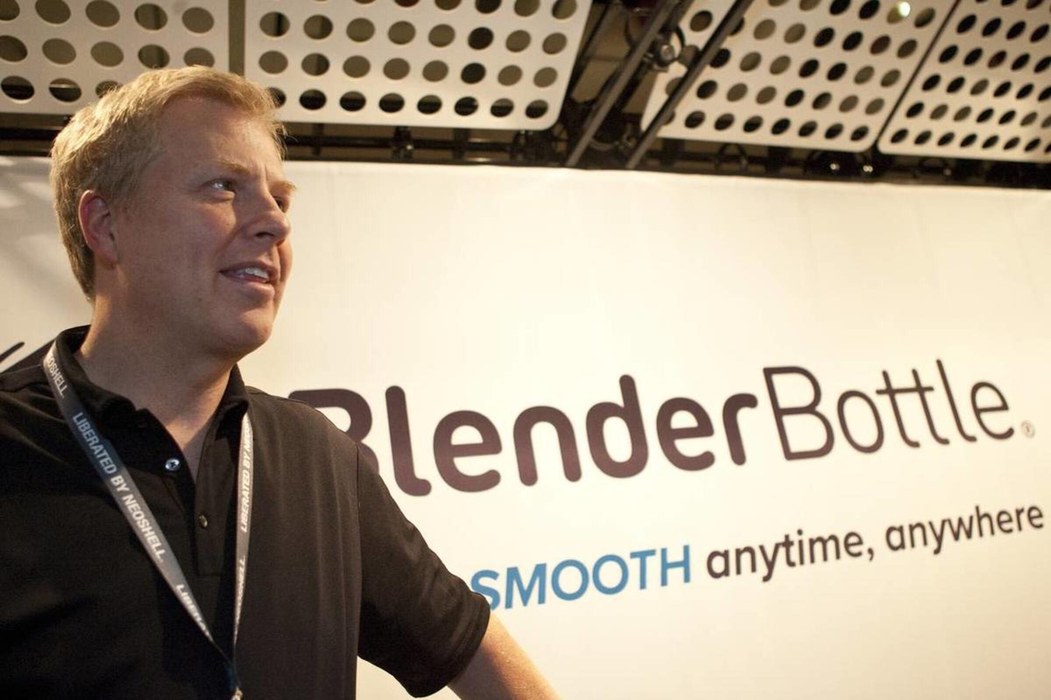
Steve Sorensen and the trouble with an ordinary bottle
A hardware-store wire became the BlenderBall. A closer look at how people drank became FreeSip. Steve Sorensen built a business by noticing what a bottle still failed to do.
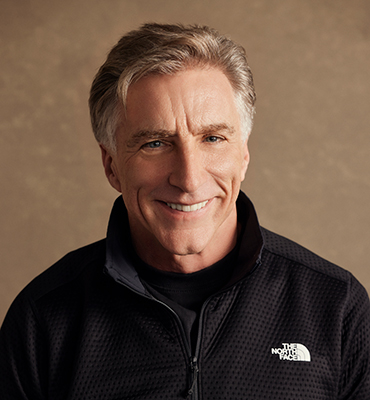
Bracken Darrell and the case for firing yourself
He helped turn Logitech into a design company. At VF Corporation, Bracken Darrell is testing the same restless habit: questioning what a familiar brand could become, including the decisions he made himself.

Tim Cofer and the view from the supermarket shelf
He began by auditing stores. After decades in chocolate, pizza and pet supplies, Tim Cofer is leading Keurig Dr Pepper through an acquisition that will change the shape of the company.
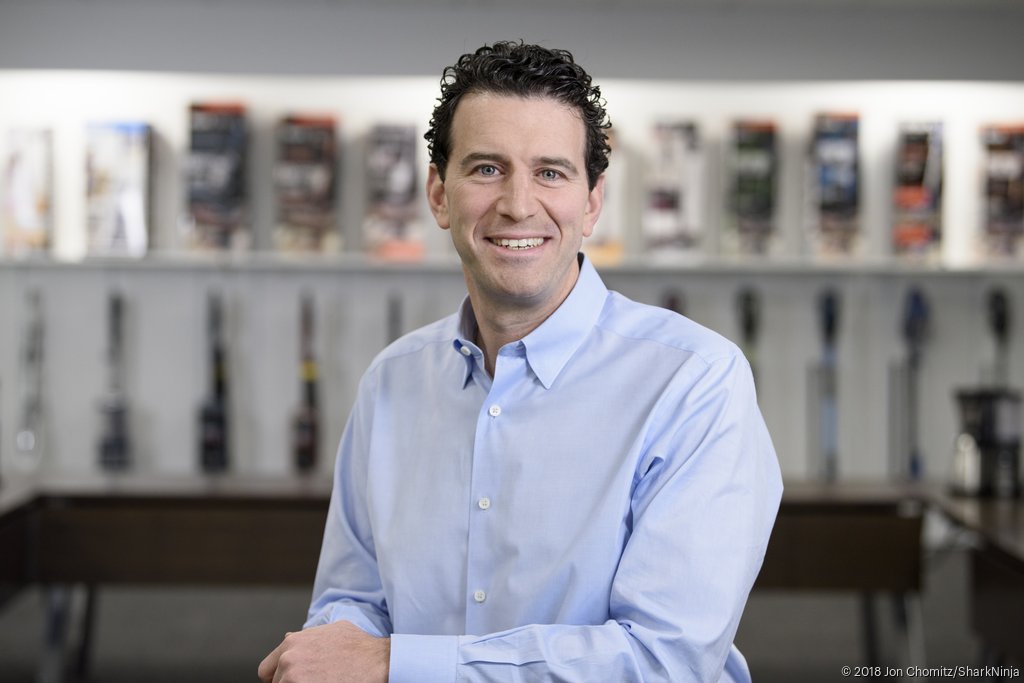
Mark Barrocas and the things we put up with
A tangled vacuum brush. A watery frozen drink. For SharkNinja’s chief executive, the next product often begins with a small annoyance that everyone else has learned to live with.
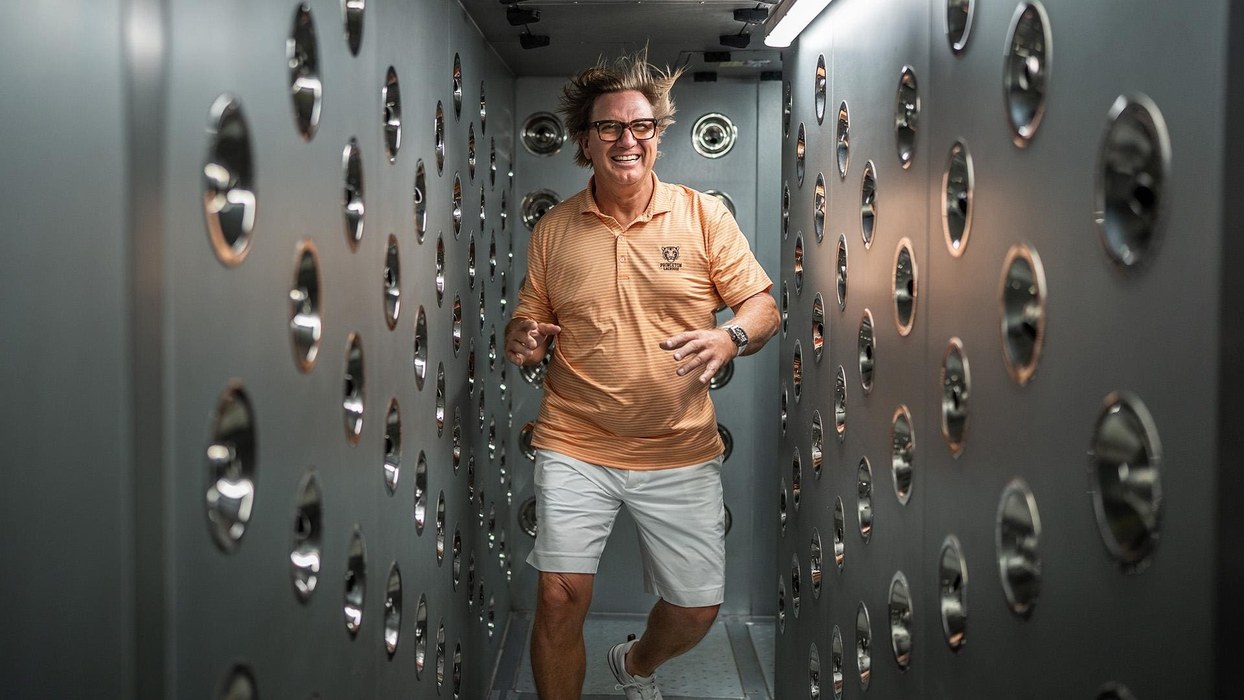
Dave Morrow and the advantage of a bent stick
Before he built Lume Cannabis Co., Dave Morrow built a lacrosse stick that could take a beating. His second business carries the habits of his first: fix the product, learn the factory, and give people a reason to come back.
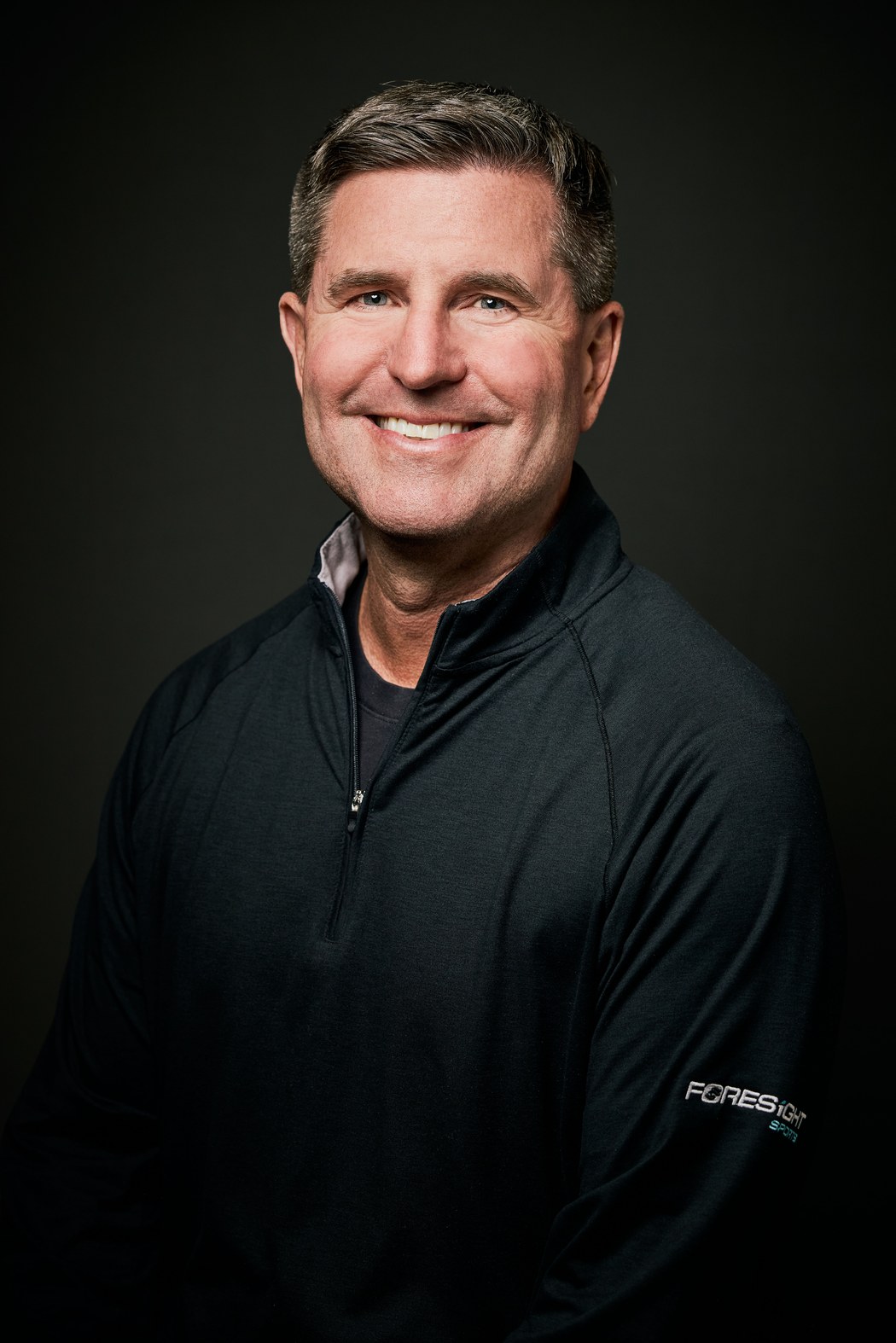
Eric Nyman and the serious business of play
After nearly two decades at Hasbro, Eric Nyman took charge of Revelyst’s outdoor brands. His route from Star Wars toys to golf technology runs through a college basketball court, a fondness for acronyms, and a belief that the people using a product belong in the conversation.
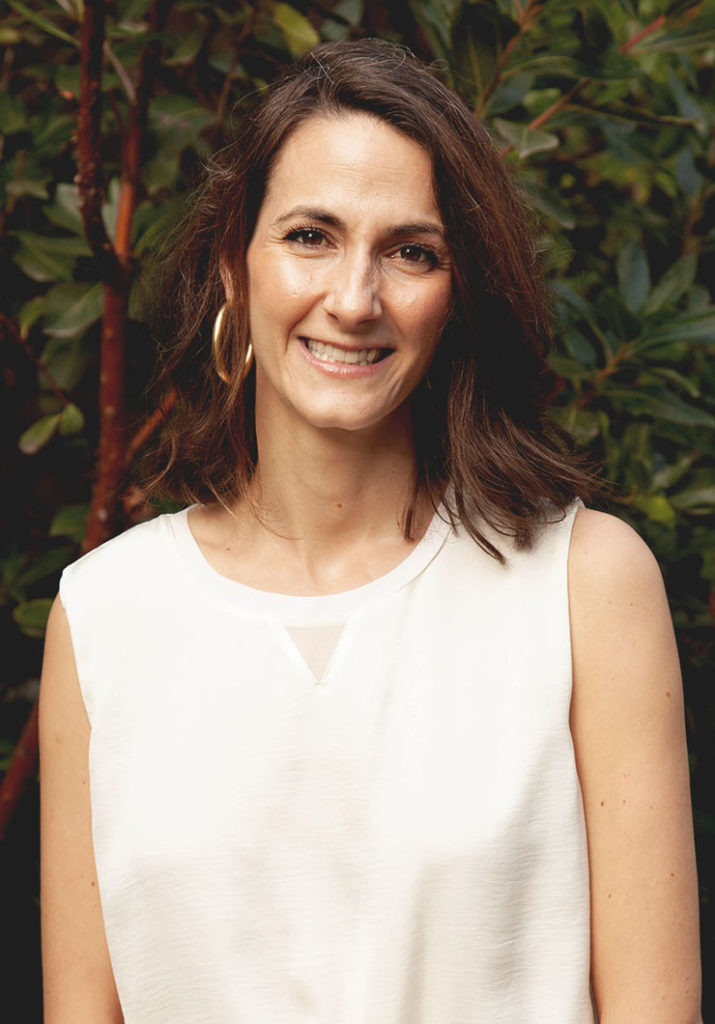
Laurel Angelica Myers and the Art of Making a Promise Hold
At Prima, Laurel Angelica Myers helped turn a new ingredient into a consumer brand with rules, routines and a national retail presence. Her story follows the less photographed work of entrepreneurship, from product development to a supply-chain bet that came undone.
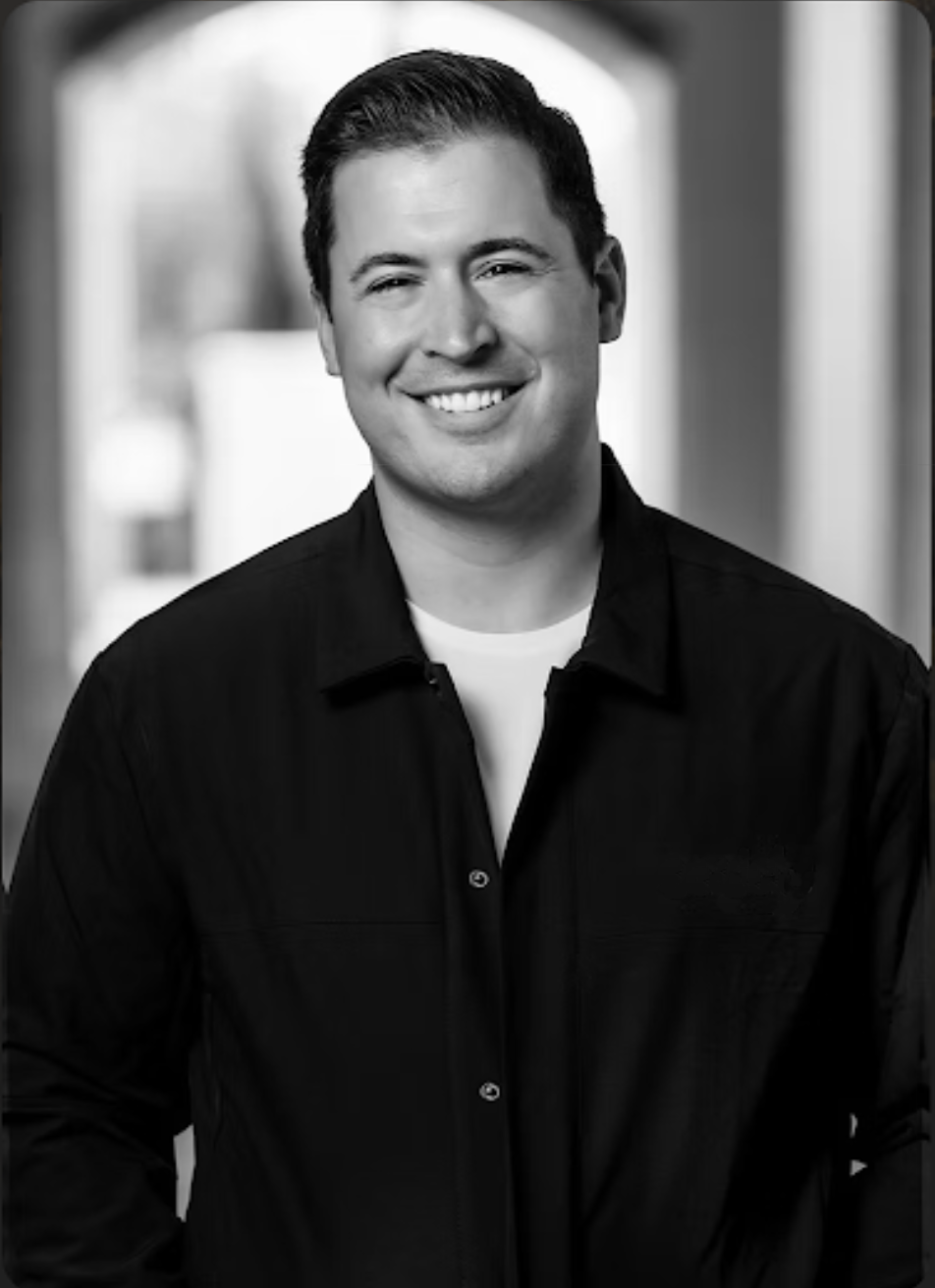
Michael Sirpilla and the art of staying after the sale
The Society Brands co-founder built his acquisition pitch around entrepreneurs who wanted to sell without saying goodbye. From Canton family businesses to a $204 million capital raise, his career keeps returning to the people on the other side of the deal.
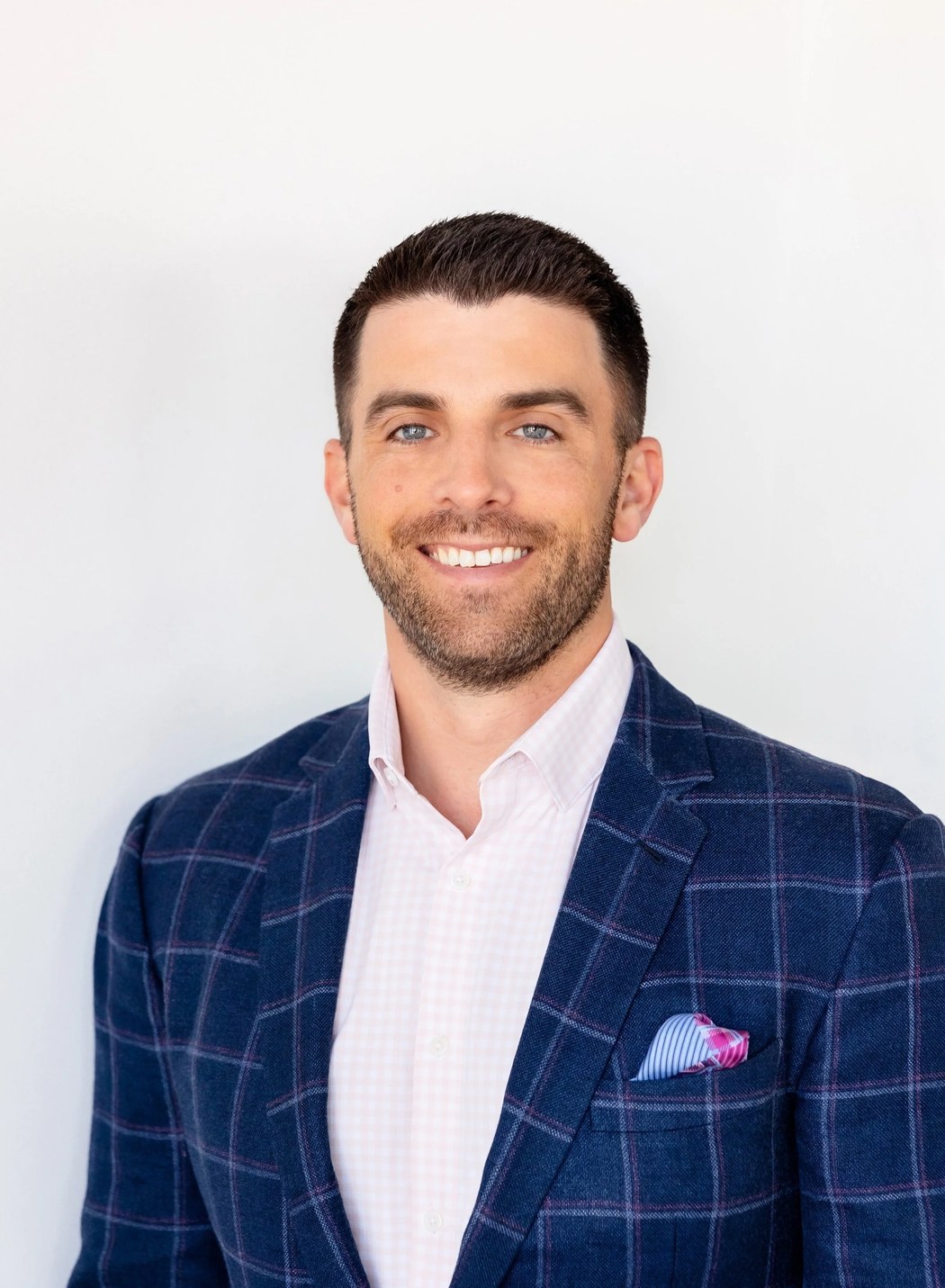
Kevin Lavelle and the trouble with perfectly ordinary things
A dress shirt that moved like a golf polo. A baby monitor that stayed connected. Kevin Lavelle keeps finding business ideas in the small frustrations other people have learned to live with.
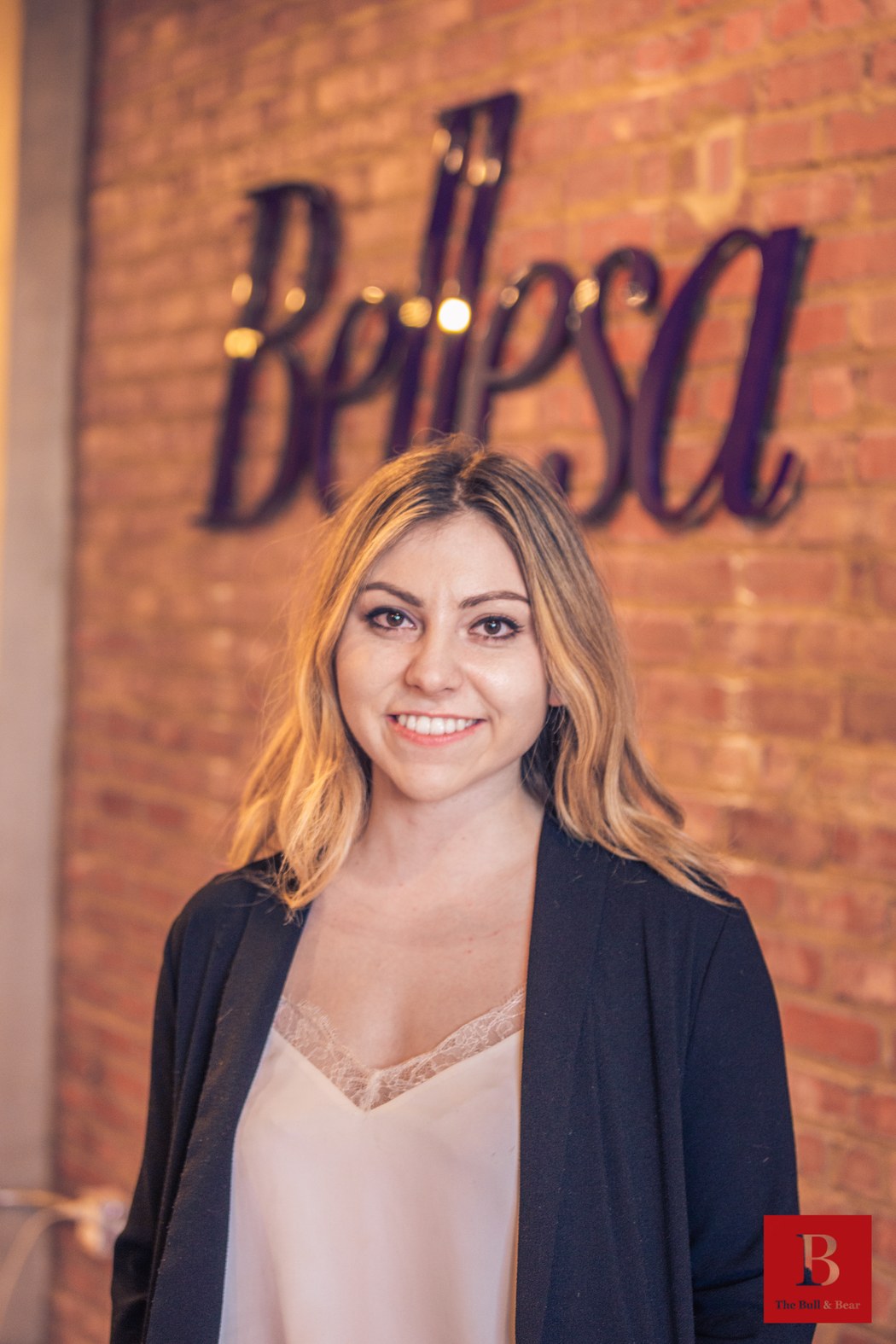
Michelle Shnaidman and the customer who wasn't supposed to exist
An awkward conversation helped send Michelle Shnaidman into adult entertainment. Building Bellesa would teach her that welcoming women meant answering to the people on both sides of the screen.
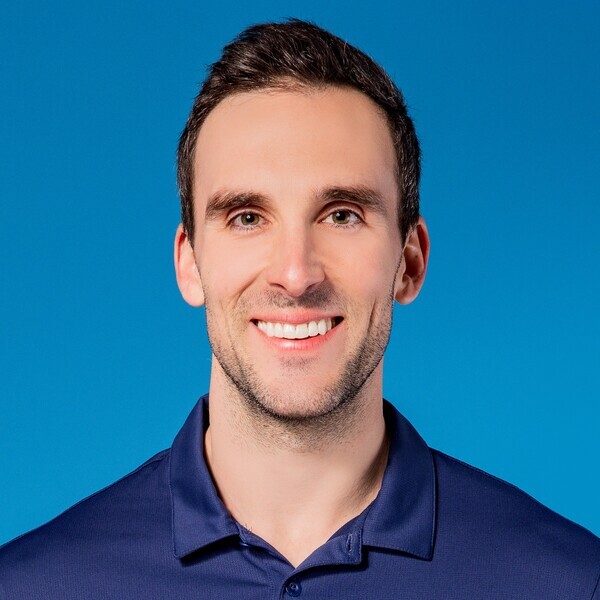
Andy Gay and the Long Way to a Simple Sip
Before Cirkul reached a $1 billion valuation, Andy Gay was taking investor calls between shifts selling shoes. His story turns on a deceptively small question: how much choice can you fit inside a bottle cap?
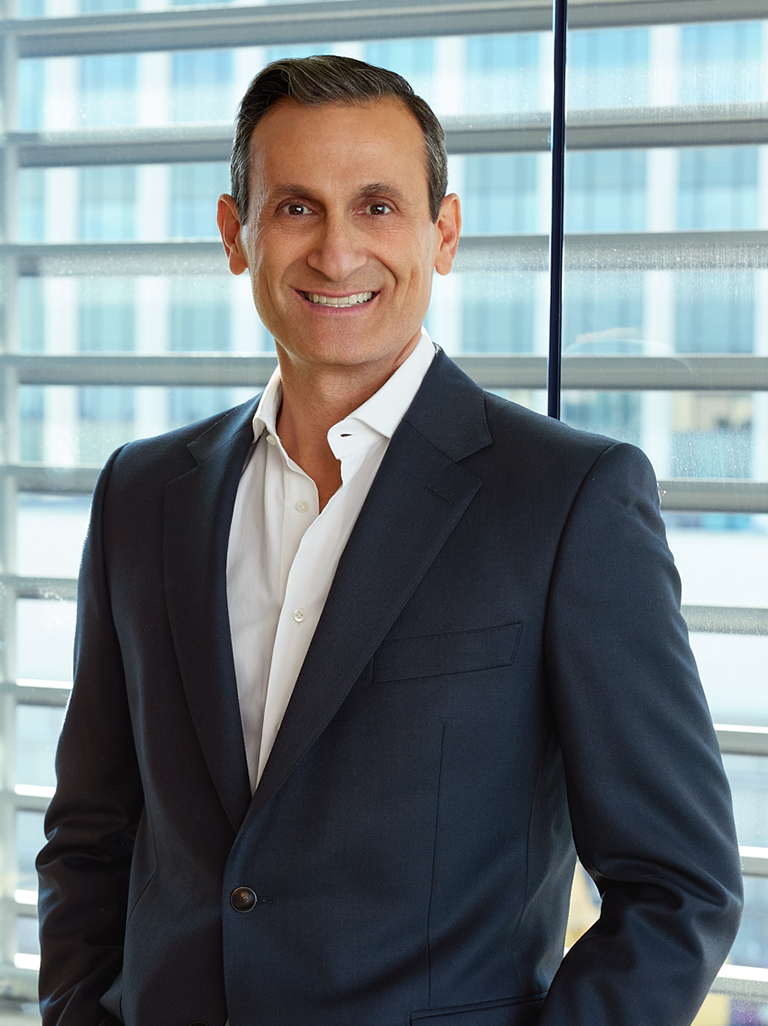
Benjamin Nazarian’s Bet on the Boring Part
An inventor arrived with a loud, unfamiliar device. Benjamin Nazarian brought the business plan - and helped turn Theragun into a company with customers in 60 countries.
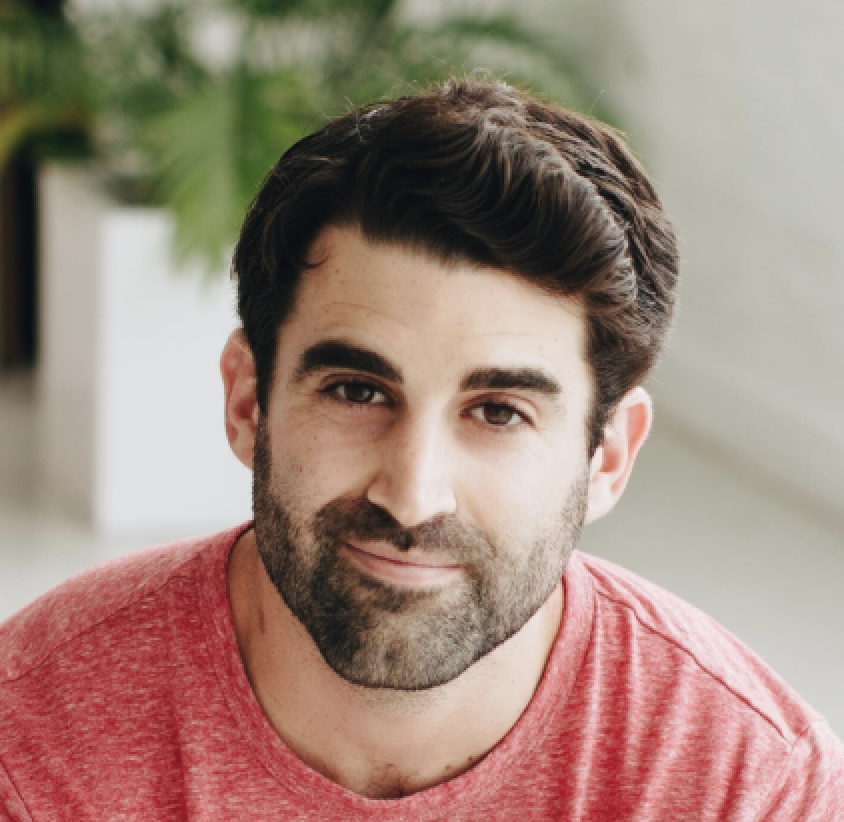
Mike Mayer and the value of a good complaint
An awkward apartment move gave Mike Mayer an idea for Windmill. Learning to welcome awkward feedback helped him turn it into a business.
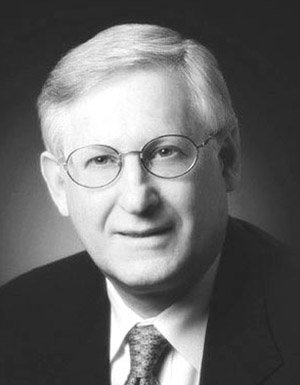
Gerald J. Rubin and the value of somebody else’s name
He co-founded Helen of Troy as a wig business in El Paso and built its reach with names shoppers already knew. The hairdryers, kitchen tools and hometown commitments tell the story of Gerald J. Rubin’s long career.
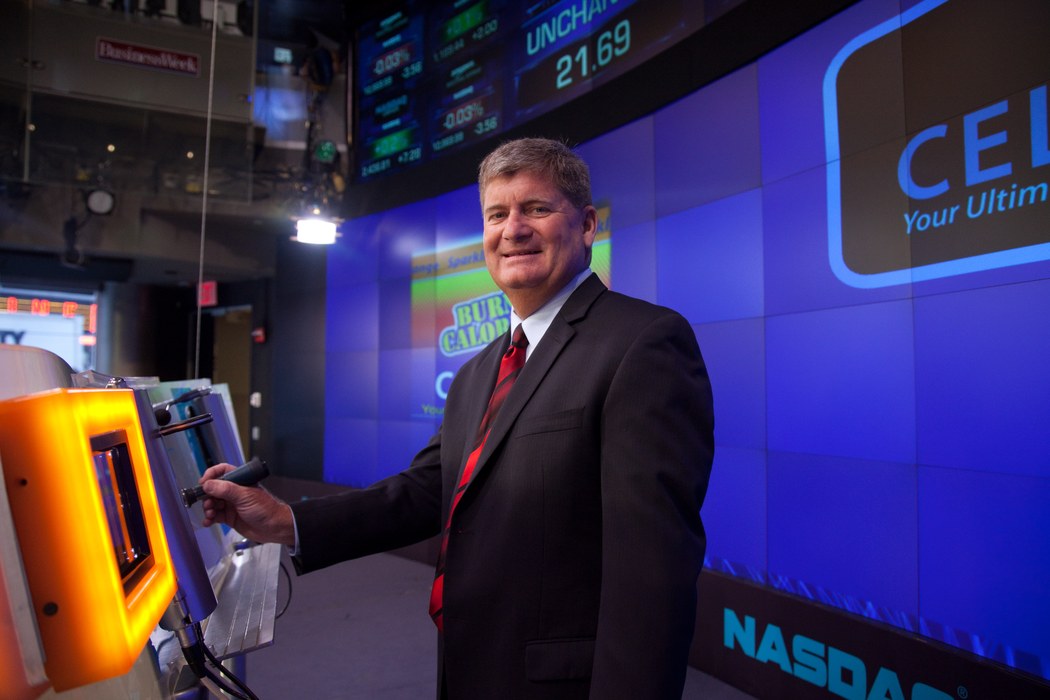
Steve Haley and the trouble with a good idea
Before Celsius, Steve Haley sold software that helped other people move products. Then he put his own drink on the shelf - and discovered how much a founder has to change to keep an idea moving.

Betsie Larkin and the business between two songs
While touring with Armin van Buuren, Betsie Larkin used the gap between performances to sketch garments and talk to factories. Honeylove grew out of a problem she could no longer ignore on stage.
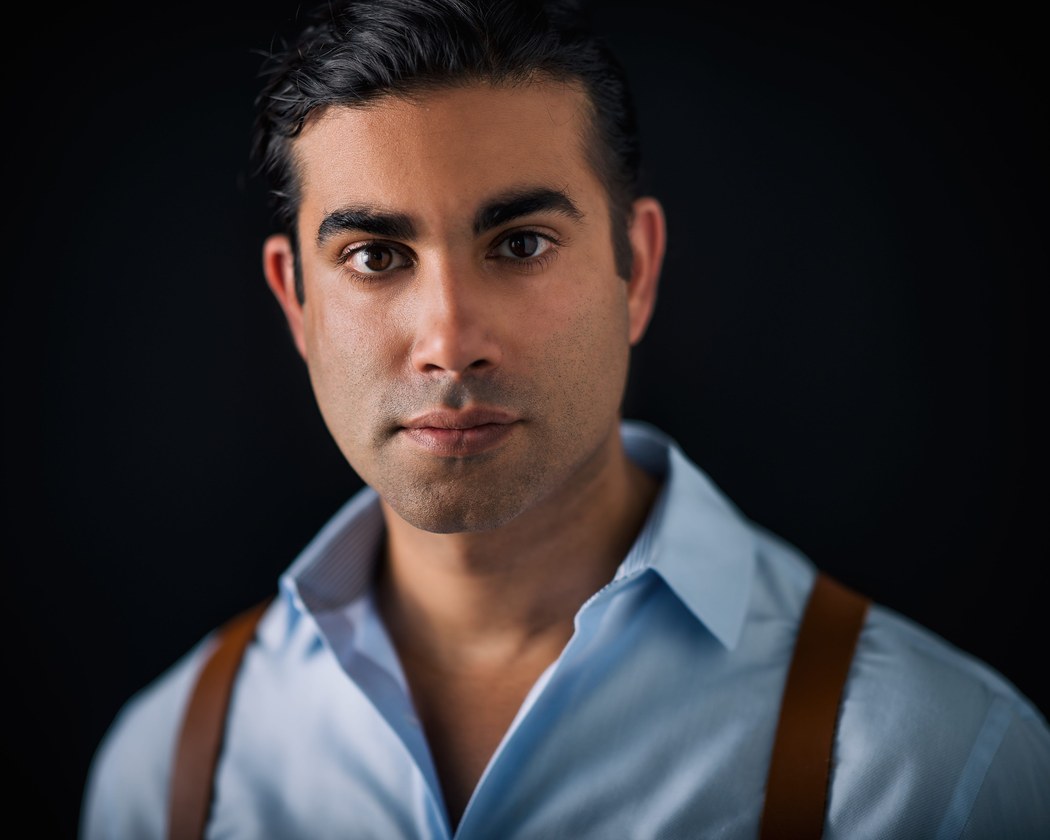
Zahir Dossa and the trouble with the perfect shampoo
Every customer wanted something different. Zahir Dossa took them seriously - and built Function of Beauty around a factory that could do the same.