sports-tech
(37)
Stadia Ventures knows who should take your call
The sports investor pairs startup capital with access to the people who buy, sell and run the games. Its most revealing deal put two portfolio companies to work on the same highlights.

DivInc charges founders nothing. Keeping it free is the hard part.
The Texas nonprofit helps overlooked founders build technology businesses without giving up equity. Its own funding squeeze reveals what that promise takes.
TeamFeePay wants the coach back on the pitch
A Belfast company turned the chore of collecting football subs into a club management business. With £9 million in fresh backing, it is selling volunteers something scarce: time to get on with the game.

The AI Employee Selling Tickets After the Box Office Goes Home
Satisfi Labs started with a food finder. Its customers kept asking for more - fan support, warm leads, ticket checkout and proof that the bot earned its keep. A decade later, the company is selling a managed AI workforce to the places where questions arrive in crowds.

Erik Vank Is Editing the Waiting Out of Sports
A smart lamp, a 2 a.m. hackathon idea and one very sociable pitch night led Erik Vank to a harder question: why does the clip that matters still arrive after the moment has passed?

Tony Knopp Found a Business in a Drawer Full of Unused Tickets
A forgotten stack of Mets tickets revealed a costly corporate blind spot. Tony Knopp turned it into TicketManager - then spent nearly two decades learning that the harder system to build was his own leadership.

The Pocket-Sized Radar Gun That Talked Its Way Into 30 Big-League Dugouts
Three Sonoma County engineers looked at a $1,000 radar gun the size of a hair dryer and asked why anyone measuring a fastball should need either. Fifteen years later their answer sits in 30 major-league dugouts.

Ryzer Turned Camp Paperwork Into Recruiting Data - A Playbook for Founders in Boring Markets
The Iowa company began with envelopes, checks and harried coaches. Nineteen years later, its event network became the missing front door for a college-recruiting platform.

Scrum Ventures Built a Two-Way Door Between Silicon Valley and Japan
The firm writes early-stage checks, then does something harder to copy: it turns Japanese companies, cities and even a baseball village into landing pads for global startups.

The Accelerator That Grew Up and Became Corporate Innovation’s Operating System
Boomtown started by coaching founders. A decade later, it helps large organizations find, test, fund and deploy the ideas their own machinery tends to miss.
HBSE Ventures
HBSE Ventures is built around a useful wager: the best sports-tech investor may be the one that can turn teams, venues and fans into a living laboratory. Its portfolio shows how wide that laboratory has become.

Narrative
Narrative is a San Diego and San Francisco based Y Combinator (Fall 2025) startup building AI-powered infrastructure for sports content creation. Its platform turns live broadcasts into publish-ready highlight clips in under 30 seconds and gives professional video editors an AI editor - described as 'Cursor for professional video editing' - that adds b-roll from transcripts, searches large video libraries in natural language, and batches edits through chat. Narrative sells both an editor product and a video-editing/clipping API to broadcasters, teams, and leagues.

Lucra
Lucra is a B2B competitive-loyalty platform that lets brands run live social competitions - tournaments, head-to-head challenges and mini-games - inside their own apps and websites through a white-label SDK. Originally launched in 2019 as a peer-to-peer real-money sports gaming app, the company pivoted to selling gamified engagement as a modern alternative to points-based loyalty programs, handling compliance, payments and fraud as a merchant of record. Its clients include Dave & Buster's, Five Iron Golf, TouchTunes and ChessKings, and in April 2026 it raised a $20M Series B led by ARK Invest's venture fund - ARK's first time leading an early-stage deal.

Dylan Robbins
Dylan Robbins is the founder and CEO of Lucra, a New York-based company that gives brands a white-label software kit for running peer-to-peer, real-money gaming and competitions inside their own apps. A former Goldman Sachs and AQR analyst with a Stanford MBA and a Duke undergraduate degree, Robbins started Lucra in 2019 with co-founder Michael Madding after the two spent years informally tracking sports wagers with friends. He pivoted the company from a consumer app to a B2B2C SDK in 2023, and in 2026 raised a $20M Series B led by ARK Invest - the fund's first lead investment in a non-AI startup.

SeatGeek
SeatGeek is a New York-based ticketing company that runs a mobile-first marketplace for live sports, concerts and theater alongside an enterprise platform that powers primary ticketing for teams, leagues and venues. It is best known for Deal Score, an algorithm that rates every listing by price and seat value, and it competes with Ticketmaster and StubHub across both the primary and secondary ticket markets.

Alex Kerr
Alex Kerr is the CEO and founder of Trajektory, a Chicago-based sponsorship analytics platform he started in 2020 to fix the broken, incomplete data that sports rights holders and brands relied on to value their partnerships. A former baseball player at Kenyon College and business intelligence leader at Monumental Sports & Entertainment, Kerr built Trajektory's first product in Tableau before turning it into an AI-driven platform that now tracks more than $180 billion in annual sponsorship value and works with roughly half of the major professional teams in North America. In May 2026 the company raised $8 million to expand its engineering, sales, and AI capabilities.
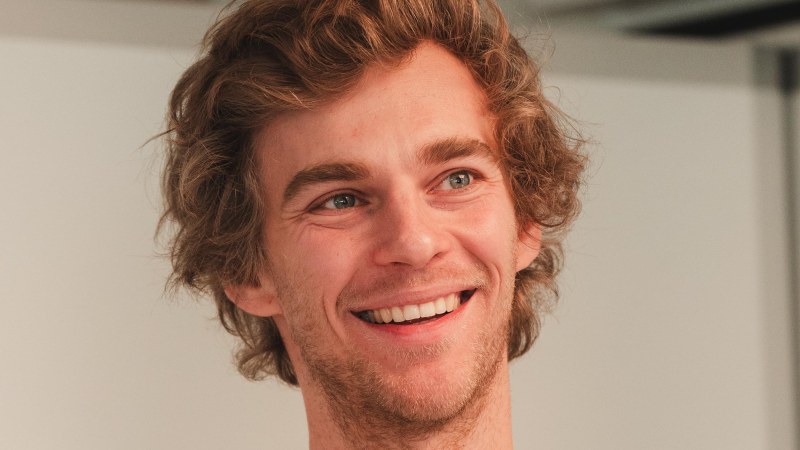
Victorien Tixier
Victorien Tixier is the co-founder and CEO of ScorePlay, a New York-based sports-tech company whose AI platform ingests, tags, and distributes the flood of photos and video that pro teams generate every game day. He built it after an internship at a five-a-side soccer chain turned into a home-grown video-recording business, then a first company called Hydra, and finally ScorePlay in 2021 with engineer Xavier Green. By 2025 more than 300 sports organizations - from the NBA and Premier League to the NWSL - ran their media operations on it, and the company raised a $13M Series A backed by Giannis Antetokounmpo, Alex Morgan, Nico Rosberg, Alexis Ohanian's Seven Seven Six, and Harry Stebbings' 20VC. Tixier and Green made the 2025 Forbes 30 Under 30 Sports list.

Movemint
Movemint is a San Francisco software company building a modern operating system for endurance events. Founded in 2024 by former Strava engineering leader Zack Isaacs and designer Taylor Peliska, it gives race organizers one hub for registration, e-commerce, timing, results, email marketing, volunteers, and sponsors, while giving athletes a social, Strava-connected place to sign up, share results, and celebrate friends. It has grown fast, tripling its business roughly every quarter since launch, and now powers hundreds of events worldwide.

MOVRS
MOVRS is a San Francisco- and Los Angeles-based AI and computer vision company building vision models that understand how people move and interact in the real world. It turns ordinary video into high-fidelity 3D human data and biomechanical measurements - no bodysuits, no marker dots, no camera arrays - and applies that data to sports storytelling, athlete training, and machine-learning datasets for industries from healthcare to robotics.

Mustard
Mustard is a Los Angeles-area sports-tech company that puts elite athletic coaching in an app. Using AI and computer vision, it analyzes ordinary smartphone video of a pitcher's throwing motion or a golfer's swing, compares it against a decades-deep biomechanics database, and returns a report card plus a personalized drill plan. Co-founded by legendary throwing coach Dr. Tom House, the company aims to make world-class, data-driven coaching accessible to any athlete, starting with baseball and golf and expanding toward other sports.

OTTO SPORT AI
OTTO SPORT AI is a Minneapolis-based startup building an AI-powered operating system for youth sports. Founded by veterans of SportsEngine, TeamSnap, NCSA, and FloSports and led by CEO Luke Zaientz, it consolidates fragmented tools for club management, league and tournament operations, ticketing, and athlete recruitment into one platform. Its flagship AI product, OTTO PILOT, answers parent and athlete questions from an organization's own knowledge base to cut administrative workload. The company launched publicly in January 2026 with $16.5M in seed funding and three strategic acquisitions.
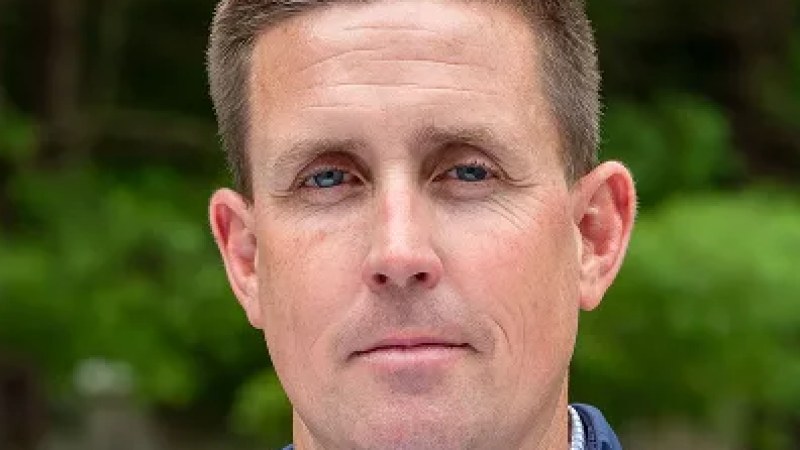
Jimmy McCloud
Jimmy McCloud is the Founder & CEO of DISTINCT Technologies, a live data intelligence platform that helps global brands capture and act on consumer data at live events - concerts, sports activations, fan zones, and brand experiences. With a career spanning MLB Advanced Media (where the team built what became Disney+), Entercom/Audacy (as EVP of National Business Development), and Division I baseball at Holy Cross, McCloud brings a rare combination of sports media pedigree and enterprise sales acumen to solving one of marketing's oldest problems: making live brand moments measurable. DISTINCT raised a $3.5M seed round in June 2024 led by York IE.

Joe Chin
Joe Chin is the Co-Founder and CEO of Sparrow, a New York-based sports AI startup using edge AI and computer vision to analyze athletic motion in real time. A 4x serial entrepreneur with 22+ years of leadership experience and three prior exits, Joe built Sparrow around a simple observation: golfers forget lessons the moment they leave the range. Sparrow's flagship golf app has helped 250,000+ golfers analyze their swing against a dataset of 1 million pro golf data points, delivering instant, personalized feedback via smartphone. The company has raised $8.27M in total funding and is expanding into soccer, basketball, and other major sports.

Bennett Fisher
Bennett Fisher is the CEO of Pelotero, a player-intelligence platform that turns smartphone video and bat-sensor data into personalized training for baseball and softball hitters. A self-described 4X tech entrepreneur and category builder, he previously founded and exited Retroficiency (energy analytics, acquired by ENGIE Insight) and Pulsify (people analytics, acquired by Hire Technologies), and served as COO of Paceline. An MIT Sloan MBA, he now applies a career spent making messy data useful to the question of why most young athletes never find out how good they could be.

Chris O'Dowd
Chris O'Dowd is the co-founder and CEO of WIN Reality, an Austin-based virtual reality training platform for baseball and softball hitters. A former professional catcher who played six seasons in the minor leagues after starring at Dartmouth, he built WIN Reality with his father, longtime MLB executive Dan O'Dowd, to close the gap between practice speed and real game speed. The Meta Quest-based product lets players face game-speed pitching from a library of thousands of real pitchers, and is now used by youth players, more than 200 colleges, and a majority of MLB franchises. The company raised a $45M+ round led by Spectrum Equity in June 2022.
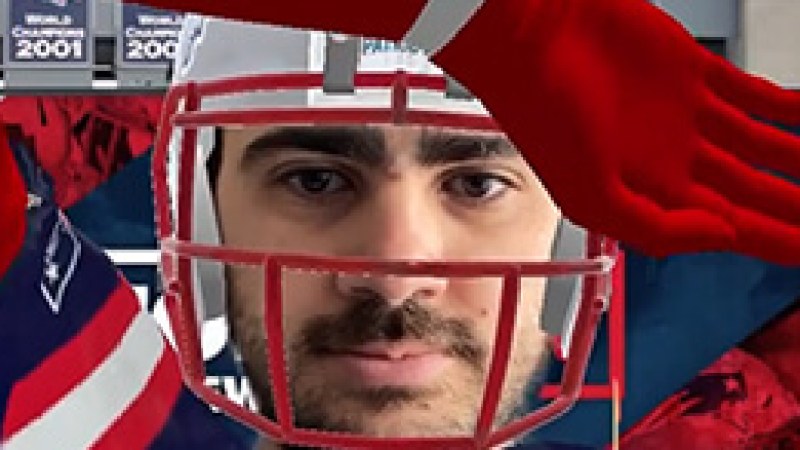
SportsManias
SportsManias is a Miami-based digital media company and the self-described leader in animated sports emojis, GIFs, and augmented reality effects. It builds officially licensed emojis and AR filters of pro athletes and their signature celebrations, distributing them across messaging keyboards and platforms like Instagram, Facebook, TikTok, Google, and GIPHY, while also running a real-time sports news app powered by patent-pending AI. Through partnerships with leagues, players associations, and major brands, the company turns fan passion into shareable, monetizable digital content.
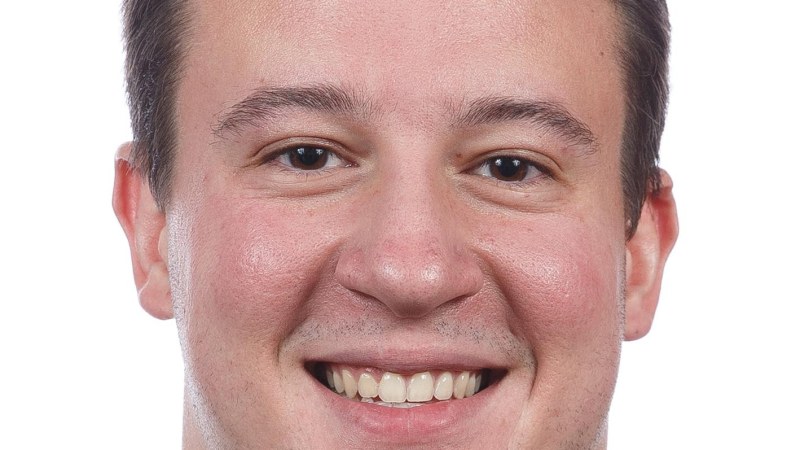
Lewis Burik
Lewis Burik is the co-founder and CEO of DubClub, a Chicago-based platform that connects amateur sports bettors with vetted professional handicappers, or 'cappers,' through subscriptions delivered by text, email, and Discord. A former Stanford inside linebacker who walked on to the Cardinal, Burik started DubClub in 2021 with two college teammates after watching a friend struggle to find trustworthy betting picks online. The company has since grown to roughly 1.5 million fans, crossed $95M+ in lifetime GMV, and raised a $7.5M Series A led by Renegade Partners in 2024, turning a fragmented corner of the creator economy into a profitable marketplace.

Nan Wang
Nan Wang is the co-founder and CEO of Sleeper, the fantasy sports platform built like a group chat that grew to millions of daily users almost entirely by word of mouth. He left a private equity career in Hong Kong to build a sports product that is social at its core, turning a 20-year fantasy league among childhood friends into a company backed by a16z, General Catalyst, and athletes like Kevin Durant and Klay Thompson. Under Wang, Sleeper expanded from fantasy football into the NBA and fantasy esports, drawing an unusually large share of women and casual fans to a category long dominated by ESPN and Yahoo.

WIT
WIT is a New York-based gamification and digital activation platform that helps pro sports teams and Fortune 1000 brands turn casual fans into engaged, identifiable participants. Through a library of 30+ turnkey experiences - giveaways, polls, brackets, vote-to-win, fan maps and fan walls - WIT collects first-party data, sources authentic fan content, fulfills sponsor obligations and drives revenue. Founded in 2018 by Vaidhy Murti, it now powers activations for roughly 100 venues, leagues and teams across the NFL, NHL, NBA, WNBA, MLB, MLS, NWSL and NCAA, plus brands like Coca-Cola and Bud Light.

Trajektory
Trajektory is a Chicago-based sponsorship intelligence platform that helps teams, leagues, brands, and agencies measure the value of every sponsorship asset - digital and non-digital - in one place. Using AI logo detection and data aggregation across broadcast, streaming, social, in-venue signage, email, web, and mobile, it turns months of manual recap work into real-time, auditable reporting. The platform tracks more than $180 billion in annual sponsorship value and works with roughly half of major North American pro teams.