In 2008, a telecom engineer named Robert Wang lost his job when the Canadian company Nortel was collapsing. He did not pivot into another networking role. He decided the pressure cooker - a device that had barely changed in decades and scared half the people who owned one - was a computer science problem. Add a microprocessor. Add sensors. Add a control panel that a nervous cook could actually trust. He and a small group of former colleagues founded a company in Ottawa called Double Insight, and in 2010 they quietly listed the first Instant Pot on Amazon.
What happened next is one of the strangest growth stories in consumer hardware. The Instant Pot became a genuine cultural object - a countertop appliance with a fan base that named itself, wrote it recipes, and defended it in the comments. It did that with almost no traditional advertising. And then, years after the founder had handed over the keys, the same beloved product ended up in a Texas bankruptcy court. Both halves of that story are worth studying, because they teach opposite lessons about how value gets built and how it gets extracted.
What the company actually is01A multicooker company, now standing on its own
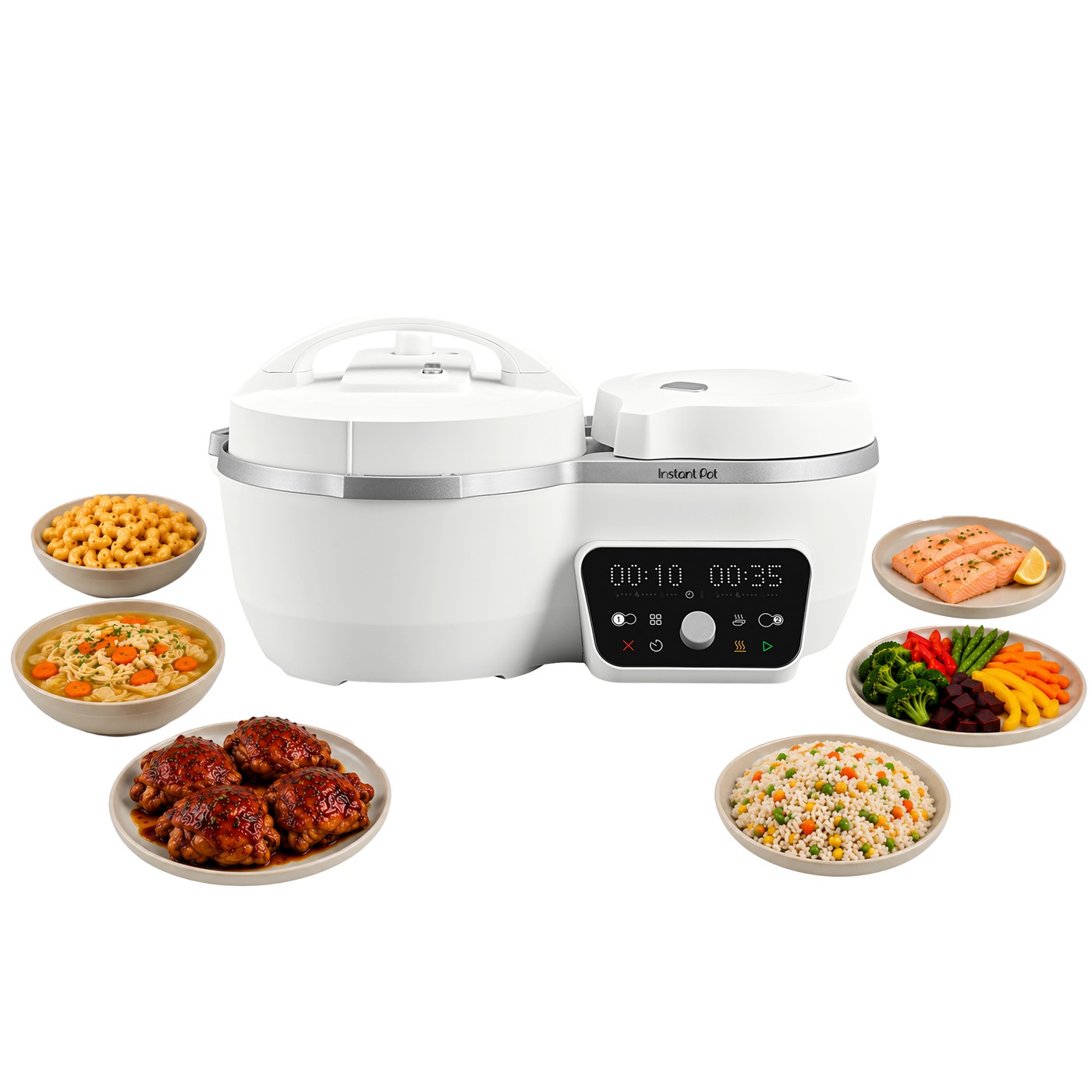
Instant Pot Brands is the appliance business behind the Instant Pot multicooker and the Instant Vortex line of air fryers. The flagship is a single countertop unit that folds a pressure cooker, slow cooker, rice cooker, steamer, saute pan and yogurt maker into one programmable box - the pitch being that it replaces a cupboard full of single-use gadgets. The company runs a direct storefront at instantpot.com and sells heavily through Amazon, Walmart and Target, with roughly 240 people on the appliance side and a home base in Downers Grove, Illinois.
The corporate name is doing some quiet work. "Instant Brands" once meant the appliances and a housewares group - Pyrex, Corelle, CorningWare - under one roof. After the 2023 restructuring, those split into two independent companies owned by the private equity firm Centre Lane Partners. The appliance side now does business as Instant Pot Brands; the dishware side reverted to Corelle Brands. This page is about the appliances.
02The people who named themselves 'Potheads'
The Instant Pot's customers are home cooks - families looking to get dinner on the table faster, batch-cookers, beginners intimidated by a stovetop pressure cooker. What made them unusual is that they organized. The company-run Facebook group, "Instant Pot Community," grew past three million members, at times generating something on the order of 15,000 posts a day. Across all Instant Pot accounts, the follower count runs into the millions. Fans nicknamed themselves "Potheads" and posted everything from cheesecake to dog food to Thanksgiving turkeys.
That community was not a nice-to-have. It was the marketing department, the customer support desk and the recipe-content engine, all staffed by customers for free. When someone bought an Instant Pot and did not know what to do with it, another owner answered before any company rep could. That is the part founders should stare at.
The problem it solves03Fear, clutter, and the weeknight clock
Three problems, really. Fear: traditional stovetop pressure cookers had a reputation for exploding, and the Instant Pot leaned hard into safety features and automatic controls to defuse that. Clutter: instead of a slow cooker, a rice cooker and a steamer, you bought one appliance. And time: a programmable multicooker turns a long braise into a set-it-and-walk-away task. The value proposition was legible on a shelf without a salesperson explaining it - which is exactly why word of mouth could carry it.
04The playbook, spelled out
Here is what they actually did, in order a reader could copy. One: build a single hero product and make it genuinely better than the incumbent, not marginally cheaper. Two: seed free units to food bloggers and celebrity chefs, so the first wave of reviews reads as authentic enthusiasm rather than paid placement. Three: create a Facebook group, not just a page, so customers talk to each other and the brand becomes a place people go rather than a feed they scroll past. Four: skip TV and print almost entirely and pour that budget back into engineering. The compounding effect - recipes attract cooks, cooks post results, results attract more cooks - is what turned a niche gadget into a Prime Day fixture.
05From one pot to a full shelf
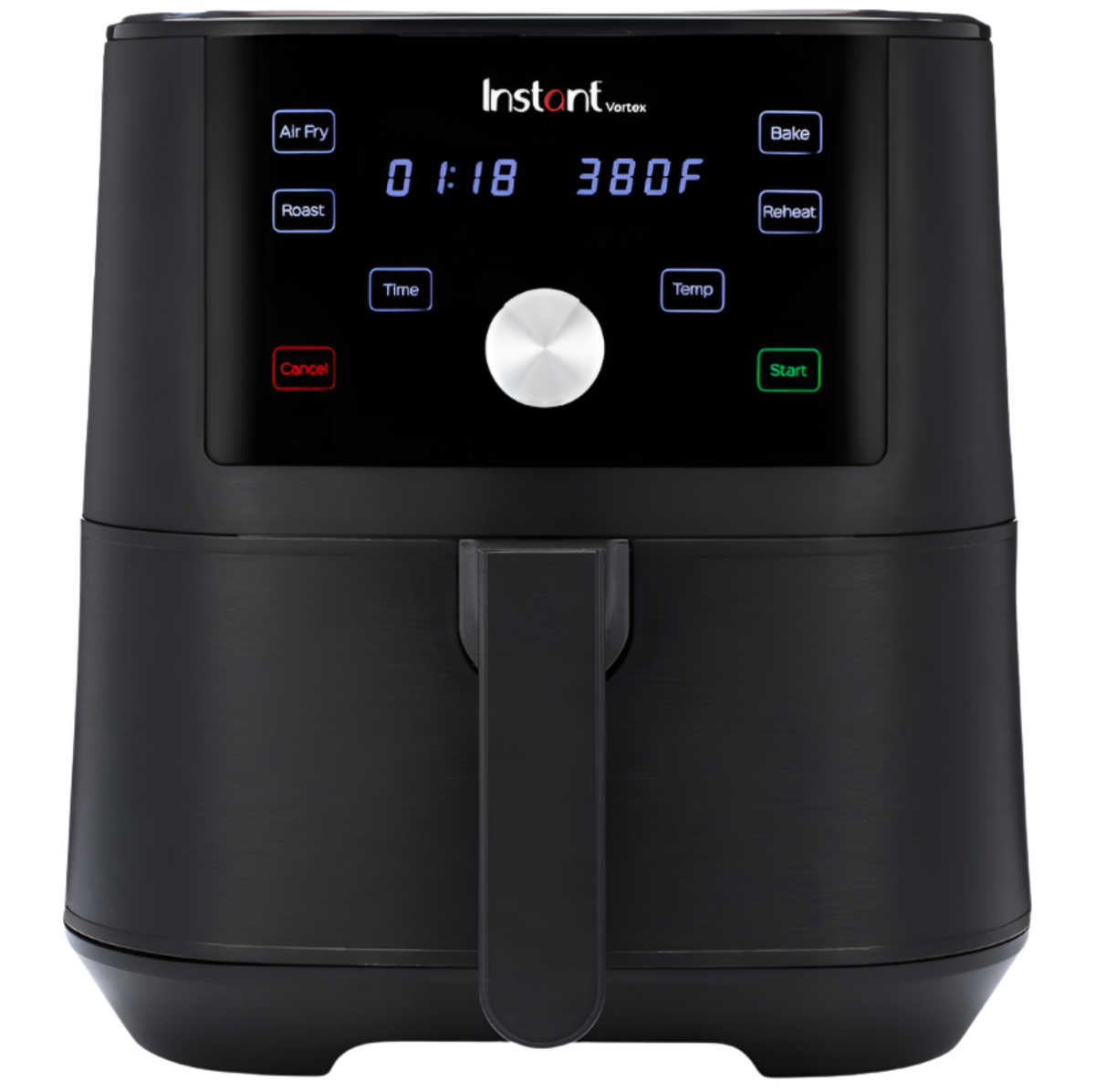
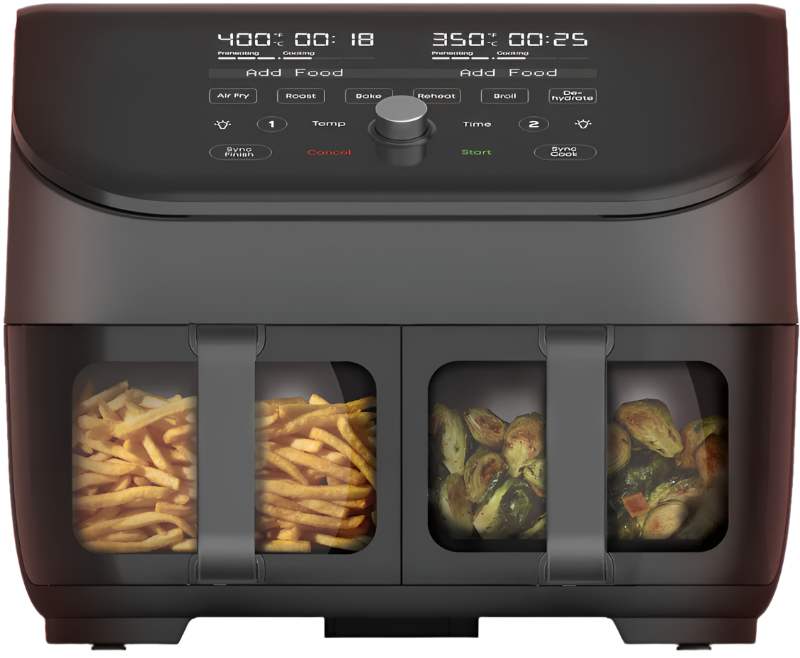
The portfolio now runs well past the original. The Instant Pot itself spans the Duo, Lux, Pro, Pro Plus and RIO lines. The Instant Vortex air fryers include dual-basket models with a clear cooking window, "EvenCrisp" technology and sync features that finish two foods at the same time. Smart models connect to the Instant Connect app for remote start and a library of recipes. In August 2025, under new ownership, the company launched a compact Mini Line - a 4-quart multicooker, a mini air fryer and an air-fryer toaster oven - in pastel colorways, aimed at small kitchens and single-person households.
06Sell the hardware, keep the community
The money comes from selling physical appliances and accessories through a blend of direct-to-consumer and retail channels. The company owns the relationship through its store and its app, but the volume has always run through Amazon and big-box retail. It is, at heart, a durable-goods business - and that is the quiet catch. A great pressure cooker is bought once. The repeat-purchase rate on a device built to last years is low, which means a viral peak does not automatically repeat. The app and recipe ecosystem exist partly to keep owners engaged between the rare moments they buy something new.
What went wrong07The product was fine. The balance sheet was not.
This is the part that surprises people. The Instant Pot did not fail because customers fell out of love with it. It failed on paper. In 2019, Cornell Capital merged Instant Brands with Corelle in a deal that valued the appliance business near $615 million. In 2021, the owners took a $450 million term loan and used cash to fund a $345 million dividend to themselves. When the pandemic cooking boom faded, the multicooker category contracted sharply, and inflation and rising rates squeezed shoppers, the company was left carrying roughly $512 million in debt with far less cash coming in. In June 2023, Instant Brands filed for Chapter 11.
The anatomy of the collapse
- 2019 - Leveraged merger with Corelle under Cornell Capital; valued near $615M.
- 2021 - $450M term loan helps fund a $345M dividend to owners.
- 2022 - Post-pandemic demand normalizes; the multicooker category falls hard.
- June 2023 - Chapter 11 filing with ~$512M in funded debt.
- Late 2023 - Centre Lane Partners buys the appliance division out of bankruptcy.
In November 2024, a bankruptcy trustee sued Cornell Capital over that 2021 dividend, arguing the owners had extracted cash that the business needed to survive, and seeking more than $400 million for creditors. Cornell called the suit baseless. Whatever a court decides, the sequence is the lesson: the people who built the value and the people who captured it were not the same, and the structure they left behind had no margin for a bad year.
08The competitors and the comeback
The category the Instant Pot arguably created is now crowded. SharkNinja's Foodi line took direct aim at both the multicooker and the air fryer. Crock-Pot, Cuisinart, Breville, Philips and Cosori all crowd the same shelves. Instant Pot Brands enters its second act as a standalone company under Centre Lane, with new leadership installed in 2024 and the Mini Line as its first big product statement under the new owner. The brand recognition is still enormous and the community is still there. The open question is whether lightning strikes twice in a Facebook group - or whether the durable-goods math that made the first boom so hard to repeat does the same to the sequel.

09What to copy, and when it breaks
What a reader can copy is the front half: a single hero product that is meaningfully better, seeded to credible early reviewers, wrapped in a customer community that becomes its own support and recipe machine, funded by engineering rather than ad spend. What a reader should avoid is the back half: durable goods do not generate repeat revenue the way software does, so a viral peak flatters the numbers; and heavy leverage plus dividend extraction leaves no cushion for the year demand normalizes. The Instant Pot is two case studies wearing one lid - a marketing master class stacked on top of a finance cautionary tale.