There is a particular sort of optimism that lives inside an oil company’s spreadsheet. It begins with geology - a layer of rock, a map of acreage, a row of wells - and ends with a forecast. The forecast is tidy. Oil arrives by the barrel, debt declines by the quarter and the future behaves itself. EP Energy was built inside one of those forecasts.
In May 2012, a consortium led by Apollo Global Management bought the exploration and production business of El Paso Corporation for about $7.15 billion. Riverstone Holdings, Access Industries, Korea National Oil Corporation and other investors joined the deal. The assets were not PowerPoint vapor. They included large positions in South Texas’s Eagle Ford, West Texas’s Wolfcamp, Utah’s Altamont field and the Haynesville gas play. The new name was EP Energy. The old initials survived; the old corporate parent did not.
What did the company actually do? It leased acreage, drilled and completed wells, moved oil and gas to market, and sold the production to refiners, marketers and other commodity buyers. In 2018 it averaged 80,700 barrels of oil equivalent per day from roughly 1,744 producing wells. About three quarters of production was oil and natural-gas liquids. This was a muscular industrial business, not a consumer brand wearing a hard hat.
A factory whose input price changes while you sleep
EP’s customers did not buy a branded gallon of “EP.” They bought fungible oil, natural gas and natural-gas liquids, generally at prices tied to benchmarks such as West Texas Intermediate, Louisiana Light Sweet and Henry Hub. The company’s edge therefore had to appear elsewhere: in the price paid for acreage, the productivity of a well, the cost of drilling it, the route to market and the judgment to stop when the economics no longer worked.
That puts EP in a peculiar corner of the enterprise market. It was a supplier to industrial buyers, but its real product was disciplined risk. Reservoir engineers translated rock into reserve estimates. Operating teams tried to make each completion cheaper and more productive. Traders and finance teams used derivatives to put floors beneath some future prices. The company also shifted the portfolio, selling assets that no longer fit. In 2016, it sold its Haynesville and Bossier interests for $420 million and recorded a $79 million gain.
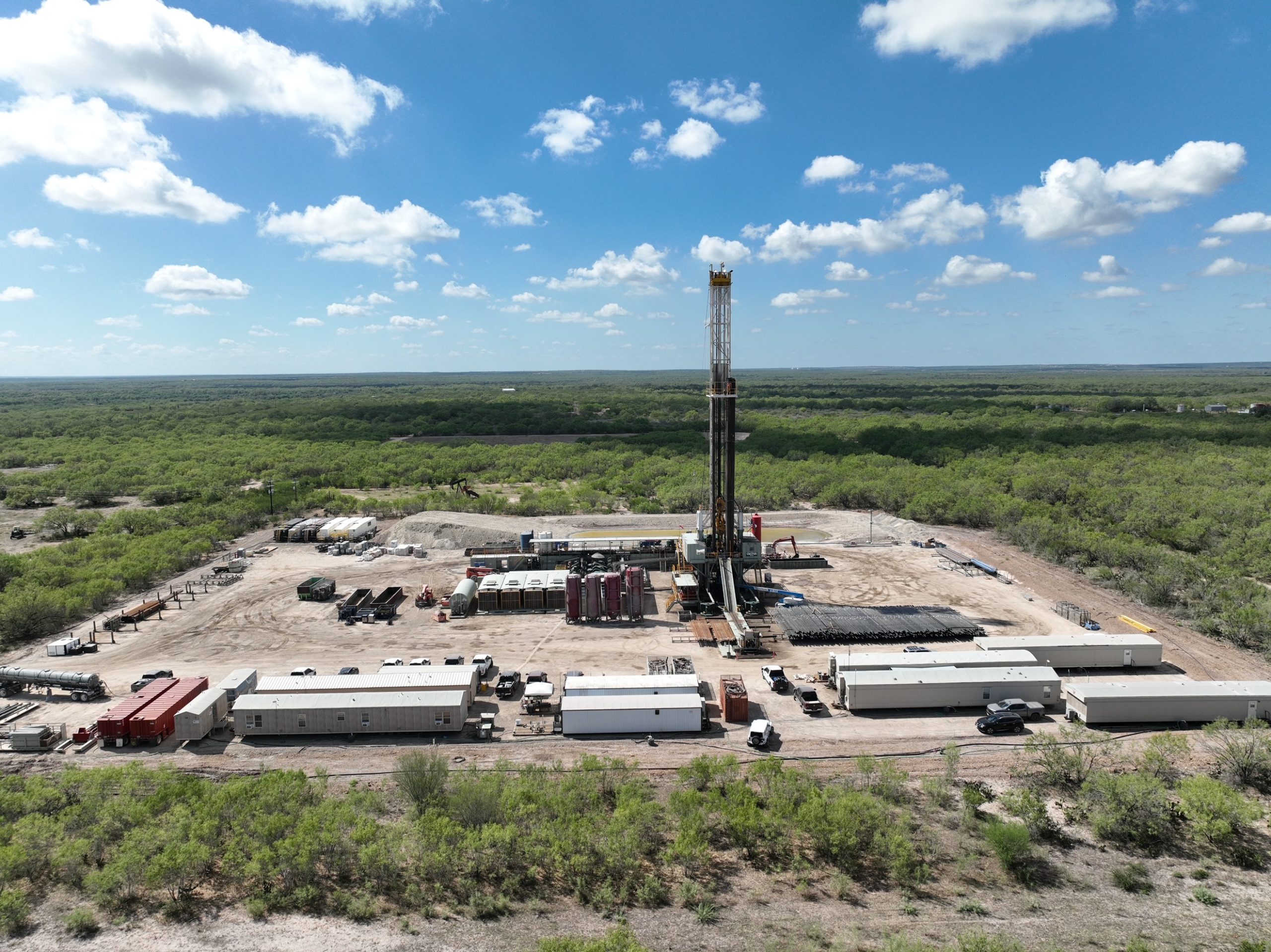
For a while, the public market liked the machine. EP sold 35.2 million shares at $20 in its January 2014 initial public offering - $704 million in gross proceeds. The company forecast a 40 percent increase in oil production that year and said substantially all expected oil and gas output was hedged at favorable prices. Here was the pitch in its most appealing form: known drilling locations, rising liquids production and a financial buffer against falling prices.
A hedge can rent you time. It cannot renegotiate what you paid for the company.The distinction at the center of EP Energy’s story
The rocks stayed put. The valuation moved.
The first thing to fail was not a field. It was the assumption underneath the field. Oil prices fell sharply beginning in 2014. In 2015, EP recorded a non-cash impairment of about $4 billion on its proved Eagle Ford properties, primarily because estimated forward commodity prices had declined. The physical wells were still there. What changed was the cash those wells were expected to produce.
Acquisition price, later sale agreement, and the separately sold Uinta portfolio. These are transaction figures, not like-for-like company valuations.
This is where the cost of the original deal mattered. An oil producer already needs cash for leases, rigs, crews, steel, water, transport and plugging obligations. Put billions of acquisition debt above that machine and low prices become more than a disappointing quarter. They compete directly with the company’s ability to keep drilling, because shale wells decline quickly and the portfolio needs continuing investment.
EP did many of the things a competent operator is supposed to do. It sold non-core acreage. It cut spending. It negotiated more flexible royalty terms with University Lands. It concentrated on three core areas. It hedged portions of output. Yet production fell from 109,700 barrels of oil equivalent per day in 2015 to 80,700 in 2018 and 70,900 in 2019. In 2018, the company generated $1.324 billion in operating revenue but recorded a $1.003 billion net loss, including another $1.103 billion of impairment charges.
Then the rescue met the one market worse than the forecast
EP filed for Chapter 11 protection in October 2019. A reorganization plan would transfer the company to creditors and erase debt. The court approved it in March 2020. Then a Saudi-Russian price war collided with the pandemic, demand collapsed and oil prices plunged. A plan designed for a distressed producer was suddenly too optimistic.
That shock changed minds because it changed the denominator. EP’s chief restructuring officer later said the company had been on the cusp of emerging when the price drop disrupted the plan. The parties returned with a revised version. In August, the court confirmed a restructuring that cut roughly $4.4 billion of debt and placed the company in bondholders’ hands. EP emerged that autumn, smaller in liabilities but not restored to its former identity.
The end came as a sale rather than a comeback. In 2021, Verdun Oil Company agreed to acquire EP for approximately $1.445 billion. Regulators objected to combining EP’s Utah position with an affiliated producer. The Federal Trade Commission said the proposed combination would move their estimated share of Uinta waxy crude from 14 percent to about 40 percent, in a market serving Salt Lake City refineries. The remedy split the company: Verdun took the Eagle Ford operations, while Crescent Energy bought the Uinta assets for $815 million before adjustments in 2022.
Run the ugly forecast before the exciting one. Match fixed obligations to the worst plausible revenue cycle, protect liquidity before growth, and treat a hedge as a bridge with an end date - not as a new climate.
A good company can still be purchased badly
The easiest reading of EP Energy is “debt bad, oil volatile.” It is also the least useful. The more interesting observation is that operational skill and financial durability are different capabilities. EP owned valuable assets. Its people kept thousands of wells producing. The post-bankruptcy buyers paid real money for the remains. But the enterprise had been asked to carry obligations set in a different commodity world.
A reader can copy the company’s better habits: concentrate technical expertise, measure unit economics, sell assets that no longer fit, and hedge near-term exposure when the market allows it. The habits fail when they are used to defend an entry price rather than test it. They also fail when fixed debt service, drilling commitments and steep production declines consume the time that hedges were supposed to buy.
That condition appears far beyond shale. A hotel with a giant mortgage, a retailer with long leases, a software company with guaranteed cloud spend - each can discover that the operating team is improving a machine whose financing assumes a kinder world. EP Energy’s wells did not vanish after the corporate name did. They moved to owners with a different cost basis and a different balance sheet. The assets survived. The forecast did not.