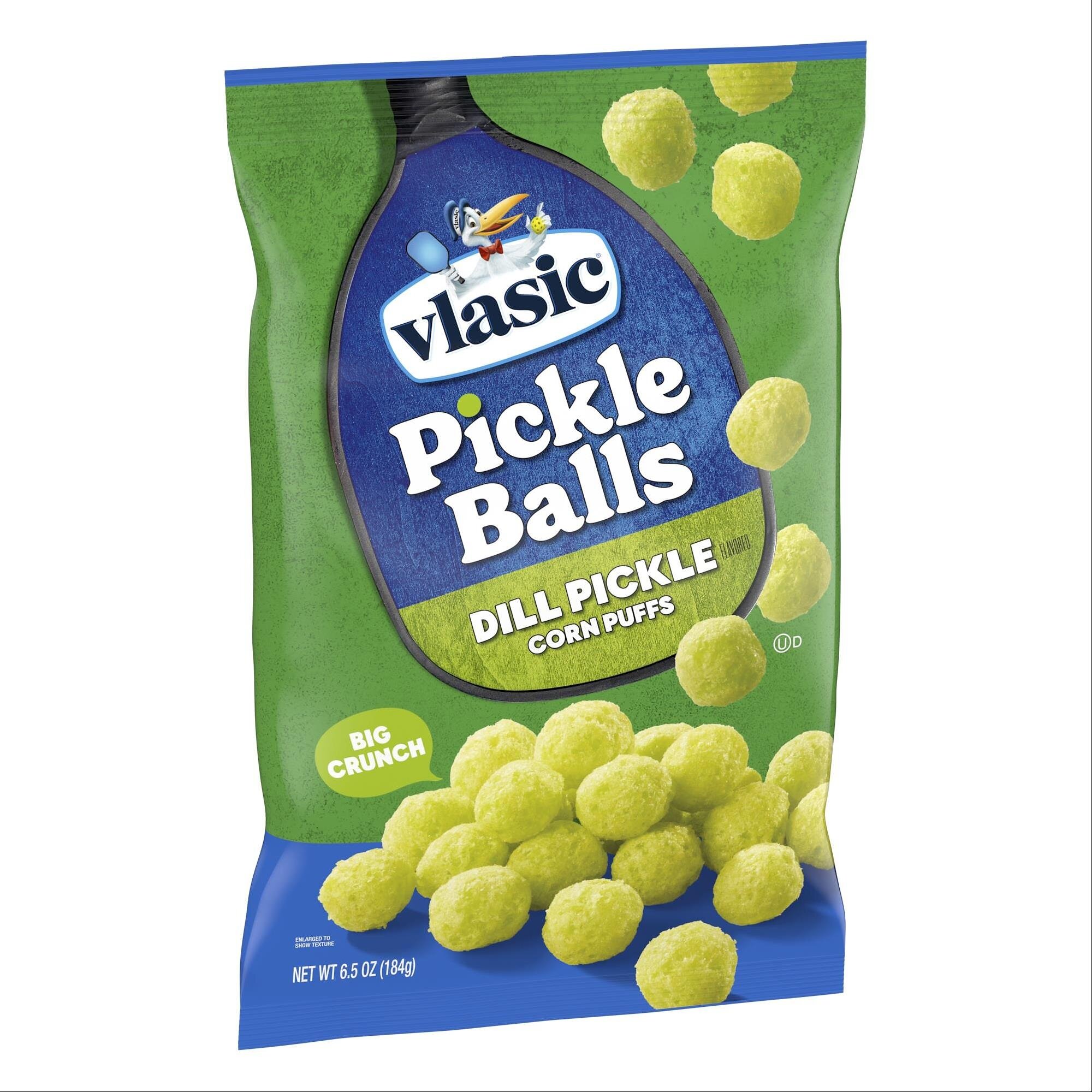
Consider a pickle that has escaped its jar. At Conagra Brands, Vlasic now lends its name to dill-flavored corn puffs called Pickle Balls. There is no cucumber to slice, no brine to spill. There is simply a familiar taste in an unfamiliar shape. It is a small, slightly ridiculous object with a serious business question inside: how much of a brand can you move before shoppers stop recognizing it?
- Conagra makes the brands behind frozen dinners, vegetables, baking mixes and grab-and-go snacks.
- Its advantage combines familiar names with food development, manufacturing and retail distribution.
- Its history supplies a warning: buying more businesses does not automatically make them easier to run.
Dinner has a deadline
Start with the ordinary emergency of a weekday evening. Somebody needs dinner. There are vegetables in the freezer, a microwave on the counter and very little enthusiasm for chopping. Birds Eye, Healthy Choice and Marie Callender’s occupy different parts of that moment. They sell ingredients, prepared meals and comfort, respectively. The common service is reducing the work between hunger and eating.
Conagra operates behind those consumer names. It manufactures and markets packaged food, selling through retailers and distributors as well as foodservice channels. Households buy the meal or snack; grocery chains and commercial operators are the business customers. There is no membership to renew. The company needs another purchase, another shelf position, another reason for the shopper to reach past the cheaper alternative.
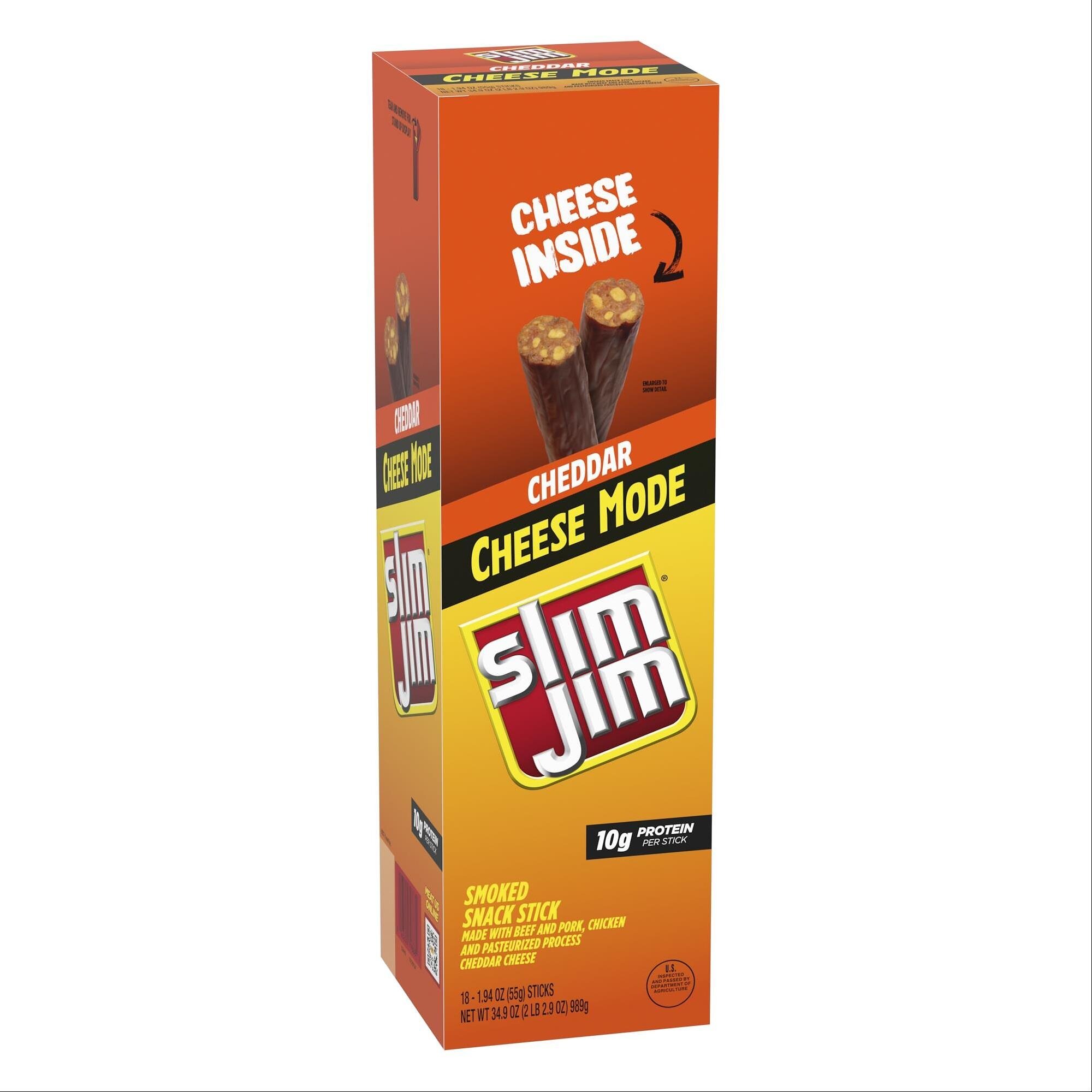
Its range is the interesting part. A Slim Jim customer and a Healthy Choice customer need not want the same thing. A portfolio lets the parent address both without forcing one consumer identity onto the other. Against other packaged-food makers and supermarket labels, its case rests on recognizable brands, product development and the ability to put finished food where people already shop.
The acquisition that would not behave
The company’s predecessor began in 1919 with four flour mills. The modern portfolio emerged through acquisitions and exits. That distinction matters: collecting brands is one activity; making their factories, sales teams and delivery schedules work together is another. Conagra has considerable experience with both, including a chapter that makes the difference painfully clear.
In 2013, it completed the purchase of private-label producer Ralcorp in a transaction valued at about $6.8 billion, including assumed debt. The attraction was understandable. Store brands gave Conagra a bigger position in food sold under retailers’ names. But a retailer’s label comes with its own commercial demands. Owning the production capacity did not settle the operating questions.
The early trouble appeared in the plumbing. Conagra’s historical filings describe sales-force, supply-chain and pricing problems, alongside integration and transition costs. Its 2014 report discussed pricing concessions to protect volume while it worked on customer service and plant efficiency. These are specific failures of execution. They are also the details most easily lost when a deal is presented as a grand strategic fit.
“a suboptimal use of our resources”Sean Connolly, June 2015, on the private-brand turnaround
By 2015, new chief executive Sean Connolly had reached a different conclusion about where management should spend its attention. Conagra agreed to sell the vast majority of its private-label operations to TreeHouse Foods for approximately $2.7 billion in cash; the sale closed in 2016. The purchase and sale covered different asset packages, so subtracting the figures would not produce a clean investment loss. The reversal itself is clear enough.
Including assumed debt
Cash consideration · closed 2016
A familiar name, a different aisle
The branded-food commitment became much larger in 2018. Conagra agreed to buy Pinnacle Foods in a cash-and-stock transaction valued at approximately $10.9 billion, including net debt. Birds Eye, Duncan Hines and Vlasic helped make the logic tangible. These were names that could support product development, rather than anonymous manufacturing capacity alone.
Today the company describes an innovation process built around observing behavior, finding the right brand and repeating what works. That process can lead to a new recipe, but it can also lead to a different way of presenting existing food. In January 2025, Healthy Choice introduced an “On Track” badge on 26 items, identifying them as “GLP-1 friendly.” The label is a company positioning choice, rather than a medical recommendation.
Partnerships offer another route. Dolly Parton’s relationship with Duncan Hines expanded in 2024 into a broader retail-food licensing agreement. Her name and recipes bring a recognizable cultural connection; Conagra supplies development and access to retail channels. For a shopper, the result is something concrete to bake. For the company, it is a way to give familiar categories another reason to be noticed.
The bill comes due
A busy product pipeline cannot settle every corporate problem. Fiscal 2026 brought $11.28 billion in net sales and a $1.92 billion net loss, with $2.93 billion in non-cash goodwill and brand impairments. Those write-downs revise accounting values; they are not equivalent to cash leaving the business that year. Still, they complicate any cheerful story about the enduring worth of familiar names.
John Brase became chief executive on June 1, 2026. In July he set out priorities including restoring margins, increasing investment in brands and supply chains, and reducing complexity. The quarterly dividend was halved to $0.175. By the first quarter of fiscal 2027, reported sales were down 1.4%, while adjusted earnings per share rose 5.1%. That is an early operating result, not proof that the repair is finished.
Copy the question before the product
The useful lesson for another business is wonderfully unglamorous. Identify an occasion people already struggle with. Choose a brand they can reasonably trust to solve it. Then ask whether the production line, price and distribution can support the promise. Conagra’s pickle puffs illustrate the opportunity; its private-label retreat supplies the operational caution.
For shoppers, the practical offer remains straightforward: an easier side dish, a quick lunch, a portable snack. It works when taste, price and preparation fit the household. It loses its appeal when the cheaper label is good enough, the product disappoints, or cooking feels worth the effort. The company may think in portfolios. The customer still thinks about tonight.