consumer-goods
(134)
Chase Design Group knows what to keep
From Madonna’s lettering to the freezer aisle, Chase Design Group has made a business of giving brands a new look without erasing their personality. Its most revealing work starts with a surprisingly difficult question: what deserves to stay?

Traditional Medicinals puts a whole supply chain in your teacup
A Sonoma County herb-shop experiment grew into a national wellness business by sweating the details inside the tea bag. Its next test is a $47 million factory on the other side of the country.
The $880,000 Shelf Bet: InContext Solutions Built a Store Where Failure Is Cheap
Before a retailer resets 22,000 displays, InContext Solutions lets the bad ideas lose inside a digital twin. What began as custom virtual-store research is now a software, services and AI business built around one useful proposition: make the expensive mistake on a screen.
FORM Built a Camera That Tells the Shelf What to Fix Next
A field rep takes a picture. FORM identifies the products, spots the execution gap and sends the next task - an unglamorous loop that now sits inside the daily work of more than 750 companies.

Jonathan Halvorson Has Spent 20 Years Making Big Brands Feel Less Like Big Brands
From Oreo's real-time swagger to Kenvue's digital shelf, Jonathan Halvorson has built a career around one deceptively hard brief: make global marketing more personal without making it creepy, generic or needlessly complicated.

Elena Otero Built Brands Across 40 Countries. Now She Works on the Questions Behind Them.
An engineer by training and a marketer by practice, Elena Otero learned to make global brands feel local. Her second act moves the same discipline from the supermarket shelf to the boardroom.

Allen Chai Built a Business Around the Useful Upgrade
For more than two decades, the Horizon Brands founder has pursued a modest but durable idea: everyday products earn their place by giving people time, confidence or control back.
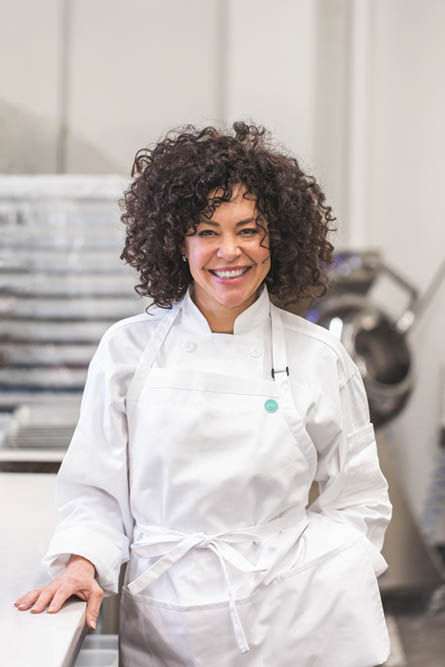
Christine Apple Drew No Blueprint for Grön - Then Built It to Last
An architect with a $50,000 bet turned a basement chocolate experiment into a nine-state brand. Eleven years later, selling Grön revealed a distinctly founder-like instinct: knowing when the thing you built needs a larger frame.
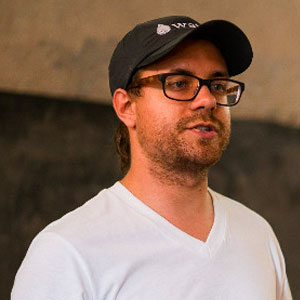
Andrew Vrbas Put a Soap Factory Inside an Argument About Business
A bus ride in Peru gave Andrew Vrbas an idea. A borrowed crockpot made it tangible. The more interesting work came later: turning a college experiment into a national brand without reducing purpose to a slogan.

Susan Irving Put Real Life on the Tissue Aisle
A former national-team sailor took over marketing at Kruger Products just as the tissue aisle became national news. Her response was to replace category polish with the useful, awkward truth of everyday life.
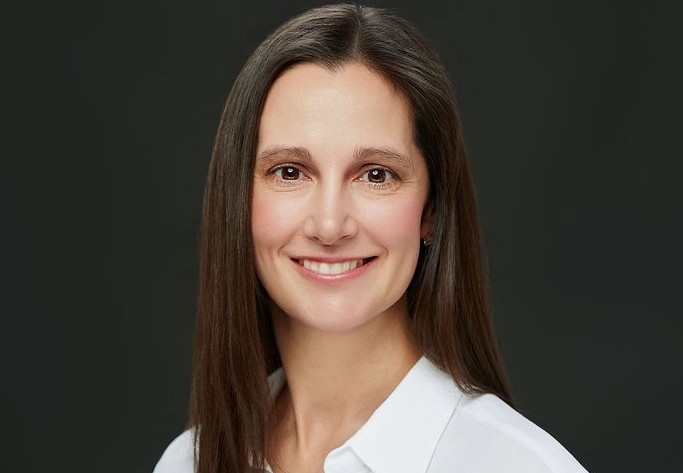
Corrie Mueller Is Taking a Global Marketing Playbook to the Snack Aisle
After senior Reckitt assignments across Canada, the United States and Asia, Corrie Mueller has moved into a different kind of consumer ritual: the everyday snack. Her new brief at Johnvince Foods joins brand craft to the machinery of sourcing, roasting, packing and retail scale.
M&M Food Market Was Frozen in the ’90s - Then It Let Shoppers Open the Freezer
The Canadian frozen-food chain had a tired name, blank white boxes and a counter customers found intimidating. Its comeback began with a wonderfully literal idea: let people browse.
How Moosehead Survived 159 Years - and Why Letting Go of Its Green Bottle May Keep It Independent
Canada's last major domestically owned brewery has survived fire, Prohibition, an explosion and competitors 100 times its size. Its current playbook is less romantic: listen to the can buyer, turn heritage into distribution, and know which sacred objects to retire.
The $1 Billion Bet Behind Canada’s Softest Aisle
Kruger Products turned bathroom tissue into a portfolio game, then put nearly C$1 billion behind a pair of Sherbrooke plants. The bet is simple to describe and hard to copy: own the brands, modernize the mills, and make sustainability survive contact with the balance sheet.

Yanghee Paik Changed the Channel
She came to Los Angeles to move Korean culture through Hollywood. A chance conversation gave her a different vehicle - and turned a Disney distributor into the operator behind Rael.

Matthew Parry Put a Familiar Snack in a Better Can
The Australian marketer did not invent the canister chip. He noticed what families still wanted from it, rebuilt the proposition around simpler ingredients, and spent a decade earning shelf space one retailer at a time.

David Simnick Learned to Sell the Shampoo Before the Mission
Soapbox began with an aid worker's observation and a batch mixed in a college kitchen. Its survival depended on a harder lesson: purpose can deepen loyalty, but the product still has to win the shelf.
Soapbox Lost 75% of Its Sales. Then It Learned the Mission Wasn't the Product.
A $6.99 bar, confusing packaging, and a 75 percent sales drop nearly washed Soapbox out of Whole Foods. Its recovery offers consumer founders a cleaner rule for purpose-driven business: make the product earn the purchase before the mission earns the applause.
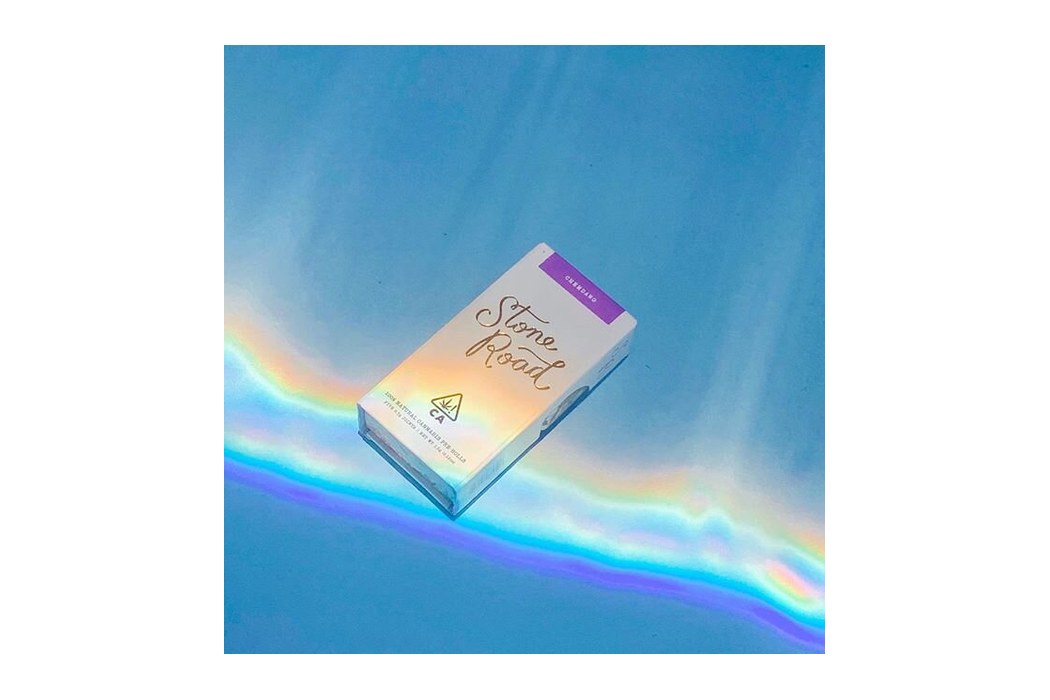
Stone Road Built a Beautiful Cannabis Brand. Then the Bills Got Ugly.
Lex Corwin paired an off-grid California farm with packaging made for the design shelf. The harder trick was learning when to outsource, when to shrink, and when a sale was not worth chasing.
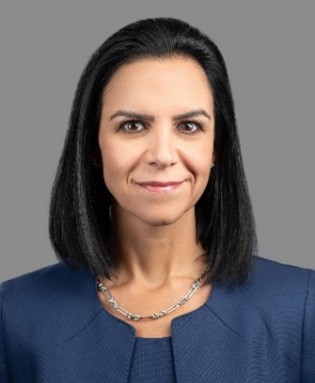
Tabata Gomez Knows the Brand Begins at the Table
From cosmetics to power tools to the spice rack, Tabata Gomez has carried one operating idea across categories: get close to the consumer, give teams a clear vision, and move while the moment is still alive.
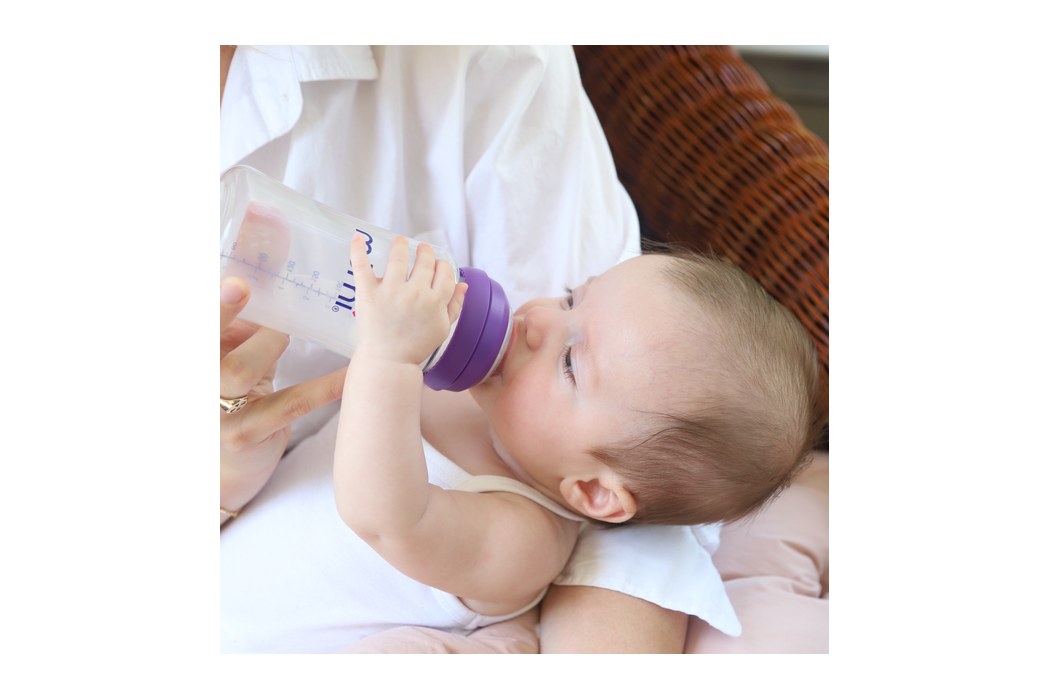
The Bottle That Works Like a Mom, From a Team That Ran Medela
A former Medela executive and a Harvard-MBA operator spent more than a decade re-engineering the baby bottle. The pitch is simple: make the bottle behave like the breast so babies stop refusing one for the other.
The Machine That Turns a Handful of Almonds Into a Milk Habit
Almond Cow bet that people would rather make oat and almond milk on their counter than buy it in a carton. Roughly 300,000 households later, the bet is looking less strange.

The 116-Year-Old Appliance Company That Quietly Runs Your Kitchen Counter
It designs the blender, licenses the Clorox name, lets a factory in China build it, and sells it to Walmart. A look at how a 116-year-old brand keeps winning the countertop.
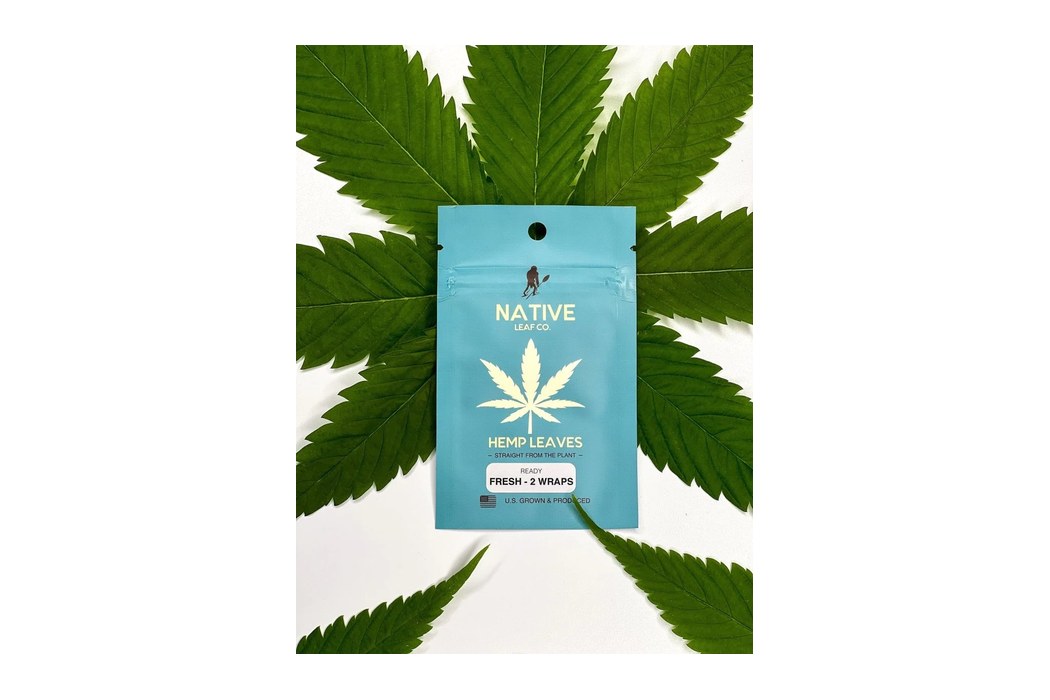
Native Leaf’s $7 Bet: The Best Hemp Wrap Is the Leaf Everyone Threw Away
A software engineer followed a customer request into an awkward corner of cannabis: turning fragile fan leaves into a repeatable consumer product. Native Leaf’s answer is part curing process, part moisture-control kit, and a useful lesson in selling the byproduct instead of processing it away.
Spectrum Brands Sold the Locks for $4.36 Billion. Now Comes the Hard Part.
The company behind FURminator, Tetra, Cutter and Remington made billions by selling a business it had improved. Its next trick is harder: proving that a smaller portfolio can grow without losing the scale that made the collection useful.

The Company That Sells You Peace of Mind, One Filter at a Time
AirDoctor and AquaTru turned invisible anxieties - what's in your air, what's in your tap - into a nine-figure consumer business. Here's how a direct-response veteran built it.
The Flashlight That Refused to Leave California
Anthony Maglica turned $125 and a used lathe into an American icon - and then spent five decades refusing every reason to move the factory offshore.
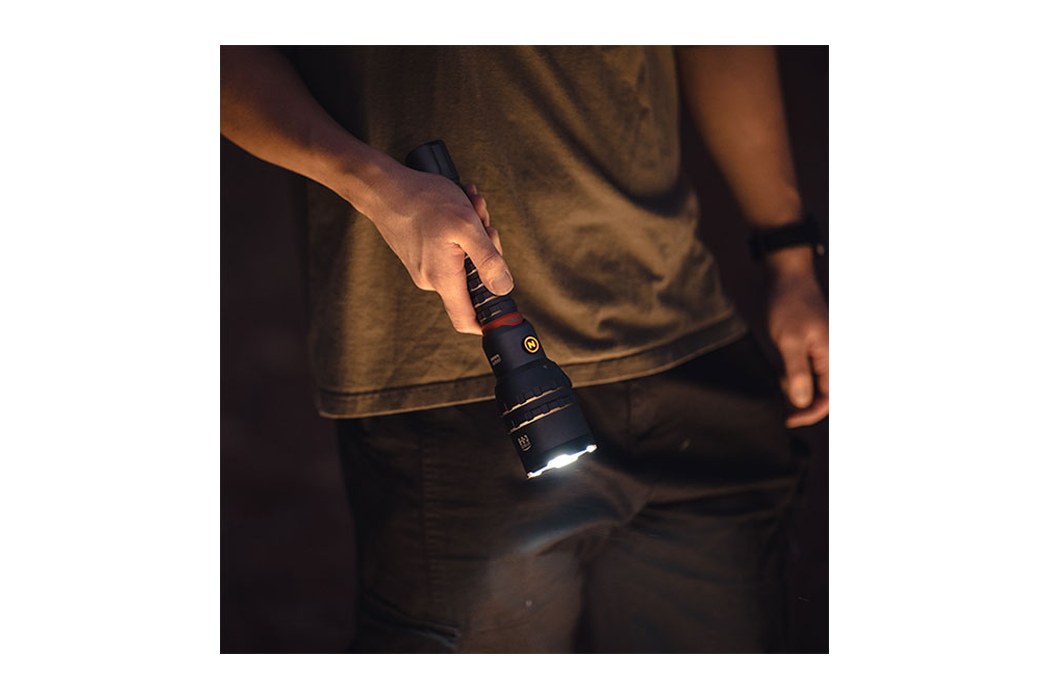
The Texas Company Quietly Behind the Flashlight in Your Junk Drawer
It doesn't put its name on a single box. But NEBO, HALO, TRUE and Thaw sit in 50,000 stores - and Alliance Consumer Group owns all of them.
From Sawmill Sawdust to America's Backyard: The Thiessen Family's Long Game with Pit Boss
Two decades ago the Thiessens were selling horse bedding made from wood shavings. Today their Pit Boss and Louisiana Grills brands sit in backyards from Home Depot to Walmart - and in the garage of a company that has been family-run since 1885.
The Beauty Lab That Builds Brands, Then Lets Them Go
Ben Bennett's West Hollywood accelerator spots gaps on the shelf, hands them to founders with real equity, and points each new brand toward an exit - Naturium sold to e.l.f. Beauty for $355 million.