Consider two breakfasts. One involves a bowl, a box and milk. The other involves a restaurant kitchen, a delivery schedule and eggs that somebody has already processed. Both can put money into Post Holdings. The interesting question is why a company associated with Grape-Nuts would want to own so much of the second breakfast, too.
The answer begins with an unromantic discovery: a familiar brand does not guarantee a growing category. When Post emerged from Ralcorp in 2012, cereal was its only operating segment. Within a few years, management was buying its way into other parts of the food business. Today, the portfolio reaches from British breakfast tables to American pet bowls.
- Familiar brands, plus the factories behind other people’s meals.
- Business teams run operations. Headquarters decides where capital goes.
- Buying is half the story. Post also sells and spins off businesses.
The $2.45 billion second breakfast
Post’s own 2014 proxy statement connected its acquisition push to the continuing decline in ready-to-eat cereal. That is the first thing that weakened in this story: the assumption that staying inside the cereal aisle would provide enough growth. The response was to buy capabilities in other categories, rather than wait for breakfast habits to reverse.
In June 2014, Post acquired Michael Foods for approximately $2.45 billion, before adjustments, with a separate $50 million payment due a year later. Financing combined cash, borrowing and securities issuance.
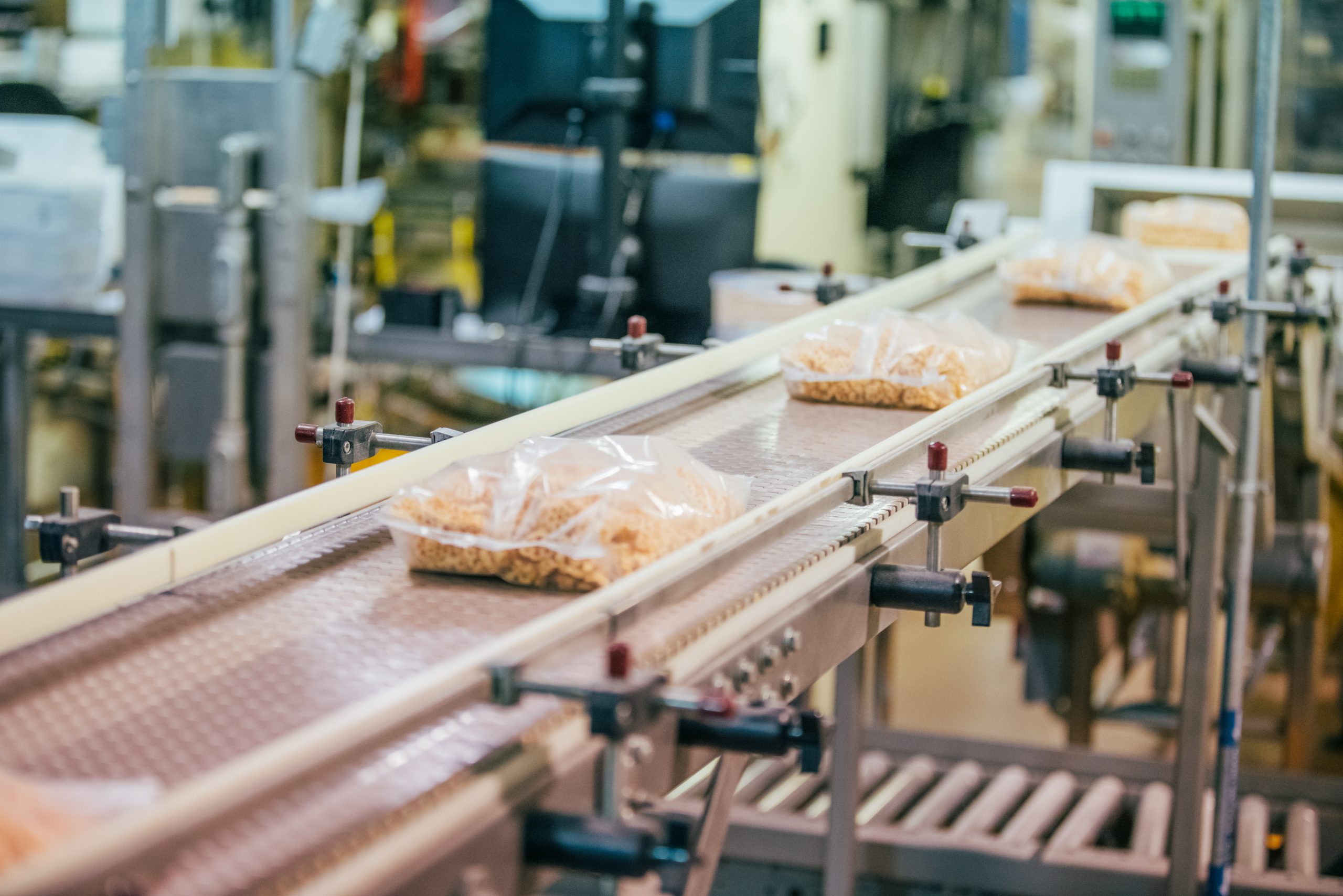
Michael Foods sells processed egg and potato products to foodservice operators and food manufacturers. A family choosing cereal wants taste, price and familiarity. A commercial kitchen also wants consistency, food safety and less preparation. Post could now earn revenue by solving those operational problems. Its expertise included the factory and the cold chain as well as the cartoon on the box.
A cupboard full of different customers
The portfolio still contains Honey Bunches of Oats, PEBBLES, Grape-Nuts and Malt-O-Meal. Peter Pan adds peanut butter. Weetabix, acquired in 2017, brings a British cereal business whose wheat biscuits have appeared on breakfast tables since 1932. Bob Evans Farms supplies refrigerated sides, sausage and egg products. Its grocery business offers a shortcut to dinner; owning it does not mean Post owns Bob Evans restaurants.
Then came the dog. In 2023, Post agreed to buy selected Smucker pet food brands for $1.2 billion: $700 million in cash and approximately $500 million in newly issued shares. Nutrish, Nature’s Recipe, 9Lives, Kibbles ’n Bits and Gravy Train gave it an established position in another repeat-purchase category. The deal closed that April.
These businesses serve households, pet owners, retailers, distributors and professional kitchens. The buyers at the other end matter enormously. Walmart represented 17.4% of Post’s consolidated fiscal 2025 sales. Sysco and US Foods together represented 42% of Foodservice sales. A shopper may love a brand, but the route to that shopper runs through companies with considerable bargaining power.
Head office buys. The businesses cook.
Post describes its public-company operating model as similar to private equity. Headquarters allocates capital, oversees governance and provides shared services. Operating businesses develop their own strategies and deliver their own results. The distinction matters: marketing a British breakfast biscuit and running an American egg-processing operation require different knowledge.
Its stated emphasis is cash flow, organic and acquisition-led growth, and adjusting the portfolio. Against General Mills in cereal, or the large pet food businesses of Nestlé and Mars, Post’s argument is partly organizational. It can own businesses with different economics without asking each to become an extension of the cereal brand. That structure still needs capable operators, disciplined purchase prices and customers who keep ordering.
There is a human version of that operating philosophy. The company’s employee materials stress independence alongside integrity and measurable results. Its published workplace policies include annual respect training and an independently staffed reporting line. These are stated practices, rather than proof of every employee’s experience, but they make the bargain clearer: local responsibility sits within group-wide rules.
“We expect this acquisition to continue our history of creating value with a buy and build approach to categories.”
ROB VITALE / PET FOOD DEAL ANNOUNCEMENT, FEBRUARY 2023
Sometimes the next move is the exit
A company built by acquisitions can be judged by what it lets go. Post took its active nutrition business public as BellRing Brands in 2019, then completed its separation in 2022. Premier Protein’s earlier place in the portfolio is therefore history, rather than evidence that Post still owns BellRing.
The same willingness to redraw boundaries appeared in 2025. Post reacquired full ownership of 8th Avenue Food & Provisions, then sold its pasta business that December. The announced sale terms were $375 million in cash plus the buyer’s assumption of approximately $80 million in leaseback financial liabilities. Post retained nut butters, fruit and nut products, and granola. Crystal Farms followed out of the portfolio in May 2026.
Buying a collection of businesses does not commit Post to keeping the collection intact. The useful lesson for another operator is to ask which capabilities deserve investment now, and which assets another owner could put to better use.
The cereal box still has edges
Scale has not removed the friction. In the quarter ended June 2026, however, consolidated sales fell 1.8%. Excluding the 8th Avenue acquisition’s benefit, Post Consumer Brands reported lower pet food and cereal-and-granola volumes. Distribution losses were part of the explanation. Buying brands does not buy permanent shelf space.
That sets the conditions for copying Post’s approach. It requires cash generation that can support financing, managers who understand each category, and enough operating discipline to turn ownership into results. Debt costs, agricultural disease and retailer decisions can overwhelm a tidy portfolio diagram. Diversification gives management more options; the businesses still have to earn their place.
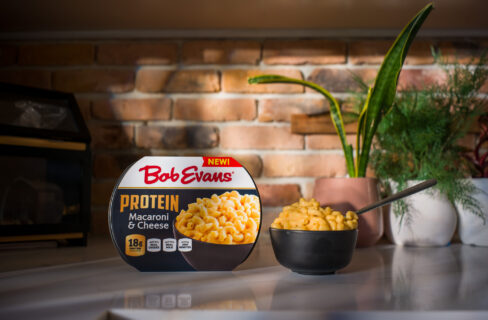
The next chapter has a new operator at the center. Nicolas Catoggio became president and CEO on October 1, 2026, while Rob Vitale became executive chairman. Products keep changing, too: October launches included Papetti’s waffle carriers for commercial kitchens and Bob Evans macaroni and cheese with 18 grams of protein per serving. The practical question remains appealingly ordinary: what would make somebody’s next meal easier? Post has acquired quite a few ways to answer it.