fda-cleared
(60)
Cresilon Killed Its Big Launch - Then Built a Bleeding-Control Business the Hard Way
A 17-year-old's algae experiment became a syringe of hemostatic gel. The useful business lesson came later, when blackened batches forced Cresilon to cancel a launch and become its own manufacturer.

MAUI Imaging Waited 17 Years for Chips to Catch Up. Now It Wants Ultrasound to See What It Used to Miss.
A father-son garage project spent nearly two decades turning telescope logic into a portable ultrasound system. The first serious proof is in, but the most interesting claims still have to survive larger clinical trials.

The MRI Already Has a Chemistry Lab. BrainSpec Wants Doctors to Use It
Most MRI scans show anatomy. BrainSpec reads the chemical signals hiding in the same machine - and turns an expert-only technique into a report designed for clinical use.

Respiree
Respiree is a Singapore-founded digital health company (an A*STAR spin-off) building clinically validated AI that pairs FDA-cleared cardio-respiratory wearable sensors with software to track lung and heart biomarkers over time. Its 1Bio platform helps hospitals, health systems and biopharma detect patient deterioration - such as COPD flare-ups and heart failure - days in advance, powering remote patient monitoring, clinical decision support and decentralized clinical trials across Asia-Pacific, Australia and the United States.

Us2.ai
Us2.ai is a Singapore-based medtech company that builds FDA-cleared, CE-marked AI software to automate echocardiography (cardiac ultrasound) analysis and reporting. Its vendor-neutral platform - branded the AI Echo Copilot - turns raw DICOM echo studies into fully editable, structured clinical reports in seconds, detecting conditions such as heart failure, aortic stenosis, pulmonary hypertension and cardiac amyloidosis. Founded in 2017 as eko.ai and rebranded to Us2.ai in 2021, the company aims to widen access to expert-level cardiac diagnostics across hospitals, echo labs and clinical-trial core labs worldwide.

AVAVA, Inc.
AVAVA, Inc. is a Waltham, Massachusetts medical aesthetics company that builds energy-based laser platforms for skin renewal that work across all skin tones. Spun out of Boston-based Blossom Innovations and rooted in research from Massachusetts General Hospital's Wellman Center for Photomedicine, AVAVA's flagship MIRIA Skin Treatment System pairs patented Focal Point Technology with AI-driven skin visualization to deliver precise, high-energy intradermal treatment for conditions like melasma, hyperpigmentation, and acne scars with minimal downtime.

Casana
Casana is a Rochester, New York digital-health company that builds the Smart Seat (originally the Heart Seat), a toilet-seat replacement that passively measures vital signs - heart rate, heart rate variability, blood oxygen, respiration rate and blood pressure insights - while a person simply sits, with no wearables, charging or behavior change required. Spun out of research done by founder Nicholas Conn during his PhD at the Rochester Institute of Technology, the company earned FDA 510(k) clearance in 2023 and launched a consumer version of the seat in July 2026.
Cytovale
Cytovale is a San Francisco-based medical diagnostics company that built IntelliSep, an FDA-cleared blood test that helps emergency departments identify patients at risk of sepsis in about eight minutes. Instead of hunting for a pathogen, the test reads the immune response by measuring the biomechanical properties of white blood cells using microfluidic deformability cytometry, high-speed imaging and machine learning. Founded on academic research that began in 2007 and incorporated in 2013, the company is applying its rapid host-response platform to one of medicine's most time-sensitive and deadly conditions.
GT Medical Technologies, Inc.
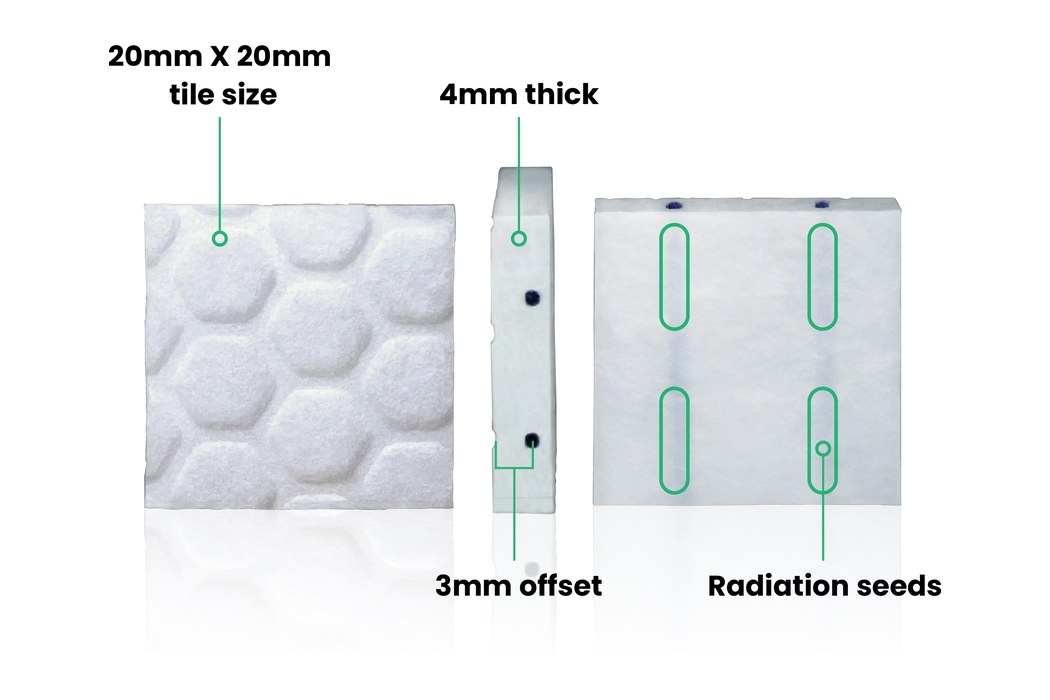
GT Medical Technologies is a Tempe, Arizona medical device company that developed GammaTile, an FDA-cleared bioresorbable radiation therapy implant for operable brain tumors. Founded by brain tumor specialists from the Barrow Neurological Institute, the company places collagen tiles embedded with Cesium-131 seeds directly into the tumor cavity at the time of surgery, delivering immediate, targeted radiation while sparing healthy tissue. Backed by a $100M Series E led by Viking Global Investors, GT Medical has treated more than 2,000 patients and is pursuing randomized trials to establish GammaTile as a standard of care.

Healthy.io
Healthy.io turns the smartphone camera into a clinical-grade medical device for at-home diagnostics. Founded in Israel in 2013 by Yonatan Adiri, the company uses computer vision, AI and colorimetric analysis to let patients run lab-quality urine tests at home - for kidney disease, urinary tract infections and pregnancy - and gives clinicians AI-powered 3D wound measurement tools. Its flagship Minuteful Kidney test is the first smartphone-powered home test cleared by the FDA to measure the albumin-to-creatinine ratio, and its products are used across US health plans and UK NHS trusts to close gaps in preventative care.

Preceptis Medical
Preceptis Medical is a Golden Valley, Minnesota medtech company that makes the Hummingbird Tympanostomy Tube System (TTS), an FDA-cleared handheld device that lets ENT surgeons place pediatric ear tubes in the office in about five minutes using only a topical anesthetic - no operating room and no general anesthesia. By combining the multiple tools of a traditional tube procedure into a single-pass instrument, Preceptis aims to make a very common childhood surgery safer, faster, and dramatically less expensive for families and payers.

Wesper
Wesper is a New York-based sleep-health company that has built a wireless, wearable patch and cloud platform for clinical-grade, at-home sleep apnea testing. Founded in 2017 (originally as Tatch) by Dr. Amir Reuveny and Adi Mordechai, Wesper combines flexible printed electronics, machine learning, and a provider portal to replace the wires and single-night snapshots of traditional sleep labs with comfortable, repeatable, longitudinal testing. The FDA-cleared Wesper Lab lets patients test at home while giving physicians high-resolution data that correlates closely with in-lab polysomnography.

Alio
Alio is a Broomfield, Colorado medical technology company that builds a non-invasive, continuous remote patient monitoring platform for people with chronic conditions. Its flagship SmartPatch - the world's first non-invasive potassium monitor - is worn over a patient's vascular access site and tracks metrics such as potassium, hemoglobin, hematocrit, heart rate, skin temperature and auscultation sounds, sending clinician-ready data to care teams via a bedside hub, cloud and portal. Founded in 2012 (originally as Graftworx) by David Kuraguntla and Samit Gupta, Alio focuses first on end-stage kidney disease and dialysis patients, aiming to replace infrequent blood draws with continuous data and cut avoidable hospitalizations.

Aulisa Medical USA, Inc.
Aulisa Medical USA is a Palo Alto medical device company that builds Guardian Angel, a line of FDA-cleared, wireless, wearable vital-sign monitoring systems for infants, children and adults. Its devices continuously track oxygen saturation, pulse rate and body temperature and stream the data to caregivers and clinicians, in the hospital or at home, with customizable alarms for early detection of health incidents. Founded in 2012 by serial medical-device entrepreneur Augie Lien, the company raised a $13M Series A in 2022 and manufactures its products in its own GMP-certified factory.

Braid Health
Braid Health is a San Francisco health-tech company building an FDA-cleared, AI-powered diagnostic collaboration platform for medical imaging. Founded in 2018 by Apple and Twitter alumni Kevin Quennesson and Alessandro Sabatelli, Braid pairs AI imaging copilots with board-certified radiologists to deliver faster, lower-cost reads of MRI, CT, ultrasound and X-ray studies. It serves urgent care networks, health systems and retail clinics, and in 2026 launched a direct-to-patient second-opinion service that offers expert radiologist re-reads for $199.

EchoPixel, Inc.
EchoPixel is a Silicon Valley medical visualization company that turns ordinary CT, MRI and ultrasound scans into life-size, interactive 4D holograms of a patient's own anatomy. Its FDA-cleared True3D platform and Holographic Therapy Guidance (HTG) let surgeons and interventional cardiologists reach in and manipulate a digital twin of a heart or organ - no headset or glasses required - to plan and guide complex, minimally invasive procedures.
InterVene, Inc.
InterVene, Inc. is a Redwood City, California vascular medical device company building catheter-based tools for severe venous disease. Born out of Stanford Biodesign, it first pioneered BlueLeaf, a non-implantable system that forms new vein valves from a patient's own tissue, then pivoted its lead product to Recana, an FDA-cleared thrombectomy catheter system that clears venous in-stent restenosis and native-vessel obstructions - a stubborn problem that leaves stented patients with debilitating complications and few good options.
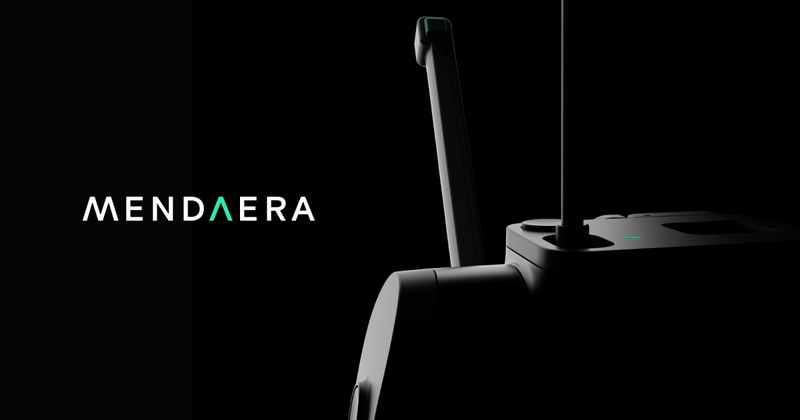
Mendaera, Inc.
Mendaera is a Silicon Valley healthcare technology company building Focalist, a fist-sized handheld robotic system that pairs real-time ultrasound imaging with robotic needle guidance and AI to make precise, needle-based procedures more accessible across specialties. Founded in 2020 by Josh DeFonzo and Jason Wilson, both alumni of Auris Health, and backed by Intuitive Surgical and Auris co-founder Dr. Fred Moll, the company aims to move robotics beyond the operating room and into the everyday procedures that make up the bulk of medicine.

MyBackHub (NSite Medical)
MyBackHub, built by NSite Medical (legally Nsite, Inc.), is an AI-powered digital health platform for non-operative back and spine care. Spun out of the founders' earlier scoliosis work at the National Scoliosis Clinic, it uses a smartphone-based, radiation-free AI scan (the PostureBackNeck Assessment) to analyze posture and spinal alignment at home, then builds a personalized recovery plan combining adaptive exercises, live Pilates classes, licensed physical therapists, Stanford's Empowered Relief pain program, and a 24/7 AI companion. The company holds FDA 510(k) clearance for its AI-based scoliosis scanning app and delivers care at little to no cost through select Medicare and insurance plans.

URO-1, Inc.
URO-1, Inc. is a Greensboro, North Carolina medical device company modernizing the prostate biopsy, a procedure its founder describes as largely unchanged in decades. Founded in 2017 by prostate cancer survivor and serial MedTech entrepreneur Ted Belleza, URO-1 makes the FDA-cleared SUREcore biopsy needle and coreCARE tissue transfer system, a paired platform built to collect larger, more intact tissue cores and preserve their integrity on the way to pathology. The company reports its needle hit 92% targeting accuracy in MRI-ultrasound fusion biopsies versus 36% for conventional needles, and began commercial launch in January 2025 following an $8 million Series A.
Vista AI
Vista AI (formerly HeartVista) builds AI software that automates MRI exams so any technologist can capture consistent, high-quality scans without a specialist on site. Spun out of Stanford's Magnetic Resonance Systems Research Lab in 2012, its FDA-cleared cardiac MRI product turns a manual, expert-dependent procedure into a largely automated one, and the company is expanding into brain, prostate and spine imaging. Backed by Khosla Ventures and a roster of major U.S. health systems, Vista AI positions automation as a fix for the gap between soaring MRI demand and a shortage of skilled technologists.
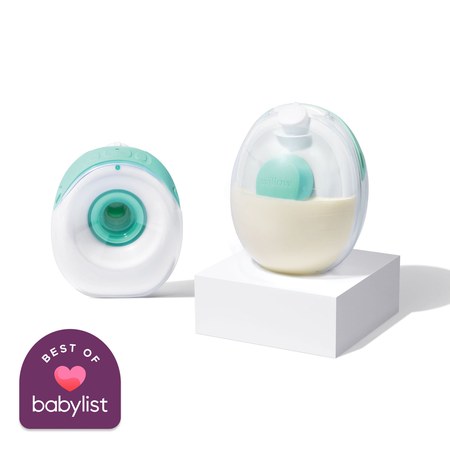
Willow Innovations, Inc.
Willow Innovations is a U.S. femtech company that invented the first all-in-one, in-bra wearable breast pump, freeing new mothers from cords, tubes and the pumping room. Founded in 2014 out of Josh Makower's ExploraMed incubator, Willow now sells app-controlled, leak-proof pumps (Willow 360, Willow Go, Willow Sync and the manual Willow Wave) along with a growing line of feeding and postpartum accessories. In 2025 it acquired UK rival Elvie to build a scaled maternal-health platform.

DoseOptics LLC
DoseOptics LLC is a Dartmouth spinoff based in Lebanon, New Hampshire that builds BeamSite, the first FDA-cleared camera system to record radiation therapy as it happens by imaging Cherenkov light - the faint glow emitted when a radiotherapy beam passes through tissue. The technology lets radiation oncology teams literally see the beam on the patient in real time, turning an invisible treatment into a video they can review, catching positioning errors and delivery anomalies that were previously undetectable.

SweetBio, Inc.
SweetBio, Inc. is a Memphis-based medical device company that bioengineers manuka honey into solid, easy-to-apply wound dressings. Its flagship product, APIS, combines a collagen derivative, UMF-certified manuka honey, and hydroxyapatite into a trimmable sheet that is FDA-cleared and Medicare-covered for managing chronic and acute wounds, including diabetic foot ulcers. Founded in 2015 by sibling co-founders Kayla Rodriguez Graff and Dr. Isaac Rodriguez, the woman-led, Latinx-founded company aims to make advanced wound care accessible and affordable - taking a remedy as old as the ancient Egyptians and delivering it in a modern, standardized form.

Wearlinq
Wearlinq is a San Francisco healthtech company building eWave, described as the first continuous, wireless, FDA 510(k)-cleared 6-lead ECG cardiac monitor. About the size of a coin and worn on a skin-like adhesive patch, eWave pairs with a patient's own smartphone, runs 5+ days between charges in an AirPods-style case, and streams near-real-time data so clinicians get hospital-grade multi-lead visibility without the bulk of a wired Holter monitor. The company also operates an IDTF (independent diagnostic testing facility) staffed by certified cardiographic technicians who turn around STAT reports, closing the loop from device to diagnosis.

Konrad Morzkowski
Konrad Morzkowski is the Swedish-born co-founder and CEO of WearLinq, a San Francisco medtech company commercializing eWave, an FDA-cleared 6-lead wireless ECG monitor that ships heart data from a patch on the chest to a smartphone in your pocket. A Chalmers and Stanford engineer named to Forbes' 30 Under 30 in Healthcare (2024), he traded a plan to build AI for healthcare for the harder problem of getting clinical-grade cardiology out of the hospital and onto the patient.
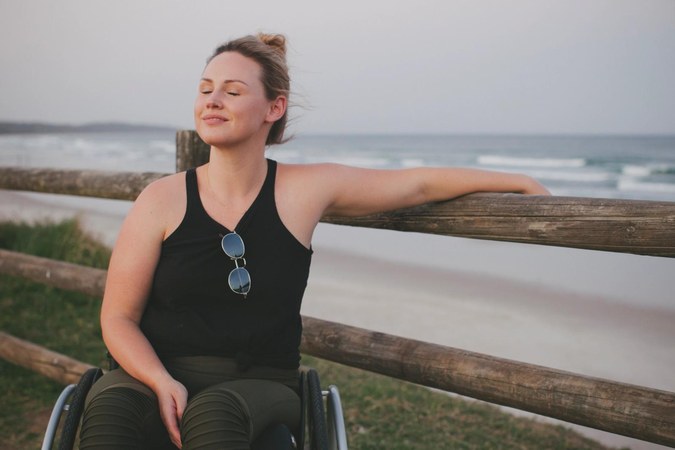
Aurie
Aurie is a Syracuse-based medical device company that built the first FDA-authorized reusable no-touch intermittent catheter system. Founded by industrial designer Souvik Paul after his sister-in-law's catheter-related infections, Aurie reuses a single catheter up to 100 times via a portable Personal Disinfector that cleans, disinfects, and lubricates the device in 36 minutes - cutting waste and recurring costs for people living with neurogenic bladder.

Bloomlife
Bloomlife is a San Francisco maternal health company that pairs FDA-cleared wearable sensors with a connected-care platform so high-risk pregnancies can be monitored from home. Born from a co-founder's own NICU experience, the company shifts prenatal care out of the clinic and into the living room - tracking fetal heart rate, blood pressure and glucose, then feeding the data to clinicians through risk-stratification tools meant to catch complications earlier.
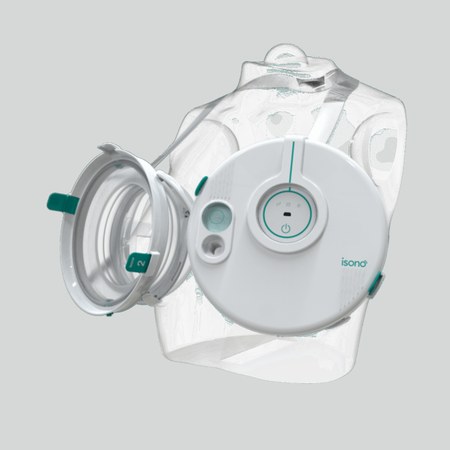
iSono Health
iSono Health builds ATUSA, an FDA-cleared wearable 3D ultrasound platform that scans both breasts in about two minutes without a specialized sonographer. The South San Francisco startup uses AI to make breast imaging portable, reproducible, and accessible at the point of care.

LuxCreo
LuxCreo is a digital manufacturing company turning dental clinics and labs into same-day production floors. Its patented LEAP (Light Enabled Additive Production) printers, ActiveMemory polymers, and LuxFlow software combine to deliver FDA-cleared, directly 3D-printed clear aligners, night guards, dentures and crowns - cutting weeks of traditional workflow down to hours.