The Man Who Gained Weight on Purpose
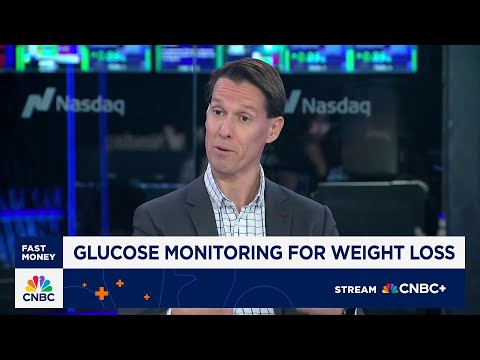
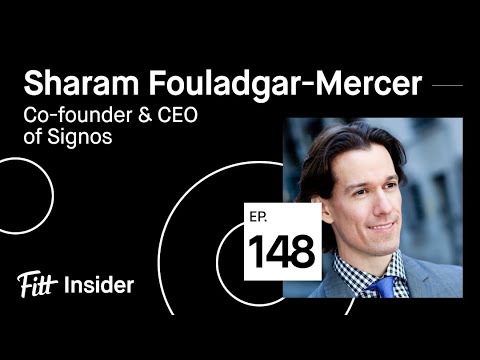
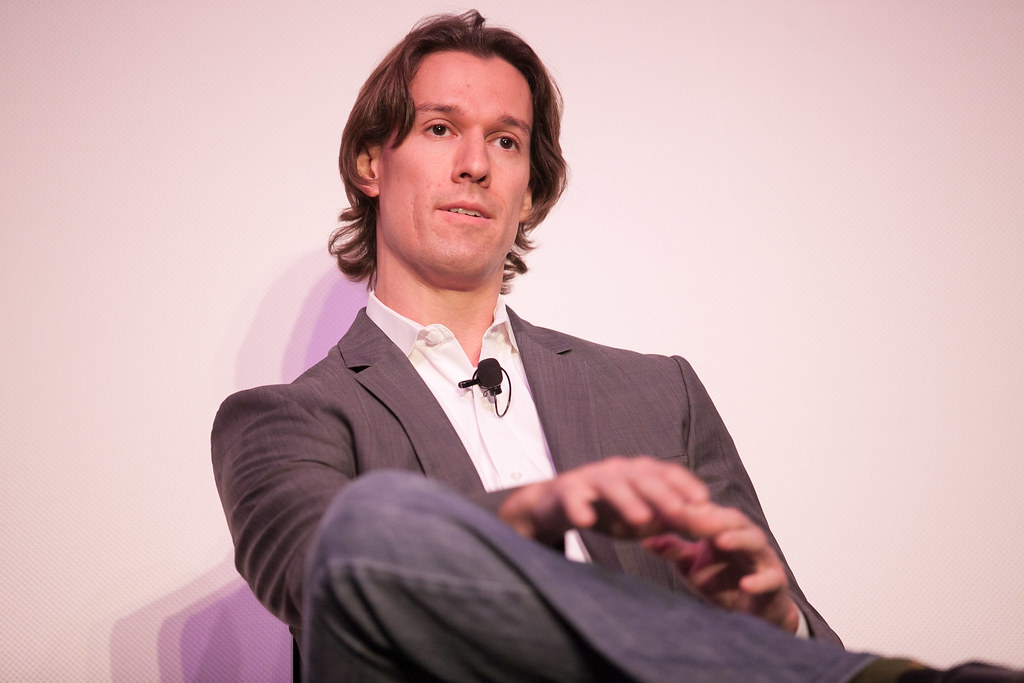
Here is the kind of founder story nobody pitches to VCs: Sharam Fouladgar-Mercer lost 40 pounds using his own product. Maintained that loss for months. Then intentionally gained the weight back. Not from failure. From methodology. He needed to remember what it felt like to be a person still trying - so he could build the right product for them.
That detail says more about how Signos got built than any press release. Fouladgar-Mercer is a serial founder with impeccable credentials - Princeton computer science, Harvard MBA, Entrepreneur in Residence at Shasta Ventures, Senior Associate at Sierra Ventures, co-founding CEO of AirPR (the PR analytics company that eventually became Onclusive, processing 10 terabytes of data daily). He had every reason to build the next enterprise SaaS platform. He chose to go after obesity instead.
"Why are we waiting until people have a chronic care condition before enabling them to learn from their own body's natural signals?"
- Sharam Fouladgar-MercerThe origin is a death he never witnessed. His grandmother - diabetic, Iranian, born in a world without consumer health technology - died in 1973 from a miscalculated insulin dose. Fouladgar-Mercer never met her. But she gave him the question: what if the data had been there earlier?
The second origin is a locker room at Princeton. A teammate - same height, same weight, same age, same gender. Expert nutritionists put them on identical 2,500-calorie diets with the same exercise regimen. One lost weight. The other gained. Same inputs. Radically different outputs. That metabolic mystery stayed with Fouladgar-Mercer for two decades before he had the technology to answer it.
In 2018, a friend with diabetes showed him a continuous glucose monitor. The question Fouladgar-Mercer asked was not "how do we help diabetics?" It was: "why don't healthy people get to see this data?" He left tech venture capital and co-founded Signos. Three years of regulatory navigation later, Signos is the first and only FDA-cleared over-the-counter device for weight management that isn't a drug or surgery.
Signos pairs the Dexcom Stelo biosensor - worn on the upper arm - with an AI-driven app that translates continuous glucose readings into real-time guidance on food choices, activity timing, sleep, and stress. The insight is deceptively simple: different bodies respond to the same meal in wildly different ways. A bowl of oatmeal spikes one person's glucose and barely registers in another. Knowing your own response changes your behavior. Changed behavior becomes habit. Habit becomes lasting weight loss.
The market data backs him up. Signos conducted one of the largest metabolism studies ever run, with 35,000 participants. Members report losing up to 7.75% of their starting weight in six months. 89% of customers who use the product lose weight. The $33M raised from Google Ventures, Dexcom Ventures, Samsung Next, and Cheyenne Ventures reflects a conviction that this isn't just a fitness app - it's a new category of medical device.
Career Arc: From Ice Rinks to Regulatory Filings
In His Own Words
"We essentially translate an individual's metabolic signals into timely recommendations for eating, for exercise, and for better health."
"This is more than a product launch - it's a mission. Everyone deserves access to insights that help them live healthier, longer, more vibrant lives."
"Managing glucose is critical to managing your weight. It's fundamental. The reason 90 to 95% of diets fail over five years is they're just such big lifestyle changes that aren't sustainable."
"The hardest thing is saying no to great ideas and knowing when to say yes. Do not be rooted in the past, no matter how much time, money, or effort it cost you."
The Locker Room Experiment That Became a Company
At Princeton, Fouladgar-Mercer and a teammate - same height, same weight, same age, same gender - were put under the supervision of expert nutritionists. Same 2,500 calories. Same exercise program. One of them lost weight. The other gained. On the same day.
The obvious explanation - cheating, error, bad data - had been eliminated. What remained was a harder truth: bodies are metabolically individual in ways that no standardized diet can account for.
This is the premise behind Signos. Not that diets are wrong. Not that exercise is useless. But that without personal metabolic data, everyone is flying blind. The glucose monitor makes the invisible visible. You eat a piece of toast, and you watch - in real time - what your blood sugar does. You learn, faster than any nutrition course could teach you, which foods spike your glucose and which don't. That feedback loop is what Fouladgar-Mercer calls "metabolic literacy."
"With Signos, people form habits that stick for life. Diets are generally tough to sustain, and then there's often the rebound effect."
- Sharam Fouladgar-MercerIt's not coincidental that Fouladgar-Mercer himself grew up cycling between obese, overweight, and athletic - first as a child in Syracuse, then again as an adult before founding Signos. He is, in the most literal sense, his own target customer. The version of Sharam who gained 40 pounds back intentionally to re-test his own app was also the version who already knew the product worked. He needed to know it worked for someone who didn't yet believe that.
The Details That Don't Fit the Bio
- Received offers to play in the NHL after his Princeton career. Chose a tech path instead. The NHL's loss is health tech's gain - and, arguably, the better tradeoff.
- Built two companies from scratch in completely different industries: PR analytics (AirPR/Onclusive) and metabolic health (Signos). Both required regulatory or enterprise credibility; neither had an easy playbook.
- The 35,000-person metabolism study Signos conducted is one of the largest ever run in this space - and it was done by a startup, not a university or pharmaceutical company.
- AirPR was processing approximately 10 terabytes of public relations data every single day by the time Fouladgar-Mercer moved on to Signos. He knows how to build at scale.
- Advisor to Princeton's eLab startup accelerator, First Round Capital's Dorm Room Fund, and Acceleprise (enterprise tech). He shows up at Princeton, Harvard, Stanford, and Syracuse to judge business plan competitions.
- His grandmother died from a miscalculated insulin dose in 1973 - before continuous glucose monitors existed in any form. The grandfather of real-time metabolic data never knew its most important early advocate.