He beat WebMD.
Now he's after your pillow.
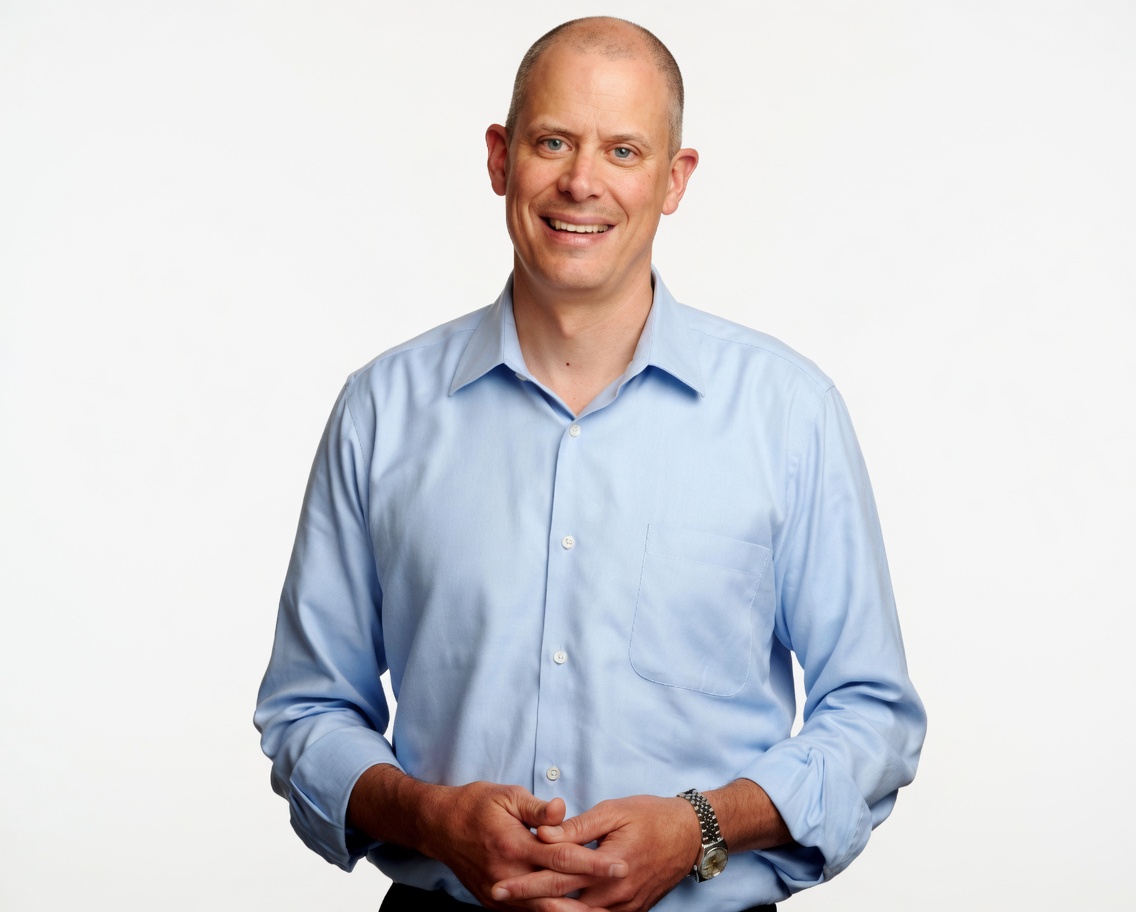
Most people who hit the biggest milestone of their careers - building the #1 health site in America, surpassing WebMD in 2019 after a decade of methodical grinding - might coast for a while. David Kopp took a board seat at Sleep Doctor instead, watched the company from close range, and in October 2024 stepped in as CEO.
This is a man who reads the opportunity like a lit major reads subtext. At Healthline, he noticed that health information was broken - cluttered, confusing, designed for search engines rather than people. So he reoriented an entire company around trustworthy, human-first editorial and watched traffic go from 1 million monthly US visitors to 70 million. When the company sold, private equity got five times their money back. When Kopp got up from that table, he was already looking at the next problem.
Sleep is a $400 billion market where the gap between suffering and treatment is embarrassingly wide. Roughly 50 million Americans have diagnosable sleep disorders. Most never get properly diagnosed. Getting a sleep study often means months of waiting, byzantine insurance paperwork, and sleeping in a clinical facility with wires on your head. Kopp thinks this is a solvable problem - and he's seen how digital health platforms can close exactly this kind of access gap.
I see tremendous opportunity to help millions of people sleep better. Accessing quality sleep care has been far more difficult than it needs to be.
- David Kopp, on joining Sleep Doctor as CEOSleep Doctor - operating SleepDoctor.com, SleepFoundation.org, and SleepApnea.org - sits at the intersection of editorial trust, e-commerce, and telemedicine. It's not a mattress brand. It's not a meditation app. It's a platform that brings together vetted sleep content, curated product recommendations (CPAP machines, sleep therapy accessories, monitoring devices), and at-home sleep study options. Kopp's job is to scale that into something much larger than its current 86-person, $13M-revenue footprint.
The playbook he's running is recognizable to anyone who watched Healthline's decade-long arc: earn trust through editorial integrity, build an audience on that trust, then create pathways from information to action. At Healthline, the action was clicking an ad or reading an article. At Sleep Doctor, the action is buying a CPAP machine, booking a telemedicine consult, or finally getting that at-home sleep study you've been putting off for years.
Disney, Yahoo, a startup he sold,
and one very expensive typo.
Kopp studied literature at Harvard College - not business, not pre-med, not computer science. He graduated into a world where the internet was barely a footnote, and spent a brief stint as a metro desk reporter before concluding that the daily drumbeat of news coverage was, as he put it, depressing. He pivoted toward the business side of media and never looked back.
Early stops included the Walt Disney Company (marketing for a division) and Yahoo!, where he ran North American ad product marketing at a time when Yahoo was the internet's front door. He also founded and sold Winfire, a consumer search business - his first exit, a signal of what was to come. Along the way, he held leadership roles across internet advertising and technology startups, accumulating the specific operational fluency that distinguishes a builder from a strategist.
By 2010, he was at the helm of Healthline Media. The company had one million monthly US visitors and a lot of noise to cut through. Kopp made a bet: editorial quality, not SEO gamesmanship, would win. He invested nearly 20 times more per article than at launch. He built out Medical News Today alongside Healthline.com. He hired journalists and doctors. He ignored the shortcuts. The audience grew steadily, compounding year over year, until Healthline.com crossed into #1 territory in 2019 - passing WebMD after nearly a decade of patient pursuit.
Early in his career, Kopp made a budgeting error worth $17,000 - roughly 5% of his total budget at the time. He went to his boss expecting a reprimand. Instead, she asked: "How are you going to make it up?" When Kopp admitted he couldn't, she laughed - and told him to figure it out. The lesson he carried forward: budgets are guidelines. The real metric is whether you beat the bottom line. Perfection isn't the goal. Recovery is.
He left Healthline in 2020 after leading the company's sale and returning five times the capital to private equity investors. He didn't retire. He joined the board of Sleep Doctor, took the Executive Chair role at Oar Health (a prescription-based alcohol addiction treatment platform), and collected healthcare board seats at Breastcancer.org (where he chairs), MDVIP, Healthcentral, and HealthTap.
The pattern is consistent: find a healthcare sector where the information gap is causing real harm, build or join a platform that closes it, and execute with patience and rigor. Sleep was an obvious next frontier for someone who'd spent a decade making health information more accessible.
Career at a Glance
What he says when
he's not being diplomatic.
"People create value."
"Life is too short."
"There are no silver bullets, shortcuts, or band-aids."
"Excellence is a commitment to make something better today than yesterday."
"Doctors should prescribe more education for their patients. There's a lot of modern technology to assist in this."
"Focus on the needs of your customers and make sure you really deliver."
Patient capitalist,
purposeful builder.
Kopp doesn't do pivots or moonshots. He finds a problem that's genuinely causing harm - health misinformation, alcohol addiction, broken sleep care - and builds toward a solution with the rigor of someone who knows that trust, once lost, is nearly impossible to rebuild. At Healthline, he invested heavily in medical editorial standards at a time when most digital publishers were cutting costs to chase traffic. The bet paid off slowly, then all at once.
His philosophy on leadership shifted after losing a team executive to suicide. Mental health became a core part of how he thinks about managing people and building organizations - not as HR policy, but as genuine conviction. He talks about "car and house payments" as a reminder that leadership responsibility is real and personal: the people who work for you are counting on decisions made in conference rooms they've never seen.
The airline analogy he uses for patient engagement is revealing: travel companies send multiple messages preparing you for a flight. Healthcare providers, by contrast, diagnose you and then go silent. The gap between "you have sleep apnea" and "here's how to treat it tonight" is where Sleep Doctor operates - and where Kopp sees his clearest opportunity.
Doctors should prescribe more education for their patients. There's a lot of modern technology to assist in this.
- David Kopp, on healthcare's patient engagement problemThree things that
explain him better than a resume.
The other stuff.
B.A., Literature
(surname + opportunity)