san-diego-biotech
(38)
Adam Kinsey Built His Career in the Space Between the Lab and the Ledger
The Ventrix co-founder trained as an engineer, learned the grammar of patents and then spent more than a decade turning an academic biomaterial into a company built for the long haul.
Pilgrim Jackson Is Teaching Cancer Drugs to Find Their People
After 13 years inside Celgene, the biochemist left to chase a stubborn question: what if a drug fails because its trial never found the patients whose proteins say yes?
Ahmet Tutuncu Has Spent 30 Years Fixing the Last Inch of Medicine
A physician-scientist turned three-time respiratory founder, Ahmet Tutuncu keeps returning to an unfashionable question: what good is a sophisticated drug if its delivery device gets in the way?
Klotho Therapeutics Raised $10 Million to Bottle a Longevity Protein. The Hard Part Is Still Human Proof
Klotho Therapeutics has a patented protein, a myth-sized ambition and a very human bottleneck: animal evidence is intriguing, but patients need manufacturing, dosing and trials - not mythology.
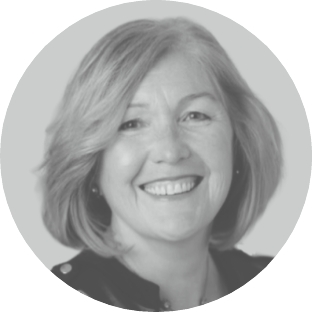
Eiry Roberts Built the Bridge From Lab Bench to Boardroom
Across 26 years at Lilly and seven as Neurocrine's chief medical officer, Eiry Roberts learned that drug development is less a straight line than a chain of judgment calls. Her next chapter puts that operating memory to work in the boardroom.

Neurelis Put an Old Seizure Drug in the Nose - and Built a $300 Million Business Around the Hard Part
The medicine was familiar. The delivery problem was not. Neurelis spent more than a decade making diazepam work as a practical nasal rescue treatment - then showed how a narrow patient problem can become a platform, a pipeline and a profitable commercial company.

The Biotech Betting That Cancer Drugs Fail Because Nobody Looked at the Proteins
80% of cancer compounds that reach clinical trials fail. Yatiri Bio thinks the problem is that drug developers have been reading the wrong molecules - and it built a proteomics platform to prove it.

Neurocrine Biosciences
One movement-disorder medicine turned a San Diego research shop into a multibillion-dollar biopharma. Now Neurocrine is spending that advantage on rare endocrine disease, psychiatry and the difficult biology between brain and body.
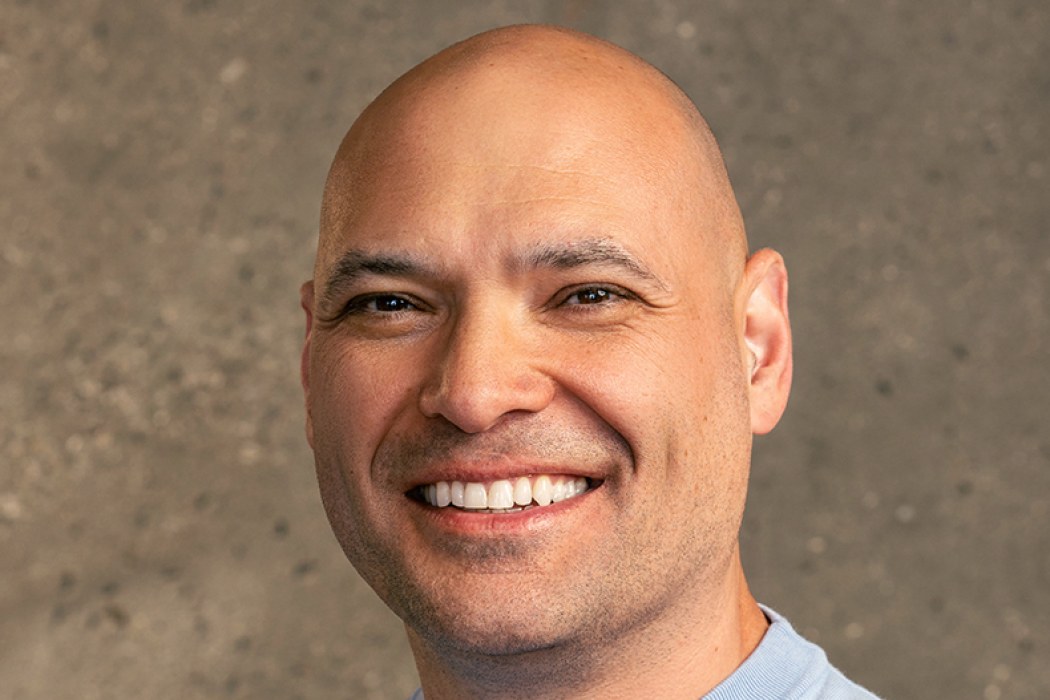
Serge Messerlian
Serge Messerlian is the Chairman and CEO of Creyon Bio, a San Diego biotech using AI to design oligonucleotide medicines. A life-science operator with more than 25 years across oncology, hematology, immunology and rare disease, he has led Teon Therapeutics as CEO, run Janssen Oncology as President at Johnson & Johnson, and held senior roles at Actelion, Baxalta and Baxter International. He joined Creyon first as an investor and board member through DCVC Bio, then stepped in as Executive Chairman and Acting CEO in fall 2024 and took the full CEO title in April 2025 as the company prepares to enter the clinic in 2026.
Floré
Floré, built by San Diego biotech Sun Genomics, makes probiotics the slow way: you mail in a stool sample, an accredited lab reads the whole genome of your gut microbiome, and an algorithm trained on tens of thousands of prior formulations builds a supplement matched to the bacteria you actually carry. Founded in 2016 by former Illumina and LabCorp genomicist Sunny Jain, the company sells a subscription that re-tests and re-formulates over time, and has published peer-reviewed research pairing its precision synbiotics with gut and autism-spectrum outcomes.
MBrace Therapeutics
MBrace Therapeutics is a clinical-stage oncology company building antibody-drug conjugates (ADCs) against hard-to-drug cancer targets. Its proprietary SPARTA platform screens antibodies directly inside living tumors to surface antigens that are cancer-specific, accessible, and internalizing - the traits an ADC needs to deliver its toxic payload where it counts. Founded in 2020 and headquartered in San Diego, the company raised an $85M Series B in 2023 (led by TPG) to advance a pipeline led by MBRC-101, a first-in-class ADC targeting the EphA5 receptor now in Phase 1/2 clinical trials.
Aizen Therapeutics
Aizen Therapeutics is a San Diego, AI-driven biotech spun out of Caltech that designs Mirror Peptides - synthetic drugs built entirely from D-amino acids, the mirror image of the L-amino acids that make up natural proteins. Its DaX platform pairs generative AI with structural biology to design these molecules from scratch, aiming for drugs with the potency of biologics but greater stability, lower immunogenicity, and the potential to be taken orally. The company emerged from stealth in November 2024 with a $13M seed round.
Allison Luo
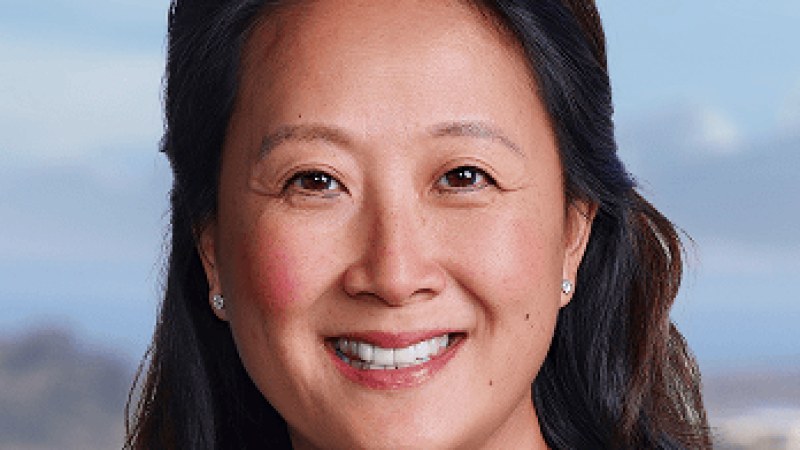
Allison Luo, MD is the Chief Medical Officer of Mirador Therapeutics, a San Diego precision-medicine company that launched in 2024 with more than $400 million to attack immuno-fibrotic diseases using its Mirador360 development engine. A physician scientist with more than two decades in clinical development, she was CMO of Prometheus Biosciences before Merck bought it for $10.8 billion, and has since reassembled with that team to build Mirador. She sits on the board of Triveni Bio and has held medical-leadership roles across Ventyx, Biora, Iveric Bio and Bristol Myers Squibb.

Alterome Therapeutics, Inc
Alterome Therapeutics is a San Diego-based clinical-stage biopharmaceutical company building next-generation small molecule cancer drugs aimed at specific oncogenic mutations. Using its Kraken platform - a structure-guided, machine-learning approach to drug design - Alterome has advanced two precision oncology programs into the clinic: ALTA2618, an AKT1 E17K mutation-selective inhibitor, and ALTA3263, a KRAS-selective inhibitor covering roughly 90% of KRAS mutations including G12V and G12D.
Ajay Kshatriya
Ajay Kshatriya is the CEO and co-founder of Aizen Therapeutics, a San Diego biotech that spun out of Caltech to build 'Mirror Peptides' - drugs made entirely of D-amino acids, the mirror image of the proteins nature uses. The company launched from stealth in November 2024 with $13M and a generative-AI platform called DaX. Before Aizen, Ajay founded and ran Biota, an environmental genomics company acquired by Novozymes in 2021 after creating roughly $400M in economic value and saving 1.2 billion gallons of water for industrial clients. A UC Berkeley and Stanford-trained chemical engineer who began his career at Genentech and learned company-building as a seed investor at XSeed Capital, he now also invests in Caltech science startups as a partner at Wilson Hill Ventures.
858 Therapeutics
858 Therapeutics is a clinical-stage biotechnology company in San Diego building small-molecule cancer drugs aimed at novel targets in DNA damage response, RNA modulation, and innate immunity. Its lead candidate, the oral PARG inhibitor ETX-19477, is in a first-in-human Phase 1/2 trial for advanced solid tumors and has won FDA Fast Track designation for BRCA-mutated, platinum-resistant ovarian cancer. Founded in 2019 by a serial team of San Diego drug developers, the company has raised $110 million across Series A and B financings.
BlossomHill Therapeutics, Inc.
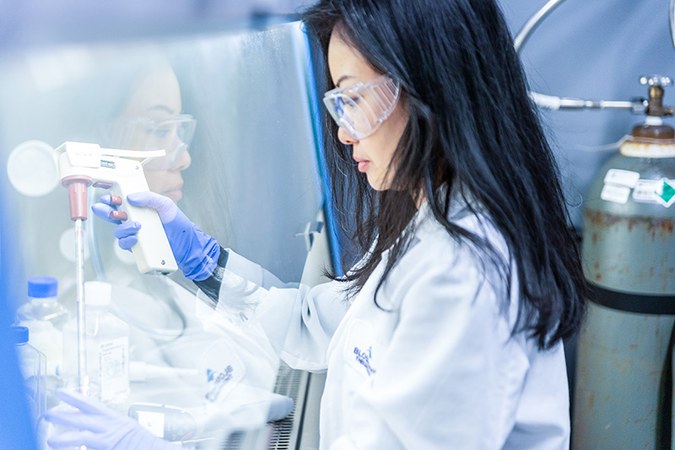
BlossomHill Therapeutics is a San Diego clinical-stage biopharmaceutical company designing small-molecule precision medicines for cancer and autoimmune disease. Founded in 2020 by drug designer J. Jean Cui and biotech veteran Y. Peter Li - the team behind Turning Point Therapeutics (acquired by Bristol Myers Squibb in 2022) - the company is advancing a wholly-owned pipeline led by BH-30643, a first-in-class macrocyclic OMNI-EGFR inhibitor for EGFR-mutant non-small cell lung cancer, and BH-30236, a CLK inhibitor targeting aberrant RNA splicing in AML and high-risk MDS.
Light Horse Therapeutics
Light Horse Therapeutics is a San Diego biotech founded in 2023 that flips traditional drug discovery on its head. Using a proprietary 'function-first' platform that pairs systematic CRISPR-based gene editing with chemical biology, the company first pinpoints which exact regions of a disease-driving protein are functionally critical, then hunts for small molecules that hit those precise sites. Launched out of Versant Ventures' Inception Discovery Engine with a $62M Series A and a Novartis collaboration worth up to $1 billion in milestones, Light Horse is targeting some of oncology's toughest, historically 'undruggable' proteins.
Alexander Casdin
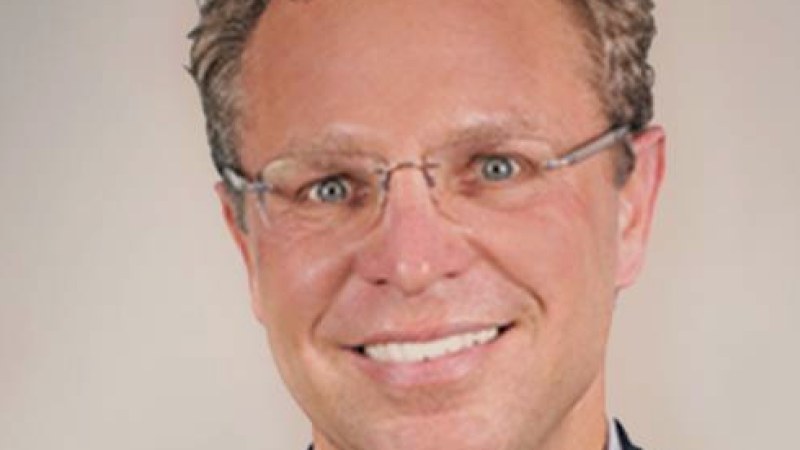
Alexander Casdin is the Chief Executive Officer of Epirium Bio, a San Diego biotechnology company developing small-molecule therapies to improve muscle function. A healthcare executive and institutional investor with more than 25 years in the industry, he stepped up from CFO and COO to CEO on January 1, 2025, the same month Epirium's lead drug MF-300 - a first-in-class oral 15-PGDH inhibitor for sarcopenia - cleared the FDA to begin human trials. Before Epirium he founded and ran Reneo Capital Management, was CFO of Sophiris Bio, and ran VP of Finance at Amylin Pharmaceuticals, and he sits on the board of Erasca as audit committee chair.
Andy Kidd
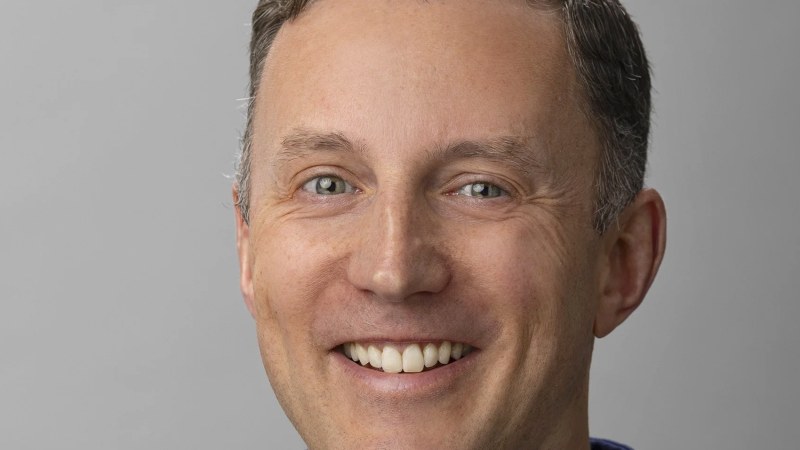
Andy Kidd is the chief executive officer of Tentarix Biotherapeutics, a San Diego company building conditionally active multispecific biologics for oncology and autoimmune disease through its Tentacles platform. A physician turned operator, he carries an unusual pairing of credentials - an M.D. from Oxford and a CFA - and spent over two decades crossing from the consulting room into the boardroom, from Boston Consulting Group to Baxter International to the helm of Nasdaq-listed Aptinyx, which he took public. He stepped into the Tentarix CEO seat in April 2024 to scale a science-heavy startup backed by partnerships with Gilead and AbbVie.
Christopher Reyes
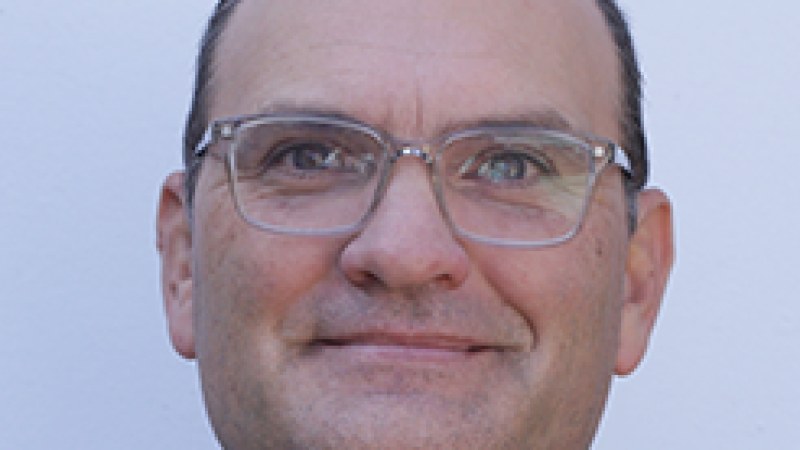
Christopher Reyes is a biophysicist turned serial biotech entrepreneur and the CEO, co-founder, and director of Bloom Science, a San Diego company developing living medicines that harness the gut-brain axis. Bloom's lead program, BL-001, is a first-in-class oral live biotherapeutic designed to replicate the anti-seizure effects of the ketogenic diet, built on technology licensed from UCLA. With a PhD in biophysics from UCSF and a track record that includes a fast-acquired cancer startup, Reyes is betting that genetically optimized gut bacteria can treat pharmacoresistant neurological diseases.
Dave Mullarkey
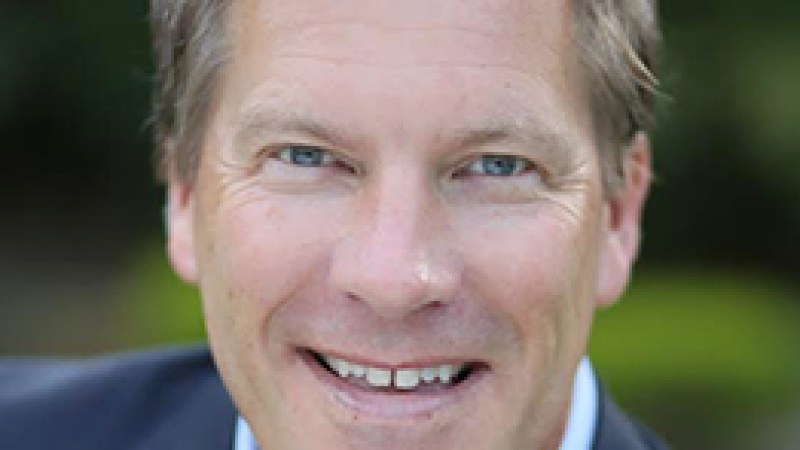
Dave Mullarkey is the CEO of ClearNote Health, a San Diego company that reads the chemical edits on your DNA to catch deadly cancers before symptoms show. A life-sciences operator who has shepherded three diagnostics and sequencing companies through scale-ups and acquisitions - Ariosa to Roche, Omniome to PacBio - he now leads the team behind the Avantect epigenomic blood tests for pancreatic and multi-cancer detection.
Neomorph, Inc.
Neomorph is a San Diego clinical-stage biotech building molecular glue degraders - small molecules that recruit the cell's own disposal machinery to destroy disease-driving proteins long written off as 'undruggable.' Founded in 2020 out of Deerfield Management with scientific founders who decoded how thalidomide-class drugs work, the company has assembled what it calls the world's largest proprietary molecular glue target space across a broad portfolio of E3 ubiquitin ligases. It has signed multibillion-dollar discovery pacts with AbbVie, Novo Nordisk, and Biogen, dosed its first patient with lead candidate NEO-811 in kidney cancer, and raised roughly $209M across Series A and B.
Pleno Inc.
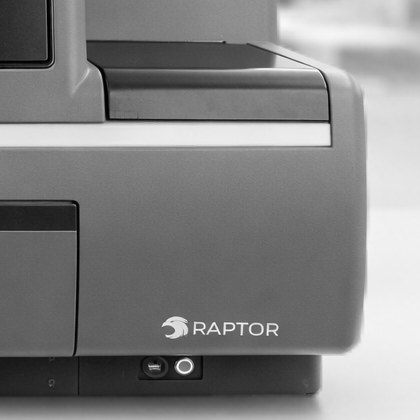
Pleno Inc. is a San Diego multi-omic instrument company rebuilding the economics of biological target detection. Its RAPTOR platform, powered by proprietary Hypercoding technology borrowed from telecommunications signal processing, can detect up to 10,000 targets in a single sample at PCR-like speed and cost. Founded by serial entrepreneur Pieter van Rooyen, the company is moving from R&D into commercial launch with backing from Deerfield Management and Foresite Capital.
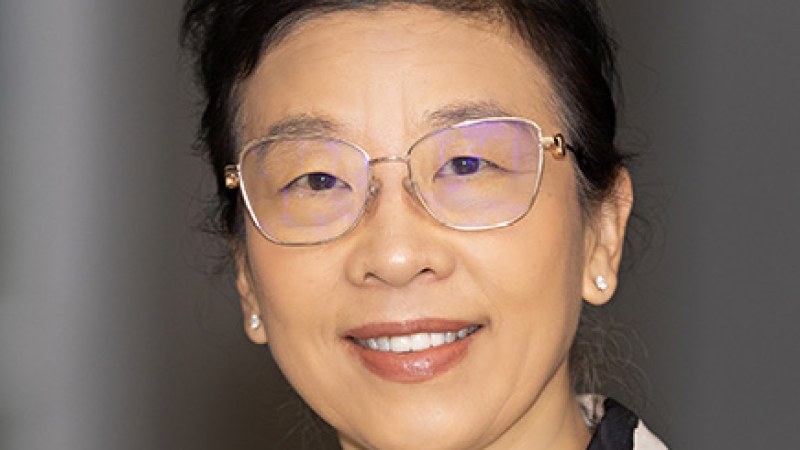
Jean Cui
J. Jean Cui is a medicinal chemist who has invented three FDA-approved cancer medicines and now runs the biotech she founded to do it again. As scientific founder, President and CEO of BlossomHill Therapeutics in San Diego, she designs small molecules built to outmaneuver the resistance mutations that defeat earlier drugs. Her crizotinib, lorlatinib and repotrectinib all began as chemistry problems she solved at the molecular level. In 2024 she was elected to the National Academy of Engineering. Her track record includes co-founding Turning Point Therapeutics, which Bristol Myers Squibb bought for $4.1 billion.
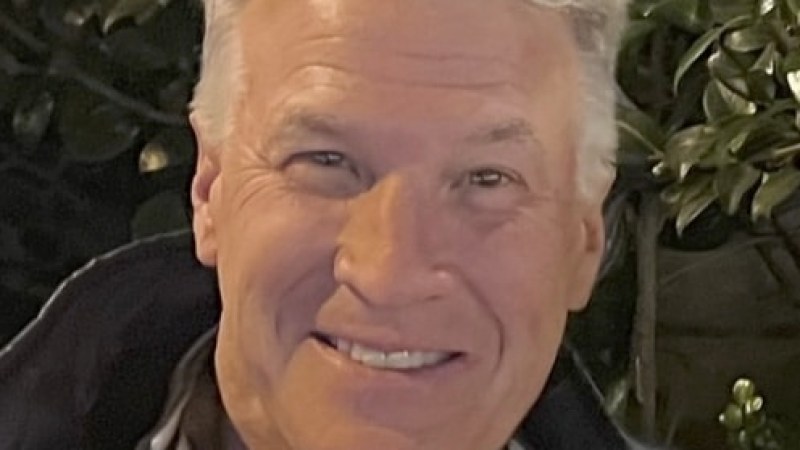
Jeffrey Stafford
Jeffrey Stafford is the CEO and co-founder of 858 Therapeutics, a San Diego clinical-stage biotech developing small-molecule cancer drugs against novel targets in DNA-damage repair, innate immunity and RNA epigenetics. A chemist by training, he has spent three decades turning molecules into medicines: his discovery teams contributed to three FDA-approved drugs, and he previously led Jecure Therapeutics (acquired by Genentech in 2018) and co-founded Quanticel Pharmaceuticals (acquired by Celgene in 2015). 858's lead asset, the PARG inhibitor ETX-19477, won FDA Fast Track status and posted a 57% response rate in BRCA-mutated ovarian cancer at ASCO 2026.

Tentarix Biotherapeutics
Tentarix Biotherapeutics is a San Diego biotech building conditionally active, multispecific biologics that switch on only at the cells where they are needed. Its proprietary stack - the VH-Select stabilized human VH scaffold, Tentacles multifunctional molecules, and the FunctionSeq mammalian-display screening engine - lets the company discover therapies with high cell selectivity and a wider therapeutic index across oncology, immuno-oncology, and autoimmune disease. Backed by Versant Ventures, Samsara BioCapital, Amplitude Ventures, and Gilead Sciences, and partnered with AbbVie and Gilead.
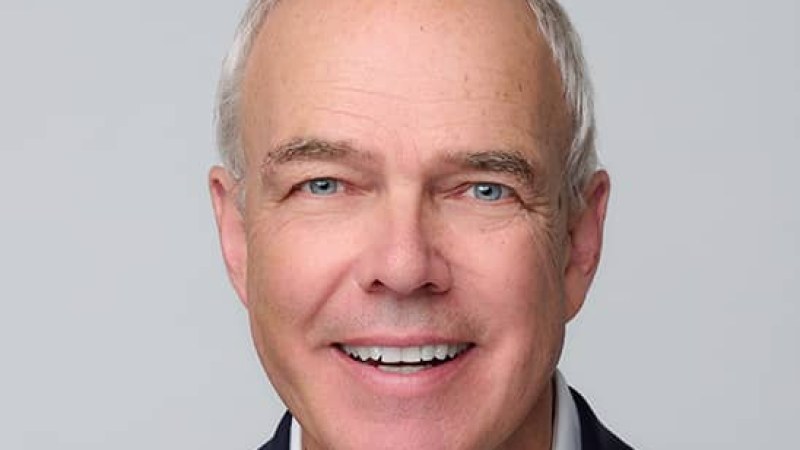
Markus Renschler
Markus Renschler is a medical oncologist turned biotech operator who runs Light Horse Therapeutics, a San Diego small-molecule drug discovery company that launched in January 2025 with a $62 million Series A and a Novartis deal worth up to $1 billion. He spent 25 years moving cancer drugs from the lab bench to the pharmacy counter, helped register blockbuster therapies in breast, lung and pancreatic cancer at Celgene and Pharmion, and previously took Cyteir Therapeutics from a discovery-stage startup to a publicly traded company. He trained at Princeton and Stanford and once built patient-specific lymphoma vaccines in Ron Levy's lab.

Zafrens
Zafrens is a San Diego biotechnology company building an ultra-high-throughput single-cell platform that isolates, images, runs assays on, and sequences millions of individual cells per day. Its Z-Screen technology swaps the conventional 96-well plate for a credit-card-sized plastic chip holding 50,000 to 200,000 microwells, each with integrated imaging and multi-omic sequencing. By linking perturbation to genotype, phenotype and function at single-cell resolution, Zafrens compresses multiple stages of drug discovery into a single benchtop experiment - a 500x to 2,000x jump in the number of experiments a scientist can run at one timepoint.

Bloom Science, Inc.
Bloom Science is a San Diego clinical-stage biotech translating the biology of the ketogenic diet into oral live biotherapeutics that act through the gut-immune-brain axis. Built on microbiome research licensed from UCLA and powered by its IrisRx discovery platform, the company is developing BL-001, a once-daily bacterial therapy being studied in obesity and in drug-resistant seizures from Dravet syndrome, with a pipeline reaching toward ALS and neurodegenerative disease.