The person deciding which drugs are worth the trial
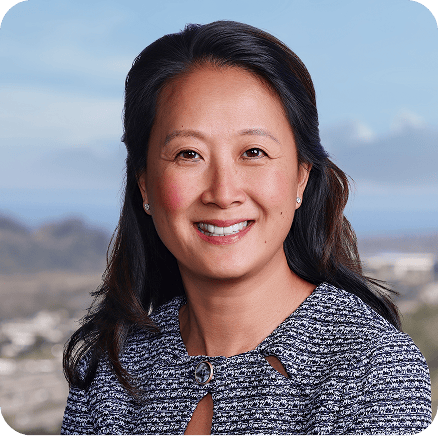
Allison Luo runs the clinic at Mirador Therapeutics, a San Diego company that walked into the world in 2024 already holding more than $400 million and a bold claim: it can shorten the distance between a genetic clue and a working medicine.
Mirador chases immuno-fibrotic diseases - the slow, scarring, immune-driven conditions that quietly wreck organs and rarely make headlines. Its instrument is the Mirador360 development engine, a blend of human genetics and heavy-duty data science meant to pick better targets before a single patient is dosed. Luo is the one who translates that engine's output into trials that regulators, physicians, and patients can trust. As Chief Medical Officer, she owns the hardest currency in biotech: clinical evidence.
It is a job she has done at company after company, in field after field. What makes it interesting is not the title. It is that she keeps choosing the same discipline - only build what the biology tells you to build - and keeps being right often enough that investors write nine-figure checks to work with her again.
The probability of success in drugging a target is higher when genetic linkage is present.
They sold the company. Then they rebuilt it.
Before Mirador, there was Prometheus Biosciences, where Luo served as Chief Medical Officer. In 2023 Merck bought Prometheus for $10.8 billion - one of the largest immunology acquisitions of its era. For most executives, that is the finish line: the exit, the confetti, the quiet retirement into advisory roles.
Instead, much of the Prometheus leadership team, Luo included, regrouped under CEO Mark McKenna and did the audacious thing. They started over. Mirador is, in effect, the same crew running the same playbook with fresh capital and a wider disease map. When a team gets a company acquired for eleven figures and immediately reassembles to try again, the market notices. ARCH Venture Partners, OrbiMed, and Fidelity were among those who backed the encore.
That is the tell about Luo. The interesting number is not the size of the exit. It is that the people who watched her work up close wanted to do it all over again with her in the same chair.
From a Northwestern lab bench to the medical chair
Luo earned both her biochemistry degree and her MD at Northwestern University, then sharpened her instincts with a drug development fellowship at Abbott Laboratories - the company that would later split off AbbVie. That fellowship matters: it taught her the industrial side of medicine, the part where a molecule has to survive statistics, regulators, and reality, not just a hypothesis.
From there she built range. At Bristol Myers Squibb she oversaw programs including Orencia and eldelumab. At Ophthotech, later Iveric Bio, she served as VP of Clinical Development and did the thing that separates talkers from operators: she completed two Phase 3 studies. Late-stage trials are where biotech dreams usually go to die. Getting two across the line is a resume most people would coast on.
She did not coast. She moved into gastroenterology as Senior Vice President of Clinical Development at Progenity, now Biora Therapeutics, then took the Chief Medical Officer seat at Escalier and Oppilan, both folded into Ventyx Biosciences. Immunology, ophthalmology, gastroenterology - three different organ systems, one consistent method. Read the biology first. Then, and only then, run the trial.
A career in moves
Genetics first, guesswork last
There is a quiet radicalism in how Luo talks about her work. When she joined Triveni Bio's board in 2023, she did not reach for the usual language about disruption or moonshots. She reached for probability. Drug a target with genetic linkage to the disease, and your odds go up. Drug one without it, and you are gambling with patients' time and investors' money.
It sounds obvious. It is not how much of the industry actually behaves. Plenty of programs launch on a promising cell-culture result and a good story. Luo's whole career is a bet against that habit - a preference for evidence that starts in human genetics and ends in a completed trial. That is the through-line from Prometheus to Triveni to Mirador: fewer, better shots, aimed by data instead of hope.