biopharmaceuticals
(28)
Vir Biotechnology’s Second Act Comes With a Mask
After COVID antibodies and a failed flu trial, Vir is betting on hepatitis delta and cancer drugs designed to switch on inside tumors. Its comeback has partners and cash. The decisive clinical tests are still ahead.

Henry Hsu Has Spent a Career Turning Small Molecules Into Big Decisions
The physician-founder behind Allysta learned biotech from the least glamorous end: protocols, partnerships and the long distance between a promising mechanism and a credible medicine.

Peroxitech Put $25 Million Behind a Nine-Amino-Acid Bet on Saving Injured Lungs
The Philadelphia spinout is trying to stop acute lung injury before oxidative damage snowballs. Its unusually small peptide has survived mice, pigs and a $25 million financing - but the decisive human test still lies ahead.
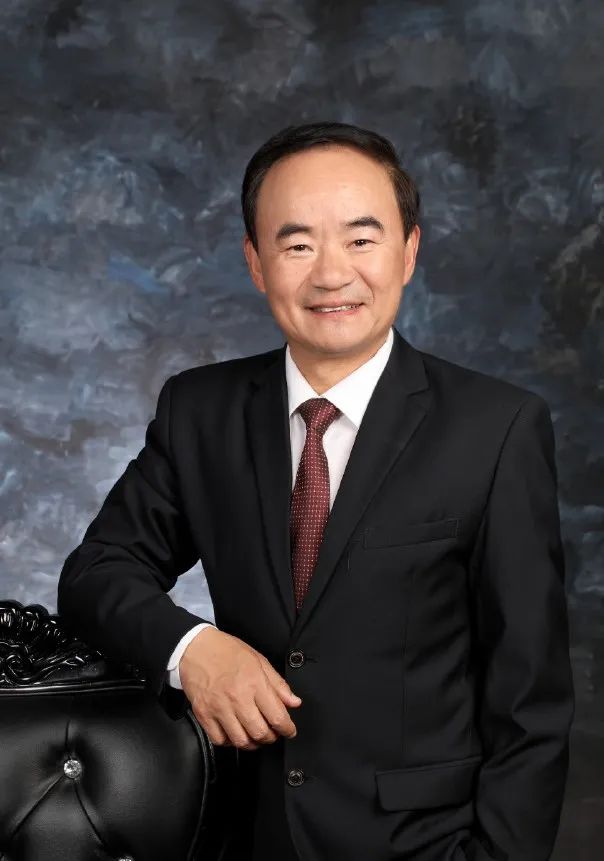
Jieyi Wang’s Long Bet on Antibodies That Need a Second Signal
After 22 years inside Abbott and AbbVie, the antibody scientist started Lyvgen around a precise design problem: how to make immune activation depend on where - and with what - an antibody binds.
Legend Biotech
Legend Biotech turned an experiment from a room the size of a freight elevator into a medicine used to treat more than 10,000 people. Now it must prove that one demanding, personalized therapy can become a platform for the next generation of cancer care.

Sun Pharma
Sun Pharma became India’s largest drugmaker by mastering generics. Now a portfolio of skin, eye and cancer medicines - and an audacious pending Organon deal - is changing what the company wants to be.
Genmab
A Danish antibody specialist turned one licensed molecule into a multibillion-dollar royalty engine. Now Genmab is spending that advantage on a harder act: becoming the company that carries more of its own cancer medicines from lab bench to patient.
Alnylam Pharmaceuticals
Alnylam spent 16 years teaching a fragile strand of RNA to reach the right cells. Now its gene-silencing medicines are a multibillion-dollar business - and the next test is whether the same platform can move from rare diseases into the medical mainstream.
Arcus Biosciences
Arcus built a biotech around a deceptively practical idea: own the pieces of a drug combination before trying to assemble it. After a major TIGIT setback, its next chapter now rests on a kidney-cancer pill, a pancreatic-cancer trial and a careful expansion into inflammation.

Neurotech Pharmaceuticals, Inc.
Neurotech Pharmaceuticals is a Cumberland, Rhode Island biotechnology company that develops long-acting therapies for chronic retinal diseases using its Encapsulated Cell Technology (ECT) platform - a tiny implant of genetically engineered cells that continuously secretes a therapeutic protein inside the eye. In March 2025 its lead product ENCELTO (revakinagene taroretcel-lwey, formerly NT-501/Renexus) became the first and only FDA-approved treatment for macular telangiectasia type 2 (MacTel), delivering ciliary neurotrophic factor (CNTF) to slow the loss of photoreceptors.

Ansa Biotechnologies, Inc.
Ansa Biotechnologies is an Emeryville, California biotech company that makes custom synthetic DNA using a proprietary enzymatic synthesis platform. Its no-assembly approach can build long, complex, high-fidelity DNA sequences - including clonal constructs up to 50 kilobases - that stump legacy chemical methods, and it backs delivery with an industry-first On-Time Guarantee. Founded in 2018 by UC Berkeley researchers, Ansa serves scientists across pharmaceuticals, gene therapy, agriculture, and industrial biotech.

Myris Therapeutics
Myris Therapeutics is a Pittsburgh-based precision oncology company building the next generation of antibody drug conjugates (ADCs). Formerly BioHybrid Solutions, Myris uses proprietary polymer chemistry rooted in Carnegie Mellon's ATRP (atom transfer radical polymerization) technology to grow polymer bottlebrushes on antibodies, achieving ultra-high drug-to-antibody ratios (DAR) of 50-300 - roughly 10 to 100 times higher than conventional ADCs. That capability opens up new chemical space for cancer payloads that were previously unusable, aiming to deliver more potent, precisely targeted therapies.
Allison Luo
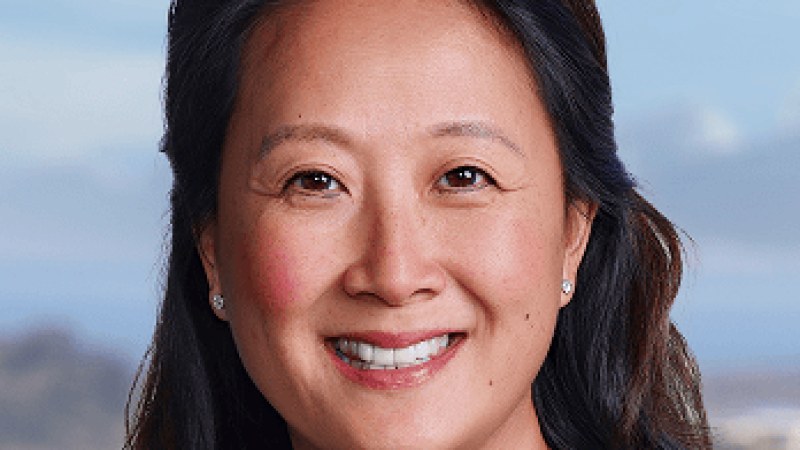
Allison Luo, MD is the Chief Medical Officer of Mirador Therapeutics, a San Diego precision-medicine company that launched in 2024 with more than $400 million to attack immuno-fibrotic diseases using its Mirador360 development engine. A physician scientist with more than two decades in clinical development, she was CMO of Prometheus Biosciences before Merck bought it for $10.8 billion, and has since reassembled with that team to build Mirador. She sits on the board of Triveni Bio and has held medical-leadership roles across Ventyx, Biora, Iveric Bio and Bristol Myers Squibb.

Luis Alvarez
Luis Alvarez is the founder and CEO of Theradaptive, a Frederick, Maryland biotech engineering proteins that latch onto implants and surgical materials to trigger the body to regrow bone, cartilage, and other tissue exactly where it is needed. A retired U.S. Army lieutenant colonel and MIT-trained biological engineer, he traced the idea back to a combat tour in Iraq, where soldiers under his command lost limbs to delayed amputations. Theradaptive has since won multiple FDA Breakthrough Device Designations, raised more than $43 million, and moved its lead protein, AMP2, into human clinical trials.
Philina Lee
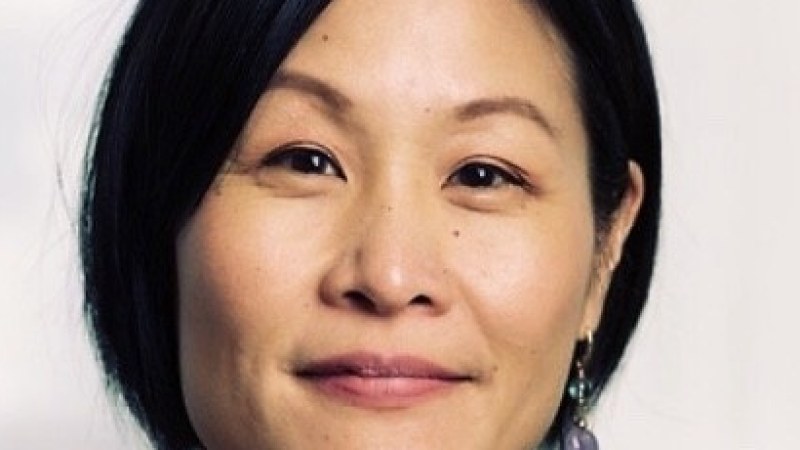
Philina Lee, PhD is the Chief Executive Officer of AdvanCell, a clinical-stage radiopharmaceutical company developing targeted alpha therapies for cancer built on a proprietary Lead-212 platform. A biopharmaceutical executive with more than two decades in oncology, she was Chief Commercial Officer at Blueprint Medicines (acquired by Sanofi for roughly $9.5 billion) and earlier helped build the organization at Algeta that launched Xofigo, the first approved alpha therapy. Trained as a cell biologist at MIT, she took the AdvanCell helm on January 1, 2026 to lead the company's US expansion from a new Boston-area headquarters and advance its lead candidate 212Pb-ADVC001 for prostate cancer.
Jesse Chen
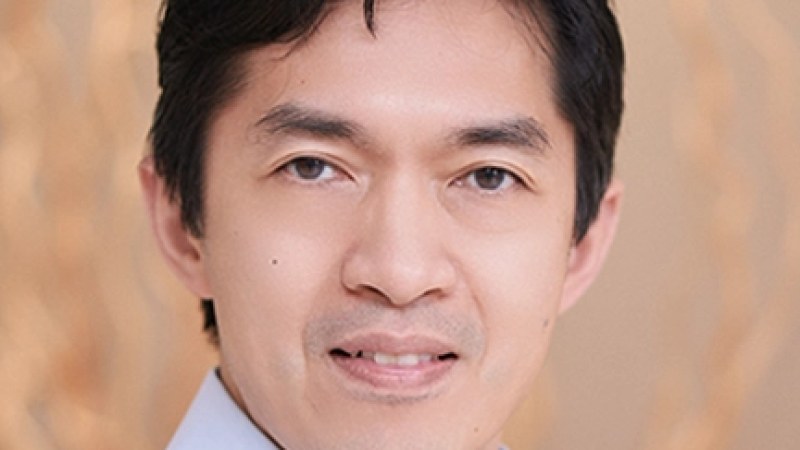
Jesse Chen is the founder, president and CEO of Fortitude Biomedicines, a Waltham, Massachusetts biopharmaceutical company that launched in January 2026 with $13 million in seed financing. A serial biotech entrepreneur with an MIT PhD in biological chemistry, Chen previously co-founded TRIANA Biomedicines and Avilar Therapeutics, was the founding scientific hire at Kymera Therapeutics where he built its targeted protein degradation platform, and held discovery roles at Moderna and Millennium Pharmaceuticals. At Fortitude he is betting that molecular glue payloads, packaged into a platform he calls GLUE-DAC, can overcome the drug resistance that limits today's antibody-drug conjugates and extend them into autoimmune disease.

Joel Barrish
Joel Barrish is the President and CEO of Avilar Therapeutics, a Waltham, Massachusetts-based biotechnology company pioneering extracellular protein degradation. A medicinal chemist by training with a Ph.D. from Columbia University, Barrish spent 28 years at Bristol Myers Squibb rising to VP and Global Head of Discovery Chemistry, co-inventing blockbuster drugs including SPRYCEL (dasatinib) for leukemia. After stints as CSO at Achillion Pharmaceuticals and co-founder/President at Jnana Therapeutics, he founded Avilar in 2019 to build the ATAC and MTAC platforms - bifunctional molecules that hijack the body's own cellular recycling machinery to degrade disease-causing proteins outside the cell, a class of targets previously undruggable. Avilar has raised $75 million in total seed financing.

Laura E. Benjamin
Laura E. Benjamin is the CEO and President of Myris Therapeutics, a Pittsburgh-based biotech building ultra-high DAR antibody-drug conjugates that fuse polymer chemistry with cancer biologics. A molecular biologist by training, she has moved from Harvard pathology labs to Eli Lilly oncology leadership to two CEO chairs - most recently steering OncXerna through more than $100 million in clinical-stage financing before taking the helm at Myris in 2024.

Bernard Ravina
Bernard Ravina is a Johns Hopkins-trained neurologist who spent two decades treating people with dystonia before deciding the field needed a drug that did not yet exist. In 2025 he founded Vima Therapeutics in Cambridge, Massachusetts, and is its CEO, advancing VIM0423, a once-daily oral therapy aimed at the dopamine-acetylcholine imbalance behind movement disorders. The company emerged from stealth with a $60 million Series A, later extended to $100 million, and dosed its first Phase 2 dystonia patient in March 2026.

Varda Space Industries
Varda Space Industries builds spacecraft that manufacture materials in microgravity and bring them back to Earth inside autonomous reentry capsules. The El Segundo company is best known for crystallizing pharmaceuticals in orbit - it grew crystals of the HIV drug ritonavir on its first mission - and for selling its capsules as hypersonic test platforms to the U.S. government. With its W-series vehicles, Varda is trying to turn low Earth orbit into a working factory floor and a routine, high-cadence delivery service back to the planet's surface.

AdvanCell
AdvanCell is a vertically integrated, clinical-stage radiopharmaceutical company developing a pipeline of targeted alpha therapies (TAT) for cancer, powered by its proprietary Lead-212 (212Pb) alpha isotope generator technology. By solving the chronic supply bottleneck of alpha-emitting isotopes, AdvanCell aims to deliver highly potent, tumor-specific radiation that destroys cancer cells while sparing healthy tissue. Its lead asset, ADVC001, a 212Pb-PSMA therapy, is in clinical trials for metastatic prostate cancer, with a deepening pipeline targeting melanoma, ovarian, breast, and lung cancers.

GlycoEra AG
GlycoEra AG is a Swiss-American clinical-stage biotech building a new class of precision medicines that selectively degrade the circulating proteins driving autoimmune disease. Spun out of LimmaTech Biologics in 2021 and powered by a proprietary glycoengineering platform, the company designs bifunctional biologics (G-LyTACs) that pull pathogenic autoantibodies out of the bloodstream with speed and depth - without the broad immune suppression of existing therapies. Its lead program, GE8820, targets pathogenic IgG4 autoantibodies. Backed by $179M across Series A and an oversubscribed $130M Series B, GlycoEra operates from Wädenswil, Switzerland and Newton, Massachusetts.
BreezeBio
BreezeBio (formerly GenEdit) is a Brisbane, California-based biotechnology company that develops precision genetic medicines using its proprietary NanoGalaxy platform - a library of polymer nanoparticles capable of delivering genetic payloads like mRNA, siRNA, and CRISPR components to specific tissues without triggering immune responses. Unlike viral vectors that can only be dosed once and often provoke dangerous immune reactions, BreezeBio's non-viral approach allows repeat dosing, broad payload flexibility, and tissue selectivity across immune cells, heart, lung, and CNS. Founded in 2016 out of UC Berkeley by CEO Dr. Kunwoo Lee and CTO Dr. Hyo Min Park, the company rebranded from GenEdit in early 2026 following its $60M Series B, signaling a shift from delivery-platform licensor to full therapeutic developer with a lead program (BRZ-101) targeting Type 1 Diabetes.
Mike Carusi
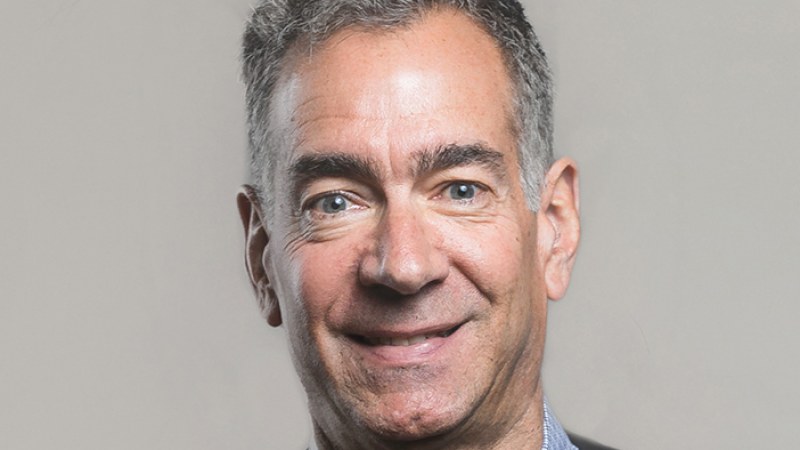
Mike Carusi is a General Partner at Lightstone Ventures, a leading life sciences venture capital firm based in Portola Valley, California, with $847 million in assets under management. With a career spanning over three decades in healthcare investing, Carusi has built a reputation as one of the most active early-stage investors in biotech and medical devices, appearing on the Forbes Midas List for top technology and life science investors. He co-founded Lightstone Ventures in 2014 after years at Advanced Technology Ventures (ATV), and has overseen landmark exits including Plexxikon (acquired by Daiichi Sankyo for ~$1 billion), Ardian (acquired by Medtronic for $800 million), Ra Medical Systems (acquired by UCB for $2.3 billion), and dozens more. He teaches healthcare venture capital at Dartmouth Tuck and is a faculty member of the Stanford Biodesign Emerging Entrepreneurs Forum.

Dino Dina
Dr. Dino Dina is a Genoa-born physician-scientist who spent 15 years building Dynavax Technologies as its President and CEO, shepherding the company through the long road toward HEPLISAV-B, a two-dose hepatitis B vaccine whose CpG 1018 adjuvant technology later became a cornerstone of global COVID-19 vaccine programs. Before Dynavax, he built the Vaccine Group at Chiron Corporation and led Chiron Vaccines to the first-ever approval of an adjuvanted influenza vaccine in Italy. Since retiring in 2013, he has poured equal scientific rigor into his Cimarossa estate on Howell Mountain, Napa Valley - 60 mountain acres of vines and 1,200 olive trees named for the Italian phrase meaning 'red hilltop.'
Frank D. Lee
Frank D. Lee is the Chief Executive Officer and Board Director of Pacira BioSciences, a specialty pharmaceutical company pioneering non-opioid pain management solutions. A 30-year industry veteran who immigrated to the United States from South Korea, Lee built his career across Eli Lilly, Janssen, Novartis, and a 13-year tenure at Genentech where he oversaw $11 billion in global product sales. Before joining Pacira in January 2024, he led Forma Therapeutics through a transformative journey from drug-discovery startup to clinical-stage biotech, culminating in a $1.1 billion acquisition by Novo Nordisk in 2022. At Pacira, Lee is executing the '5x30' strategy - five bold objectives to transform the company into an innovative biopharma powerhouse by 2030, including advancing the PCRX-201 gene therapy for knee osteoarthritis, which has already earned FDA Regenerative Medicine Advanced Therapy (RMAT) designation.

Jennifer Cygan
Jennifer Cygan is a seasoned biotech executive and Chief Business Officer at EpiBiologics, where she helps advance a pipeline of novel bispecific antibodies designed to selectively degrade extracellular protein targets in oncology and immunology. With a Ph.D. from Harvard and over two decades of business leadership in biotechnology, she has been a pivotal force at Genentech, Calico Life Sciences (managing a $2.5B AbbVie alliance), and has co-founded and served as CBO for multiple emerging biotech companies including Broadwing Bio, Eikon Therapeutics, GenEdit, and Plexium. Her career sits at the intersection of science and strategy - translating cutting-edge biology into deals, partnerships, and companies that matter.
Diana Peng Bockus
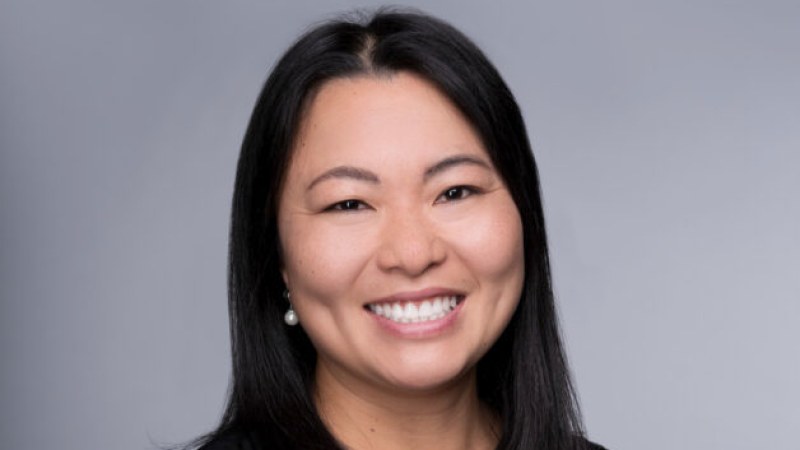
Diana Peng Bockus is the Chief Executive Officer of NGM Biopharmaceuticals, a South San Francisco biotech developing first-in-class medicines for liver disease, oncology, and ophthalmology. Appointed CEO in April 2025, she joined the company in 2020 to lead business development and restructured a pivotal Merck partnership that freed NGM to build a wholly owned pipeline. A Stanford and Wharton graduate with roots in management consulting at Bain & Company, she now steers a privately held biotech backed by $515M in total funding, focused on rare diseases like primary sclerosing cholangitis and hyperemesis gravidarum.