multi-omics
(19)
The Tiny Biotech Betting a Lab-Grown Liver Can Tell Pharma Which Drugs Will Fail
Drug development still asks mice to predict people. Viscient’s nine-person team is building human liver disease in a dish - then using it to decide which medicines deserve a clinical trial.

Plex Research
Plex Research is a Cambridge, Massachusetts company building an AI-powered scientific intelligence platform for drug discovery. Its proprietary focal graph technology stitches billions of minimally processed experimental data points from genomics, proteomics, chemical biology and clinical sources into a queryable biomedical knowledge graph, then pairs it with large language models so scientists get evidence-backed answers in seconds - every result traceable to the underlying experiments. Trusted by 40+ pharma and biotech teams, Plex helps researchers identify and evaluate drug targets, uncover hidden pharmacology, and, through its AutoPlex agent, run autonomous multi-step research campaigns.

Syntensor
Syntensor builds frontier AI foundation models for cellular biology and human genetics that simulate how drugs act inside the body before a single patient is dosed. Using dynamical systems simulation and neural differential equations over multi-omics data, its platform predicts drug efficacy, systemic toxicity, and the causes of clinical trial failure, then explains the mechanism behind each prediction. Founded out of the University of Cambridge and now headquartered in San Francisco, the company aims to build an accurate, interpretable mechanistic model of human physiology that de-risks pharmaceutical R&D.
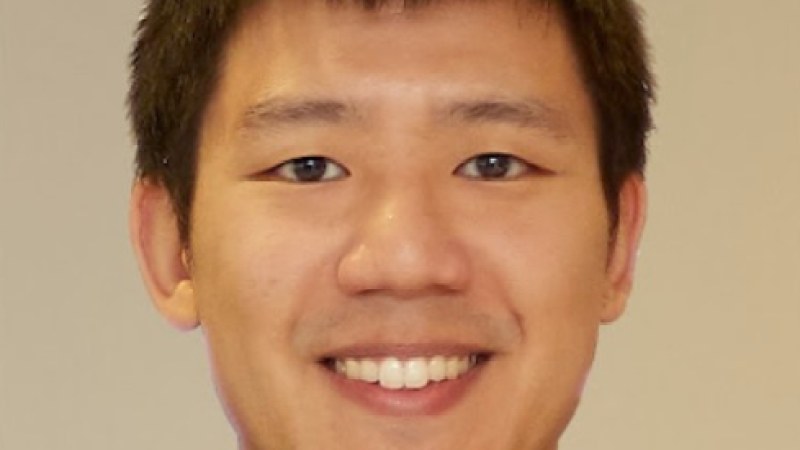
Jonathan Wang
Jonathan Wang is the co-founder and CEO of Watershed (Watershed Informatics / Watershed Bio), a Cambridge-based biocomputing platform that lets biologists run complex multi-omics analyses without writing code. An MIT computer scientist who once built a high-frequency trading hedge fund out of his dorm room, Wang co-founded Domeyard before pivoting to biology in 2019, applying the speed-obsessed engineering culture of quant finance to the sprawling data problem of modern drug discovery. Watershed raised a $14.5M Series A led by Canvas Ventures in 2023 and aims to become the dominant biocomputing platform for the world's scientists.

Clayton Rabideau
Clayton Rabideau is the founder and CEO of Syntensor, a San Francisco startup building foundation models and mechanistic simulations of human cell biology to predict drug efficacy, toxicity, and the hidden causes of clinical-trial failure. A Cambridge PhD in chemical engineering and biotechnology, he works at the seam between dynamical-systems mathematics and genomics - a co-author on HyenaDNA, the NeurIPS 2023 spotlight that stretched genomic language models to a million bases of context. He is trying to make biology as fast, iterative, and programmable as software.

Cajal Therapeutics
Cajal Therapeutics (originally launched as Cajal Neuroscience) is a Seattle biotechnology company developing novel medicines to restore biological homeostasis, with a focus on neurodegenerative diseases, anemias of inflammation, and iron-related disorders. Built on a platform that pairs integrative human genetics, high-throughput functional genomics, and industrialized whole-brain imaging with deep neuroscience expertise, the company aims to systematically validate disease targets at unprecedented scale and translate them into small molecule and RNA therapeutics. It launched in November 2022 with a $96 million Series A and counts a roster of celebrated neuroscientists among its co-founders.
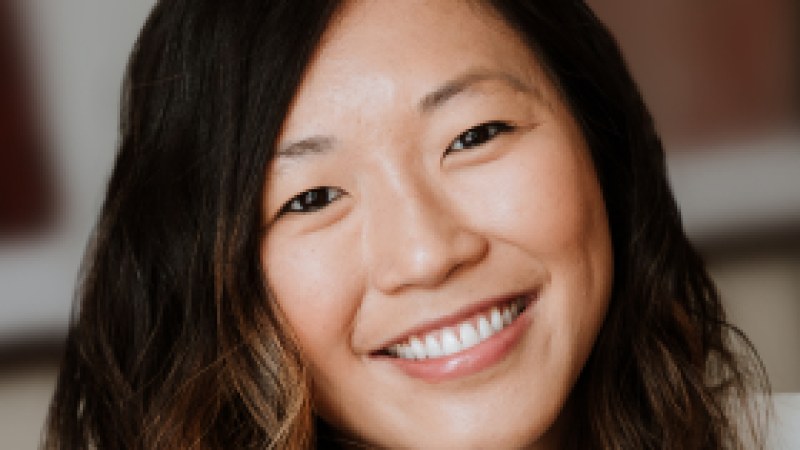
Alice Zhang
Alice Zhang is the CEO and co-founder of Verge Genomics (now Verge Labs), a San Francisco biotech she started in 2015 after walking away from an MD/PhD program at UCLA. She built a company that pairs machine learning with one of the largest collections of human brain tissue to find drug targets for diseases like ALS, Parkinson's and Alzheimer's. A Princeton molecular biology graduate, Soros Fellow and Forbes 30 Under 30 honoree, Zhang turned her inexperience into what she calls a 'superpower,' raising more than $130 million and partnering with Eli Lilly and AstraZeneca before pivoting the company toward selling its data and insights to pharma in 2025.

Matterworks
Matterworks is a Somerville, Massachusetts biotech-AI company building foundation models for molecular biology. Its Large Spectral Models (LSMs) are trained on billions of mass spectrometry spectra and read raw molecular signals directly, turning slow, manual mass-spec workflows into automated, untargeted absolute quantitation. Its flagship cloud platform, Pyxis, acts as a predictive omics assistant that converts raw LC-MS data into identified, quantified molecules and biological insight - making mass spectrometry usable by any biologist rather than only specialist analysts.

MetaNovas AI
MetaNovas (MetaNovas Biotech) is an AI-driven biotech company building a drug and disease discovery platform that compresses the slow, failure-prone front end of R&D. Its stack of proprietary engines - MetaNLP, MetaKG, MetaOmics and MetaPep - reads millions of scientific documents, maps biomedical knowledge, and designs bioactive peptides before anything reaches a lab bench. The company applies that science to longevity beauty, cosmeceuticals, medical aesthetics and functional foods, working with global brands while pursuing novel targets, drug repurposing and precision-formulated consumer health products.
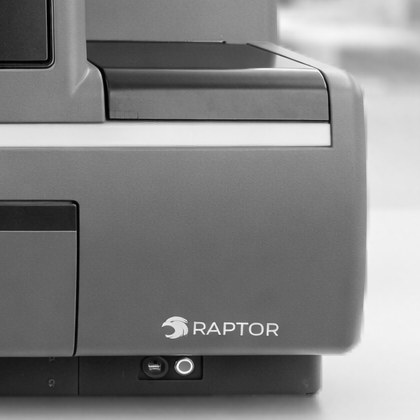
Pleno Inc.
Pleno Inc. is a San Diego multi-omic instrument company rebuilding the economics of biological target detection. Its RAPTOR platform, powered by proprietary Hypercoding technology borrowed from telecommunications signal processing, can detect up to 10,000 targets in a single sample at PCR-like speed and cost. Founded by serial entrepreneur Pieter van Rooyen, the company is moving from R&D into commercial launch with backing from Deerfield Management and Foresite Capital.
Verge Genomics
Verge Genomics is a South San Francisco biotech that builds drugs from human biology instead of mouse models. By assembling one of the largest proprietary multi-omics datasets drawn directly from human brain and tissue samples, then mining it with machine learning, its CONVERGE platform identifies disease targets and drug candidates for neurodegenerative diseases like ALS, ALS-FTD and Parkinson's. Founded in 2015 by Alice Zhang and Jason Chen, the company famously moved its first AI-discovered drug from research to the clinic in four years. After that ALS candidate failed its early trial, Verge has refocused on its core asset, the platform, repositioning to supply other drug developers with human-grounded target data.

Zafrens
Zafrens is a San Diego biotechnology company building an ultra-high-throughput single-cell platform that isolates, images, runs assays on, and sequences millions of individual cells per day. Its Z-Screen technology swaps the conventional 96-well plate for a credit-card-sized plastic chip holding 50,000 to 200,000 microwells, each with integrated imaging and multi-omic sequencing. By linking perturbation to genotype, phenotype and function at single-cell resolution, Zafrens compresses multiple stages of drug discovery into a single benchtop experiment - a 500x to 2,000x jump in the number of experiments a scientist can run at one timepoint.

Ampersand Biomedicines
Ampersand Biomedicines is a Boston-area biotech founded by Flagship Pioneering that builds programmable biologic medicines designed to act only where disease lives. Its computational Address, Navigate, Determine (AND) Platform maps the body for ideal localization targets and designs AND-Body Therapeutics that anchor at a disease site and conditionally switch on biology there, aiming to widen the therapeutic window and cut the off-tissue side effects that limit conventional drugs.

Paradigm4
Paradigm4 builds scientific data management and analytics software for the life sciences. Its flagship REVEAL platform and SciDB array database let pharma, biotech, and research institutions integrate and analyze massive multimodal datasets - genomics, multi-omics, imaging, clinical records, wearables, and environmental data - to find biomarkers and validate drug targets. Co-founded in 2010 by entrepreneur Marilyn Matz and Turing Award-winning MIT professor Michael Stonebraker, the company is based in Waltham, Massachusetts.
Watershed Bio
Watershed Bio (legally Watershed Informatics) is a Cambridge, Massachusetts startup building a unified, cloud-based platform for biological data analysis. Its product, Omics Bench, lets biologists and bioinformaticians securely store, harmonize, and analyze multi-omic data - genomics, single-cell and spatial transcriptomics, epigenomics, proteomics, metabolomics, microbial sequencing and protein folding - using customizable and AI-assisted workflows backed by elastic supercomputing. The pitch: go from sample to therapeutic insight in a single day instead of weeks, closing the gap between high-code and no-code bioinformatics for drug-discovery teams.
Vik Vaz
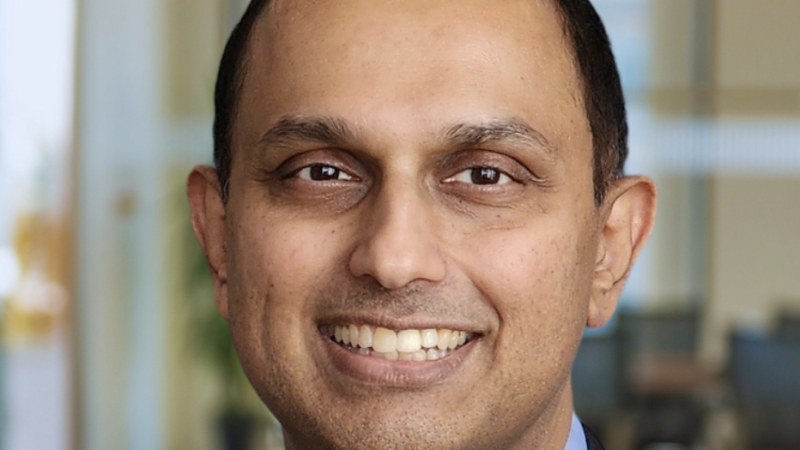
Vik Vaz is a physician-turned-executive who became CEO and President of San Diego multi-omics biotech Pleno Inc. in December 2024, arriving the same day the company closed a $25M Series B. Trained as a surgeon and interventional oncologist, he later ran strategy and companion diagnostics at Illumina and was a partner at both McKinsey and Boston Consulting Group. At Pleno he is commercializing the RAPTOR platform, which uses proprietary Hypercoding technology to detect DNA, RNA and protein targets in a single sample at high speed and low cost.

Elucidata
Elucidata is a TechBio company building Polly, a data-centric ML-Ops platform that harmonizes messy biomedical data into AI-ready datasets for pharma R&D. Founded in 2015 by Abhishek Jha and Swetabh Pathak, the company powers drug discovery work at Pfizer, Genentech, Janssen and dozens of biotechs from offices in San Francisco, Boston and Delhi.

Abhishek Jha
Abhishek Jha is the Co-Founder and CEO of Elucidata, a San Francisco-based AI company making biomedical data AI-ready for drug discovery and pharmaceutical R&D. A trained physical chemist with a PhD from the University of Chicago and postdoctoral work at MIT, he spent years at Agios Pharmaceuticals contributing to four FDA-approved first-in-class therapies before co-founding Elucidata in 2015. Under his leadership, the company has raised over $22.7M in funding, grown to 170 employees, and achieved $22.2M ARR, while evolving from a data-curation platform into an AI company solving out-of-distribution (OOD) problems in biomedical research - work that earned Elucidata recognition as one of Fast Company's Most Innovative Companies in 2024.
Yongwei Zhang
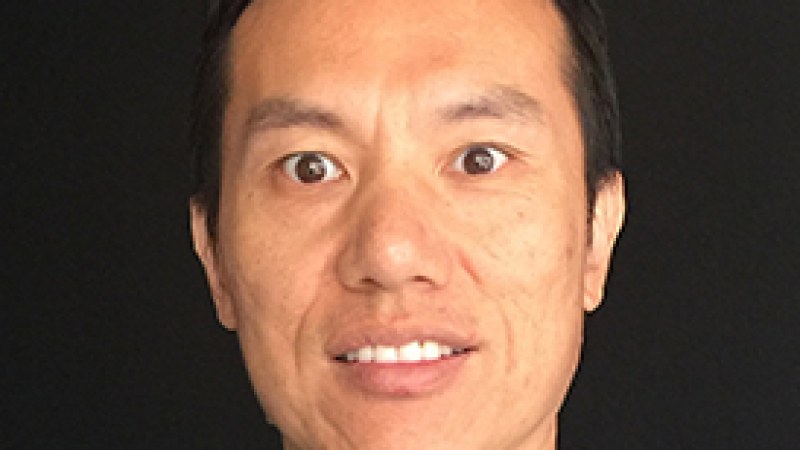
Yongwei Zhang is the CEO of Complete Genomics and MGI Americas, leading one of the most ambitious efforts to make whole-genome sequencing fast, accurate, and affordable at scale. With a PhD in Mechanical Engineering from Johns Hopkins and dual bachelor's degrees from Tsinghua University, Zhang brings a rare blend of optics precision, software fluency, and entrepreneurial grit to the genomics frontier. He architected the DNBSEQ sequencing platform series now used by over 2,600 researchers in 100 countries, and has positioned Complete Genomics as a formidable challenger to Illumina's market dominance - at a fraction of the cost.