hr-tech
(370)
Jaibir Nihal Singh and the art of being believed
He studied film in Malibu, built TraqCheck from Delhi, and found an audience by making fun of the world he knew. Across software and satire, Jaibir Nihal Singh keeps returning to the same problem: getting people to pay attention.

Lander Degrève Would Like You to Close the Laptop
The Spott co-founder left consulting to build recruiting software with two university friends. His test of progress is becoming rather personal: can the recruiter go home earlier?

Mariana Dias had a good job. Then she asked for a napkin.
A recruiting problem at Ambev sent Mariana Dias into business with three cofounders. Building Gupy would teach her when to move quickly, when to change her mind, and why some useful deals begin over Sunday breakfast.
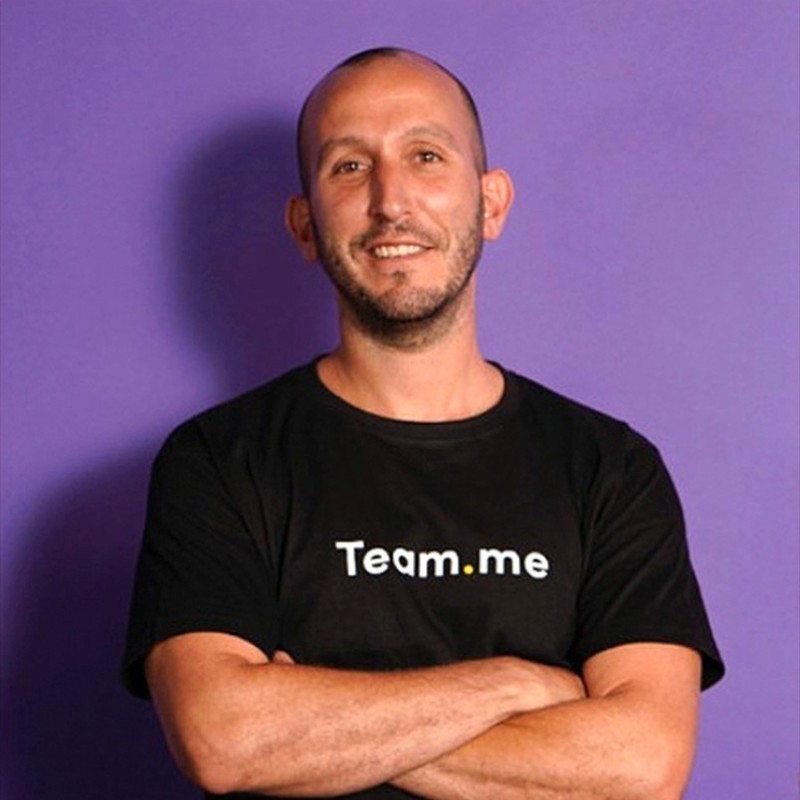
Yotam Tzuker and the value of a good introduction
A student meetup in Be’er Sheva became a career in bringing people together. From Tech7 to recruitment software, Yotam Tzuker keeps returning to the distance between having talent and getting through the door.

Matt Straz and the problem of the moving desk
He built Namely to make working life easier to understand. As the company grew, Matt Straz found that understanding his own workplace required a different kind of work.

Careerminds and the promise to stay until you land
A layoff ends a job. Careerminds sells employers a way to keep helping afterward - and is building a business around the careers that come next.

Allan Jones and the cost of doing it yourself
A family mini-market taught Allan Jones how expensive a missing HR department could be. After a clothing startup failed and a marketing career took off, he built Bambee for owners who could not afford one.

Benjamin Croc and the trouble with managing people
Badminton helped bring Benjamin Croc from France to Malaysia. Years spent leading teams gave the brioHR co-founder a second reason to stay: making the everyday work of managing people less cumbersome.
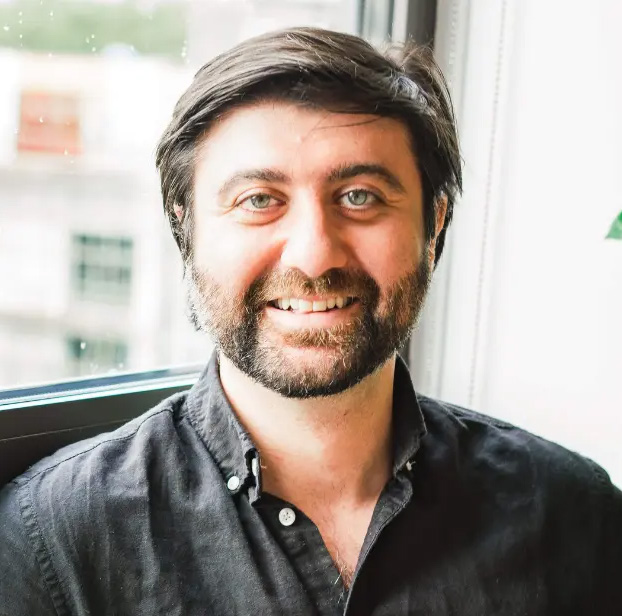
Sultan Saidov and the trouble with a perfect CV
Oxford and Goldman Sachs gave Sultan Saidov a convincing CV. Helping other people find work gave the Beamery co-founder a reason to question what a CV can tell you.

Josh Millet and the seven-minute problem
A medieval historian walked into a bad job interview and found a business idea. Twenty years after co-founding Criteria, Josh Millet is still asking what a résumé can really tell us.

Tanmaya Jain and the business of being heard
He started inFeedo in college, nearly gave up, and found a way forward by asking better questions. For Tanmaya Jain, the enduring experiment is whether a growing company can keep listening.

Sourabh Deorah and the small business of feeling valued
A student deals venture, a Microsoft benefits card, and a question about why people stay. Sourabh Deorah has spent his career turning everyday rewards into a business with Smiti Bhatt Deorah.

TMP Worldwide closes the gap between click and hire.
A recruitment ad agency became Radancy by following the candidate beyond the advertisement. Its real product is the connection between all the steps that usually fall apart.

Appcast makes every hiring dollar answerable.
A job ad can win a click and still lose a hire. Appcast built its business in that gap - then bought a century-old agency to follow the money further.

Independently wants proof before the first invoice
Hiring a freelancer is easy. Proving they belong outside payroll is the harder job Independently wants to make routine.

Hireology puts hiring on the clock
A great candidate can disappear while a manager clears their inbox. Hireology turns that everyday delay into a problem a business can see, measure and fix.

Li Guoxing and the work before the interview
Moka’s co-founder saw a business in the spreadsheets and messages holding recruitment together. His next bet asks how much of that work an AI colleague can take on.

Pascal Henry and the business of getting back to work
A recruitment entrepreneur tired of doing the paperwork helped build HReasily across Asia. Pascal Henry’s story runs through payroll, bank branches and the partnerships that turned a familiar frustration into a regional business.

Christoffer Haraldsson and the art of the handoff
From a three-hour business case in Hong Kong to the everyday complications of payroll, Christoffer Haraldsson has kept moving closer to the point where a good idea has to work for somebody else.

Kajetan von Armansperg and the price of one more cup of coffee
Kajetan von Armansperg helped build Leapsome from customer revenue before raising $60 million. Behind the funding story sits a quieter habit: writing things down, listening to feedback, and learning when to change his mind.

Richard Schrems and the advantage of staying
An Austrian HR consultant went looking for software that would work in Saudi Arabia. Building palm.hr became a longer lesson in local trust, employee experience, and the people behind the payroll.

Mukul Jain and the light-switch test
Long before conversational AI became a sales pitch, Mukul Jain wanted HR software to be as simple as switching on a light. At HONO, that small comparison has grown into a larger bet on how people should work.

Talal Bayaa and the price of changing your mind
A school friend, a family connection and a comparison website were the beginnings of Bayzat. Talal Bayaa’s longer education came from discovering which ideas to keep, which to abandon and when to send the bill.

Observatis wants to catch the quiet exit
The resignation letter arrives last. Observatis connects the workforce signals that come before it - pay, performance, learning and the slow loss of connection.

Keith Ryu and the value of changing your mind
A college learning project became Fountain, a hiring platform for hourly workers. Keith Ryu’s next chapter asks a different question: when a product succeeds, who gets paid?

Mohammed Akkar and the trouble between two desks
From Mukalla to Saudi enterprise software, Mohammed Akkar Al-Johi has built his career around practical problems. At Jisr, the next one sits between HR and finance.

Dorothy Yiu and the cost of being unheard
A founder was asked why she was not taking notes. Her business asks a more useful question: what happens after people speak?

Nina Alag Suri and the people a shortlist leaves behind
She built an executive search business from a garage, then set out to automate parts of her own trade. At X0PA AI, Nina Alag Suri is asking employers to look again at the candidates their hiring rules overlook.

Kamal Reggad and the business hiding inside the business
He set out to simplify business travel. When travel stopped, Kamal Reggad found his next company in the awkward business of paying his own team.

Jonathan Azoulay and the business of starting again
He built a recruitment agency, then a platform that competed with it. After talent.io’s rise and court-supervised sale, Jonathan Azoulay is turning his attention to the next owners of established businesses.