high-throughput-screening
(22)
Xellar Biosystems wants AI to learn from a liver
The Boston biotech builds human tissue models on microfluidic chips, then studies their responses with imaging and AI. Its wager: better drug predictions begin with better experiments.
The Second Handshake Changes Everything
Dualitas is betting that the most useful thing an antibody can do is not merely bind twice, but force the right two proteins into the same conversation. Roche just paid $36.5 million upfront to test that idea at industrial scale.
b12 Labs
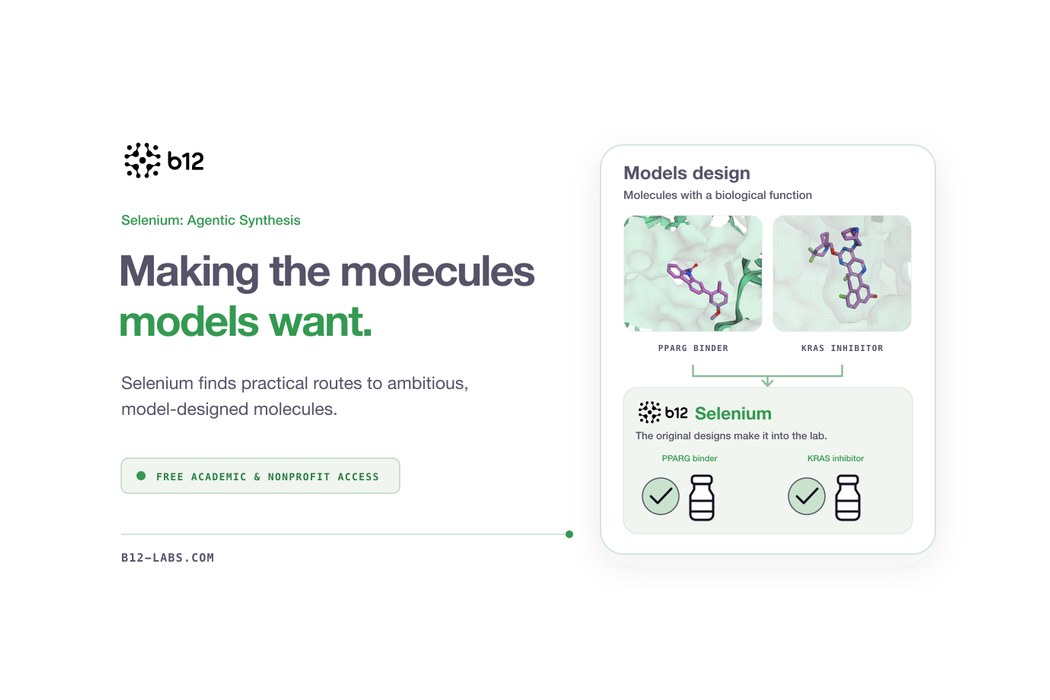
b12 Labs is a San Francisco startup (Y Combinator S25) building AI agents for pharmaceutical and biotech chemistry. Its platform designs synthesis routes, plans and optimizes reactions, and turns those plans into robot-ready code for automated labs, aiming to compress early-stage drug discovery from years to months. The company was founded in 2025 by chemists Zlatko Joncev and Andres Bran, who met at EPFL's Lab of Artificial Chemical Intelligence.

Galatek
Galatek is a Singapore-based automation and AI company building intelligent infrastructure for two sectors where precision and data integrity matter most: life sciences and advanced semiconductor manufacturing. It pairs robotics and machine vision with software - its Abio platform unifying ELN, LIMS, SDMS and lab automation, and its InteVega AI vision platform - to run smart labs and inspect chips. Led by CEO David Tian, Galatek raised roughly US$30 million in a Series A round announced in December 2025 to expand across Europe, North America and Southeast Asia.

Resonant Sensors Incorporated
Resonant Sensors Incorporated (RSI) is an Arlington, Texas biotechnology company that builds label-free optical biosensor systems based on its patented guided-mode resonance (GMR) technology. Its ResoSens Ultra-Mab Pro benchtop plate reader and disposable Bionetic microarray plates let researchers watch molecular binding interactions in real time, in a standard 96-well format, using tiny sample volumes and no fluorescent labels. RSI targets antibody discovery, epitope binning, hybridoma screening, kinetics and cell-based assays for immunotherapy, diagnostics and life-science research, and also offers analytical contract testing services.
TeselaGen Biotechnology
TeselaGen Biotechnology builds an AI-powered, cloud-based operating system for biological R&D. Spun out of the Department of Energy's Joint BioEnergy Institute and founded by Stanford and Berkeley scientists, its platform - organized around the Design-Build-Test-Learn cycle with DESIGN, BUILD, TEST and DISCOVER modules - lets researchers design DNA libraries, generate lab-robot assembly protocols, capture experimental data and apply machine learning to converge on better biological products faster. Customers span industrial biotech, biopharma and academia, including Amgen, LanzaTech, Twist Bioscience, Arzeda and Stanford.

Insamo
Insamo is a Berkeley-based biotechnology company spun out of UC Berkeley that is building membrane-permeable, orally available macrocyclic peptides with antibody-like binding affinity. By pairing machine-learning-driven molecular design with ultra-high-throughput molecular biology and parallel synthetic chemistry, Insamo runs automated design-synthesize-test cycles that generate trillions of proprietary data points - aiming to turn today's injected biologics into pills and to hit drug targets long considered undruggable. The company launched publicly in February 2024 with a $12M seed round led by Playground Global, venBio, and Merck's MRL Ventures Fund.

Talus Bio
Talus Bio is a Seattle drug-discovery company going after transcription factors and other regulatory proteins long written off as 'undruggable.' Its MARMOT platform measures the human regulome directly in living cells using functional proteomics and high-throughput mass spectrometry, then feeds tens of millions of compound-target interactions into a lab-in-the-loop AI system to design small molecules that switch disease-driving genes on or off. Founded in 2020 by Alex Federation and Lindsay Pino, the company runs preclinical programs in chordoma, non-small cell lung cancer, and prostate cancer.

Avenue Biosciences
Avenue Biosciences is a transatlantic biotech building the first platform to measure and modulate the cellular secretory pathway at scale. Spun out of the University of Helsinki and headquartered between Helsinki and Palo Alto, the company pairs high-throughput chemistry with machine learning to design signal peptides and boost yields of therapeutic proteins - biologics, biosimilars, and mRNA-encoded medicines - so that production bottlenecks stop limiting which therapies reach patients.
Kimia Therapeutics
Kimia Therapeutics is a Berkeley-based biotech building ATLAS, a drug-discovery platform that pairs nanoliter-scale high-throughput precision chemistry with machine learning and genome editing to map the druggable space at single-atom resolution. Spun out of Carmot Therapeutics in 2023 and backed by $55M in Series A funding, Kimia is using its chemical atlas to advance therapeutic programs in cancer and immunology.
Plexium
Plexium is a San Diego precision medicine company designing small-molecule protein degraders - monovalent direct degraders and molecular glues - that switch off disease-driving proteins traditionally considered undruggable. Its DELTA Discovery platform runs ultra-high-throughput cell-based screening to find and optimize new degrader chemistry across cancer and neurological disease.
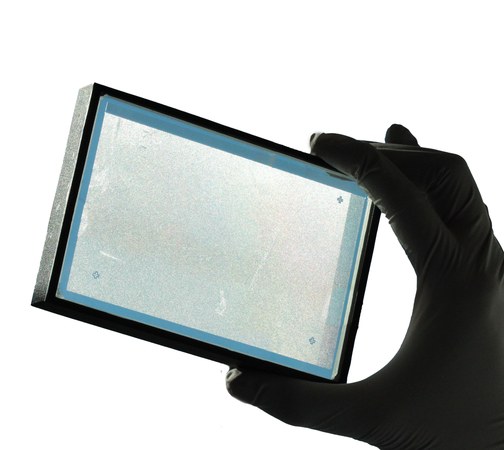
Concerto Biosciences
Concerto Biosciences is a Cambridge, Massachusetts microbiome company that turns microbial ecology into health products. Its patented kChip platform screens millions of microbial interactions in nanoliter droplets to discover 'ensembles' - small, defined groups of microbes that work together to shepherd a damaged microbial community back to health. The company's lead program, ENS-002, is a topical live biotherapeutic for atopic dermatitis that suppresses Staphylococcus aureus without nuking the skin's helpful microbes. Founded in 2020 by scientists out of MIT and the Broad Institute, Concerto pairs ultra-high-throughput biology with AI to make microbial communities predictable and engineerable.
Curi Bio
Curi Bio is a Seattle biotechnology company building human-relevant preclinical platforms for drug discovery. By combining human iPSC-derived cells, 3D engineered tissues, lab instruments, and AI/ML data analysis, it gives biopharma teams functional human data earlier in development - aiming to bridge the gap between animal/2D-cell models and the clinic across cardiac, skeletal muscle, metabolic, and neuromuscular diseases.
MOMA Therapeutics
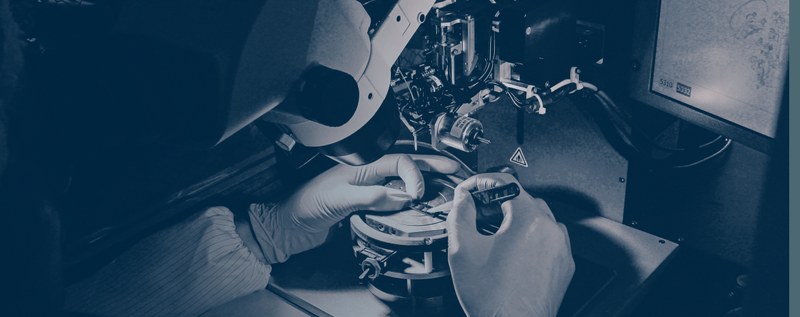
MOMA Therapeutics is a Cambridge, Massachusetts biotech building precision small-molecule medicines against 'molecular machines' - the highly dynamic, shape-shifting enzymes (ATPases, GTPases and related proteins) that power cellular processes and underlie cancer and other diseases. Spun out of Third Rock Ventures in 2020 by four academic leaders in protein biophysics and structural biology, MOMA's proprietary KNOMATIC platform fuses deep structural insight, advanced hit-finding (fragment and DNA-encoded library screening) and machine-learning-driven lead optimization to drug targets long considered intractable. The company has raised about $236M, advanced its first oncology program into the clinic, and partnered with Roche and Bayer.

Multispan, Inc.
Multispan, Inc. is a Hayward, California biotech that builds the cell lines and assays drug hunters use to interrogate G protein-coupled receptors (GPCRs), the largest druggable target family in the human genome. Founded in 2004 by Helena Mancebo, the company has assembled one of the industry's largest libraries of clonally derived, GPCR-expressing stable cell lines - 600+ lines and 2,000+ ready-to-use reagents - and pairs them with custom assay development, compound profiling, antibody work, and CRISPR cell engineering. Its MULTISCREEN platform and proprietary HEx high-expression cell technology let pharmaceutical and academic teams screen, profile, and validate candidate drugs against receptors that are notoriously hard to express and measure.
Helena Mancebo
Helena Mancebo is the founder and CEO of Multispan, Inc., a Hayward, California biotech she has run for more than 20 years. She built a company around G protein-coupled receptors (GPCRs) - still among the most prolific class of drug targets - and grew it into a maker of the industry's largest collection of highly characterized human GPCR cell lines and 1,600-plus assay tools. A Yale-trained immunologist and geneticist, she pairs hard cell biology with a service obsession: next-day assay turnaround, native receptor pharmacology, and a culture built on empathy, integrity, and productivity. In 2023 Multispan's cell engineering and assay services were folded into Avantor's catalog; in 2025 she partnered with AI-automation firm Synfini to push GPCR drug discovery forward.
Triplebar
Triplebar is an Emeryville, California biotech company that pairs a high-throughput microfluidic screening platform with AI genomic models to run evolution at hyper-speed. By packing tens of millions of picoliter microreactors onto a palm-sized chip and testing thousands per second, it generates matched genotype-phenotype datasets that let partners optimize cell lines and microbial strains far faster and cheaper than conventional lab work. The platform powers products across food (precision fermentation, cultivated meat) and biopharma (biologics, cell-engaging cancer therapies).
Vivodyne
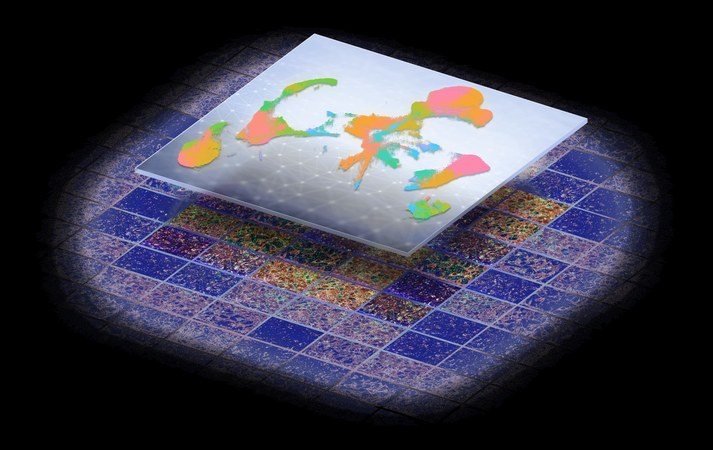
Vivodyne is a biotech company that grows more than 20 types of lifelike human organ tissues in the lab, then uses robotic automation to dose, cultivate, and analyze more than 10,000 of them at a time. The vast human datasets it generates feed multimodal AI models that predict how new drugs will behave in people - before they ever reach a clinical trial. The pitch is blunt: roughly 95% of therapies that work in animal models fail in human trials, and Vivodyne wants to fix that gap with real human data instead of mice.

Zafrens
Zafrens is a San Diego biotechnology company building an ultra-high-throughput single-cell platform that isolates, images, runs assays on, and sequences millions of individual cells per day. Its Z-Screen technology swaps the conventional 96-well plate for a credit-card-sized plastic chip holding 50,000 to 200,000 microwells, each with integrated imaging and multi-omic sequencing. By linking perturbation to genotype, phenotype and function at single-cell resolution, Zafrens compresses multiple stages of drug discovery into a single benchtop experiment - a 500x to 2,000x jump in the number of experiments a scientist can run at one timepoint.

Keythera Pharmaceuticals Co., Ltd
Keythera (Suzhou) Biopharmaceuticals is a clinical-stage biotech building first-in-class small molecule drugs for cancer and autoimmune disease. Its core edge is ADMS - Affinity Detection by Mass Spectroscopy - an affinity-based high-throughput screening platform that can screen up to 250,000 compounds per day per workstation and fuses bioinformatics, structural chemistry, computer-aided drug design and AI to find and optimize drug candidates faster and at lower risk. Founded in 2020 by industry veteran Dr. Yongqi Deng, the company has built six pipelines, advanced its lead EP4 antagonist KF-0210 into the clinic, and raised roughly RMB 100M in Series A funding.
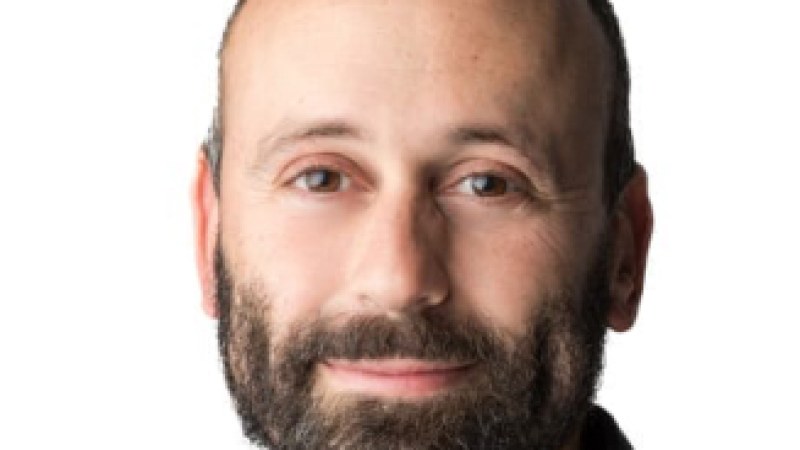
Shawn Manchester
Shawn Manchester is the CEO of Triplebar, an Emeryville-and-Oakland based biotech building generative AI 'genome language models' paired with ultra-high-throughput phenotypic screening to slash the cost of biologic therapeutics and food proteins. A chemical engineer by training (BS Brown, PhD MIT), he was the lead scientist in the first AI-versus-human strain engineering contest at Zymergen before joining Triplebar in 2021, where he rose from VP of Product to COO to CEO in March 2025.

Swamy Vijayan
Swamy Vijayan is the CEO and cofounder of Zafrens, a San Diego biotech reinventing drug discovery by shrinking a 96-well plate down to 200,000 microwells that image and sequence single cells at once. A physicist by training who admits he was driven less by a love of biology than by dissatisfaction with theoretical physics, he is a serial founder whose previous company Omniome sold to Pacific Biosciences for up to $800 million. His stated goal is not a quick exit but a foundation for smart people to do important things for the next 100 years.