il-12
(5)
Ankyra Therapeutics
Ankyra Therapeutics is a clinical-stage Boston biotech developing anchored immunotherapy - a platform that physically tethers potent immune-modulating drugs to aluminum hydroxide so they stay concentrated inside a tumor rather than spreading through the body. Its lead candidate, tolododekin alfa (ANK-101), anchors the powerful cytokine IL-12 in the tumor microenvironment, aiming to unlock IL-12's anti-tumor activity while avoiding the systemic toxicity that has historically limited it. Founded in 2019 out of MIT science and led by CEO Howard L. Kaufman, the company is running Phase 1/1b trials in advanced solid tumors, including combinations with immune checkpoint inhibitors.

Howard L. Kaufman
Howard L. Kaufman, M.D., FACS, is a surgical oncologist and cancer immunotherapy pioneer who serves as President and CEO of Ankyra Therapeutics, a Boston clinical-stage biotech developing anchored immunotherapies. He led the pivotal Phase III trial of T-VEC, the first oncolytic virus ever approved by the FDA for cancer, and has published more than 500 scientific papers over a 20-plus year research career. He now leads Ankyra's work on anchored IL-12 therapy, tolododekin alfa (ANK-101), aiming to deliver powerful immune drugs directly into tumors without the toxicity of systemic dosing.

KaliVir Immunotherapeutics
KaliVir Immunotherapeutics is a clinical-stage biotech developing next-generation oncolytic viral immunotherapies for cancer. Its proprietary Vaccinia Enhanced Template (VET) platform engineers vaccinia viruses that can be delivered intravenously, replicate selectively in tumors, and express therapeutic payloads that reshape the tumor microenvironment. Founded in 2019 and headquartered in Pittsburgh, the company advances an internal lead candidate, VET3-TGI, alongside partnered programs licensed to Astellas Pharma and Roche.
Jacob Becraft
Jacob 'Jake' Becraft is the co-founder and CEO of Strand Therapeutics, a Boston biotech building the first programmable platform for mRNA medicines. Trained as a synthetic biologist at MIT, he helped invent what he calls a 'programming language for mRNA' - genetic circuits that let a drug make decisions inside the body, switching on only where and when it should. Strand's lead candidate, a self-replicating mRNA that instructs tumors to produce their own IL-12, delivered early complete responses in a first-in-human trial. Becraft has raised more than $400 million to chase the idea that programming biology will be as transformative for medicine as software was for computing.
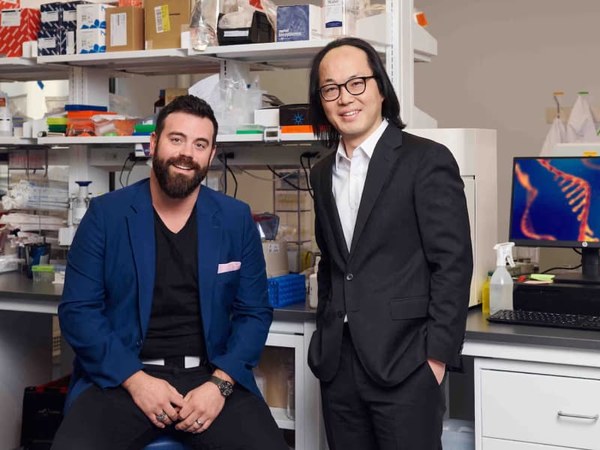
Strand Therapeutics
Strand Therapeutics is a clinical-stage biotech building 'programmable' mRNA medicines - drugs engineered with logic circuits so they switch on the right protein, in the right cell, at the right time. Spun out of MIT in 2017 by synthetic biologists who wrote the first programming language for mRNA, Strand's lead candidate STX-001 is a self-replicating mRNA that makes tumors manufacture their own IL-12, turning cold cancers hot from the inside. Backed by Kinnevik, Regeneron, Amgen and Eli Lilly with over $250M raised.