small-molecule
(38)
Steven Everett
Steven Everett is a biotechnology executive and cancer scientist who founded MaveriX Oncology in Palo Alto, California, where he serves as President and CEO. With a background rooted in more than two decades of cancer research at the University of Oxford, University of Dundee and UCSF, he has built his career around a single idea: making cancer drugs that switch on only inside tumors. At MaveriX he is developing conditionally activated small-molecule therapeutics that exploit hydroxylase biology in the tumor immune microenvironment, aiming to hit cancer hard while sparing healthy tissue.

Atavistik Bio
Atavistik Bio is a Cambridge, Massachusetts clinical-stage biotechnology company that discovers precision allosteric small-molecule medicines. Its proprietary AMPS (Atavistik Metabolite-Protein Screening) platform, paired with an AI-enabled discovery engine, uses natural metabolites as bait to reveal hidden allosteric pockets on disease-driving proteins that conventional drug discovery cannot reach. The company is advancing an oral AKT1-selective inhibitor for hereditary hemorrhagic telangiectasia (HHT) and a JAK2 V617F mutant-selective program for myeloproliferative neoplasms (MPNs).
Axonis Therapeutics
Axonis Therapeutics is a Boston-based, neuro-focused biotechnology company developing first- and best-in-class oral small-molecule medicines that target KCC2, a chloride transporter that acts as the brain's master regulator of inhibitory neurotransmission. Spun out of research from Boston Children's Hospital, Harvard Medical School and Universite Laval, Axonis is advancing its lead candidate AXN-027 - a first-in-class KCC2 potentiator - toward clinical proof of concept in epilepsy, chronic pain and other CNS disorders, backed by an oversubscribed $115 million Series A closed in 2024.
Ensem Therapeutics
Ensem Therapeutics is a Waltham, Massachusetts clinical-stage biotech using its Kinetic Ensemble platform - a blend of AI/ML, molecular simulation, and experimental biophysics - to find cryptic and allosteric pockets in proteins that are otherwise considered difficult to drug. The company designs small-molecule precision medicines for cancer, with two lead programs: ETX-636, an allosteric pan-mutant-selective PI3Kalpha inhibitor and degrader for breast cancer (FDA Fast Track), and ETX-197/BG-68501, a selective CDK2 inhibitor partnered with BeiGene.
K36 Therapeutics, Inc.
K36 Therapeutics is a Cambridge, Massachusetts clinical-stage biotech developing first-in-class oral small-molecule inhibitors of NSD2/MMSET, an epigenetic enzyme that drives hard-to-treat cancers. Its lead candidate, gintemetostat (KTX-1001), is in Phase 1 for relapsed/refractory multiple myeloma carrying the t(4;14) translocation, and a second program, KTX-2001, targets metastatic castration-resistant prostate cancer. Backed by Atlas Venture, F-Prime Capital, Eight Roads Ventures, Nextech Invest and Bristol Myers Squibb, K36 has raised roughly $100M+ to translate chromatin biology into precision cancer medicines.

Mosanna Therapeutics
Mosanna Therapeutics is a clinical-stage biotech developing MOS118, a bedtime nasal spray for obstructive sleep apnea (OSA). Rather than mechanically forcing the airway open like CPAP, MOS118 is a small molecule pan-K+ channel inhibitor that reactivates the body's own negative pressure reflex - stimulating pressure-sensing nerves in the nasopharynx to increase upper airway muscle tone and reduce apnea episodes. Founded in 2022 and headquartered in Redwood City, California with an office in Basel, Switzerland, the company launched publicly in June 2025 with an $80 million Series A to advance MOS118 through Phase 2.
PIC Therapeutics
PIC Therapeutics is a Natick, Massachusetts biotechnology company developing small-molecule precision medicines that target cancer at the level of protein translation. Rather than chasing individual oncogenes one at a time, PIC modulates the Pre-Initiation Complex (PIC) and the translation factor eIF4E - a convergence point for many oncogenic signaling pathways - to selectively shut down the production of cancer-driving proteins while sparing healthy cells. Founded on the research of Harvard structural biologist Gerhard Wagner and led by CEO Katherine Bowdish, the company is advancing an allosteric eIF4E modulator toward first-in-human studies in drug-resistant metastatic breast cancer, backed by a $35M Series A led by OrbiMed.
Scorpion Therapeutics
Scorpion Therapeutics was a Boston-based, clinical-stage precision oncology company built to advance what it called "Precision Oncology 2.0" - pairing cancer biology, computational chemistry, medicinal chemistry and genomics to design small-molecule drugs against cancer targets that had resisted earlier approaches. Founded in 2020 by a group of prominent scientists and biotech operators, it raised more than $440 million and built a pipeline of mutant-selective inhibitors, most notably the PI3K-alpha inhibitor STX-478 and a franchise of fourth-generation EGFR inhibitors. In January 2025 Eli Lilly agreed to acquire the company and its PI3K-alpha program in a deal worth up to $2.5 billion, while Scorpion's remaining pipeline and staff were spun into a new independent company, Antares Therapeutics.
Vertero Therapeutics, Inc.
Vertero Therapeutics is a clinical-stage biotechnology company in Woburn, Massachusetts, developing oral small-molecule drugs for neurodegenerative diseases by targeting causative drivers in the body's periphery - primarily the gut - rather than only the brain. Formerly Axial Therapeutics, the company rebranded as Vertero in October 2025. Its lead candidate, VT-5006, is a gut-selective small molecule for Parkinson's disease that targets CsgA, a bacterial protein linked to protein aggregation and neuroinflammation, and is entering Phase 1 trials.
Zetagen Therapeutics
Zetagen Therapeutics is a private, clinical-stage biopharmaceutical company based in Syracuse, New York, developing locally-administered therapies for metastatic and primary cancers that spread to bone. Its lead candidate, ZetaMet (Zeta-BC-003), uses a patented molecular pathway delivered by a single outpatient injection to suspend cancer growth, inhibit pain, and regenerate bone in patients with metastatic breast cancer lytic lesions. Spun out of research at SUNY Upstate Medical University in 2015, the company has earned multiple FDA Breakthrough Designations and reported Phase 2a data showing an 87.9% mean reduction in lesion defect volume.

Enveda
Enveda is a clinical-stage biotech that uses artificial intelligence to read the chemistry of the natural world and turn it into new medicines. Founded in 2019 by Viswa Colluru, the company built PRISM, a foundation model trained on more than a billion mass spectra, to decode the structure of natural molecules that traditional methods leave invisible. That platform has produced a pipeline of small-molecule drug candidates - led by ENV-294, an oral anti-inflammatory now in Phase 2 trials for atopic dermatitis and asthma. Backed by more than $700M in funding and valued as a unicorn, Enveda operates out of Boulder, Colorado and Hyderabad, India.

Shengfang Jin
Shengfang Jin is a co-founder and the President and CEO of Ensem Therapeutics, a Waltham, Massachusetts biotech developing small-molecule cancer drugs by targeting protein pockets that only exist while the protein is in motion. Under Jin, Ensem built its Kinetic Ensemble platform, took its first CDK2 inhibitor into the clinic, and its ETX-636 breast cancer program earned FDA Fast Track designation. She trained at Tufts and Harvard, spent years at Agios helping deliver first-in-class cancer metabolism drugs, and then ran discovery biology at Editas before starting Ensem.

Stewart Campbell
A. Stewart Campbell, PhD, is the CEO of Vertero Therapeutics, the Woburn, Massachusetts biotech formerly known as Axial Therapeutics. A medicinal chemist by training with more than 30 years in drug discovery, he runs a company built on an unusual bet: that the road to treating Parkinson's disease starts in the gut, not the brain. Campbell joined in 2017, took the top job in February 2021, engineered the 2025 rebrand from Axial to Vertero, and is steering the lead candidate VT-5006, a gut-selective small molecule, into its first clinical trials. He is a co-inventor on more than 20 patent families, including the foundational patents behind the approved graft-versus-host disease drug Rezurock.

Alterome Therapeutics, Inc
Alterome Therapeutics is a San Diego-based clinical-stage biopharmaceutical company building next-generation small molecule cancer drugs aimed at specific oncogenic mutations. Using its Kraken platform - a structure-guided, machine-learning approach to drug design - Alterome has advanced two precision oncology programs into the clinic: ALTA2618, an AKT1 E17K mutation-selective inhibitor, and ALTA3263, a KRAS-selective inhibitor covering roughly 90% of KRAS mutations including G12V and G12D.

Plexium
Plexium is a San Diego precision medicine company designing small-molecule protein degraders - monovalent direct degraders and molecular glues - that switch off disease-driving proteins traditionally considered undruggable. Its DELTA Discovery platform runs ultra-high-throughput cell-based screening to find and optimize new degrader chemistry across cancer and neurological disease.

Atomic AI
Atomic AI is a South San Francisco biotechnology company fusing machine learning with structural biology to unlock RNA drug discovery. Its platform pairs in-house wet-lab chemical-mapping data with deep learning models - including ATOM-1, a foundation model for RNA structure, and PARSE, its RNA structure exploration platform - to find structured, ligandable RNA motifs and design selective small molecules and RNA-based medicines for targets long considered undruggable.

Augustine Therapeutics
Augustine Therapeutics is a Belgian clinical-stage biotech spun out of VIB-KU Leuven that is building a next-generation class of selective HDAC6 inhibitors for chronic diseases. Using a proprietary non-hydroxamate, non-hydrazide chemotype, the company designs molecules that block HDAC6's harmful catalytic activity while sparing its beneficial functions - aiming to avoid the toxicity that stalled earlier inhibitors. Its lead candidate, AGT-100216, is the first selective HDAC6 inhibitor to enter the clinic for Charcot-Marie-Tooth disease, with a pipeline extending into neurodegenerative and cardio-metabolic indications.

Autobahn Therapeutics, Inc.
Autobahn Therapeutics is a San Diego clinical-stage biotech building small-molecule medicines that reach the brain on purpose. Using a brain-targeting chemistry and prodrug platform, the company tunes where a drug goes - central versus peripheral - to unlock validated CNS biology that has been hard to drug safely. Its lead program, elunetirom (ABX-002), is an oral, once-daily, brain-penetrant CNS thyroid hormone receptor agonist in Phase 2 trials for major depressive disorder and bipolar depression, backed by more than $200 million in venture funding and a 2026 FDA Fast Track designation.
Avelos Therapeutics
Avelos Therapeutics is a Seoul-based clinical-stage oncology biotech founded in 2021 that designs small-molecule drugs for 'undruggable' cancer targets using synthetic lethality, DNA damage response (DDR), and cell-cycle biology. Its lead program, AD1208, is a first-in-class oral MASTL kinase inhibitor now in a Phase 1/2a solid-tumor trial. Backed by KRW 30 billion (~$21.7M) across seed, Series A, and a 2024 Series B, the roughly nine-person team is building a biomarker-driven pipeline of four anti-cancer candidates aimed at a future KOSDAQ listing.

Cajal Therapeutics
Cajal Therapeutics (originally launched as Cajal Neuroscience) is a Seattle biotechnology company developing novel medicines to restore biological homeostasis, with a focus on neurodegenerative diseases, anemias of inflammation, and iron-related disorders. Built on a platform that pairs integrative human genetics, high-throughput functional genomics, and industrialized whole-brain imaging with deep neuroscience expertise, the company aims to systematically validate disease targets at unprecedented scale and translate them into small molecule and RNA therapeutics. It launched in November 2022 with a $96 million Series A and counts a roster of celebrated neuroscientists among its co-founders.

Circle Pharma, Inc.
Circle Pharma is a South San Francisco biotechnology company building intrinsically cell-permeable, orally available macrocycle therapeutics to hit cancer targets long considered undruggable. Spun out of UCSF and UC Santa Cruz in 2012, it pairs structure-based design, AI/ML, physics-based simulation, and advanced synthetic chemistry in its proprietary MXMO platform. Its lead program, CID-078, is a first-in-class oral cyclin A/B RxL inhibitor now in a Phase 1 trial for advanced solid tumors. The company has raised more than $200 million in total funding, including a $90 million Series D in 2024.
Delphia Therapeutics
Delphia Therapeutics is a Cambridge, Massachusetts biotech pioneering a new field of cancer biology it calls activation lethality - the idea that cancer cells with oncogenic mutations live dangerously close to the upper limit of how much pathway activity they can tolerate, and can be pushed past it. Rather than blocking cancer signals like most drugs, Delphia designs targeted activators that overload cancer's stress pathways until the cell dies, aiming for durable benefit and a way around drug resistance. Founded in 2024 by Kevin Marks, Bill Sellers and Mike Dillon, it launched with a $67 million Series A led by GV, Nextech Invest, Polaris Innovation Fund and Alexandria Venture Investments.

Edgewood Oncology
Edgewood Oncology is a clinical-stage biotechnology company developing BTX-A51, a first-in-class oral small-molecule multi-kinase inhibitor that co-targets casein kinase 1 alpha (CK1α) and cyclin-dependent kinases 7 and 9 (CDK7/CDK9) - three master regulators of cancer cell survival and transcription. Founded by veteran biotech executive David N. Cook and emerging from stealth in March 2024 with $20M in Series A financing from Alta Partners, the company is advancing BTX-A51 through Phase 2a trials in relapsed/refractory acute myeloid leukemia and genetically-defined (GATA3-mutant) ER+/HER2- metastatic breast cancer.
Gate Bioscience
Gate Bioscience is a Brisbane, California biotech building a brand-new class of medicines it calls Molecular Gates: oral small molecules that stop disease-causing proteins from ever leaving the cell. Instead of chasing proteins after they are secreted into the body, Gate's drugs bind Sec61, the single channel every one of the roughly 4,000 human secreted and membrane proteins must pass through, and selectively block a target protein so the cell degrades it. Founded in 2021 and emerged from stealth in 2023 with $60M, the company has raised about $135M total and is pushing its lead programs toward IND-enabling studies and Phase 1 trials.

Larkspur Biosciences
Larkspur Biosciences is a Cambridge, Massachusetts precision-oncology company building first-in-class small molecule protein degraders that attack cancer cells where they are most vulnerable. Using its machine-learning-enabled LarkX platform to pinpoint 'cancer cell fitness' genes, Larkspur designs drugs that trigger tumor-intrinsic cell death and disrupt how cancers hide from the immune system. Its lead candidate, LRK-4189, degrades the lipid kinase PIP4K2C and entered first-in-human Phase 1 testing in December 2025 for microsatellite stable colorectal cancer.

MOMA Therapeutics
MOMA Therapeutics is a Cambridge, Massachusetts biotech building precision small-molecule medicines against 'molecular machines' - the highly dynamic, shape-shifting enzymes (ATPases, GTPases and related proteins) that power cellular processes and underlie cancer and other diseases. Spun out of Third Rock Ventures in 2020 by four academic leaders in protein biophysics and structural biology, MOMA's proprietary KNOMATIC platform fuses deep structural insight, advanced hit-finding (fragment and DNA-encoded library screening) and machine-learning-driven lead optimization to drug targets long considered intractable. The company has raised about $236M, advanced its first oncology program into the clinic, and partnered with Roche and Bayer.
Nested Therapeutics
Nested Therapeutics is a Cambridge, Massachusetts clinical-stage biotech building small-molecule precision oncology drugs that go after cancer driver mutations long written off as undruggable. Founded in 2021 and launched publicly in 2022 with $125M, the company pairs structural biology, computational biophysics and chemistry to find hidden, druggable pockets in cancer's most stubborn targets. Its lead program, NST-628, is a brain-penetrant pan-RAF/MEK molecular glue for RAS/MAPK-driven solid tumors, now in Phase 1 with early clinical activity reported at AACR 2026.

Noema Pharma
Noema Pharma is a Basel-based clinical-stage biotech building first-in-disease oral small-molecule therapeutics for central nervous system disorders. Founded in 2019 by Sofinnova Partners around four mid-stage assets in-licensed from Roche, the company targets overlooked neurological conditions - from seizures in tuberous sclerosis complex and pain in trigeminal neuralgia to Tourette syndrome and CNS-mediated symptoms of menopause. It has raised roughly CHF 130 million (about USD 147 million) in Series B financing from a syndicate including Forbion, Jeito Capital, Sofinnova, EQT Life Sciences and UPMC Enterprises.
Numerion Labs
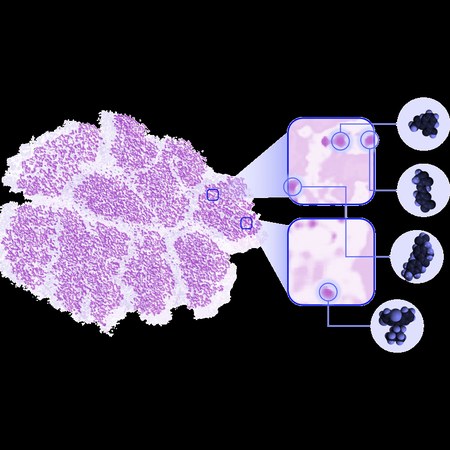
Numerion Labs (formerly Atomwise) is an AI-native drug discovery company that pioneered the use of deep learning for structure-based drug design. Its AI chemistry superplatform - built on the COSMOS foundation model, the APEX hyper-scalable enumerator, and EXPO optimization algorithms - explores billions of drug-like molecules to find and optimize novel chemical matter. Based in San Francisco with a San Diego presence, the company is advancing its own pipeline of small-molecule programs in immune and inflammatory disease while collaborating with partners across the pharmaceutical industry.

Nura Bio
Nura Bio is a clinical-stage biopharmaceutical company in South San Francisco developing brain-penetrant, small-molecule neuroprotective medicines. Its work centers on SARM1, an injury-activated NAD hydrolase that triggers axon degeneration, an early and common event across many neurological diseases. The lead candidate, NB-4746, is an oral, brain-penetrant SARM1 inhibitor that completed Phase 1 in healthy volunteers and shows protection in preclinical models of ALS, MS, traumatic brain injury and chemotherapy-induced peripheral neuropathy. The company has raised more than $140 million in Series A financing led by The Column Group.