rare-disease
(72)
The $245 Million Bet on the Middle of the Patient Journey
ConcentricLife discovered that the weak point in pharmaceutical advertising was not the advertisement. It was everything around it - the patient, the prescriber, the data, the access and the organization expected to make them agree.
Synchrony Group and the Art of Making Medicine Make Sense
The West Chester agency built two businesses around one stubborn problem: good science is useless if nobody can understand, approve, or act on it.
The People Missing From the Drug-Development Meeting
VOZ Advisors built a business around a costly corporate blind spot: medicines are often planned in rooms where the people expected to live with them are missing.

The Six-Week Reversal: How Cullari Communications Global Turns Trust Into Infrastructure
The Hershey consultancy does not sell attention for its own sake. It builds coalitions around the people whose trust a health company cannot manufacture - and measures what happens next.

The Most Important Person in the Picture Is Not the Patient
Living in the Light has spent more than a decade making rare-disease stories less clinical and more human. Its method begins with a small but radical edit: move the diagnosis out of the center of the frame.
The Medical Meeting That Wouldn’t Stay Small
One advisory board, a folding table and 3,000 envelopes became a 25-year medical communications company. JB Ashtin’s real product is the thing agencies rarely put on an invoice: trust under pressure.
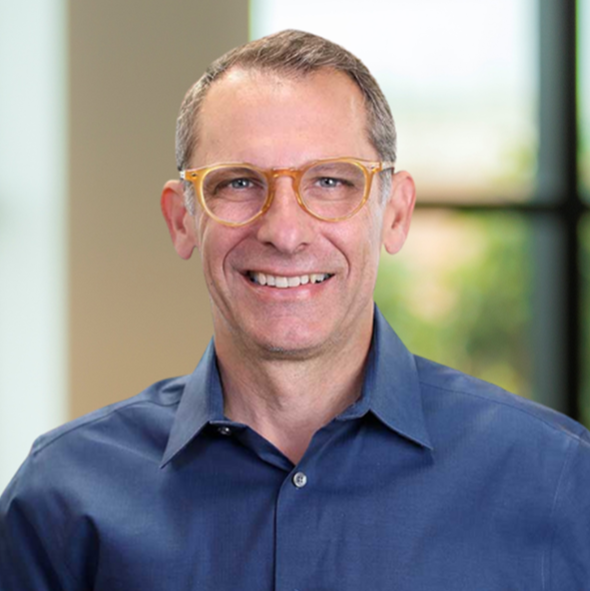
Joshua Grass Is Building a Second Life for Shelved Science
After two biotech exits and 15 years inside BioMarin, Joshua Grass is betting that some promising medicines stall for organizational reasons, not scientific ones. His new company, Mendra, raised $82 million to find those overlooked programs and carry them farther.
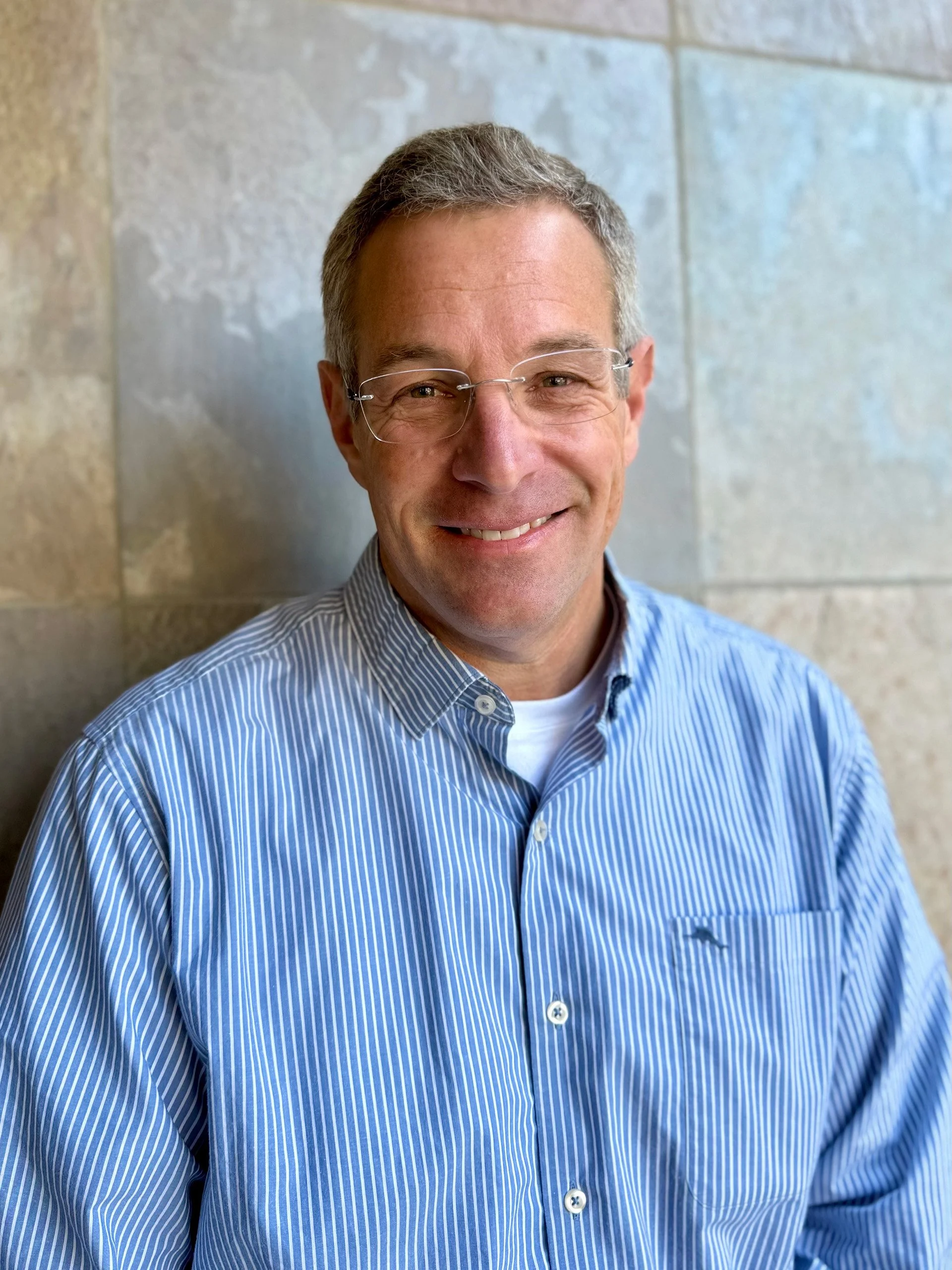
Jason Levin Stayed With the Bet Long Enough for the Science to Change
For more than a decade, the Orbus co-founder helped carry one drug through financing, patents and a 343-patient trial. Then a new tumor classification changed the question - and the company’s next chapter.
Orbus Bet $71 Million on One Brain-Cancer Trial - Then the Definition of the Disease Changed
A tiny Palo Alto biotech took an old molecule into a global Phase 3 trial. The broad result failed, but a new molecular map of brain cancer revealed where the drug may actually work - and offered a playbook for anyone building in a market whose definitions move mid-experiment.
The $85 Million Bet That a DNA Scaffold Can Make Gene Therapy Re-Dosable
Code Biotherapeutics is trying to turn DNA into the FedEx network for genetic medicine. Its modular 3DNA scaffold promises bigger payloads, precise addresses and repeat delivery - but the public evidence is still preclinical.
Neurelis Put an Old Seizure Drug in the Nose - and Built a $300 Million Business Around the Hard Part
The medicine was familiar. The delivery problem was not. Neurelis spent more than a decade making diazepam work as a practical nasal rescue treatment - then showed how a narrow patient problem can become a platform, a pipeline and a profitable commercial company.
AllRock Bio Bet $50 Million That Two ROCKs Are Better Than One
Most pulmonary-hypertension drugs help blood flow. AllRock Bio wants to change the diseased tissue itself - and its $50 million wager now rests on a small, open-label trial.
The Biotech Fund That Likes the Awkward Middle
Agent Capital invests where molecules, milestones and money collide. Its small team backs healthcare companies across the development curve, then stays close enough to help science become a financeable business.
Moderna Designed Its COVID Vaccine in Two Days. The Hard Part Took Ten Years.
The Cambridge biotech turned messenger RNA from a lab curiosity into a platform for printing medicines from genetic code - vaccines, cancer shots, and rare-disease drugs that share one factory and swap out the instructions.
Kyowa Kirin, Inc. - U.S.
A Japanese fermentation lineage became a U.S. rare-disease business by following biology that larger markets often overlook. Now Kyowa Kirin is testing whether patient-scale focus can coexist with manufacturing-scale ambition.
Alnylam Pharmaceuticals
Alnylam spent 16 years teaching a fragile strand of RNA to reach the right cells. Now its gene-silencing medicines are a multibillion-dollar business - and the next test is whether the same platform can move from rare diseases into the medical mainstream.

Neurocrine Biosciences
One movement-disorder medicine turned a San Diego research shop into a multibillion-dollar biopharma. Now Neurocrine is spending that advantage on rare endocrine disease, psychiatry and the difficult biology between brain and body.
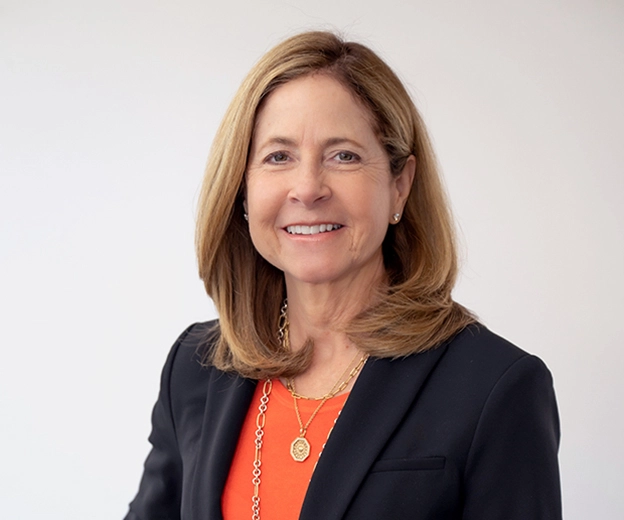
Alicia Secor
After three decades turning complex science into operating companies, Alicia Secor has taken on a new translation problem: helping Paratus turn lessons from evolution into a disciplined pipeline of medicines.
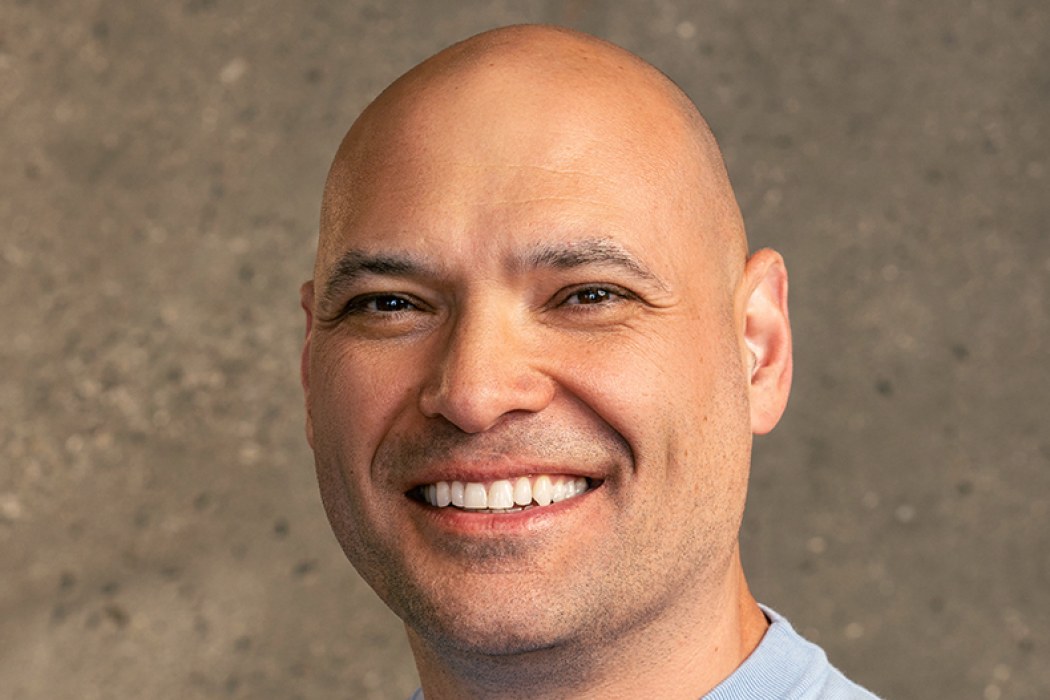
Serge Messerlian
Serge Messerlian is the Chairman and CEO of Creyon Bio, a San Diego biotech using AI to design oligonucleotide medicines. A life-science operator with more than 25 years across oncology, hematology, immunology and rare disease, he has led Teon Therapeutics as CEO, run Janssen Oncology as President at Johnson & Johnson, and held senior roles at Actelion, Baxalta and Baxter International. He joined Creyon first as an investor and board member through DCVC Bio, then stepped in as Executive Chairman and Acting CEO in fall 2024 and took the full CEO title in April 2025 as the company prepares to enter the clinic in 2026.
Nuevocor
Nuevocor is a Singapore-founded, clinical-stage biotechnology company developing genetic medicines for cardiomyopathies driven by aberrant mechanobiology - the mechanical stresses that damage heart-muscle cells. Spun out of Singapore's A*STAR research agency in 2021, the company built a proprietary discovery engine called PrOSIA (Protein Organ Specific Interactome Analysis) to map the functional root causes of genetic heart disease. Its lead program, NVC-001, is an AAV-based gene therapy for LMNA-related dilated cardiomyopathy, an aggressive inherited heart condition with no targeted treatment. Nuevocor received FDA IND clearance for NVC-001 in June 2025 and has raised roughly US$80.6 million to date, including a US$45 million Series B in May 2025.
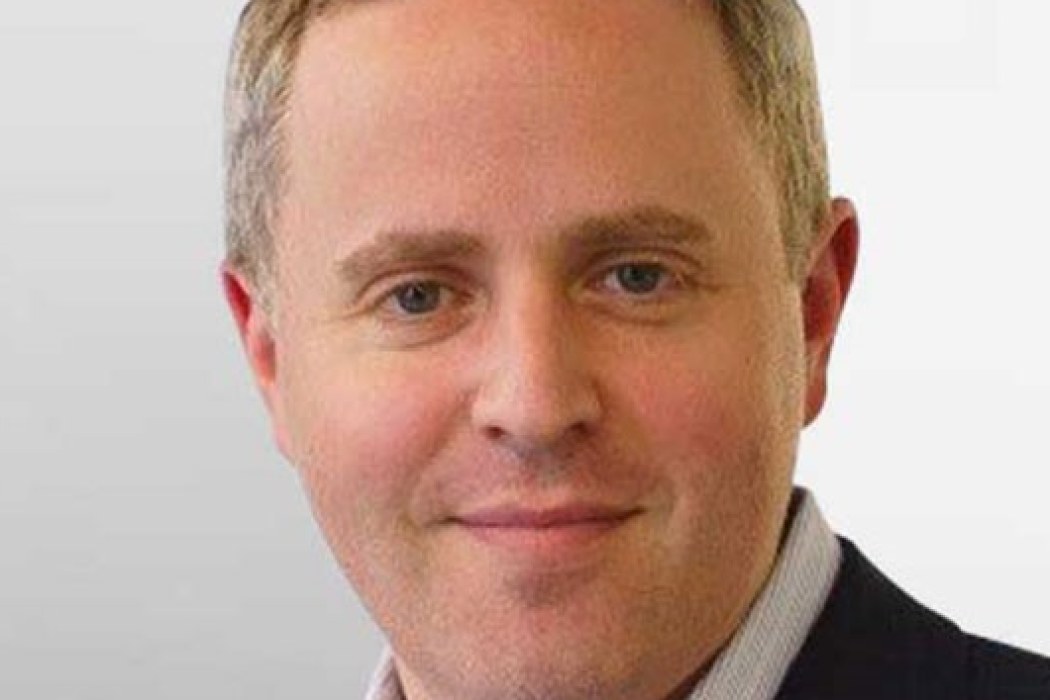
Bryan Stuart
Bryan Stuart is the Chief Executive Officer and a director of Atavistik Bio, a Cambridge, Massachusetts biotechnology company building precision allosteric small molecule therapeutics on its Atavistik Metabolite-Protein Screening (AMPS) platform. He joined in July 2023 after more than two decades leading biopharma companies, including roles as CEO of Fulcrum Therapeutics, Yarra Therapeutics, and Kastle Therapeutics. Under his leadership Atavistik has raised a $120 million Series B in December 2025, later extended to $160 million, to advance its lead programs for hereditary hemorrhagic telangiectasia and myeloproliferative neoplasms toward the clinic.
AIRNA
AIRNA is a clinical-stage biotechnology company building RNA-editing medicines that harness ADAR, a naturally occurring human enzyme, to make precise, programmable and non-permanent edits to RNA. Its RESTORE+ platform uses short oligonucleotides to recruit ADAR to a target transcript and swap a single letter, correcting disease-causing variants without altering DNA. AIRNA's lead candidate, AIR-001, targets alpha-1 antitrypsin deficiency (AATD) and has advanced into a Phase 1/2 clinical trial, with a broader pipeline aimed at cardiometabolic and other diseases. The company is headquartered in Cambridge, Massachusetts, with research operations in Tübingen, Germany, and has raised roughly $245 million from investors including ARCH, Forbion and Venrock.

Atavistik Bio
Atavistik Bio is a Cambridge, Massachusetts clinical-stage biotechnology company that discovers precision allosteric small-molecule medicines. Its proprietary AMPS (Atavistik Metabolite-Protein Screening) platform, paired with an AI-enabled discovery engine, uses natural metabolites as bait to reveal hidden allosteric pockets on disease-driving proteins that conventional drug discovery cannot reach. The company is advancing an oral AKT1-selective inhibitor for hereditary hemorrhagic telangiectasia (HHT) and a JAK2 V617F mutant-selective program for myeloproliferative neoplasms (MPNs).
Beacon Therapeutics
Beacon Therapeutics is a clinical-stage ophthalmic gene therapy company building AAV-based treatments to preserve and restore sight for people with rare and prevalent retinal diseases that cause blindness. Formed in 2023 by Syncona around the assets of Applied Genetic Technologies Corp (AGTC) and complementary science from the University of Oxford, its lead program, laru-zova (AGTC-501), is a one-time gene therapy for X-linked retinitis pigmentosa now in registrational trials, with additional programs targeting geographic atrophy (dry AMD) and cone-rod dystrophy.

Courier Health
Courier Health is a New York City software company building the first patient relationship management (CRM) platform purpose-built for life sciences. Its AI-powered system connects fragmented data across biopharma commercial teams to orchestrate the patient journey - from education and enrollment through benefits, prior authorization, therapy initiation, and adherence - helping patients with chronic and rare diseases start and stay on treatment. The company raised a $50M Series B led by Oak HC/FT in April 2026.
HiRO - Harvest Integrated Research Organization
HiRO (Harvest Integrated Research Organization) is a full-service, globally oriented clinical research organization founded in 2020 that helps biotech companies run clinical trials across borders. Positioning itself as an 'integrated' rather than a traditional 'contract' research organization, HiRO connects Asian biotechs seeking trials outside their region with US and European sponsors wanting to run studies in Asia. Backed by a tens-of-millions-of-dollars Series A led by OrbiMed and built out through three CRO acquisitions, it offers end-to-end services from preclinical strategy to regulatory submission, with deep expertise in oncology and rare disease.
Neurotech Pharmaceuticals, Inc.
Neurotech Pharmaceuticals is a Cumberland, Rhode Island biotechnology company that develops long-acting therapies for chronic retinal diseases using its Encapsulated Cell Technology (ECT) platform - a tiny implant of genetically engineered cells that continuously secretes a therapeutic protein inside the eye. In March 2025 its lead product ENCELTO (revakinagene taroretcel-lwey, formerly NT-501/Renexus) became the first and only FDA-approved treatment for macular telangiectasia type 2 (MacTel), delivering ciliary neurotrophic factor (CNTF) to slow the loss of photoreceptors.
ProJenX
ProJenX is a New York City clinical-stage biotechnology company developing prosetin, a first-in-class, oral, brain-penetrant MAP4K inhibitor for amyotrophic lateral sclerosis (ALS) and other neurodegenerative brain diseases. Spun out of a two-decade collaboration between the nonprofit Project ALS and Columbia University researchers, ProJenX is built on the discovery that inhibiting MAP4 kinases protects motor neurons across multiple patient-derived stem cell models of ALS. The company is running the PRO-101 Phase 1b trial in people living with ALS.
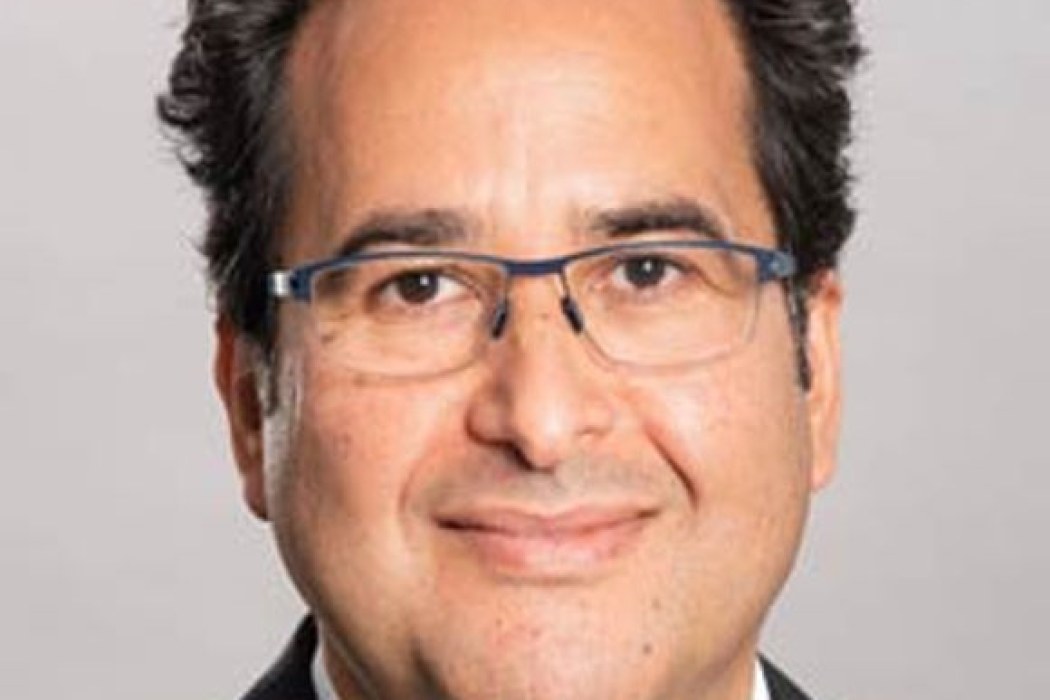
Eddine Saiah
Eddine Saiah, Ph.D., is the CEO and President of Stablix, a preclinical biotechnology company pioneering targeted protein stabilization (TPS) as a new class of small-molecule medicines. A medicinal chemist and drug hunter with more than 25 years of experience, he joined Stablix as Chief Scientific Officer in 2022 and moved into the chief executive role in 2025. His career spans big pharma research leadership at Pfizer and Wyeth, an entrepreneur-in-residence stint at Atlas Venture, and CSO duties at Navitor Pharmaceuticals. He is a co-inventor and author on more than 120 patents and publications, and has helped advance more than a dozen small-molecule candidates into clinical trials.
FibroGen, Inc.
FibroGen, Inc. is a San Francisco biopharmaceutical company that spent three decades building first-in-class medicines around hypoxia-inducible factor (HIF) and connective tissue growth factor (CTGF) biology. Its best-known drug, roxadustat, is an oral treatment for anemia approved in China, Japan and Europe. After selling its China business to AstraZeneca in 2025 and paying down debt, the company rebranded as Kyntra Bio (Nasdaq: KYNB) in January 2026 to concentrate on oncology and rare disease, led by FG-3246, a first-in-class CD46-targeting antibody-drug conjugate for metastatic prostate cancer.