digital-manufacturing
(27)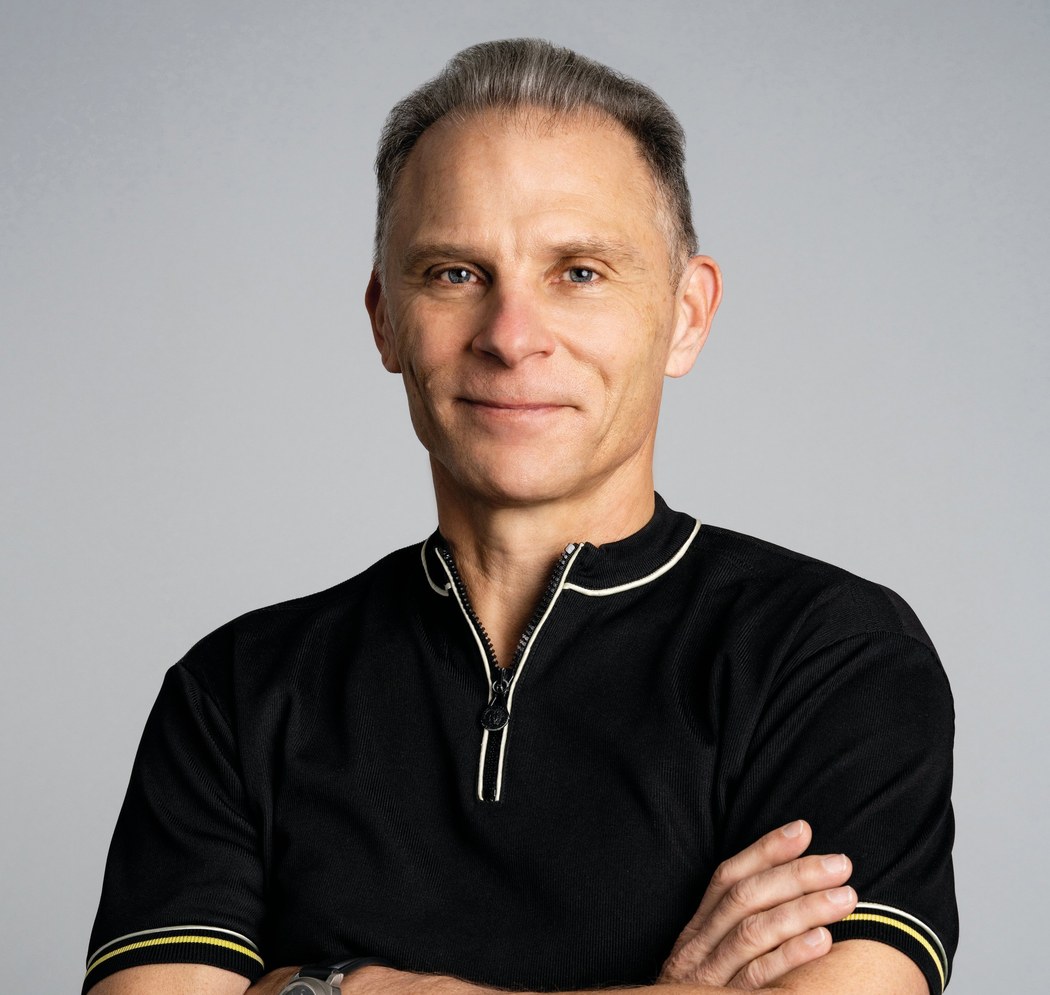
Kevin Czinger and the factory that refuses to stand still
He grew up building hot rods in Cleveland, took a detour through Yale and Wall Street, and returned to the factory floor. With his son Lukas, Kevin Czinger is trying to give manufacturing the freedom to change its mind.

Dave Evans and the Eight Weeks Hidden Inside a Two-Hour Part
At Ford, Dave Evans learned how much time a small part could consume. A kitchen experiment with his brother became Fictiv - and a job rethinking how an entire region buys the things it builds.
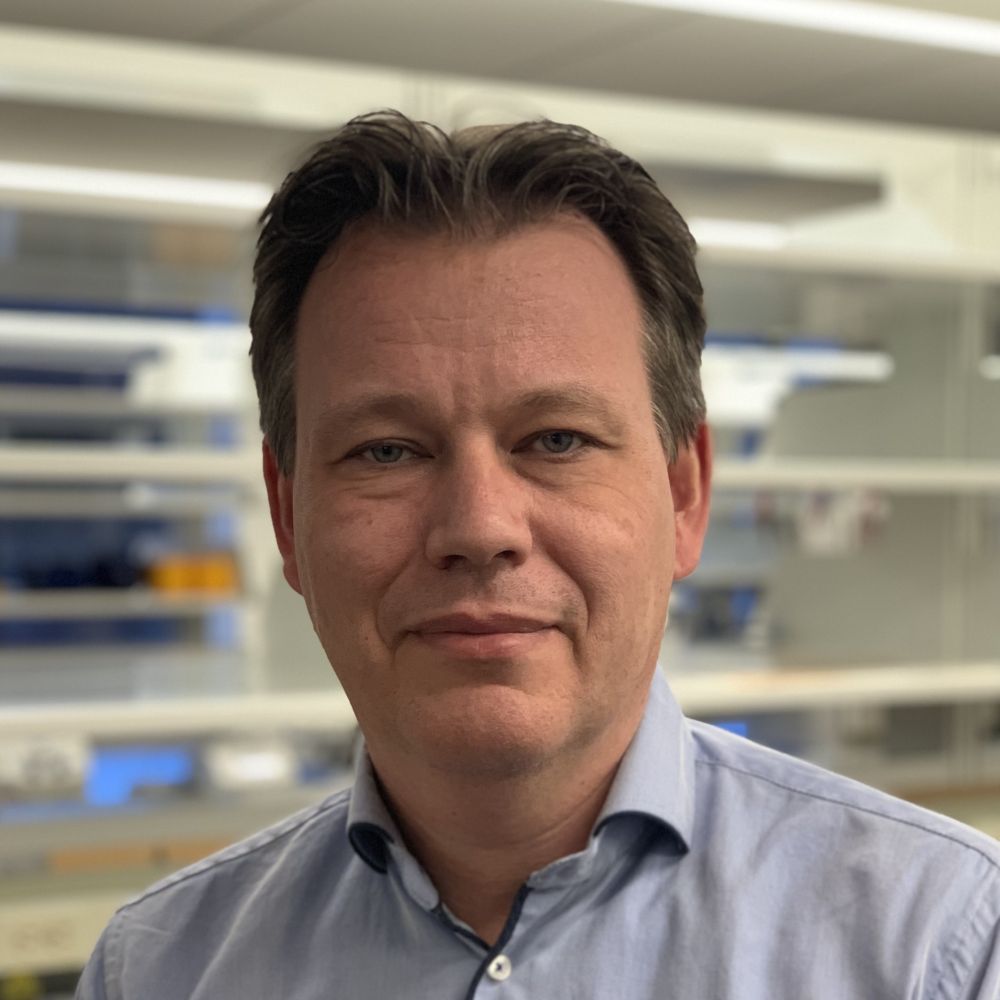
Peter Weijmarshausen and the factory for an audience of one
A Dutch programmer saw a future in the designs stranded on people’s computers. At Shapeways, Peter Weijmarshausen spent a decade trying to give those ideas a life beyond the screen.
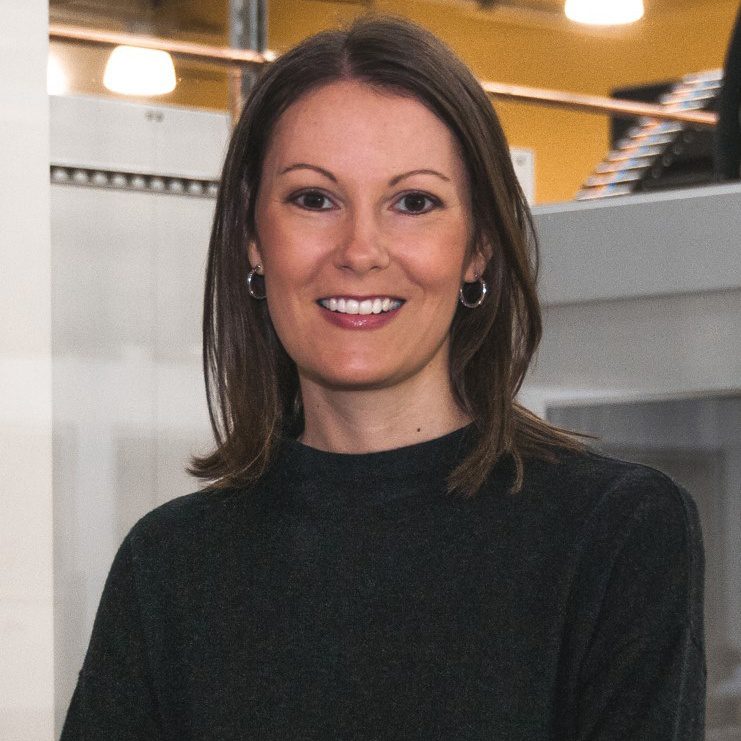
Caralynn Nowinski Collens and the art of assembling the climb
The Dimension Bio co-founder has spent her career bringing researchers, manufacturers and investors into the same room. Her working philosophy begins with a useful admission: nobody arrives with every answer.
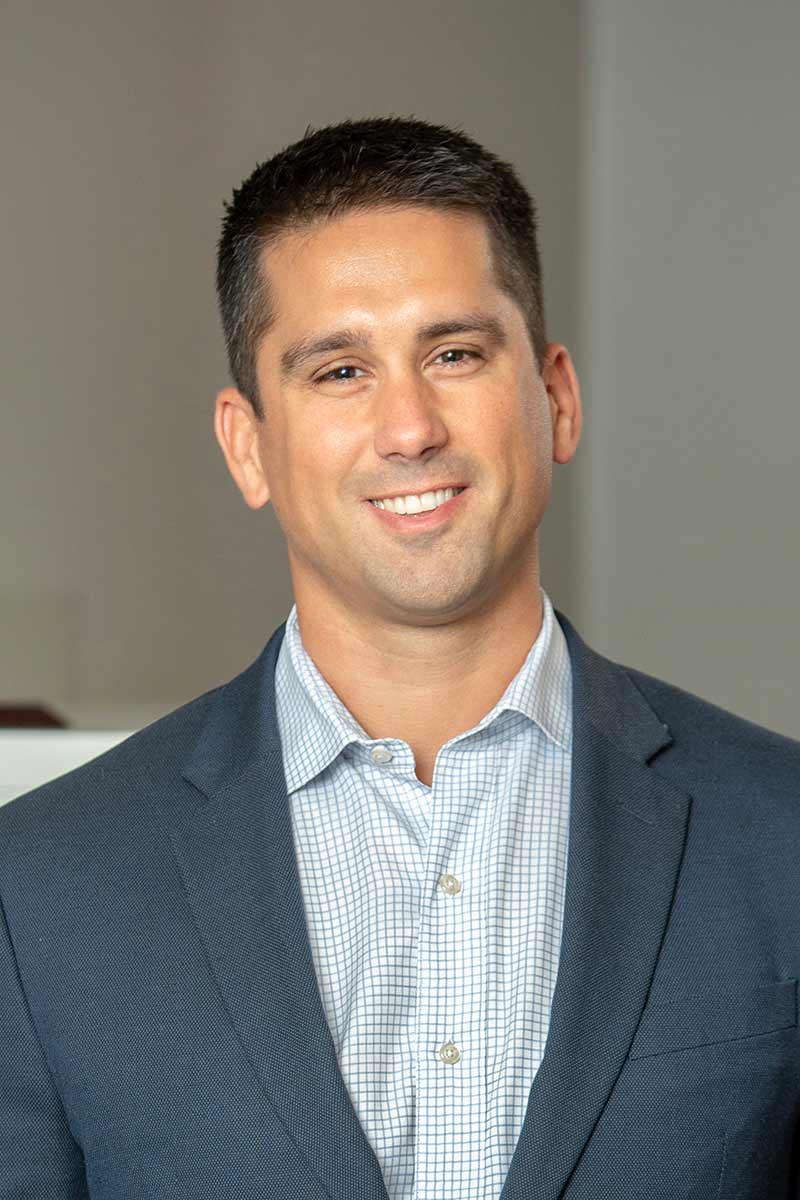
Lee Skandalaris and the business of keeping options open
An automotive dealmaker found room to grow in digital printing. Now leading Quantum Ventures, Lee Skandalaris brings a builder’s eye to investing - and a coach’s commitment to the next team.
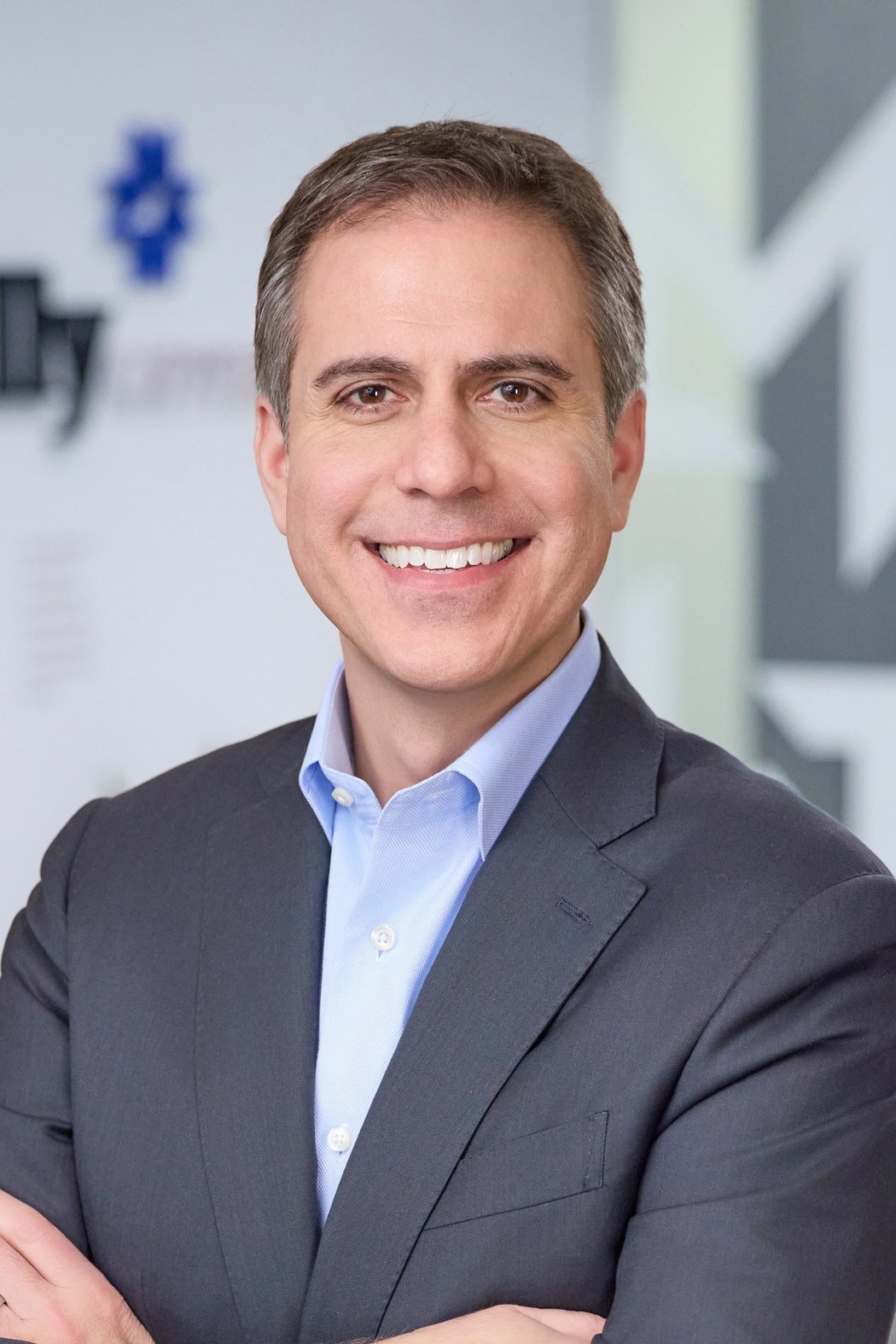
Lou Rassey and the factory that fits in a file
A Detroit machine-shop childhood led Lou Rassey to a bold idea: move the instructions, then make the part. His route through engineering, Fast Radius and McNally Capital shows how much has to happen between an invention and a durable business.
SolidCAM and the fortune in 45 seconds
A machine shop shaved less than a minute off a part. SolidCAM’s story explains why that small victory can matter more than a spectacular sales pitch.
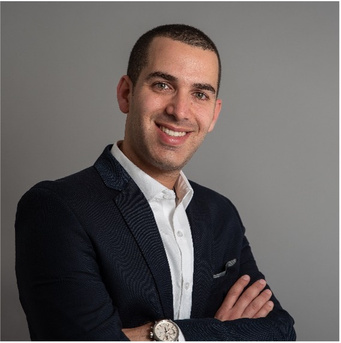
Ronen Lebi and the Factory That Forgets Its Tools
From Waze's early maps to metal shaped by robots, Machina Labs' chief business officer has built a career around turning clever technology into useful, repeatable systems.
Fictiv Built a $350 Million Business Out of the Wait for Parts
Two brothers started with a 3D printer in a San Francisco kitchen. Now part of MISUMI, Fictiv is taking on the expensive stretch between a finished design and a finished product.
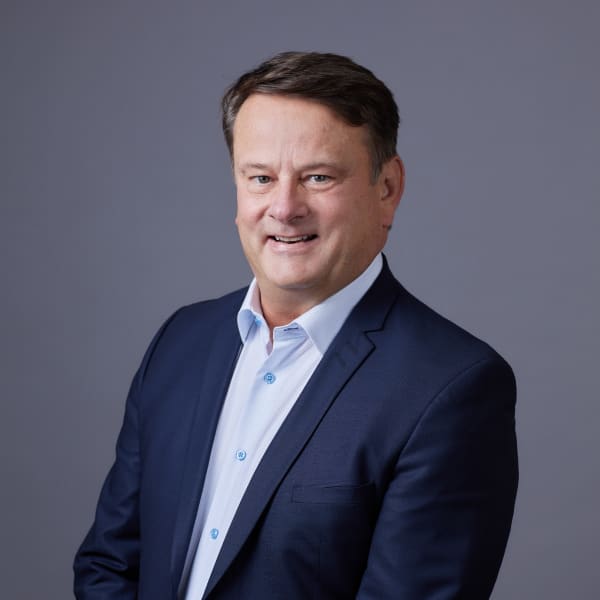
Tom Hennessey Makes the Factory Floor Legible
The iBASEt CMO has spent a career turning factory complexity into plain language. His recurring argument is simple: reliable work begins when the right information reaches the right person at the right moment.

Philippe Adam Wants the Factory to Speak Before It Spends
An engineer by education and a marketer by trade, Philippe Adam has spent his career translating complex software into decisions people can actually use. At aPriori, his argument is simple: cost, carbon and manufacturability belong in the room while a product is still being designed.

Revalize Bought the Software Under the Factory Floor. Now It Has to Make the Pieces Fit
Revalize stitched together 19 specialist brands to give manufacturers one route from sketch to quote. The opportunity is large; so is the integration job.
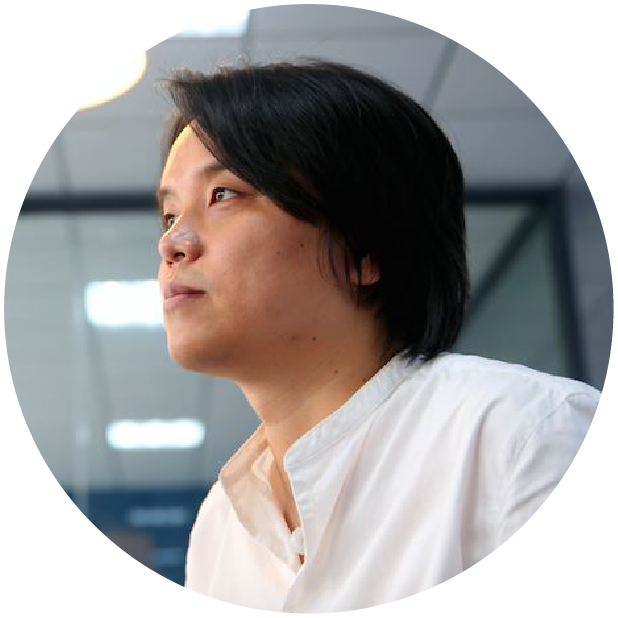
Chuan Yu Is Designing the City From the Chassis Up
The architect behind PIX Moving does not begin with the car. He begins with the street, the neighborhood, and a stubborn question: what if useful spaces could come to us?
The Factory Behind the Internet's Oddly Specific Orders
A missing car-wash sign became a portfolio of 12 brands and more than 10,000 customizable products. Group Bayport's real product is the machinery that turns one-off requests into repeatable ecommerce.

aPriori Technologies
aPriori Technologies is a Concord, Massachusetts software company that turns 3D CAD designs into instant manufacturing cost, manufacturability, and carbon-footprint insights. Founded in 2003 out of University of Illinois research, its cloud Manufacturing Insights Platform - aP Design, aP Pro, and aP Generate - lets engineers, sourcing teams, and cost analysts simulate how a part will be built, what it should cost across regions, and how much CO2e it will emit, before tooling is ever cut. Manufacturers such as GE Aerospace, Carrier, Alstom, Flex, and Whirlpool use it to catch cost and design problems early and negotiate with suppliers from data rather than guesswork.
Shapeways
Shapeways is an Eindhoven-based 3D printing and digital manufacturing company that lets individuals and businesses upload 3D files and receive custom parts made through additive manufacturing, CNC machining and injection molding. Founded in 2007 inside Royal Philips, it pioneered a public 3D printing service and marketplace, went public via SPAC in 2021, filed for bankruptcy in 2024, and was relaunched in December 2024 by its original founders and the profitable Eindhoven factory team with a renewed focus on B2B customers, sustainability and operational stability.

PIX Moving
PIX Moving is a city-robotics company that builds modular, drive-by-wire electric 'skateboard' chassis and autonomous 'mobile spaces' such as its RoboBus and RoboShop. Founded in 2014 and rooted in both Silicon Valley and China, PIX combines metal 3D printing, generative design, and self-driving software to turn vehicles into reconfigurable rooms on wheels - a shuttle that can become a cafe, gym, retail pop-up, or library. It sells its chassis and full vehicles to developers, cities, and mobility operators, and runs a Robot-as-a-Service model aimed at deploying fleets across dozens of countries.

Simr (formerly UberCloud)
Simr, formerly UberCloud, is a Los Altos, California company that automates engineering simulation in the cloud. Its SimOps (Simulation Operations Automation) platform lets design engineers run compute-heavy simulations - CFD, FEA and multi-physics workloads - on any cloud or on-premise hardware with leading tools like Ansys, Siemens and Dassault, without wrestling with the underlying HPC infrastructure. Founded in 2014 by Burak Yenier and Wolfgang Gentzsch, the company raised a $20M Series A in 2024 and counts major manufacturers and tech giants among its users.

Marleen Vogelaar
Marleen Vogelaar is a Dutch entrepreneur who co-founded Shapeways in 2007, helped build it into the world's largest 3D printing marketplace, left in 2014 to start the on-demand apparel company Ziel, and then returned to Shapeways as CEO in December 2024 after the company went bankrupt - buying back the brand and rebuilding it around a leaner, B2B, profit-first model. A former competitive heptathlete and industrial engineer, she is known for pairing operational discipline with an insistence that a company's mission should not be hostage to its investors, an idea she put into practice by converting Ziel to steward-ownership.

Stephanie Feraday
Stephanie Feraday is President and CEO of aPriori Technologies, a Concord, Massachusetts digital manufacturing simulation software company, where she has spent nearly 17 years steering the business from the 2009 financial crisis through a Series D funding round, turning cost and sustainability estimation for manufacturers into a cloud SaaS platform used across aerospace, automotive, and industrial sectors.
Caralynn Nowinski Collens
Caralynn Nowinski Collens is a physician-turned-entrepreneur and the co-founder and CEO of Dimension Bio (formerly Dimension Inx), a Chicago biotechnology company building regenerative therapeutics that give the body a blueprint to heal itself. Its BioNidum platform fuses materials science, 3D-printing, and digital manufacturing to turn cells into implantable, tissue-like therapies. Before biotech, she spent eight years co-founding and running UI LABS, the innovation collaborative that launched MxD, the U.S. national hub for digital manufacturing. She trained as an M.D./MBA at the University of Illinois at Chicago and has been recognized on Crain's Forty Under Forty, Tech 50, and Notable Women in STEM lists.
Gregory Mark
Gregory Mark is a three-time founder and MIT-trained aerospace engineer who is rebuilding how physical things get made. After inventing continuous carbon fiber 3D printing and taking Markforged from a garage idea to a $2.1B public company, he launched Backflip AI in 2024, a generative AI tool that turns text, sketches, and scans into 3D-printable, manufacturable models. Backflip raised a $30M Series A co-led by NEA and Andreessen Horowitz, with angels including Microsoft CTO Kevin Scott and 'Attention Is All You Need' co-author Ashish Vaswani.
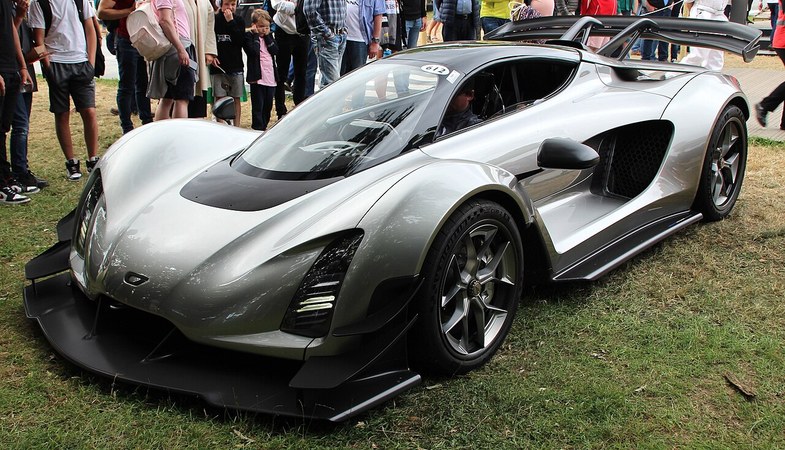
Divergent
Divergent Technologies is a Torrance, California digital-manufacturing company behind DAPS, the Divergent Adaptive Production System - an end-to-end platform that pairs AI-driven generative design, metal 3D printing, and software-defined robotic assembly to produce complex automotive, aerospace, and defense structures without part-specific tooling. The same system that builds the record-setting Czinger 21C hypercar now turns out missile airframes and drone aerostructures for U.S. defense primes.
Layup Parts
Layup Parts is a Huntington Beach, California company building a software-defined manufacturing platform for custom composite parts. Through its FiberPortal portal, engineers upload a 3D model, configure materials and ply layups, get an instant interactive quote, and receive finished carbon fiber or fiberglass parts - with quality documentation - in as little as two weeks. Founded in 2024 by former Anduril and Boring Company engineer Zack Eakin, the company pitches itself as the 'Amazon of composites,' automating the slow, quote-by-email world of composite fabrication for aerospace, defense, motorsports and high-tech customers. It raised a $42M Series A in June 2026 led by Marlinspike.

Seurat Technologies
Seurat Technologies is a Massachusetts-based contract metal manufacturer built around Area Printing, a laser powder bed fusion process invented at Lawrence Livermore National Laboratory. Instead of melting metal powder one point at a time, Seurat uses millions of tiny laser points to print entire areas at once, decoupling resolution from speed. The company doesn't sell printers; it runs its own clean-energy print factories and sells finished parts at costs meant to rival casting, forging, and machining, with the goal of reshoring high-volume metal manufacturing and cutting its carbon footprint.
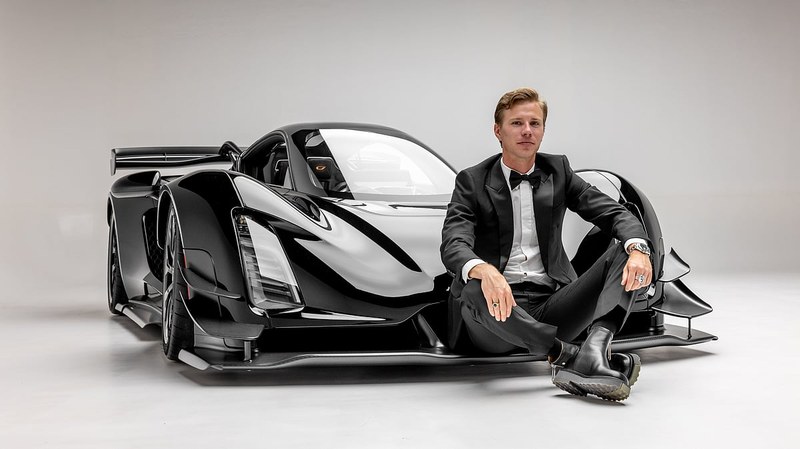
Lukas Czinger
Lukas Czinger is the co-founder and CEO of Divergent Technologies, a Torrance-based company that built an end-to-end digital manufacturing platform fusing AI-driven generative design, metal 3D printing, and automated robotic assembly. He is also co-founder of Czinger Vehicles, whose 3D-printed 21C hypercar has shattered production-car lap records at tracks like Laguna Seca. A Yale electrical engineering graduate and former investment banker, he joined his father Kevin's startup at the most junior rung and climbed to run the company, holding close to 60 personal patents while pushing the platform from supercars into aerospace and defense.
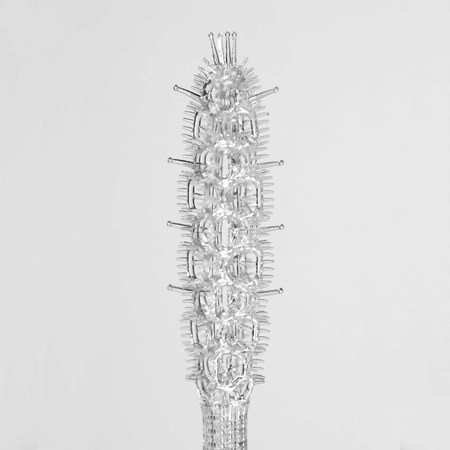
OPT Industries
OPT Industries is an MIT-spun materials foundry in Medford, Massachusetts that built the world's first roll-to-roll 3D printing platform, RAMP. By pairing computational design software with continuous additive manufacturing, OPT prints micron-precise materials at unlimited length and high volume - producing everything from the InstaSwab COVID-19 nasal swab to flockless cosmetic applicators and false eyelashes. The pitch is simple: one process, endless possibilities.