care-coordination
(100)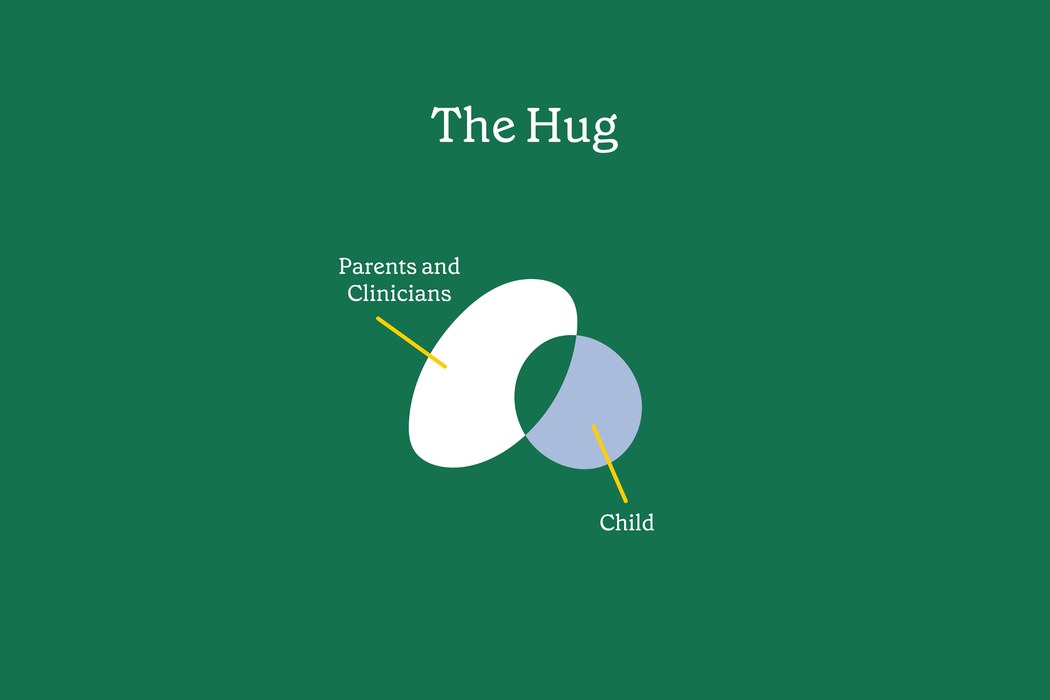
The Unicorn That Discovered Care Wasn't Software
Elemy raised $270 million to make autism care feel less like paperwork and more like care. Then the company learned the hardest lesson in digital health: the people are not the software layer.
The Mental-Health Company Betting That Belonging Is Medicine
Vanna Health starts where the clinic usually stops: at home, on the bus, inside a clubhouse, and in the slow work of earning trust. Its wager is that the most useful mental-health technology may be the one that helps another human keep showing up.

The Startup That Learned the Doctor Was the Door
Salvo Health began by asking patients to walk around the healthcare system. Then it discovered the more useful trick: walk through the front door, beside their own doctor.

Choice Medical Group brings care closer to home
In California’s High Desert, Choice Medical Group connects a network of 300-plus providers with urgent care, nursing support, and a senior club where the paintbrushes matter, too.
Patients Know Best wants your medical record to follow you
Eight million patients have registered with a company built around a stubborn idea: the person receiving care should control a copy of the record. Making that work means changing how hospitals buy software, share information and involve patients.

Andy Schuyler Spent a Career Turning Health Data Into Decisions
Long before healthcare software learned to say “AI,” the physician executive was arguing for a humbler achievement: weave scattered information together, put it where decisions happen, and make it useful.
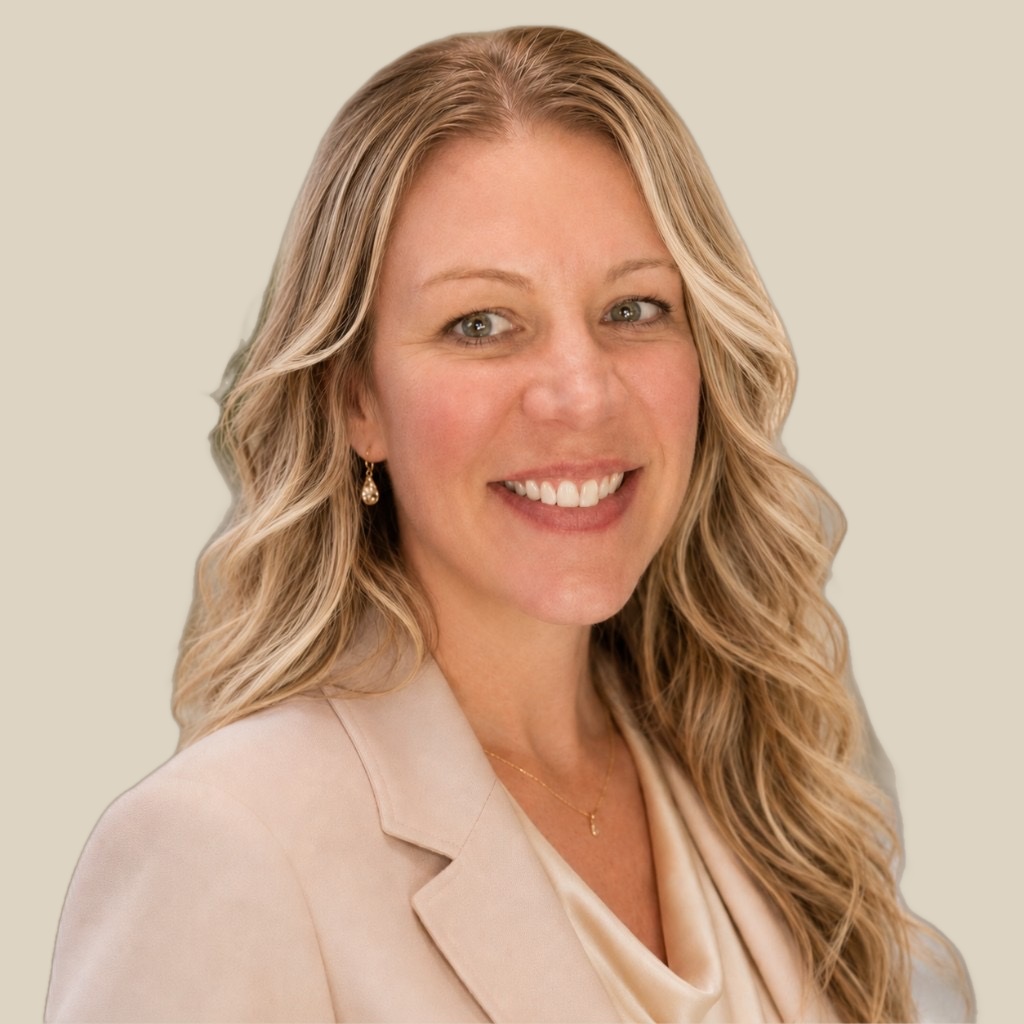
Jen Thomas Is Selling the Connective Tissue of Care
After more than two decades in healthcare technology sales, CipherHealth's chief sales officer has a precise diagnosis for a sprawling industry: hospitals own moments, but patients live journeys. Her work begins in the gaps between them.

WellSky Put a $1.35 Billion Bridge Between the Hospital and Home
The former Mediware spent years assembling the overlooked machinery of post-acute care. Now its biggest test is turning a cabinet of specialist software into one intelligent network - without making care teams learn another disconnected tool.

The Hospital Call That Fell From $82 to $2 - and the Workflow CipherHealth Built Around It
CipherHealth did not invent the follow-up call or the nursing round. It made both harder to lose - then tied the answers to the people who can act.
Caregility Put a Second Nurse in the Room - Without Adding Another Pair of Shoes
Hospitals bought telehealth cameras during the pandemic. Caregility is trying to turn that hardware into a new labor model - one virtual nurse, many rooms, and fewer clerical miles for the people at the bedside.

TigerConnect Turned a Vanishing-Text Gimmick Into the Operating Layer Hospitals Actually Needed
It started with messages that disappeared. Then the founders noticed the bigger business hiding in plain sight: hospitals did not need another inbox - they needed the right work to reach the right person before the moment was lost.

Lucas Takahashi Bet on the Space Between an Order and an Answer
The Medmo co-founder turned a stubborn trail of phone calls, faxes and missing follow-ups into a coordination business. His route there runs through finance, a discarded mail idea, and the cool concentration of a junior skeet champion.
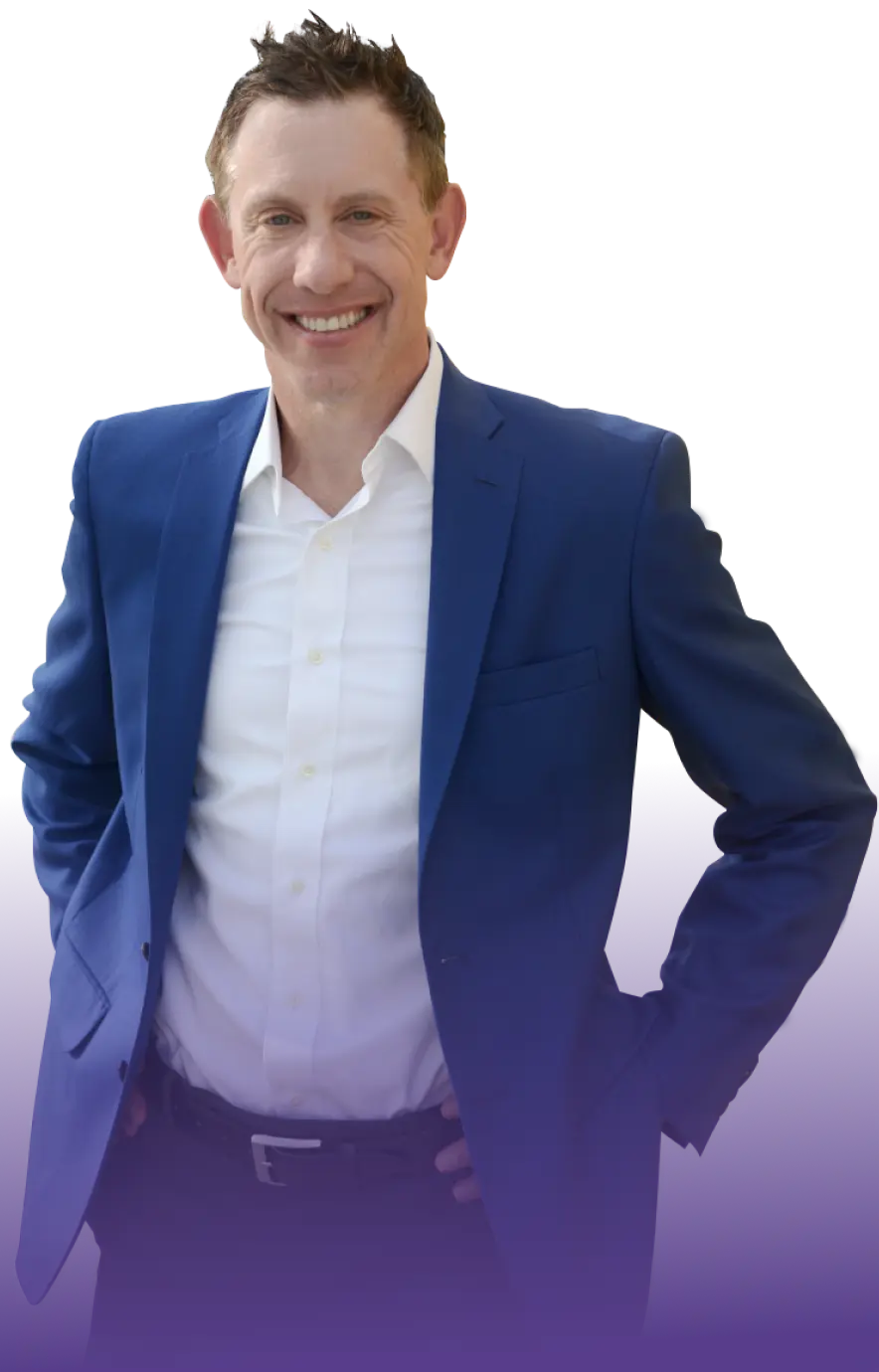
Joel Theisen Is Building a Company Around the Part of Aging the System Forgot
The nurse-turned-founder spent two decades turning a frontline frustration into Lifespark. His wager is simple: the future of senior living begins with a life, not a list of services.
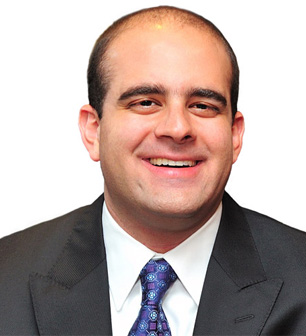
Farbod Hagigi Has Spent 20 Years Fixing the Hand-Off
The ClinicalBox founder built a career around a stubborn observation: complex systems fail at their seams. His answer has been equal parts policy research, software design, and patient attention.
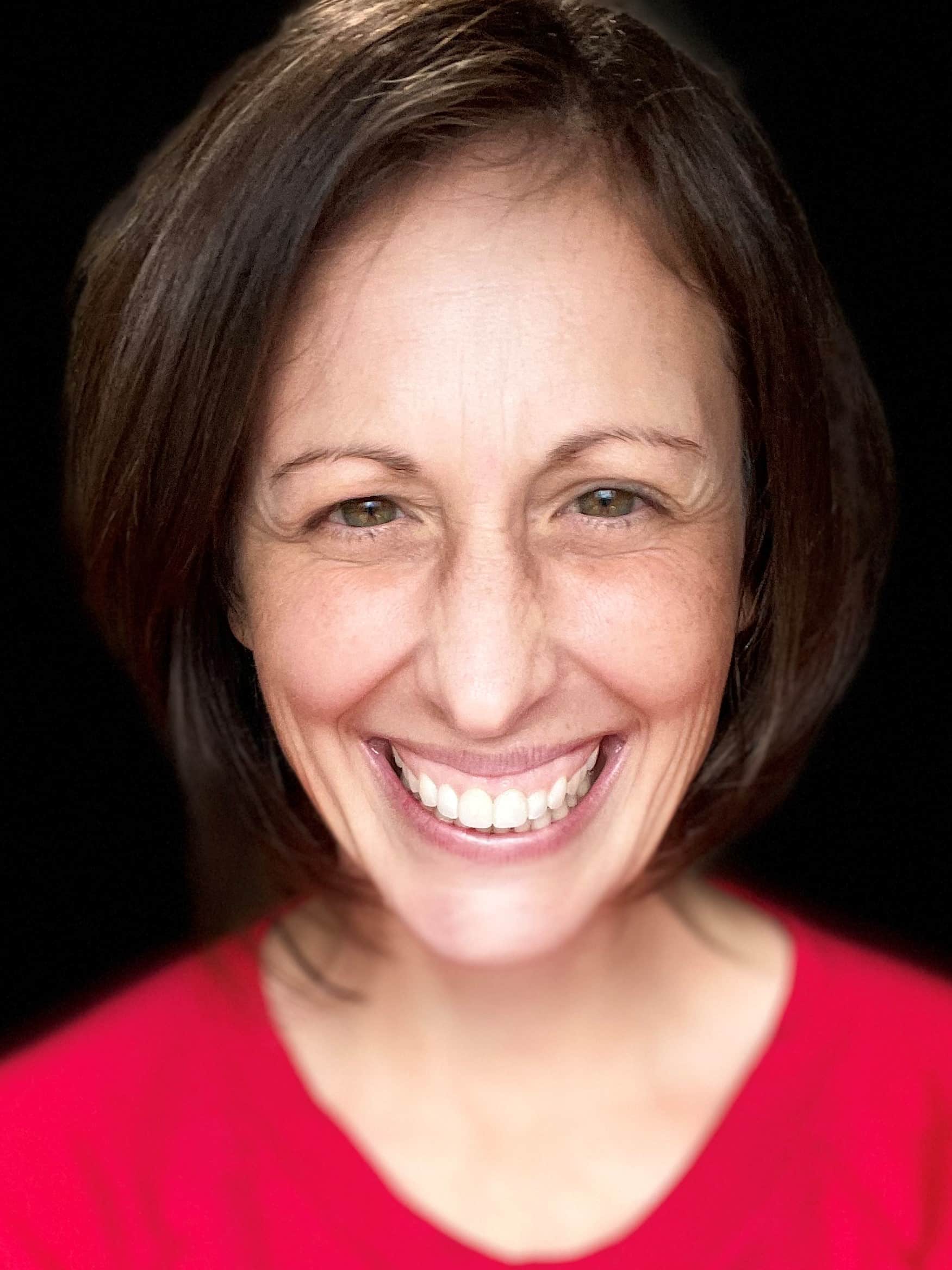
Jean Ross Is Building the Missing Place Between the Portal and the Kitchen Table
A patient-finance manager became a critical-care nurse, then turned years of binders, portals and repeated explanations into a company. Jean Ross’s useful idea is simple: the record should travel with the family.
Anchor’s Bet: The Best Rehab Plan Is Worthless Until It Survives the Real World
Ontario’s Anchor Rehabilitation built a business around the least glamorous part of care: making the plan actually happen. Its mix of field staff, behaviour expertise and digital follow-through offers a practical playbook for closing the gap between a good recommendation and a livable routine.
IntusCare Found a $27 Million Wedge in the Spreadsheet Chaos of Senior Care
PACE teams were managing high-stakes care with generic software, stray spreadsheets and manual workarounds. IntusCare turned that unglamorous mess into a focused healthcare software business serving more than 70 organizations nationwide.

Lifespark's $36 Million Bet: Fix Senior Care by Owning the Handoffs
Most senior-care failures happen between appointments, providers, and payment systems. Lifespark spent two decades assembling the pieces under one roof - and now it has to prove that integration can travel beyond Minnesota.

The Nursing-Home Healthcare Company That Put the Clinic on Wheels
Aria Care Partners built a national business by taking four easily neglected specialties to residents who are difficult to transport. The clever bit is not the van - it is the paperwork, insurance, scheduling, and follow-up wrapped around the visit.

Primary Record Started With a Medical Binder. Then It Found the Bigger Business Hiding Outside the Hospital.
A nurse and her software-veteran neighbor built an app to replace caregivers’ bursting binders. The harder lesson was that downloading records is only the first mile - the real business is helping families and community teams use them when care changes hands.

ExactCare Put the Pharmacy Counter in a Box - Then Built a Care Team Around It
A Cleveland pharmacist noticed that the hardest part of medicine was often not inventing it, but taking it correctly. ExactCare turned the monthly refill into packaging, logistics and clinical follow-through for people whose pill routines had become a second job.

Somatus Bet $465 Million That the Best Kidney Business Prevents Dialysis
The McLean healthcare company built a national care layer around a simple, expensive idea: find kidney and heart trouble earlier, bring clinicians into the home, and get paid when patients stay healthier. The promise is compelling. The execution depends on data, patient trust, and risk contracts all working at once.
Brave Health Bet on the Patients Telehealth Forgot - Then Had to Make the Math Work
Most virtual-therapy companies chased easy-to-reach customers. Brave Health built for Medicaid members, where the hard part is not launching a video call - it is finding patients, accepting their insurance and keeping care financially sustainable.

The Surgeons Who Taught Software to Argue With Insurance Companies
Prior authorization is the paperwork chokepoint that delays surgeries and burns out staff. ClinicalBox built an AI that does the arguing - reading the chart, matching the policy, and building the case in about a minute.

Inside the Atlanta Startup Rewiring How Cancer Gets Decided
OncoLens turned the tumor board - medicine's oldest committee - into AI-backed software now running inside 225-plus cancer centers. It started with a daughter watching her father get conflicting advice.

The MRI Wasn't Broken. The Referral Was.
Medmo built a business around the least glamorous part of radiology: everything between a doctor's order and a usable result. After more than one million patient journeys, that connective tissue became valuable enough to reshape the company.
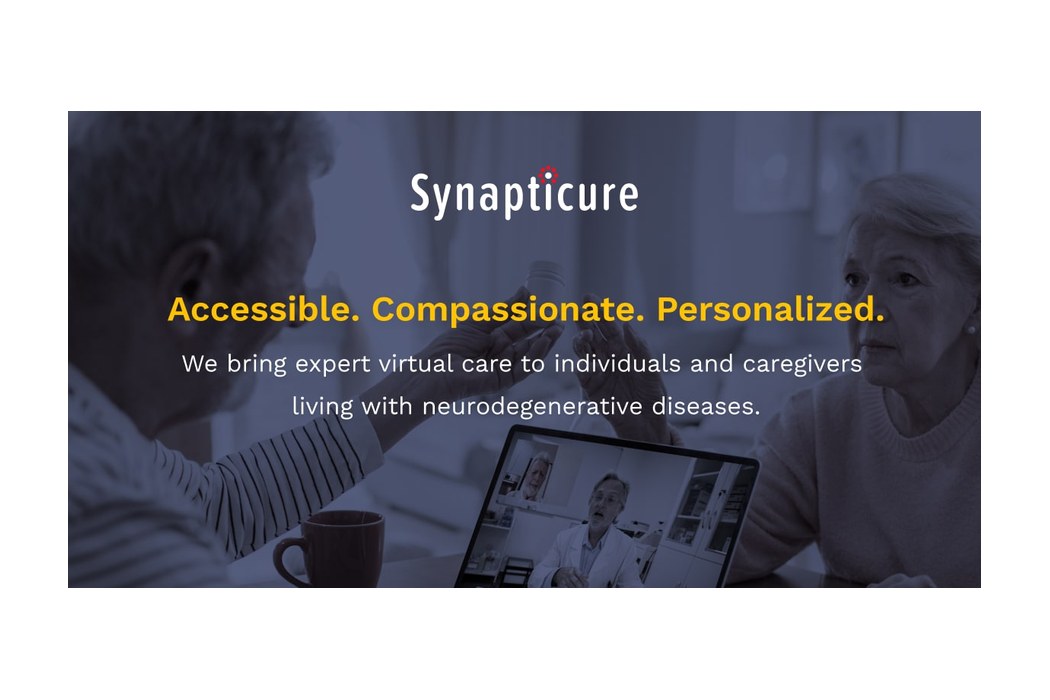
The Neurology Clinic That Comes Home
Synapticure was built by a patient and a caregiver who discovered that a diagnosis can arrive long before a workable care plan. Its answer is a nationwide virtual clinic that treats the household - not just the chart.
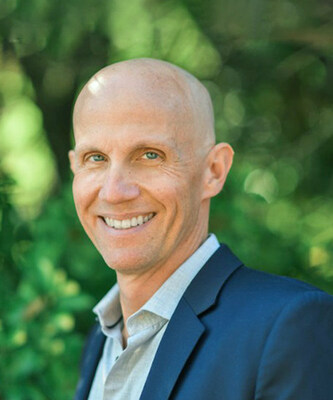
Darren Schulte Is Building the Operating System Between the Appointment and the Crisis
The physician-executive spent two decades teaching software to read the chart. At Vynca, he is tackling the harder problem: turning those signals into coordinated action before a routine gap becomes a costly crisis.

Brookdale Is Building a Small City for Every Stage of Aging
The country's largest senior-living operator is trying to make one hard transition feel less like a handoff and more like a life that can keep unfolding - with care, community and clinical coordination under one roof.

The Back Office Behind One in Five American Doctor Visits
athenahealth doesn't see patients. It runs the billing, charts, and reminders for the clinicians who do - and it's betting the whole network on AI.