value-based-care
(187)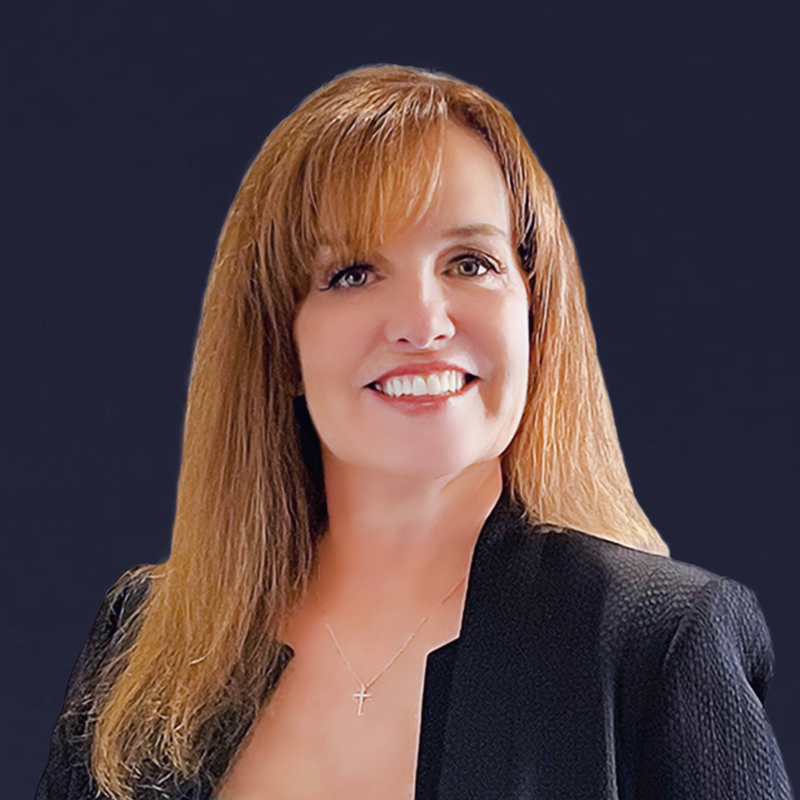
Karen Thomas-Smith Put the Customer Before the Campaign
Long before customer-first became a slogan, Karen Thomas-Smith rebuilt a healthcare marketing team around a blunt question: what does the buyer actually need to understand? The answer changed the org chart, the content, and the numbers.

Andy Dé Keeps Asking AI the Question That Matters: Where’s the Value?
The engineer-turned-marketer has spent more than two decades translating data into decisions. At Lightbeam Health Solutions, his favorite test for artificial intelligence is refreshingly unfashionable: does it produce a measurable result?

Henry DePhillips Put the House Call on a Screen - Then Followed the Data
Before virtual care became ordinary, Henry DePhillips was arguing that convenience still needed clinical discipline. His career traces healthcare's long migration from the exam room to the screen, and from the screen to the spreadsheet.

WellSky Put a $1.35 Billion Bridge Between the Hospital and Home
The former Mediware spent years assembling the overlooked machinery of post-acute care. Now its biggest test is turning a cabinet of specialist software into one intelligent network - without making care teams learn another disconnected tool.
CitiusTech Bet Everything on Healthcare. Now It Has to Make AI Behave.
For two decades, CitiusTech refused to become a general-purpose IT shop. That stubborn focus built a valuable healthcare specialist - and now gives it a credible shot at making enterprise AI survive contact with clinical reality.

Lightbeam Found Billions in Healthcare’s Messy Middle - Then Turned a Customer Into Its Operator
Hospitals do not need another dashboard. They need to know who to call before lunch. Lightbeam built a business around that unglamorous handoff from data to action - and says its customers have generated more than $5 billion in gross savings along the way.
Innovaccer Threw Away 70% of Its Revenue - Then Built Healthcare’s Missing Data Layer
The founders killed a working analytics business, lived inside an Iowa hospital and spent more than $100 million connecting healthcare’s stubborn software islands. Now their $3.45 billion bet is that the same plumbing can make AI useful - not merely impressive.

Arcadia’s 24-Year Bet: Fix the Data Before Asking AI to Fix Healthcare
Arcadia spent a decade learning why health data refuses to behave. Then it turned that scar tissue into software - and made a disciplined bet that useful AI begins with records clinicians can trust.
Elation Health Bet the EHR Was the Problem. Now It Wants AI to Give Primary Care Its Evenings Back.
Two siblings built a chart for their father's clinic, then spent 16 years turning that family workaround into the operating system for independent primary care. The new wager is bigger: AI should finish the paperwork without hijacking the visit.
Medecision Survived a Rough IPO. Now It Wants Health Plans to Stop Admiring Dashboards and Start Acting.
A basement-born medical software company went public, endured what its founder called a terrible ride, and sold for $121 million. Nearly four decades after launch, Medecision is betting that healthcare’s next breakthrough is not another dashboard - it is turning messy data into the next useful action.
The Healthcare Dashboard Is Dead. MedeAnalytics Is Betting the Payoff Starts After the Chart
Health systems and insurers have no shortage of data. Their real problem is turning a warning light into an owned, measurable action - and this 33-year-old software company has rebuilt itself around that stubborn last mile.
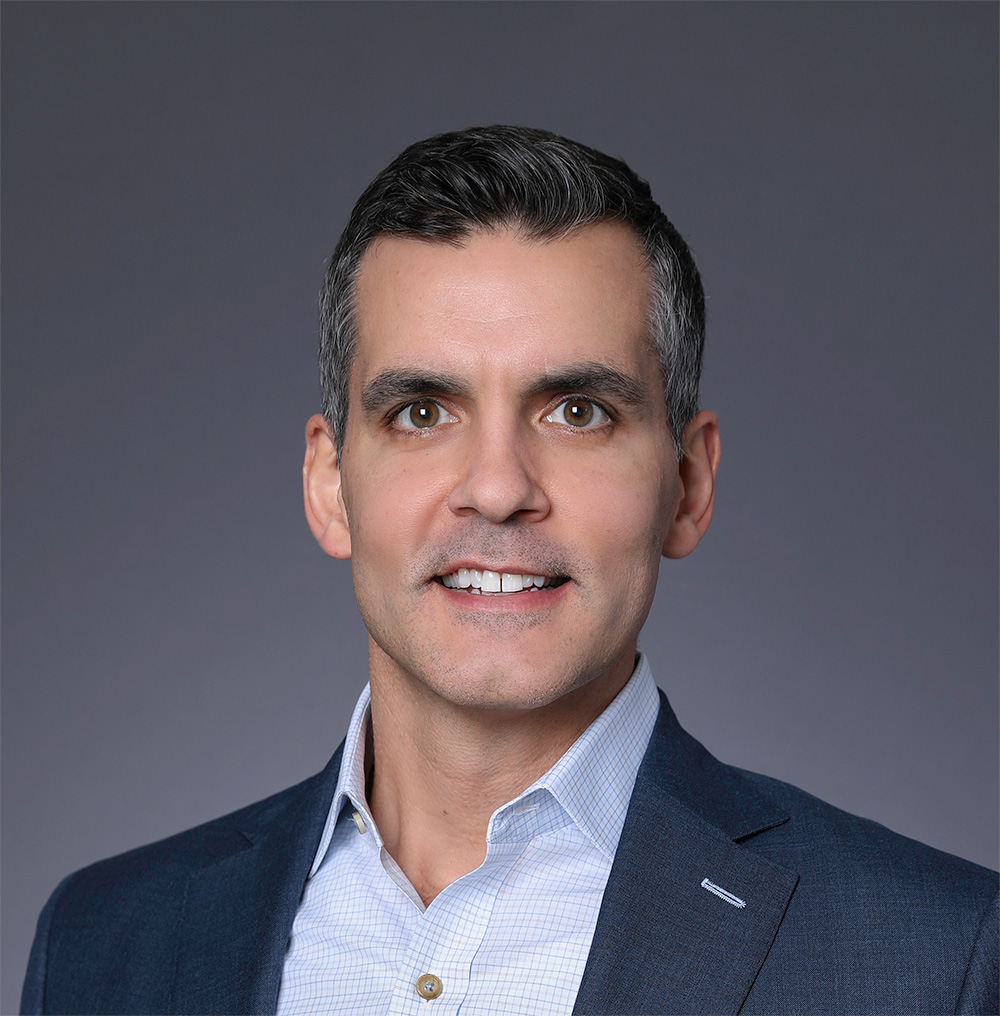
Benjamin Shaker Built One Market. Then It Became the Operating Manual.
Agilon health began its national field test in Columbus with Benjamin Shaker at the controls. His career since has been an exercise in making a local partnership repeatable without making it generic.

Patrick Nelli Put a CFO’s Spreadsheet at the Front Door of Primary Care
A physics graduate became a healthcare investor, an IPO-era CFO, and finally a founder. His bet is elegantly financial: pay independent doctors for value, give employees a real choice, and let better primary care earn its place on the spreadsheet.
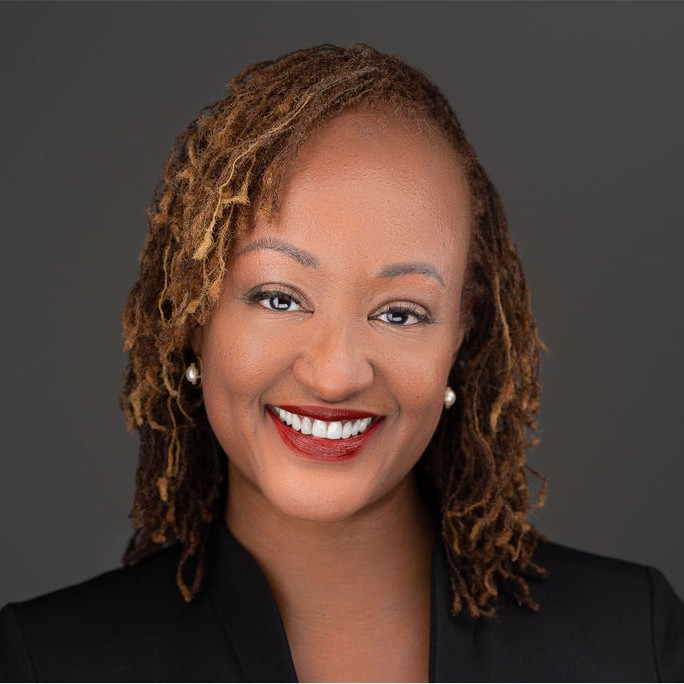
Rachael Jones Found the Fight Hiding in the Spreadsheet
A bruising contract meeting gave Rachael Jones a durable idea: when every side brings its own numbers, even good intentions become an argument. She built Syntax Health to put everyone on the same page - literally and financially.

Joel Theisen Is Building a Company Around the Part of Aging the System Forgot
The nurse-turned-founder spent two decades turning a frontline frustration into Lifespark. His wager is simple: the future of senior living begins with a life, not a list of services.
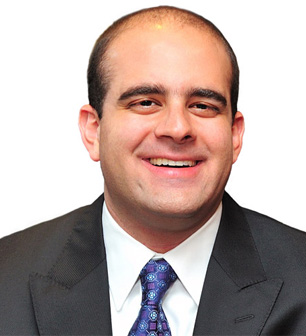
Farbod Hagigi Has Spent 20 Years Fixing the Hand-Off
The ClinicalBox founder built a career around a stubborn observation: complex systems fail at their seams. His answer has been equal parts policy research, software design, and patient attention.

Robbie Felton Learned the Work Before He Built the Software
Before IntusCare became a nationwide software company, Robbie Felton spent a year inside the care model he wanted to serve. That apprenticeship still explains how he builds: observe the work, earn trust, then make the technology useful.

Isaac Park Is Teaching AI to Read the Fine Print
After building more than 50 products, the Durham founder chose a problem hidden in paperwork. Keebler Health now turns clinical footnotes into usable evidence - with humans firmly in the loop.
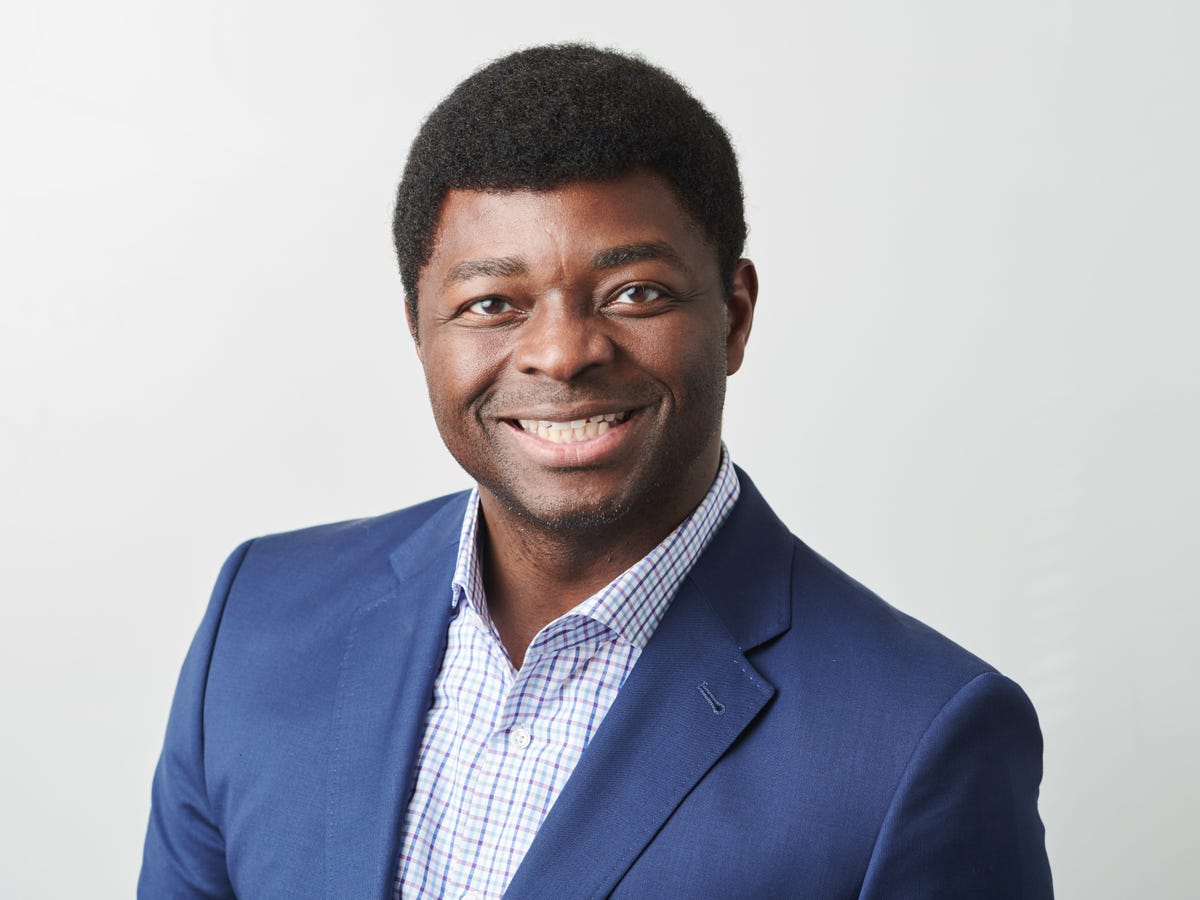
Ikenna Okezie Built the Care Company His Industry Was Missing
A physician with an economist’s eye left a billion-dollar operating role to redesign care before the crisis. Ten years later, the original thesis is still visible - only the scale has changed.
IntusCare Found a $27 Million Wedge in the Spreadsheet Chaos of Senior Care
PACE teams were managing high-stakes care with generic software, stray spreadsheets and manual workarounds. IntusCare turned that unglamorous mess into a focused healthcare software business serving more than 70 organizations nationwide.
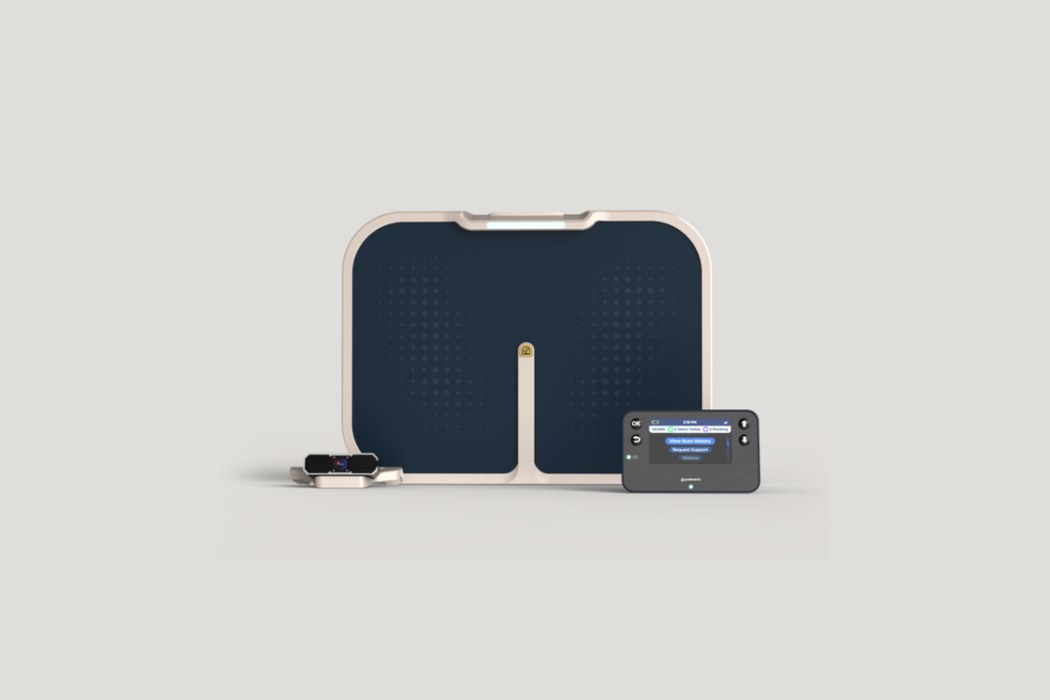
The $100,000 Problem Hiding Under a Patient's Foot - and the 20-Second Habit Podimetrics Built to Catch It
Podimetrics began with an insole, survived an electrical-tape prototype, and found its business in a deceptively simple ritual: stand still for 20 seconds before a wound becomes a crisis.
Lifespark's $36 Million Bet: Fix Senior Care by Owning the Handoffs
Most senior-care failures happen between appointments, providers, and payment systems. Lifespark spent two decades assembling the pieces under one roof - and now it has to prove that integration can travel beyond Minnesota.
Aligned Marketplace's $31 Million Bet: Pay Doctors to Keep Workers Out of the Hospital
The New York startup bundles 3,000-plus independent clinics into one employer benefit. Its wager is simple, expensive and now measurable: better primary care can prevent the hospital bill before it arrives.

Meridian Built a $2.5 Billion Medicaid Machine - Here’s the Local Playbook Health-Tech Founders Can Steal
A Detroit physician and his family turned a small Medicaid plan into a $2.5 billion acquisition. Inside Meridian’s enduring formula: win the public contract, build the provider plumbing, and treat food, housing and transportation as part of the product.
ExactCare Put the Pharmacy Counter in a Box - Then Built a Care Team Around It
A Cleveland pharmacist noticed that the hardest part of medicine was often not inventing it, but taking it correctly. ExactCare turned the monthly refill into packaging, logistics and clinical follow-through for people whose pill routines had become a second job.

Crossover Health Couldn't Sell Better Primary Care One Patient at a Time - So It Sold the Whole System to Employers
A consumer clinic taught physician-founder Scott Shreeve that better care was not enough - distribution was the real diagnosis. Crossover's employer pivot turned one awkward storefront into a hybrid care network, and a 2026 merger gave the model national heft.

Somatus Bet $465 Million That the Best Kidney Business Prevents Dialysis
The McLean healthcare company built a national care layer around a simple, expensive idea: find kidney and heart trouble earlier, bring clinicians into the home, and get paid when patients stay healthier. The promise is compelling. The execution depends on data, patient trust, and risk contracts all working at once.
Brave Health Bet on the Patients Telehealth Forgot - Then Had to Make the Math Work
Most virtual-therapy companies chased easy-to-reach customers. Brave Health built for Medicaid members, where the hard part is not launching a video call - it is finding patients, accepting their insurance and keeping care financially sustainable.
The Home Spirometer a Father Couldn't Buy Became RemetricHealth's Remote-Care Business
Wayne Meng went looking for a way to measure his daughter's lung function at home and found a blank shelf. The device he built became the wedge for a broader bet: remote care works better when someone handles the hardware, the data and the human follow-up.
Syntax Health Put a $7.5 Million Bet on Healthcare's Ugliest Spreadsheet - and Made Payers Show Their Math
A failed contract meeting convinced Rachael Jones that value-based care did not need another slogan. It needed a shared calculator - one that could expose hidden risk, price incentives, and let both sides negotiate from the same page.