value-based-care
(118)
WellSky Put a $1.35 Billion Bridge Between the Hospital and Home
The former Mediware spent years assembling the overlooked machinery of post-acute care. Now its biggest test is turning a cabinet of specialist software into one intelligent network - without making care teams learn another disconnected tool.
CitiusTech Bet Everything on Healthcare. Now It Has to Make AI Behave.
For two decades, CitiusTech refused to become a general-purpose IT shop. That stubborn focus built a valuable healthcare specialist - and now gives it a credible shot at making enterprise AI survive contact with clinical reality.

Lightbeam Found Billions in Healthcare’s Messy Middle - Then Turned a Customer Into Its Operator
Hospitals do not need another dashboard. They need to know who to call before lunch. Lightbeam built a business around that unglamorous handoff from data to action - and says its customers have generated more than $5 billion in gross savings along the way.
Innovaccer Threw Away 70% of Its Revenue - Then Built Healthcare’s Missing Data Layer
The founders killed a working analytics business, lived inside an Iowa hospital and spent more than $100 million connecting healthcare’s stubborn software islands. Now their $3.45 billion bet is that the same plumbing can make AI useful - not merely impressive.

Arcadia’s 24-Year Bet: Fix the Data Before Asking AI to Fix Healthcare
Arcadia spent a decade learning why health data refuses to behave. Then it turned that scar tissue into software - and made a disciplined bet that useful AI begins with records clinicians can trust.
Elation Health Bet the EHR Was the Problem. Now It Wants AI to Give Primary Care Its Evenings Back.
Two siblings built a chart for their father's clinic, then spent 16 years turning that family workaround into the operating system for independent primary care. The new wager is bigger: AI should finish the paperwork without hijacking the visit.

Medecision Survived a Rough IPO. Now It Wants Health Plans to Stop Admiring Dashboards and Start Acting.
A basement-born medical software company went public, endured what its founder called a terrible ride, and sold for $121 million. Nearly four decades after launch, Medecision is betting that healthcare’s next breakthrough is not another dashboard - it is turning messy data into the next useful action.

The Healthcare Dashboard Is Dead. MedeAnalytics Is Betting the Payoff Starts After the Chart
Health systems and insurers have no shortage of data. Their real problem is turning a warning light into an owned, measurable action - and this 33-year-old software company has rebuilt itself around that stubborn last mile.
IntusCare Found a $27 Million Wedge in the Spreadsheet Chaos of Senior Care
PACE teams were managing high-stakes care with generic software, stray spreadsheets and manual workarounds. IntusCare turned that unglamorous mess into a focused healthcare software business serving more than 70 organizations nationwide.
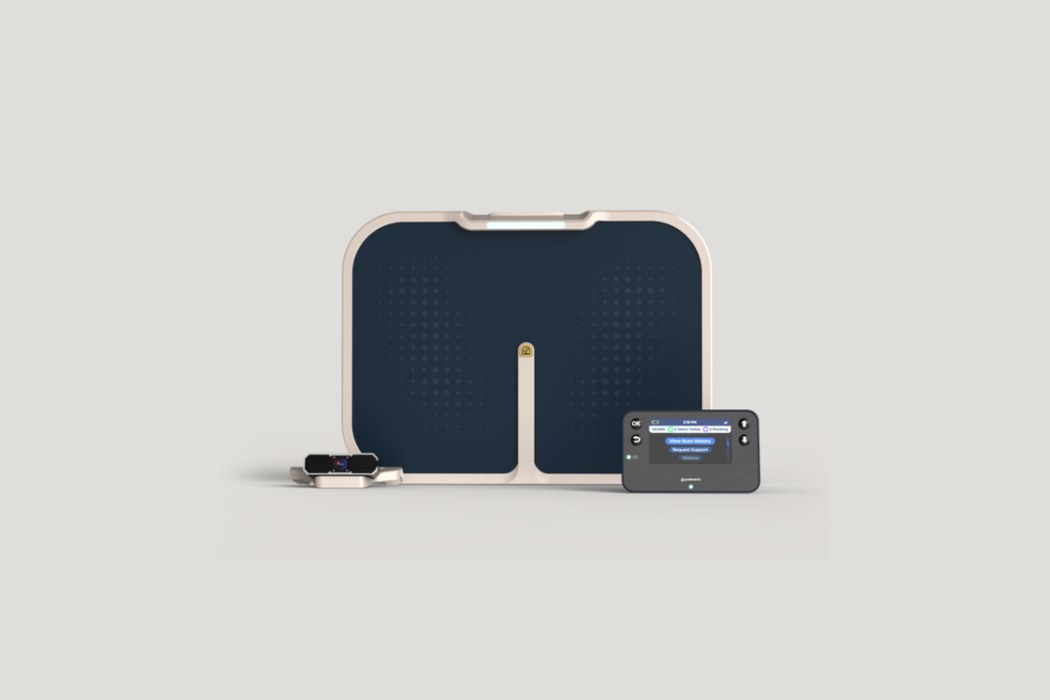
The $100,000 Problem Hiding Under a Patient's Foot - and the 20-Second Habit Podimetrics Built to Catch It
Podimetrics began with an insole, survived an electrical-tape prototype, and found its business in a deceptively simple ritual: stand still for 20 seconds before a wound becomes a crisis.
Lifespark's $36 Million Bet: Fix Senior Care by Owning the Handoffs
Most senior-care failures happen between appointments, providers, and payment systems. Lifespark spent two decades assembling the pieces under one roof - and now it has to prove that integration can travel beyond Minnesota.

Aligned Marketplace's $31 Million Bet: Pay Doctors to Keep Workers Out of the Hospital
The New York startup bundles 3,000-plus independent clinics into one employer benefit. Its wager is simple, expensive and now measurable: better primary care can prevent the hospital bill before it arrives.

Meridian Built a $2.5 Billion Medicaid Machine - Here’s the Local Playbook Health-Tech Founders Can Steal
A Detroit physician and his family turned a small Medicaid plan into a $2.5 billion acquisition. Inside Meridian’s enduring formula: win the public contract, build the provider plumbing, and treat food, housing and transportation as part of the product.
ExactCare Put the Pharmacy Counter in a Box - Then Built a Care Team Around It
A Cleveland pharmacist noticed that the hardest part of medicine was often not inventing it, but taking it correctly. ExactCare turned the monthly refill into packaging, logistics and clinical follow-through for people whose pill routines had become a second job.

Crossover Health Couldn't Sell Better Primary Care One Patient at a Time - So It Sold the Whole System to Employers
A consumer clinic taught physician-founder Scott Shreeve that better care was not enough - distribution was the real diagnosis. Crossover's employer pivot turned one awkward storefront into a hybrid care network, and a 2026 merger gave the model national heft.

Somatus Bet $465 Million That the Best Kidney Business Prevents Dialysis
The McLean healthcare company built a national care layer around a simple, expensive idea: find kidney and heart trouble earlier, bring clinicians into the home, and get paid when patients stay healthier. The promise is compelling. The execution depends on data, patient trust, and risk contracts all working at once.
Brave Health Bet on the Patients Telehealth Forgot - Then Had to Make the Math Work
Most virtual-therapy companies chased easy-to-reach customers. Brave Health built for Medicaid members, where the hard part is not launching a video call - it is finding patients, accepting their insurance and keeping care financially sustainable.
The Home Spirometer a Father Couldn't Buy Became RemetricHealth's Remote-Care Business
Wayne Meng went looking for a way to measure his daughter's lung function at home and found a blank shelf. The device he built became the wedge for a broader bet: remote care works better when someone handles the hardware, the data and the human follow-up.
Syntax Health Put a $7.5 Million Bet on Healthcare's Ugliest Spreadsheet - and Made Payers Show Their Math
A failed contract meeting convinced Rachael Jones that value-based care did not need another slogan. It needed a shared calculator - one that could expose hidden risk, price incentives, and let both sides negotiate from the same page.
Tenure Health Bet That Medicare Needed a Better Front Door - Then Sold the Blueprint
Tenure Health started with a consumer problem - retirement healthcare feels like paperwork with a pulse. Three years, roughly $7 million and several stops and starts later, NCD bought the company for the product machinery behind the promise.
The Startup Teaching AI to Read a Doctor's Bad Handwriting
Most healthcare data is a mess of faxes and scanned charts nobody can read at scale. Keebler Health built AI to read all of it - and to prove exactly where it found each diagnosis.

The Buyers' Club Keeping Cancer Clinics Independent
How a group-buying network built by former pharma executives quietly became the largest independent community-oncology network in the country - and why staying small and independent is the whole point.

The Surgeons Who Taught Software to Argue With Insurance Companies
Prior authorization is the paperwork chokepoint that delays surgeries and burns out staff. ClinicalBox built an AI that does the arguing - reading the chart, matching the policy, and building the case in about a minute.
The MRI Wasn't Broken. The Referral Was.
Medmo built a business around the least glamorous part of radiology: everything between a doctor's order and a usable result. After more than one million patient journeys, that connective tissue became valuable enough to reshape the company.
The Health Fund With 300 Insiders on Call
Wavemaker 360 built a healthcare-only venture firm around an unusually practical idea: the people funding the portfolio can also help its founders enter the rooms where healthcare gets bought.
The Fund Betting That the Poorest ZIP Codes Are the Best Returns
Andy Slavitt ran Medicare. Now he runs a $1.4 billion fund arguing that the patients Wall Street ignores are where the money is - and the math, so far, agrees.

The Healthcare VC Selling Something Scarcer Than Money
Flare Capital has nearly $1 billion under management. Its sharper pitch is a network that turns healthcare's guarded buyers into advisers, pilot partners and customers.

The Venture Firm That Bought a Hospital
General Catalyst spent 25 years turning startups into giants. Then it did something no venture firm had done before - it bought a hospital.

Redesign Health Turned Starting a Healthcare Company Into a Repeatable Process
The New York studio has launched more than 60 healthcare companies since 2018 by treating the messy work of starting one - ideas, diligence, hiring, capital - as a system you can run again and again.
The $83 Million Fund That Turned Healthcare Operators Into a Sales Force
HC9 Ventures built its pitch around a simple diagnosis: healthcare startups rarely fail for lack of software alone. They fail in the maze between a promising product and the institutions that must buy, trust, and deploy it.