automotive-software
(43)
Kenji Nakashima and the last turn before arrival
From Oracle and Google Cloud to Applied Intuition, Kenji Nakashima has spent his career bringing software into Japan’s automotive business. His current work reaches a particularly revealing destination: the loading bay.
vAuto taught dealers to sell faster. Then it changed its mind.
Selling more cars can still mean making less money. vAuto’s answer was to rethink the clock - and treat every used vehicle as a different investment.
Toyota Connected North America: The company behind the SOS button
A red button is a small promise with a large engineering bill. Toyota Connected North America builds the cloud software, call-center tools and in-car experiences that help Toyota and Lexus keep it.

Dealer Inspire and the expensive art of the extra button
The dealership technology company grew by connecting the pieces of online car shopping. Its next challenge is teaching dealers how much they can gain by taking a few pieces away.

myKaarma and the Price of Being Kept Waiting
An oil change, a missing coupon, and an unanswered phone helped shape myKaarma. Its wager: the awkward gaps between repairs matter almost as much as the repairs themselves.

Affinitiv and the sale that never ends
The car leaves the lot. The business does not. Affinitiv turns the years between purchases into a series of service appointments, useful reminders, and reasons to come back.

AutoAlert and the buyer hiding in the service lane
The next car sale may begin with an oil change. AutoAlert turns a dealership’s own customer records into reasons to call, offers to make and vehicles to buy.

PCMI and the Case of the Missing Emails
A warranty claim can spend more time in an inbox than in an adjuster’s hands. PCMI built a business around moving it along - and its customers reveal why the paperwork matters as much as the prediction.

Gubagoo and the car deal that forgot its own price
A shopper builds a deal online. A salesperson starts it again in the showroom. Gubagoo has built a business around making those two encounters remember each other.

Vingstech and the art of filling the gap
A recruiter that also speaks the language of vehicle controllers and enterprise systems offers a useful lesson: the missing piece of a technology project is often a person.

The Boring Part That Makes a Car Smart
Apex.AI sells the software beneath the clever features: the part that moves data on time, survives a safety audit, and still works when a prototype becomes a production vehicle.

The Car Crossed a Border. Globetouch Made Sure Its Signal Could.
A connected car can leave the showroom in one country and drive into another. Globetouch built the hidden control room that let automakers keep the connection, the service and the customer relationship intact.
Auto Avaliar built a business on the car you trade in
The Brazilian platform connects vehicle appraisals with dealers ready to buy. Stellantis paid €54 million to increase its stake to 95% - and the company is taking its model from used cars to heavy machinery.

CitNOW taught car dealers to show. Now it wants them to remember.
A personalised video can explain a repair. CitNOW Group is betting that connected software can keep the whole dealership conversation from getting lost.
Wayve Raised $2.5 Billion to Teach One AI Driver Every Road
The London company skipped hand-coded rules and high-definition maps for a driving model that learns from experience. Its harder test begins now: turning an elegant research bet into ordinary cars and rides people can actually buy.
Toyota’s Cars Produce a Torrent of Data. This London Team Makes It Useful.
Toyota Connected Europe sits behind the app, the fleet dashboard and the data pipe - turning signals from connected cars into services people can understand and Toyota can operate.

The 45-Year-Old Software Company Teaching Car Dealers a New Dashboard
Pinewood.AI spent decades hidden inside a dealership empire. Now it is selling one database, fewer bolt-ons and automotive-trained AI to dealers around the world - with a £545 million take-private deal waiting at the next junction.

The Software Company Asking Linux to Show Its Work
Codethink built a consultancy by fixing the plumbing beneath cars, medical devices and financial systems. Its bolder project is to make open-source software acceptable where a bug can become a safety case.

Alexis Cardona Has Spent a Career Making Complicated Businesses Mean Something
After Procter & Gamble, Transitions Optical, Aspen Dental and a seven-and-a-half-year run helping SpinCar become Impel, the percussionist with 6,000 CDs has taken on a new score at KPA: translating four decades of trust into an automotive software story.

Albert Lilly Has Spent a Career Making Complicated Technology Make Sense
From online compliance courses to cars that update overnight, the Sibros CMO has built a career around a deceptively hard task: translating complex systems into useful stories.

A Third Recall Sent Him Back to the Dealer. So He Built the Software Layer Carmakers Were Missing
Sibros started with an irritating question: why should a software bug require a trip to the dealership? Its answer grew into a cloud control room for the messy, safety-critical life of a modern vehicle.
VINCUE Built One Dashboard for the Seven Systems Hiding Behind Every Used Car
A Kansas City dealer was using seven systems to manage one piece of inventory. VINCUE turned that frustration into a single operating layer - and now it is teaching dealership software to anticipate the next decision.

The $40 Million Bet That a 45-Second Video Can Fix the Least Trusted Room in the Car Business
TruVideo turned a mechanic’s phone camera into a trust machine for dealerships. Now, backed by $40 million, it is trying to turn 80 million videos into the operating data layer for every business where seeing is believing.
The Software Company You Notice Only When Everything Goes Wrong
Wind River put an operating system on Mars, watched it stumble, and helped patch it from Earth. Four decades later, its business still rests on the same promise: make complicated machines behave when the deadline is literal.

John Heinlein Learned to Market the Machine
A Stanford-trained computer architect became a marketer without abandoning the engineer in him. At Sonatus, John Heinlein now makes the case that a car should improve long after it leaves the factory.

Lei Xu Is Teaching Cars to See - Then Asking What Sight Is For
The former Tesla Vision engineer built Nullmax around a stubbornly practical idea: autonomous driving only matters when the software can leave the demo, fit the car and survive the road.

Volkswagen Tried to Build One Brain for Nine Car Brands. CARIAD Learned Where Not to Do It Alone
CARIAD was supposed to give Volkswagen a single software spine. Delays, executive turnover and billions in annual losses forced a more useful idea: own the layers that create leverage, and partner for the ones that do not.
Peter Duffy Put the Car Lot Inside a Viewfinder
He began with a camera, a route of dealerships and a problem hiding in plain sight. Fourteen years later, Peter Duffy's guide lines have become an operating system for getting vehicles seen - and sold.
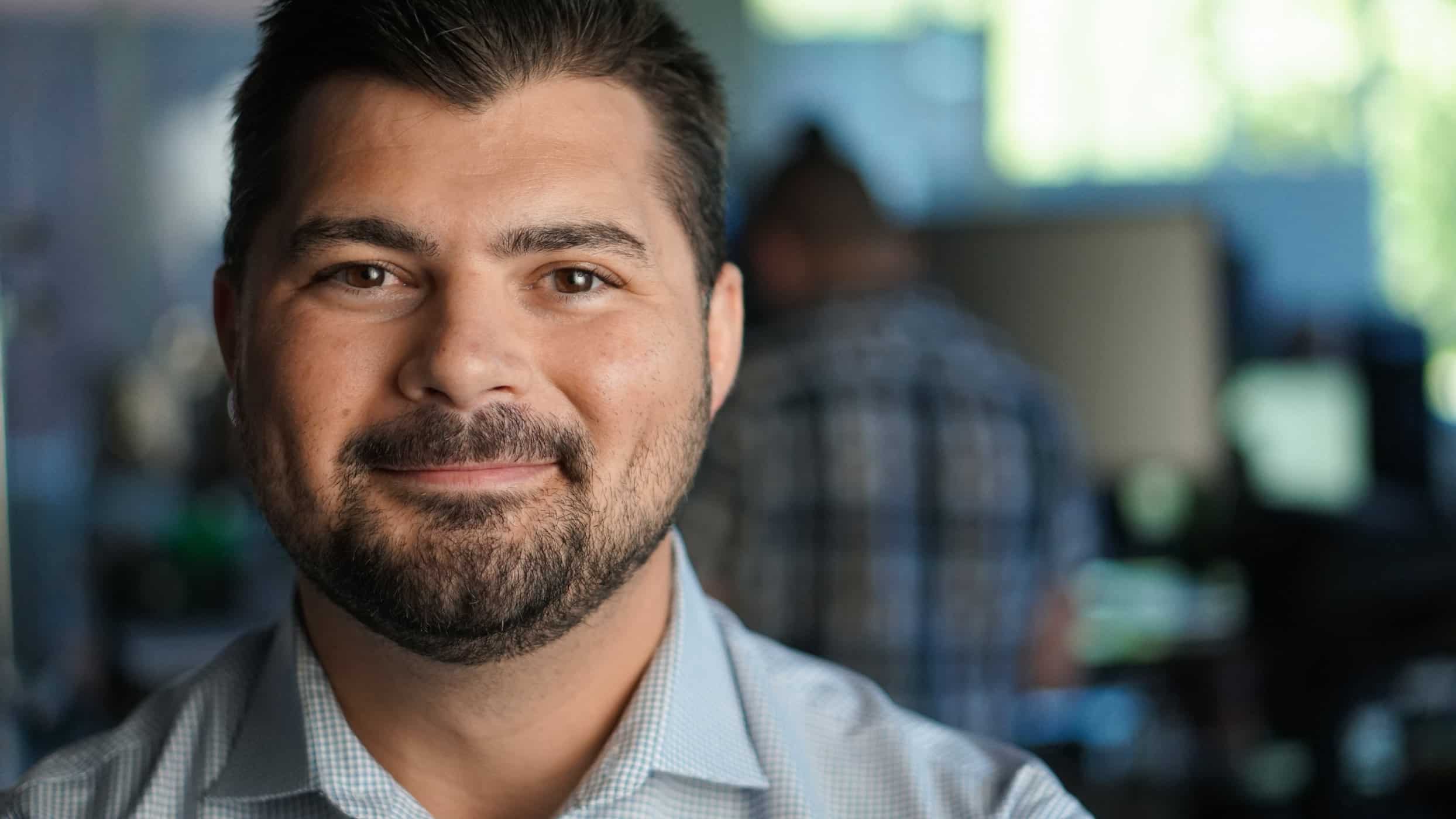
Seve Astorg Put the Receipts in the Sales Pitch
A paper packet inside a West Virginia dealership became a software company. Seve Astorg’s enduring idea is disarmingly practical: when a car comes with proof, the conversation changes.

The Car Dealer’s Paper Folder Became a Data Business - Here’s What Operators Can Steal
iPacket began by replacing a 20-page folder nobody enjoyed assembling. Four thousand dealer partners later, its real product is not the packet - it is the proof that helps a car, a salesperson and a price survive scrutiny.