ai-diagnostics
(24)
Aareon UK wants to fix the work behind the repair
Housing software earns its keep when fewer things fall between the cracks. Aareon UK is betting on cloud systems, connected records and remote repairs - with customer results that reward a closer look.
The Chicago lab teaching hospitals to read your blood before sepsis reads you
Sepsis kills more Americans than all cancers combined and hides in plain sight. Prenosis spent a decade building a biobank and an algorithm to catch it in the first 24 hours - and got the FDA to say yes.
Respiree
Respiree is a Singapore-founded digital health company (an A*STAR spin-off) building clinically validated AI that pairs FDA-cleared cardio-respiratory wearable sensors with software to track lung and heart biomarkers over time. Its 1Bio platform helps hospitals, health systems and biopharma detect patient deterioration - such as COPD flare-ups and heart failure - days in advance, powering remote patient monitoring, clinical decision support and decentralized clinical trials across Asia-Pacific, Australia and the United States.

Healthy.io
Healthy.io turns the smartphone camera into a clinical-grade medical device for at-home diagnostics. Founded in Israel in 2013 by Yonatan Adiri, the company uses computer vision, AI and colorimetric analysis to let patients run lab-quality urine tests at home - for kidney disease, urinary tract infections and pregnancy - and gives clinicians AI-powered 3D wound measurement tools. Its flagship Minuteful Kidney test is the first smartphone-powered home test cleared by the FDA to measure the albumin-to-creatinine ratio, and its products are used across US health plans and UK NHS trusts to close gaps in preventative care.
Morphle Labs Inc.
Morphle Labs is a deep-tech healthcare automation company building robotic and AI-driven imaging systems for cancer diagnostics. Founded in 2017 and now operating between Bengaluru and New York, it combines robotics, optical engineering, and neural-network AI to automate the historically manual steps of histology - from tissue sectioning to whole-slide scanning to remote reporting. Its product line spans the RoboTome robotic microtome, the MorphoLens family of whole-slide scanners, and the HemoLens hematology scanners, giving pathology labs an end-to-end digital workflow at a fraction of the cost of legacy systems.

SpotitEarly
SpotitEarly is a healthtech company building an accessible, non-invasive early cancer detection service that combines trained scent-detection beagles with an AI platform to analyze volatile organic compounds (VOCs) in a person's breath. Users collect a breath sample at home and mail it to the company's lab, where beagles screen for cancer-linked odors and SpotitEarly's proprietary LUCID bio-AI platform digitizes and interprets the dogs' behavioral signals. A double-blind clinical study of 1,400 people, published in Nature's Scientific Reports, reported 94% sensitivity and specificity across the four most common cancers - breast, colorectal, lung, and prostate. Founded in Israel and now launching in the U.S., the company aims to make routine multi-cancer pre-screening affordable, at roughly $250 for a single test.
DexaFit
DexaFit is a health-testing company that turns a quick, low-radiation full-body DXA scan into a broad picture of a person's health - body composition, bone density, visceral fat and metabolic markers. Its AI arm, DexaFit Dx, layers machine learning on top of those same scans to screen for major chronic diseases such as coronary artery disease and type 2 diabetes, aiming to catch them early and non-invasively. Founded in Chicago in 2011 and now operating dozens of centers, DexaFit pairs in-person testing with an app that translates results into longevity scores, disease-risk estimates and trackable goals.
Karius
Karius is a Redwood City, California life-sciences company that turns a single blood draw into a broad infectious-disease diagnosis. Its flagship Karius Test uses microbial cell-free DNA (mcfDNA) sequencing, metagenomics and AI to detect more than 1,000 pathogens - bacteria, DNA viruses, fungi and parasites - often within a day of receiving a sample. Founded in 2014 out of Stephen Quake's lab at Stanford, the company aims to give clinicians a fast, non-invasive alternative to invasive biopsies and slow cultures, with a focus on the immunocompromised patients who need answers most urgently.

Braid Health
Braid Health is a San Francisco health-tech company building an FDA-cleared, AI-powered diagnostic collaboration platform for medical imaging. Founded in 2018 by Apple and Twitter alumni Kevin Quennesson and Alessandro Sabatelli, Braid pairs AI imaging copilots with board-certified radiologists to deliver faster, lower-cost reads of MRI, CT, ultrasound and X-ray studies. It serves urgent care networks, health systems and retail clinics, and in 2026 launched a direct-to-patient second-opinion service that offers expert radiologist re-reads for $199.

Rohit Hiwale
Rohit Hiwale is the co-founder and CEO of Morphle Labs, a Y Combinator W20 deep-tech company building robotic microtomes and high-throughput whole slide scanners for digital pathology. An IIT Kharagpur computer science graduate and second-time founder with prior engineering stints at Yahoo, WalmartLabs and Rippling, he is trying to automate the physical and imaging bottlenecks at the core of cancer diagnostics.

JuneBrain Inc.
JuneBrain Inc. is a Baltimore medtech startup building a wearable, AI-powered eye-scanning system that brings optical coherence tomography (OCT) out of the eye clinic and into neurology, primary care, and the home. Its flagship Neuro-i SS-OCT captures high-resolution retinal images without a technician, and its AI software turns those images into quantitative biomarkers clinicians can use to monitor diseases like multiple sclerosis, Alzheimer's, and Parkinson's between visits. Founded in 2017 by neuroscientist Samantha Scott after her own diagnosis with a neuromuscular disorder, the company is a WBENC-certified women-owned business on track for FDA submission in 2026.

Samay
Samay (formerly Respira Labs) is a San Francisco Bay Area medtech company building Sylvee, a wearable chest patch that pings the lungs with sound waves and uses AI to detect COPD and predict flare-ups before they turn dangerous. Founded by physician-inventor Dr. Maria Artunduaga, the company turns a $40 acoustic sensor into a continuous, at-home alternative to hospital pulmonary function tests, aiming to catch the invisible early signs of lung disease that standard tools miss.
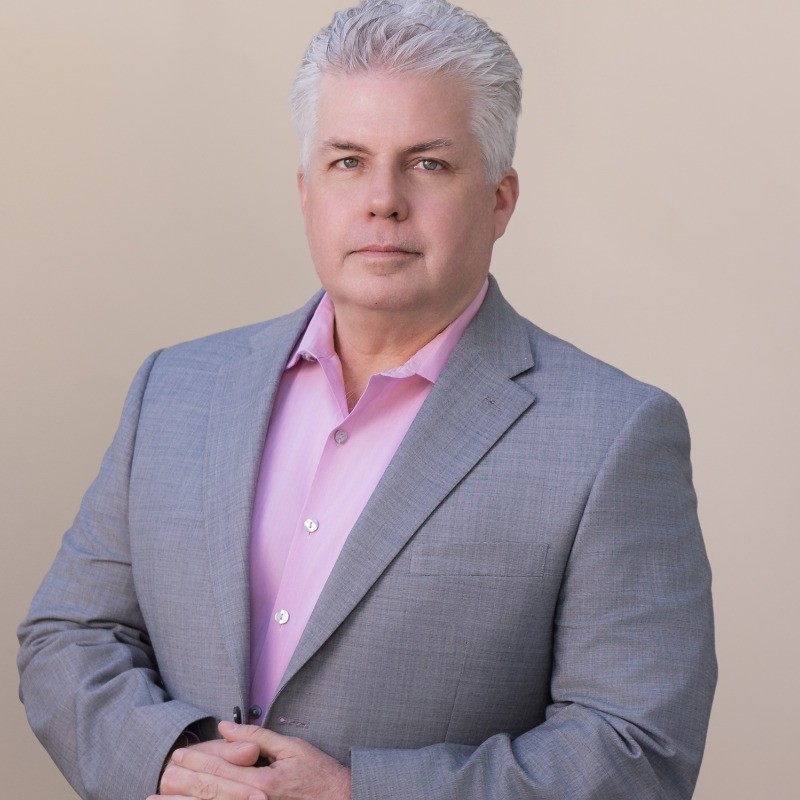
Craig Davis
Craig Davis is the President and CEO of NovaScan, a Chicago-based clinical-stage oncology company building a low-cost, point-of-care platform that uses bioimpedance and machine learning to detect and stratify cancer in real time. A medtech executive and investor with more than two decades of experience, he has raised over $20 million for NovaScan, secured a CPRIT grant, and helped steer clinical trials in skin, lung, breast, GI and pancreatic cancers. Earlier in his career he helped shape companies including New Aera (acquired by Inogen), Merge Healthcare (IPO; later acquired by IBM), and OrthoScan, and was a partner at healthcare investment bank Healthios.
identifeye HEALTH
identifeye HEALTH (formerly Tesseract Health) builds an AI-powered retinal imaging platform that turns a quick eye scan in a primary-care clinic into a window onto whole-body health, helping clinicians screen for diabetic retinopathy, glaucoma and macular degeneration without dilation or specialty equipment.

InterVenn Biosciences
InterVenn Biosciences is a South San Francisco biotech building an AI-driven glycoproteomics platform that reads the sugar coatings on proteins to detect disease earlier. Its flagship blood test, GlycoKnow Ovarian, distinguishes ovarian cancer from benign pelvic masses with ~86% accuracy and went commercial in 2025. Founded in 2017 by Aldo Carrascoso with chemists Carolyn Bertozzi (Nobel Laureate) and Carlito Lebrilla, the company has raised roughly $244M, including a $201M Series C led by SoftBank in 2021.
Valar Labs
Valar Labs is a Palo Alto precision-oncology company building AI tests that read the pathology slides already made during routine cancer care. Its Vesta platform applies proprietary foundation models to standard H&E-stained tissue images to predict how individual patients will respond to therapy - starting with bladder cancer, where it forecasts whether a patient is likely to benefit from BCG treatment and stratifies the risk of recurrence and progression. Founded in 2021 by Stanford AI researchers, the company has raised $26M total and earned the FDA's first Breakthrough Device Designation for an AI digital-pathology prognostic test in bladder cancer.
NovaScan
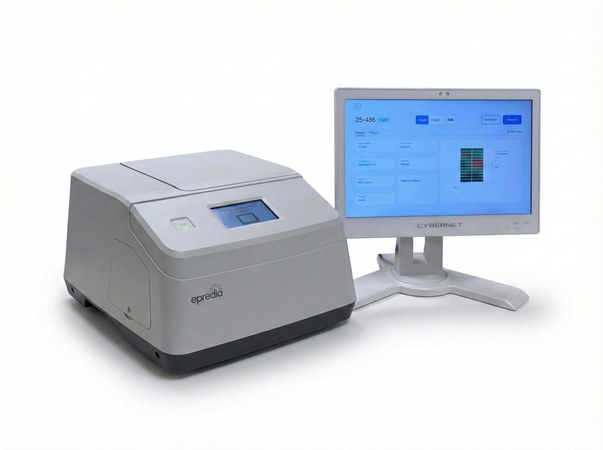
NovaScan is a Chicago-based clinical-stage oncology company building low-cost, point-of-care devices that detect cancer in real time. Its platform pairs spectral bioimpedance with machine learning around a single biophysical signal - the Cole relaxation frequency, which differs by orders of magnitude between cancerous and healthy tissue. Two lead products, nsCanary for assessing biopsy cores and MarginScan for checking surgical excision margins, aim to deliver answers in seconds instead of the days that conventional pathology can take.

Jacob Donoghue
Jacob Donoghue is a physician-scientist and the co-founder and CEO of Beacon Biosignals, a Boston company applying machine learning to EEG brain data to build neurobiomarkers for psychiatric, neurological, and sleep disorders. Trained with an MD from Harvard Medical School and a PhD in neuroscience from MIT, he started Beacon in 2019 on the bet that decades of overlooked brainwave recordings could be turned into a precision-medicine engine for drug development and diagnosis. Under his leadership the company has raised over $116M, secured FDA clearance for a wearable EEG headband, acquired home sleep-testing firm CleveMed, and partnered with more than half of the world's top ten biopharma companies.
Marissa Fayer
Marissa Fayer is a 25-year medtech executive who runs DeepLook Medical, an AI diagnostics company that helps radiologists spot breast cancer earlier in women with dense breast tissue, which she took from concept through FDA clearance into global commercialization. She is also the founder of HERhealthEQ, a nonprofit that has reached over 128,000 women across 12 countries by deploying medical devices for cancers, maternal health, and cardiovascular disease. A partner at women's-health fund Goddess Gaia Ventures and author of the forthcoming book 'Undervalued to Unavoidable,' she argues women's health is not a charitable cause but economic infrastructure that has been systematically underestimated.
Eden
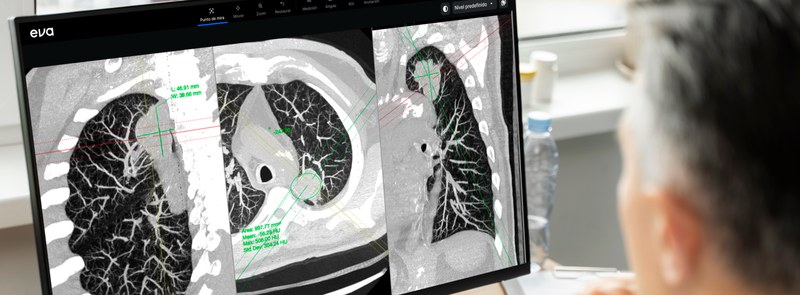
Eden is a Latin American health-tech company building the leading cloud PACS/RIS platform for radiology - storage, viewing, AI-assisted reading, and digital delivery of medical imaging used by hospitals and clinics across 17 countries. Founded by Julián Ríos Cantú, who first became known as the teenager behind the EVA breast-cancer-detecting bra, Eden processes millions of medical images a day and has raised roughly $44M total, including a $10M round led by Sierra Ventures and a Series A in October 2025.

Prenuvo
Prenuvo runs a chain of clinics built around a 60-minute whole-body MRI designed to spot cancer, aneurysms and hundreds of other conditions before symptoms show up. Founded by Andrew Lacy and radiologist Raj Attariwala, the company is trying to drag American healthcare from reactive to preventive, one scan at a time.
Viz.ai
Viz.ai is an AI-powered care coordination platform trusted by over 2,000 hospitals across the United States. The company's suite of 50+ FDA-cleared algorithms analyzes medical imaging data in real time - detecting strokes, brain hemorrhages, aneurysms, pulmonary embolisms, and cardiac conditions - then instantly alerts the right clinical team so treatment can begin minutes faster. Founded in 2016 by neurosurgeon Dr. Chris Mansi and machine learning researcher Dr. David Golan, Viz.ai has grown into a platform covering 230 million lives, supporting 70,000+ healthcare providers, and partnering with 14+ leading pharmaceutical companies to accelerate drug development and patient access.

Barton Wells
Barton Wells is the co-founder, CEO, and CTO of DexaFit Dx, a Palo Alto-based health technology company using AI and full-body DXA scans to detect coronary artery disease, Type 2 diabetes, and other chronic conditions early and non-invasively. A Stanford-trained mathematician and former world-ranked open water marathon swimmer, Wells brings 30+ years of AI, computer vision, and iOS engineering experience - spanning stints at Dropbox and multiple startups - to the challenge of transforming a 7-minute medical scan into a multi-disease risk screening platform for insurers, employers, and individuals.
Vasiliki Demas
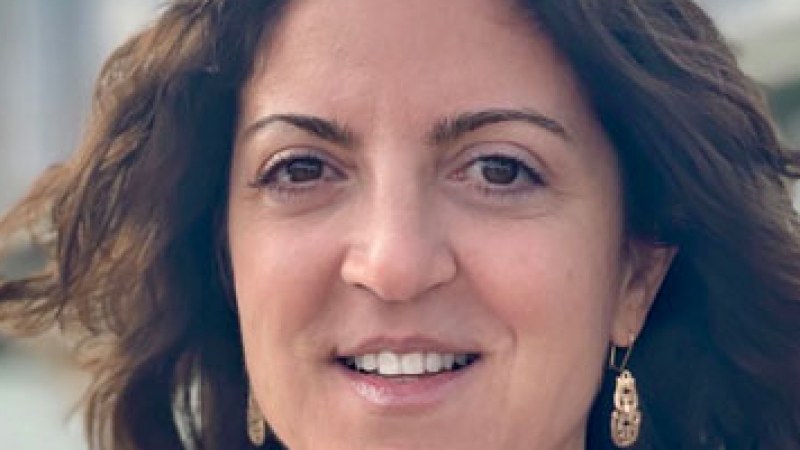
Vasiliki 'Vicky' Demas, PhD, is the CEO and founder of identifeye HEALTH, an AI-enabled retinal imaging company that brings specialized eye screening to primary care settings. A chemical engineer by training with a PhD from UC Berkeley and a postdoc at Lawrence Berkeley National Lab, she cut her teeth as a founding member of Google Life Sciences (which became Verily) and helped build foundational technology for GRAIL's Galleri multi-cancer early detection test. At identifeye HEALTH — which she joined in 2021 and rebranded from Tesseract Health — she leads a 38-person team developing a portable, FDA-registered AI retinal camera that lets minimally trained staff detect diabetic retinopathy and systemic disease markers in the same visit patients already make to their primary care doctor.