national-security
(108)
Parsons makes the complicated work
A metro, a missile defense network, a contaminated airfield. Parsons works where separate systems have to behave as one - and its own setbacks show how hard that promise is to keep.

CACI makes the invisible useful.
A company built around a simulation language now works across drone defense, space sensors, and government software. Its big wager: customers will pay more for an outcome than an hour.
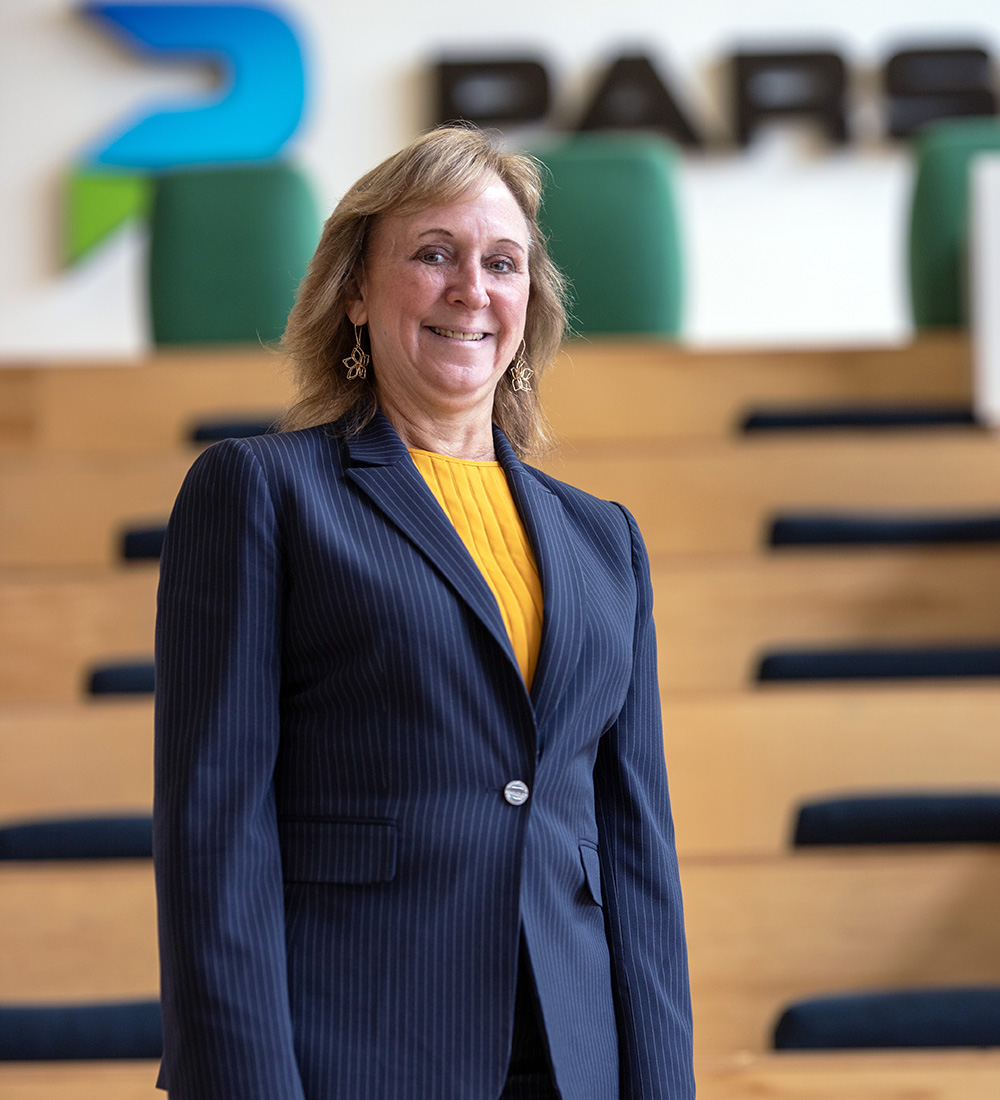
Carey Smith’s view from the middle seat
Before she led Parsons, Carey Smith sat between a pilot and copilot, teaching them to use the digital displays she helped design. The job changed. The need to make complicated systems work together stayed.

Kathy Warden and the value of a change of plan
She went to college thinking about law and left with a future in computing. The Northrop Grumman chief’s career has been shaped by knowing when to change direction - and when to keep working on a very hard problem.
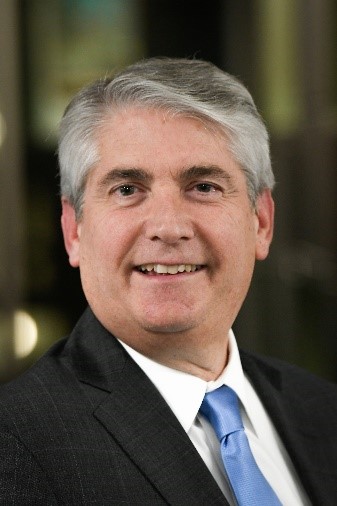
John Mengucci and the art of changing the score
He played drums at Carnegie Hall, then chose a career in computing. At CACI, John Mengucci has spent years making another deliberate change: moving a government contractor toward technology it can call its own.

Horacio Rozanski and the forty-five-day clock
He arrived in Wisconsin looking for an education and joined Booz Allen as a summer intern. Three decades later, Horacio Rozanski is trying to make a century-old institution move at the speed of the technology it builds.
Defense Unicorns makes software work off the grid
A fighter jet can carry modern software and still be hard to update. Defense Unicorns is building the delivery system for the places the internet cannot follow.

Acclaim Technical Services: Intelligence takes people.
A translator, a software engineer and a cyber operator have more in common than a security clearance. At ATS, they belong to a business built to bring their work together - and give employees a stake in the result.
Castelion’s real weapon is the factory.
Blackbeard flies at hypersonic speed. Castelion’s bigger bet is that America can build enough of them to matter - and afford to keep building.

Gary M. Shiffman and the business of bad behavior
A Navy veteran turned economist, Gary M. Shiffman studies the incentives that keep violent organizations running. At Giant Oak and Consilient, he has turned that inquiry into tools for finding financial crime.

Marc Frankel and the question inside the black box
A Russian Studies graduate, a traveling researcher, and a finance alumnus helped build Manifest around a deceptively ordinary question: what is inside the software we buy? His path runs through Palantir, a decade of friendship, and a company now led by the colleague he met on day one.
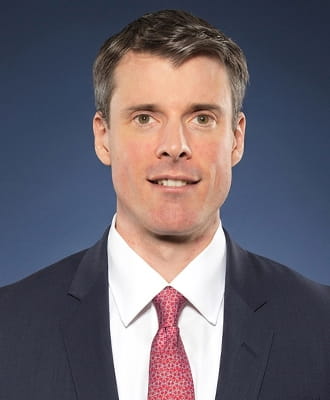
Matt Norton and the business of making technology work
After more than two decades at Madison Dearborn Partners, Matt Norton is building Watch Point Capital. His path runs through government software, space cybersecurity and the practical work of helping technical companies grow.

David Rowe and the business of keeping things flying
A father’s handshake helped finance an early chapter of FedEx. David Rowe’s own career has taken him from aircraft portfolios to a private investment firm backing the machinery of flight, defense and space.

Catalyst Campus makes the Pentagon a little easier to meet
Inside a former railroad depot in Colorado Springs, small technology companies get closer to the people who might actually use their inventions. The hard part comes after the introduction.
Second Front sells the government a shorter wait
Useful software can spend longer waiting for permission than being built. Second Front turns that queue into a business, with an accredited platform that helped one Air Force supplier get through in 58 days.

Govini and the expensive art of finding a missing part
A missile can outlive the company that made its components. Govini built a business tracing those hidden dependencies - and, as Air, is taking on the larger problem of keeping defense ready.

Clearview AI made the internet a police lineup
A face, a photograph, a possible name. Clearview AI sells investigators a shortcut through 70 billion images - and has made the meaning of “public” a very expensive argument.

Voyager Labs and the price of connecting the dots
Voyager Labs sells AI that turns scattered online traces into investigative leads. Its story reveals why finding a connection is only the beginning of deciding what that connection means.

Pacific Fusion’s billion-dollar bet on the parts you throw away
To make fusion electricity affordable, Pacific Fusion is attacking the cost of each shot. Its wager combines disposable targets, factory-built pulsers and a $1 billion financing round tied to technical milestones.
Sentar secures the systems you forget to worry about
A missile-defense radar needs cooling. A ventilator needs a safe network connection. Sentar has built a business around the overlooked dependencies that keep consequential machines working.

Research Innovations sells the hard part: getting defense tech into the field
A $96.9 million Army contract puts RII’s Dragonfly sensors on a new procurement path. Behind the hardware is a company built around an awkward truth: useful defense technology has to survive the journey from demonstration to daily use.

Accrete and the things nobody writes down
The expensive part of expertise is often the part missing from the manual. Accrete wants to turn that unwritten knowledge into software that can trace a supplier, follow a narrative and question an IT change.

Athenix Solutions Group and the Case for the Middleweight
Athenix assembled specialists in software, intelligence, and mission rehearsal around a bet on the middle of the defense market. Its September 2026 acquisition by Detroit Defense gives that bet a new setting.
The $25,000 Search Box That Taught the Pentagon to Buy Software
Vannevar Labs began with an Arabic OCR project nobody urgently needed. Then two engineers built one useful search box - and discovered that in defense technology, relevance beats polish every time.

Lauren Knausenberger and the Fine Art of Making Government Software Move
A teenage cryptography internship led to a bar-napkin pitch, a $17 billion technology portfolio and a career-long campaign against software that arrives after the moment has passed.
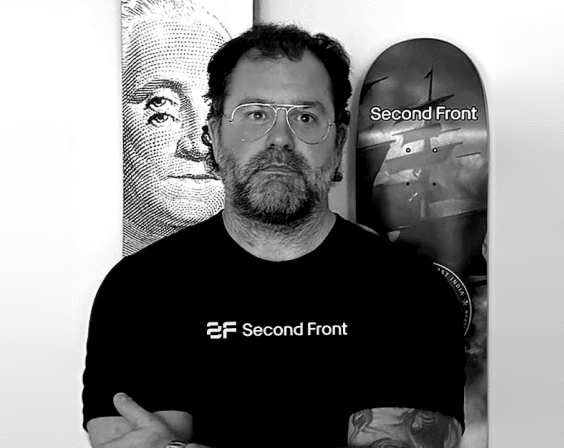
Tyler Sweatt Is Trying to Give the Pentagon Its Time Back
A West Point cadet on 9/11 became an Army officer who learned that urgency and equipment do not always arrive together. Now he runs Second Front by treating government software’s most expensive problem as a problem of time.

Brett Granberg Learned to Stop Adding Features
The Vannevar CEO spent months polishing an Arabic OCR tool nobody wanted. Forty or fifty quiet sales meetings later, a weekend Mandarin model taught him the lesson that now organizes his company: begin with the mission problem, then earn the technology.
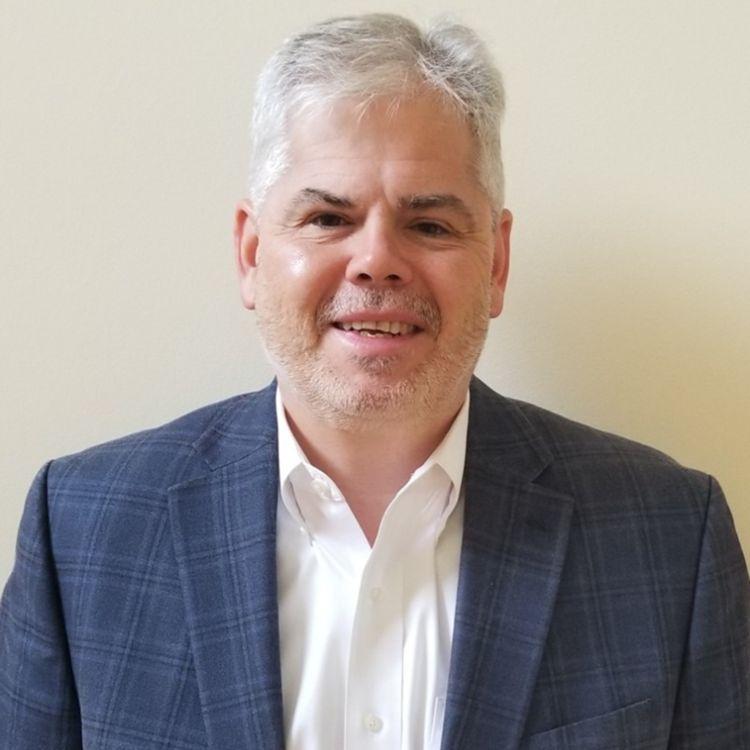
David Cerne and the Quiet Arithmetic of Ownership
He spent his public career around work that resists publicity. At Acclaim Technical Services, David Cerne made his clearest argument in ownership, acquisitions and a stubbornly human idea: people do better work when the company is partly theirs.

The Company That Knows Which Door Opens Next
Bondi Partners sells something more useful than access: a map of who matters, what changes next, and how an ambitious company turns policy into a contract.

Plexal’s next race: turning startup introductions into contracts
Born on London’s Olympic campus, Plexal grew from workspace into a partner for government technology programmes. Its next test is helping the companies it supports win customers who keep buying.