The peculiar thing about Factory AI’s early revenue was that its founders decided they should not keep it. The company had learned to sell enterprises a persuasive future. Getting developers to enjoy the present was proving harder.
- The job: Droids plan, build, test and review software, using the tools and models a team chooses.
- The admission: its CEO says early contracts outran product quality, prompting customer refunds.
- The lesson: judge an agent by completed, reviewed work and the full bill that accompanies it.
The contract was the easy part
In a Training Data interview, CEO Matan Grinberg recalled revenue just under $2 million while “the product still wasn’t good.” Factory returned customers’ money, he said, to preserve trust and rethink its product approach. The exact refund total was not specified. The uncomfortable discovery was that a buyer’s signature could coexist with a developer’s disappointment.
That distinction gives the subsequent funding a little texture. Factory announced $200 million at a $5 billion valuation on September 15, 2026, bringing disclosed total funding above $400 million. It named NVIDIA, Blackstone, Royal Bank of Canada, Palo Alto Networks, Adobe and T-Mobile among users. Those are Factory’s adoption claims. The valuation records an investment decision; it does not tell an engineering manager how much time next Tuesday’s bug will take.
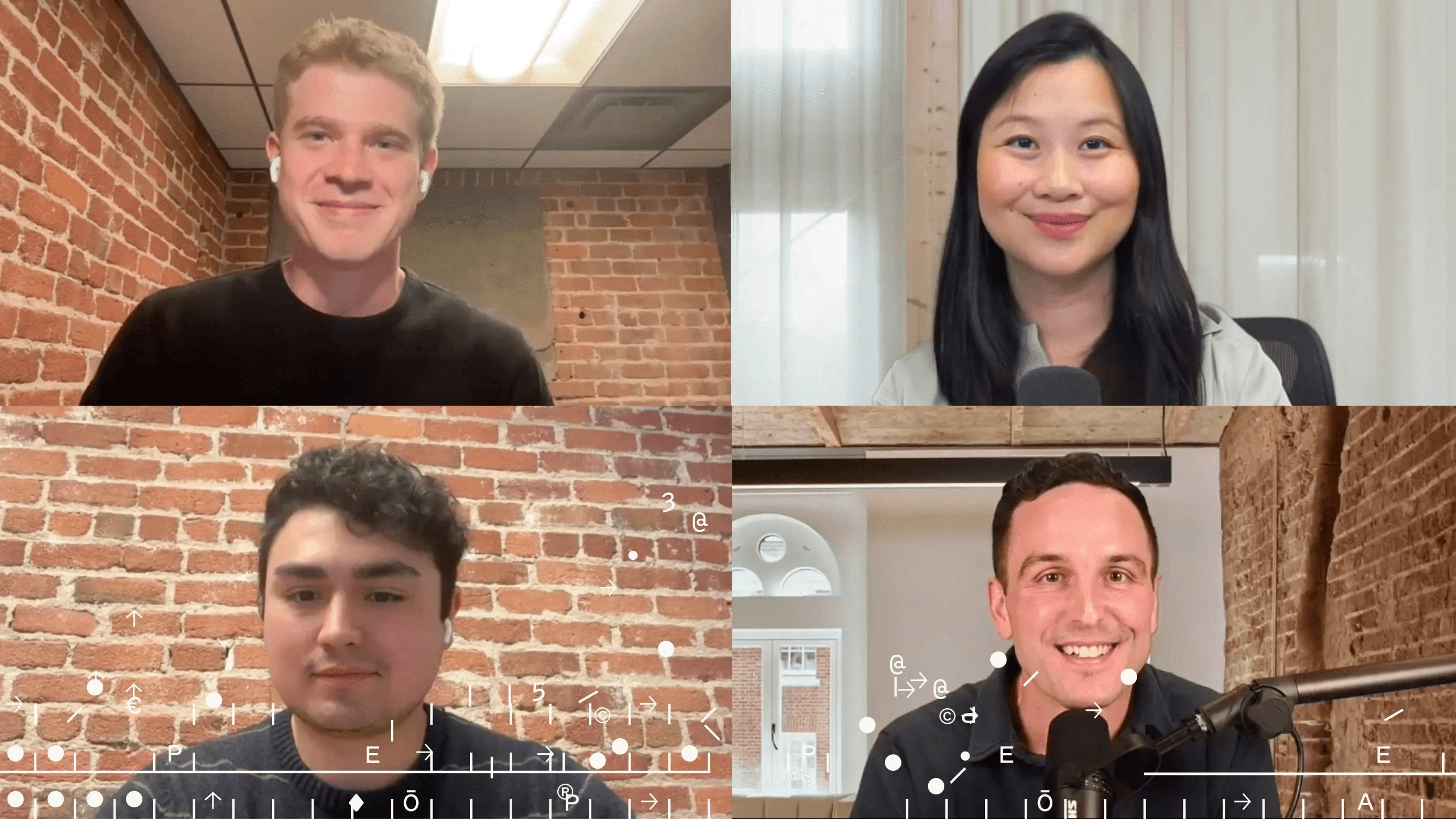
The origin had been suitably improbable. Grinberg was pursuing a Berkeley physics PhD when he emailed Sequoia’s Shaun Maguire, another physicist, for advice. A walk followed. Reyes, an ML engineer at Hugging Face, reconnected with Grinberg at a hackathon. Both had attended Princeton. Sequoia’s founding account describes the pair setting to work on autonomous coding. Their expertise met at a useful junction: technical research on one side, experience deploying AI for enterprises on the other.
Factory initially divided the lifecycle into specialist Droids. Its June 2024 announcement named Review, Test, Code, Knowledge, Project and Document systems. The vocabulary matters because “software engineering” includes a great deal of work that produces no new feature. Someone must understand an old decision, reproduce a failure, check a proposed change and explain it to the next person.
A company learns to remember
Consider Nav. The fintech had already adopted coding assistance, including GitHub Copilot. Yet engineers still had to assemble information from code in on-premises GitLab, documents in Confluence, tickets in Jira and conversations in Slack. A faster answer inside one window could leave the other three windows stubbornly open.
Factory’s Nav case study describes connecting those existing systems and making their context available through an approved platform. It reports a 60% reduction in context-switching time and feature cycles twice as fast. These are customer results published by the vendor, rather than an independent experiment. The mechanism is nevertheless intelligible: reduce the information hunt before asking someone to implement the change.
Illustrative workflow, not a measured allocation of engineering time.
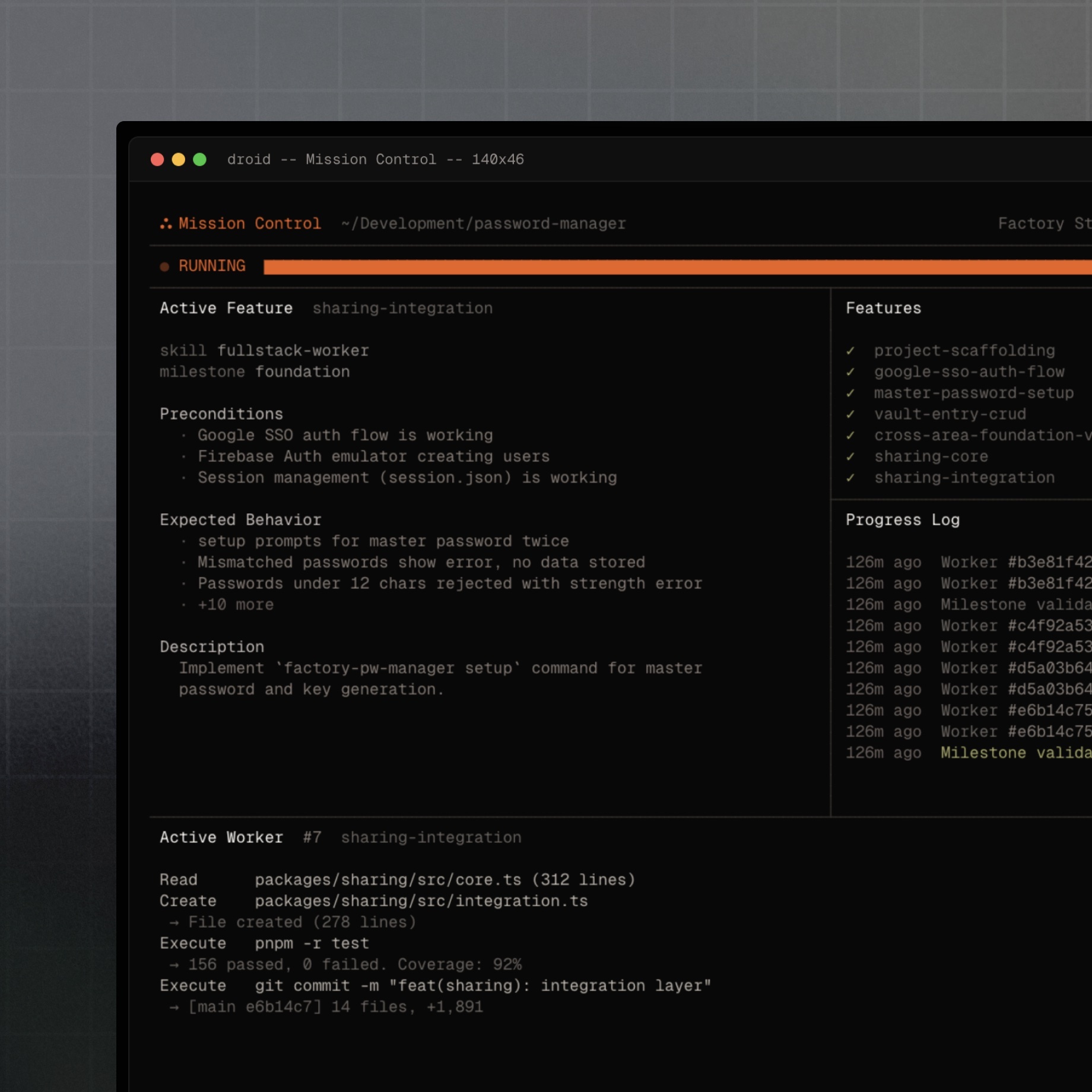
Chainguard supplies a different test of the same idea. Staff engineer Josh Wolf had tried memory tools and expected another disappointment. Factory’s published account describes a Droid session lasting two weeks, spanning six repositories and building 80 packages. Wolf worked with isolated Git worktrees and taught repeatable packaging patterns. His verdict on his initial skepticism was wonderfully economical: “Proven wrong.”
The interesting detail is repetition. A package-building workflow has recognizable patterns that can be taught, reused and reviewed. That is a more useful starting point for a trial than demanding that an agent understand every corner of a business immediately. Factory’s context compaction aims to keep a long session useful as it grows. Remembering the relevant decision is part of doing the next task correctly.
“Proven wrong.”
Josh Wolf, Chainguard · on his initial skepticism
The model is allowed to change
Factory sits in the crowded market for software agents, alongside alternatives such as Claude Code, Codex, Copilot, Cursor and Devin. Its pitch is to supply the surrounding system while leaving teams room to change the underlying intelligence. The model reasons; the platform provides context, tools, execution and controls. That separation is the commercial proposition.
Groq’s engineers offer a particularly apt example. They wanted to use fast inference, switch between proprietary and open models, and keep feedback loops short. Factory’s Groq story describes everyday uses including file discovery, codebase questions, small configuration changes and CI work. It reports threefold speedups on medium-complexity features and fivefold speedups on quick-turn tasks. The figures belong to that customer account, not to every repository an agent might encounter.
You.com, meanwhile, wanted to consolidate multiple coding tools while preserving its models, working interfaces and standards. In its Factory case study, the deciding proof was a long, complex specification carried through to completion. The company also valued instruction-following: an agent had to use the supplied skills and tools. A clever assistant that quietly ignores the house rules creates a new kind of management work.
The price of a useful answer
The public entry price is modest beside the financing headlines. Factory’s pricing page, checked October 1, lists Pro at $20 a month, Plus at $100 and Max at $200. Teams costs $60 a month per team plus $40 per seat, for up to ten seats. Business and Enterprise use custom pricing. These subscriptions come with limits; they are not a promise of unlimited autonomous labor.
Model choice complicates the economics. Factory says its Router selects efficient models where appropriate and stronger ones when needed. Its September production report claims routed sessions cost 63% less in aggregate than the same workload priced at published frontier-model rates. This is a comparison against a pricing counterfactual. It is not a guaranteed reduction in a customer’s total software-development budget.
Cost index, frontier rates = 100. Factory-reported aggregate savings of 63%; excludes wider engineering and subscription costs.
A sensible buyer should count review effort, retries and setup alongside inference. A cheap attempt that needs an afternoon of repair is an expensive answer in disguise. The useful measurement is the cost of getting an acceptable change through the team’s normal checks. That is an editorial recommendation for evaluating the product, not a result established by Factory’s chart.
Enterprise buyers also pay for boundaries. Factory Private, announced in September and still in private preview at that announcement, offers customer VPC, on-premises and air-gapped configurations. Factory says NVIDIA’s Nemotron team used it within its own infrastructure. A separate FedRAMP offering has authorization in progress. The status matters: a planned approval cannot do the work of a completed one.
Give the robot a job description
On September 30, Factory made Automations generally available. Users specify a recurring workflow, choose a schedule or event trigger, select a model and decide where it runs. Templates include ticket-to-PR, security audits and the delightfully named PR Babysitter, which checks open pull requests for failing CI and works on fixes. Software’s nursery now has a night shift.
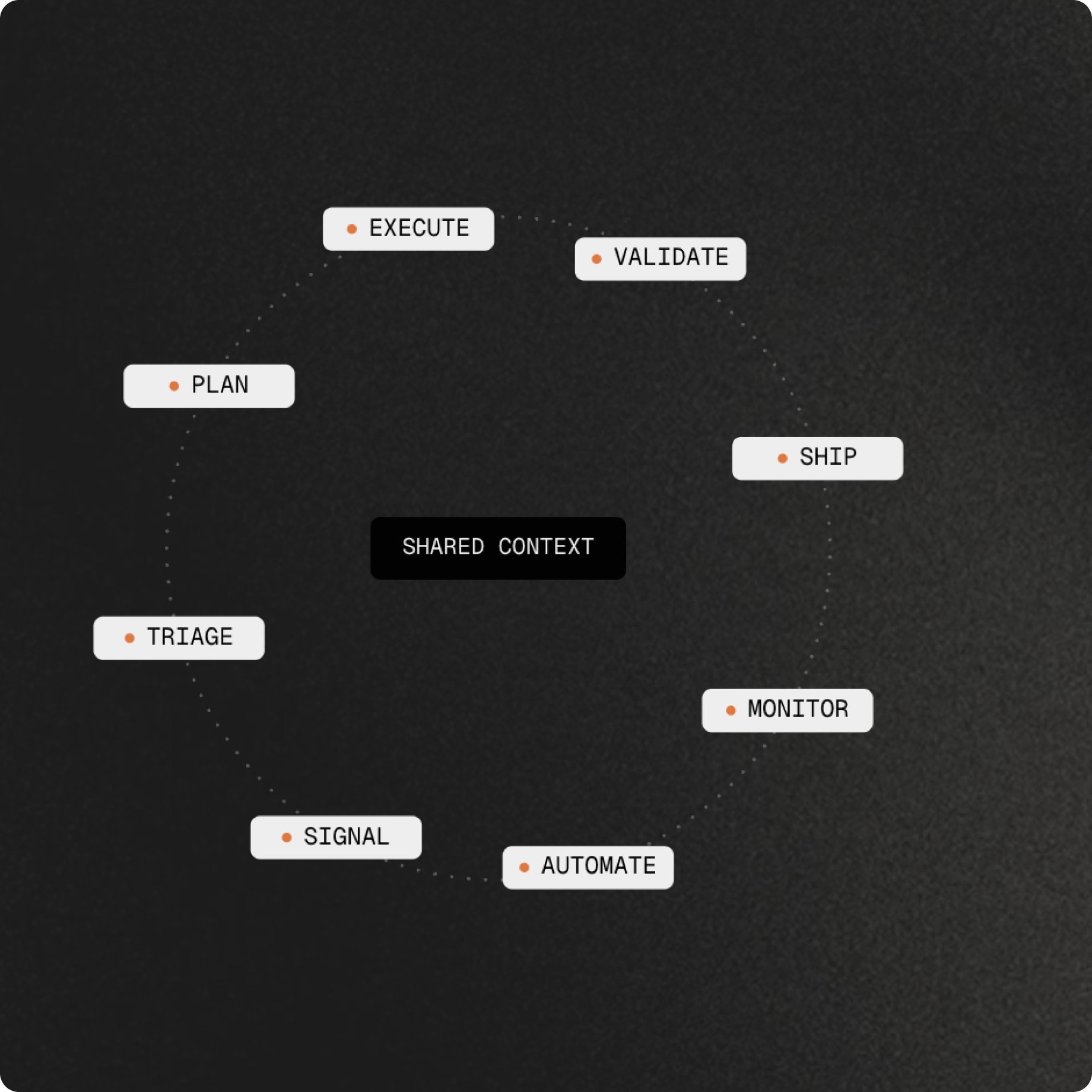
The copyable idea is straightforward: begin with a bounded recurring task, connect the context it needs, spell out the expected result and keep a review gate. In my reading, the customer stories favor that discipline. Missing permissions, vague requirements or tests that cannot detect a bad change make the trial less informative. More autonomy cannot settle a disagreement about what the software should do.
Factory’s own careers page describes a five-day office culture with ownership, autonomy and a goal of creating obsessed customers. The hiring language is strenuous. The product’s more practical ambition is to make engineering work require less chasing: fewer lost decisions, fewer repeated instructions, fewer neglected failures. Whether it succeeds in a particular team is a question for that team’s code, checks and bill. The next useful demonstration begins there.