accounts-payable
(59)
The Back Office Has Too Many Front Doors
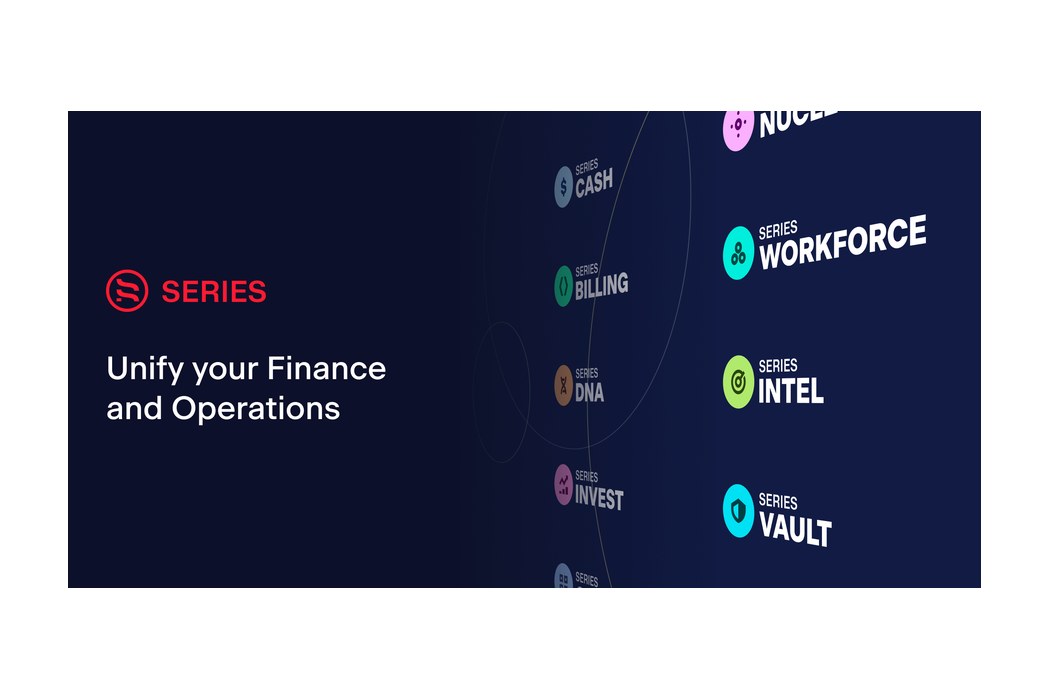
Series wants a finance team to stop acting as the human bridge between banks, payroll, bills and contracts. Its answer is a menu of connected software, with the identity of each business entity at the center.
The Fine Print Behind PayEm's $247 Million Headline
PayEm set out to turn every company purchase into a controlled, traceable decision. Its journey from expense-report frustration to a $500,000 acquisition is also a lesson in reading fintech's biggest numbers carefully.

Tungsten Network and the art of getting an invoice accepted
The London-born invoice network tackles a stubborn business problem: getting different companies’ accounting systems to understand each other. Its history shows why persuading suppliers matters as much as moving data.

ApprovalMax puts a checkpoint before the money leaves
The accounting software knows what you spent. ApprovalMax tackles who agreed to it - turning invoice chases, purchase orders and payment approvals into a record a finance team can actually follow.

Modulr wants to make payday boring
Behind the payroll run, the used-car sale and the supplier invoice sits a surprisingly complicated money journey. Modulr is building a business by taking the manual work out of it.
B2BE makes the paperwork move. The hard part is getting the rules right.
Orders arrive as PDFs. Suppliers want different formats. Finance wants to get paid. B2BE has built a business in the gaps between those demands - and its customer stories show why automation starts before the software.

The $800 Million Bet on Making the Invoice Disappear
Thomson Reuters bought Pagero for roughly $800 million because Europe’s invoice is becoming a live tax report. The prize is not prettier paperwork - it is a network that makes the paperwork vanish into the workflow.
Webexpenses Wants the Receipt to Disappear Before Finance Has to Chase It
The Witney software company has spent 25 years turning the office's least-loved ritual into a controlled flow of data. Its bet is simple: catch the receipt, policy breach and coding error while the purchase is still fresh - not during month-end archaeology.

Airbase Put the Company Card on a Leash
The spend-management pioneer bundled approvals, bills, expenses and cards before that became the category’s house style. Now it lives inside Paylocity for Finance, with serious controls, quote-only pricing and a few rough edges worth testing.
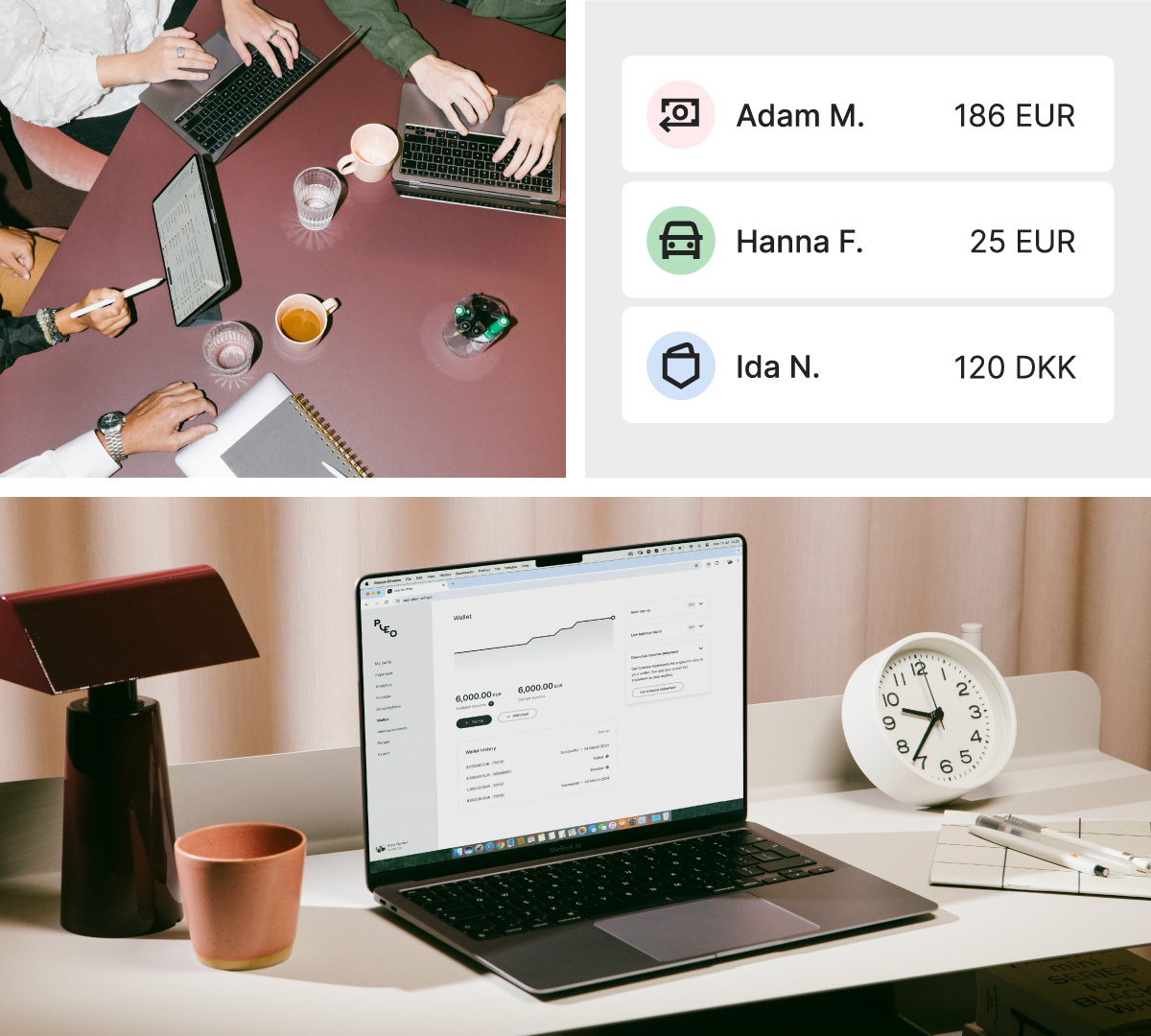
Pleo Makes Expense Reports Feel Like a Fax Machine
Give people a card, ask for the receipt while it still exists, and let finance watch the books assemble themselves. Pleo turns a monthly scavenger hunt into a daily habit - with a few fees and fine-print decisions worth making before you tap.

Spendesk Puts a Bouncer at the Company Wallet
Employees get a faster route to the company card. Finance gets to decide the route, the limit and who waves it through.
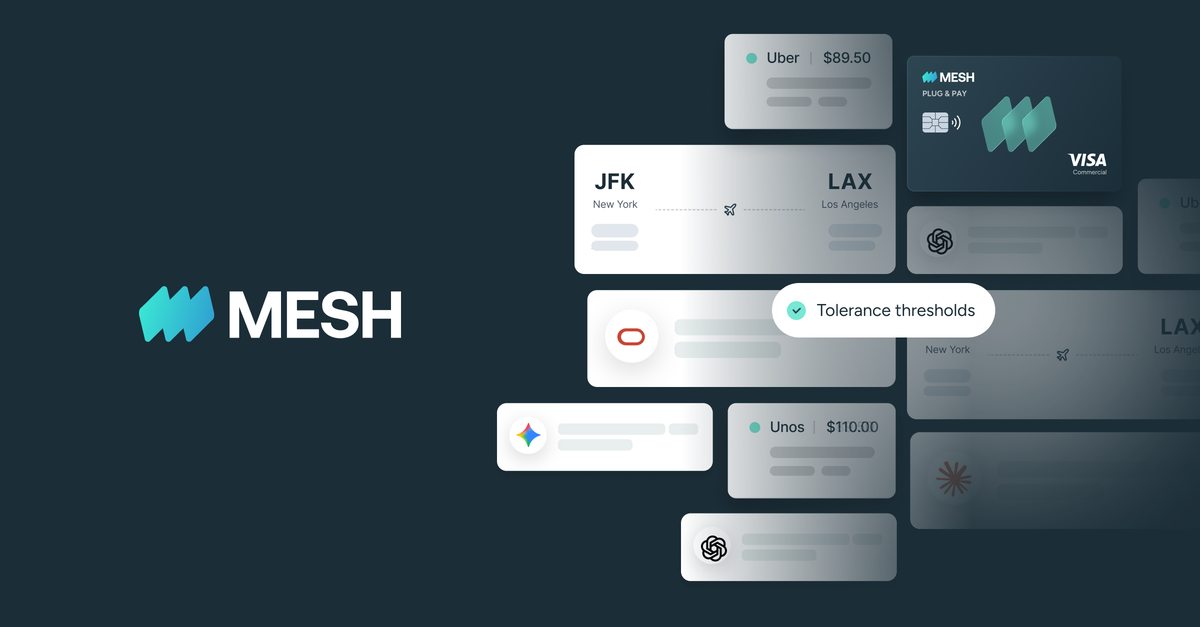
Mesh Wants Your Expense Report to Disappear
Mesh is trying to make travel and expenses vanish from the employee’s to-do list without making control vanish from finance. The idea is sharp; the buying decision still comes down to integrations, geography and whether the mobile experience can keep up.

Finally Wants to Run the Books - and the Card Drawer
Finally folds bookkeeping, corporate cards, receipts, payroll and payments into one back office. For an owner buried in tabs, that is a compelling promise - but the service deserves a careful trial before the whole finance stack moves in.
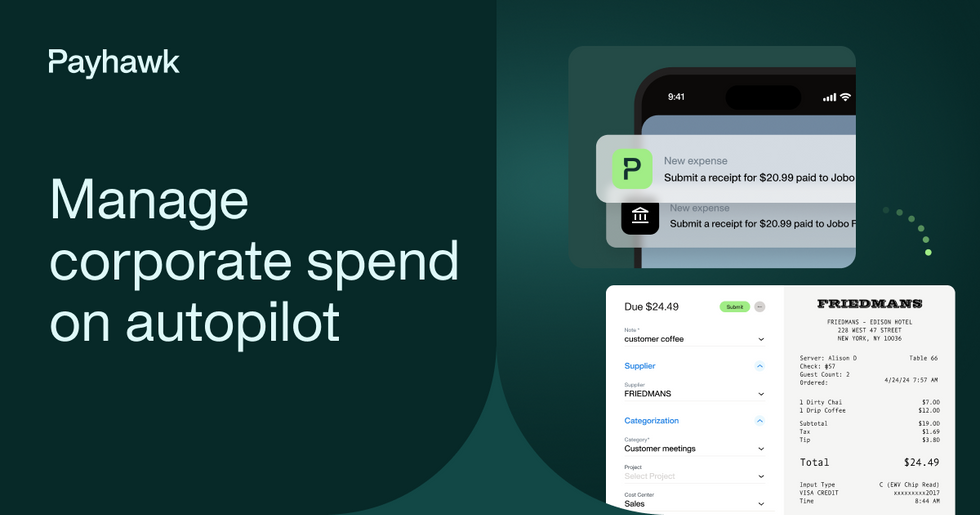
Payhawk Wants Your Company Card to Do the Paperwork
Payhawk bolts policy, receipts, approvals and accounting data to the moment money moves. For finance teams juggling countries and entities, that can turn the company card from a plastic problem into a useful control surface.
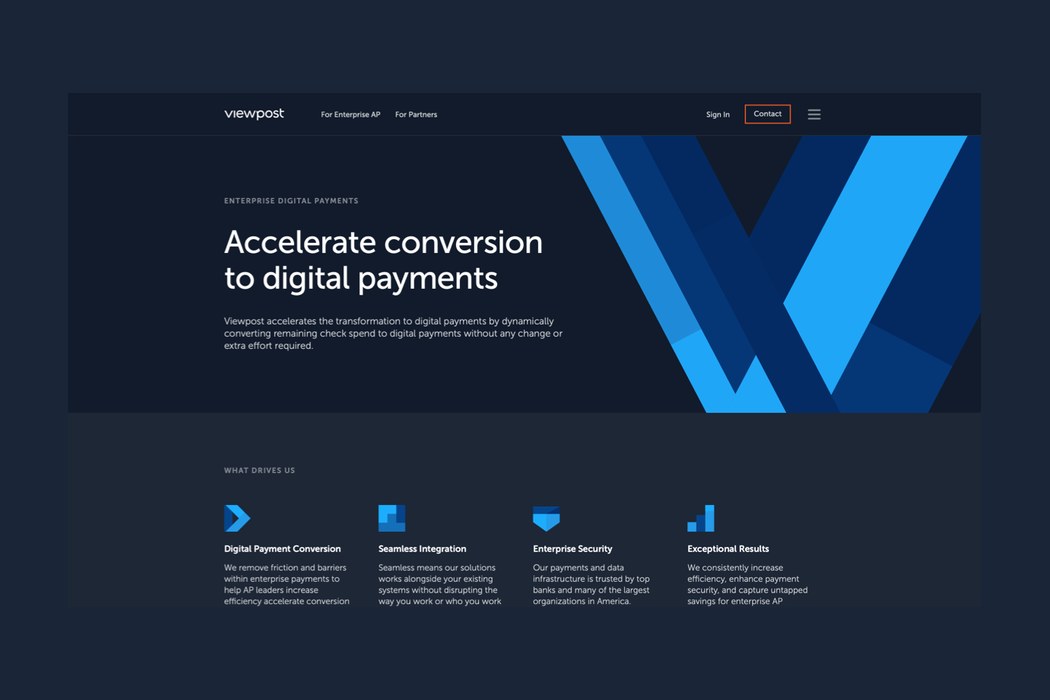
Viewpost Found a Business in the Checks Everyone Else Gave Up On
Most payment companies want to replace the plumbing. Viewpost built its second act around the opposite promise: send the same check file, keep the same partners, and let it hunt for digital payments in the stubborn remainder.

The $10 Trillion Receipt: How Coupa Is Turning Corporate Spend Into an AI Advantage
Coupa spent 20 years persuading companies to put every purchase through one system. Now it is betting that the resulting data - roughly $10 trillion of it - can turn procurement from a back-office checkpoint into an autonomous operating layer.

BILL Put the Back Office on Autopilot - Then Turned It Into a $371 Billion Money Highway
Small businesses came for fewer checks and cleaner approvals. BILL stayed to build the payment rails - a network moving more than 1 percent of U.S. GDP while quietly turning accounting chores into transaction revenue.
Priority Commerce Bought a Bankrupt Payments Darling - Then Turned It Into a Cash-Flow Machine
The Georgia fintech started with card processing, paid roughly $37 million for Plastiq after its Chapter 11 filing, and stitched merchant services, payables and treasury into one engine. The bet is simple: the company that sees the whole cash cycle gets more ways to earn.

The Expense Report That Refused to Die: How Concur Turned an $8 Million Near-Miss Into SAP’s $8.3 Billion Cloud Bet
Concur began with floppy disks and a universal workplace nuisance. Three pivots, one near-death cloud bet and a record SAP acquisition later, it is trying to make the expense report disappear altogether.

Oversight Wants to Audit Every Dollar - Before the Weird Ones Get Away
Most finance teams still inspect a sliver of company spend after the fact. Oversight sells a different bargain: watch every transaction, find the odd ones early, and let human auditors spend their time on what actually looks wrong.
The $10 Trillion Supplier Ledger: How Apex Analytix Turned Payment Mistakes Into a Risk Platform
A 1988 recovery-audit shop now watches the supplier records behind more than $10 trillion in annual spend. Its real product is not a dashboard - it is the moment a company stops trusting bad data by default.

Luciana Reznik Keeps Choosing the Hard Part
She built one company from a university project into an Accenture acquisition. Then she returned to zero - and turned Cedalio's reinventions into a lesson in staying loyal to the problem, not the pitch.

Anant Kale Put AI on Expense Duty. Then the Receipts Got Weird.
Anant Kale built AppZen around an unfashionable question: who checks the paperwork after software makes it easy to submit? Fourteen years later, that question sits at the center of the argument over AI, judgment and the future of finance work.

Alek Koenig Found a Business in a Bad Bill-Pay Screen
The Settle founder turned one clunky back-office chore into a five-year study of how consumer brands buy time, inventory and room to grow.

Mohawk Medbuy Built the Hospital Supply Chain Nobody Notices - Until a Drug Goes Missing
Hundreds of hospitals pool their purchasing power through one Burlington organization. The clever part is no longer just negotiating a lower price - it is turning invoices, shortages and clinical judgment into shared infrastructure.

BILL and Brex Are Fighting for the Same Finance Desk
One began with invoices, the other with cards. Their race toward an all-in-one finance desk reveals what CFOs gain, what they risk, and why ownership now matters.

The Back Office That Decided Spreadsheets Were the Enemy
Alek Koenig left Affirm to build the financial plumbing for the soda, skincare and snack brands blowing up your Instagram feed. The pitch is boring on purpose: stop reconciling five systems by hand.
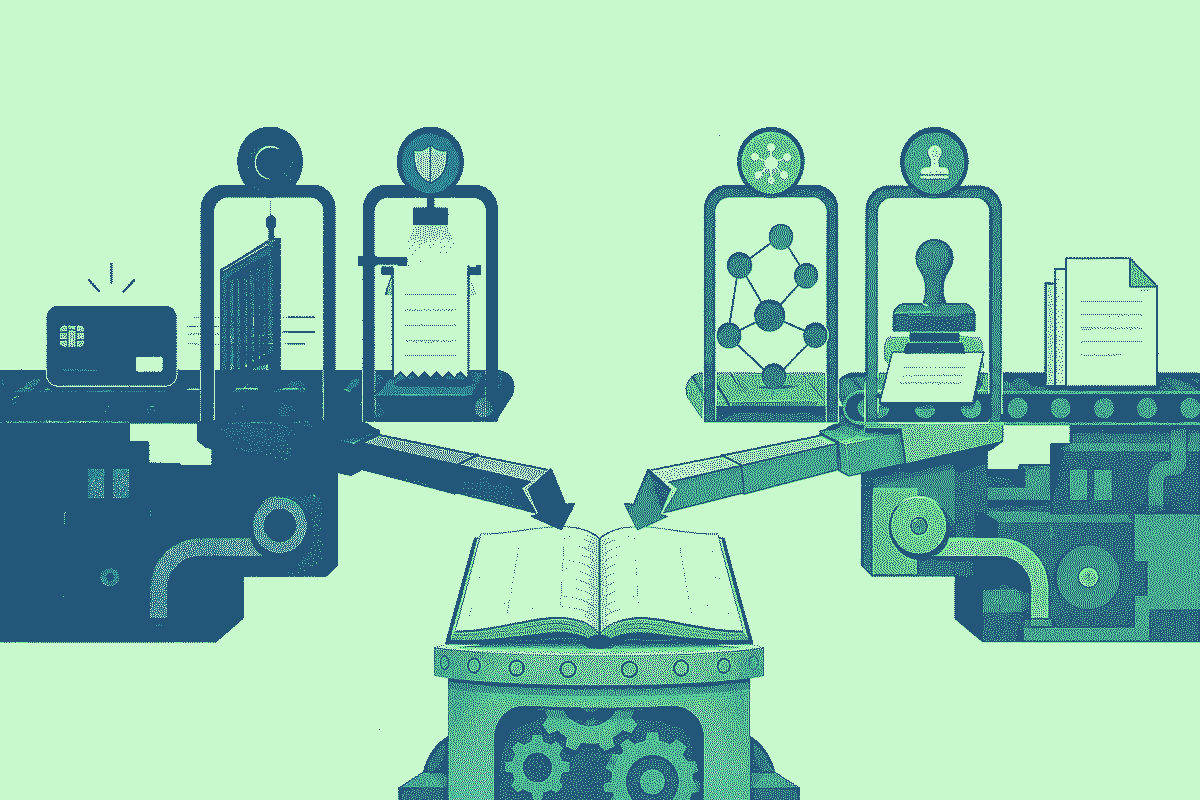
Ramp and BILL Are Fighting to Own Every Company Dollar
BILL bought Divvy to move beyond paying invoices. Now its fight with Ramp is a contest over who gets to control business spending before, during, and after the swipe.
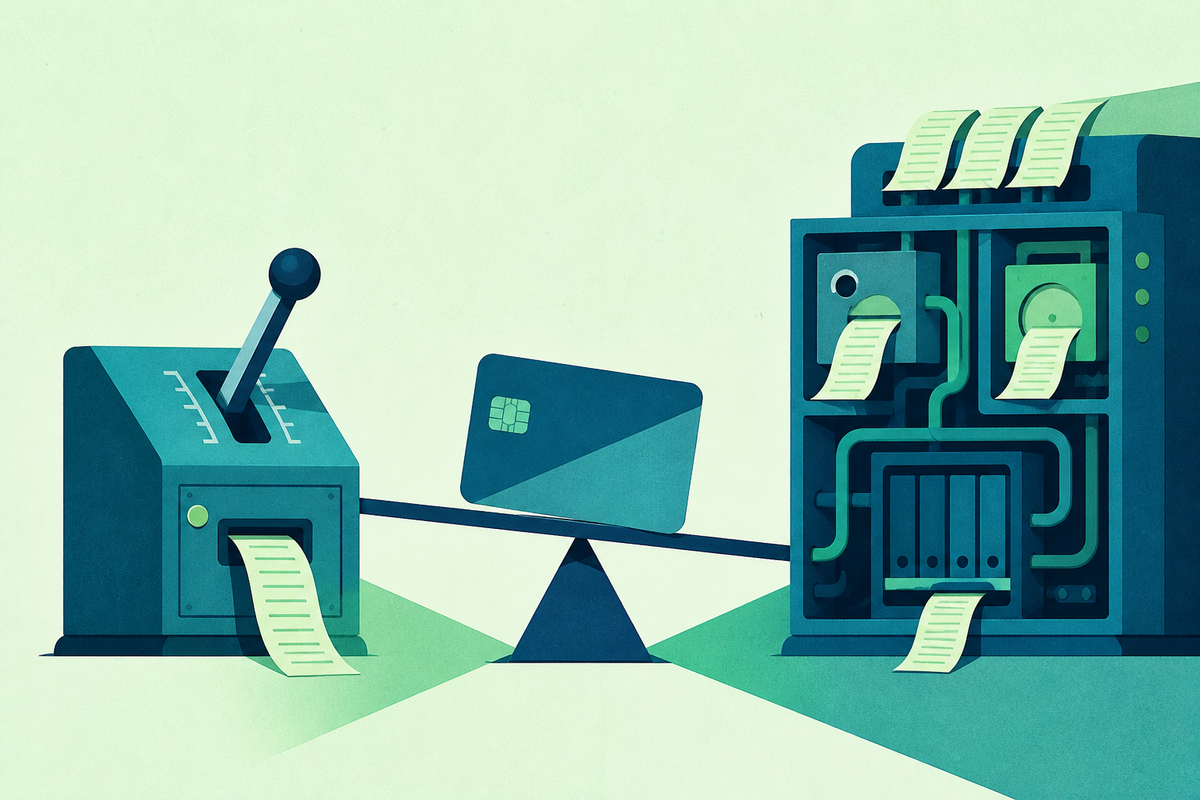
Ramp and BILL Are Selling Two Different Kinds of Control
The expense tools look increasingly alike. The choice comes down to whether finance wants a standalone command center or spend management inside a broader back-office suite.
The AP Fight Between a Bot and a Free Bank Transfer
Stampli starts with the invoice and automates the work around it. Melio starts with the payment, keeps the entry price low, and asks small businesses to buy more control only when the workflow gets complicated.