The first thing to go wrong was the price. In a disarmingly frank account of an early electronic trading rollout, 3M described systems that could not properly handle special promotions, quantity discounts or date-based deals. Orders could move electronically. Getting them right was another matter.
“The first 12 customers were pretty painful,” recalled Darryl Stewart, a 3M e-business development specialist. The company strengthened its internal pricing processes before pushing ahead with B2BE, its document-exchange partner. That admission, preserved in B2BE’s historical 3M case study, is a useful entrance to an otherwise acronym-heavy business. Moving data faster does not settle an argument about what the data should say.
B2BE works in precisely that territory: the space between a company’s internal software and the untidy habits of the businesses it trades with. Its customers need orders captured, invoices matched, documents delivered and exceptions resolved. The glamorous moment, if there is one, is when nobody has to type the same information again.
“The first 12 customers were pretty painful.”Darryl Stewart / 3M / historical customer account
The business between everybody else’s systems
A manufacturer may run one enterprise resource planning system, its distributor another, and a smaller supplier little more than an accounting package and an inbox. B2BE connects those environments through electronic data interchange, or EDI, and related document services. Its stated role is to complement core systems while managing the variation outside them.
That makes it a software company with a substantial service component. Translation maps turn one business’s document into something another can process. Validation checks the contents. Portals give people access to orders, invoices and their status. Onboarding gets trading partners participating in the first place. Buyers include finance, procurement, IT and customer-service teams with repetitive work spread across company boundaries.
The company traces its origins to Australia in 1998. Founder Joe Chng, a Monash computer-science graduate, remains listed as executive chairman and CEO. Its historical timeline records the acquisition of New Zealand’s ECN Group in 2012 and Dutch provider SPFI in 2017. Those purchases help explain why several customer accounts refer to businesses that originally worked with ECN.

One order, several ways to get it wrong
Consider an emailed purchase order. Somebody must recognise it as an order, extract the customer and product details, check the prices and quantities, then enter it into the selling company’s system. A wrong product code can survive several stages before someone notices. A perfectly legible PDF still leaves that work to be done.
B2BE’s Sales Order Automation offering divides the job into modules. eCapture uses OCR and AI to turn emailed documents into order data. Order Hub brings several channels together. Order Guardian checks such issues as incorrect pricing and discontinued product codes before processing. EDI handles customers already equipped for structured electronic ordering, while eCatalogue and PunchOut support purchasing through online catalogues.
The practical attraction is incremental adoption. A business can start with a troublesome order channel and expand. But the 3M experience puts a condition on that promise: someone must first define how the business handles its exceptions. Software cannot reliably apply a promotional price that the organisation’s own systems cannot express.
- 01ReceiveEDI · PDF · portal
- 02TranslateMake data usable
- 03ValidateCheck business rules
- 04DeliverSend to the ERP
Getting suppliers through the door
The supplier network is where a neat integration diagram meets human behaviour. Dutch homewares retailer fonQ had 1,000 suppliers, but only 19 were connected to its previous SPFI platform, according to B2BE’s account. It also had just one message type. The problem extended beyond converting files: too few trading partners were participating.
B2BE reports that the resulting service enabled 80 trading partners to exchange documents electronically and handled more than 5,000 transactions a month. Purchase orders, acknowledgements, dispatch advice and invoices joined the flow. Those figures describe a useful expansion, not universal adoption across the original supplier base. That distinction matters when an automation project is being sold upstairs.
A separate Progressive/Woolworths New Zealand campaign shows the labour behind adoption. B2BE contacted 943 trading partners over 13 weeks. The published counts record 361 webforms signups and 67 choosing EDI. Most of those signups therefore came through the simpler web route. The lesson to copy is straightforward: offer a usable entry point, then put people behind the invitation.
The invoice total is only the beginning
At UNFI Canada, the difficulty was detail. Suppliers brought different currencies, allowances, discounts, freight arrangements and customs requirements. The existing accounts-payable environment matched invoices at the header level. When that failed, staff had to involve procurement and suppliers to unravel the disagreement.
B2BE’s replacement accounts-payable application introduced matching at individual invoice lines and an automated debit process. The case study reports those functions operating after launch. A supplier-facing portal was still described as forthcoming in parts of that account, so its anticipated benefits should be read separately from the delivered matching capability.
It is a good example of why a document arriving electronically is only one part of automation. Finance also needs to establish whether the charge is right and what happens when it is not. B2BE’s broader Supplier Invoice Automation portfolio includes capture, validation, approvals, Web EDI, expense invoices and portals. Different suppliers can enter through different doors while finance applies a consistent process behind them.
Yes, the digital company will post your bill
B2BE’s willingness to accommodate awkward formats is especially visible at the other end of the transaction. Its Managed Customer Invoice Distribution launch in September 2024 included email, EDI, e-invoicing, fax and print and post. The service was designed to notify businesses when customers had not received or viewed invoices.
There is a thoroughly practical idea underneath that assortment. An invoice sent in a format the recipient cannot conveniently process may create another round of chasing. B2BE’s current distribution offering also bundles supporting documents, such as purchase orders and shipping confirmations. The aim is to get the recipient enough context to act.
The company has moved further into payment workflows, too. It launched Dynamic Discounting in July 2023, allowing earlier payment in exchange for a discount. That extends its reach from handling a document to helping the parties decide when an approved invoice gets settled. Participation and payment terms still require a commercial decision.
The costs sit in setup and repetition
A historical Mitre 10 case study offers a concrete description of the service model: clients paid a one-off document-mapping fee, then a base charge and ongoing traffic fees, including help-desk access. Treat that as an explanation of how the service was sold, rather than a present-day quotation.
For a prospective buyer, the useful budgeting exercise is to separate initial integration from recurring document handling. Count formats, trading partners and message types. Establish who fixes failed transactions and who maintains mappings when requirements change. Then compare that bill with the staff time spent entering orders, reconciling invoices and answering status queries.
B2BE operates in an established market alongside alternatives such as SPS Commerce and TrueCommerce, which also sell EDI and integration services. Its distinctive emphasis is the combination of managed document exchange, finance workflows and accommodation of less digitally equipped partners. These features are not exclusive. The buying decision turns on the actual trading network, implementation responsibilities and ongoing service.
A company exchanging only a few predictable documents may find the coordination overhead difficult to justify. A company with complicated pricing, many partners and frequent exceptions needs to price the human cleanup as carefully as the software. Sending every exception to a queue without assigning an owner simply changes where the backlog lives.
The people behind the automated reply
B2BE’s careers material stresses international collaboration and technical development. Its published employee accounts include integration analysts, support staff and management trainees describing mentorship and hands-on projects. These are employer-selected testimonials, but they illuminate the kind of work involved: understanding customer processes as well as making systems connect.
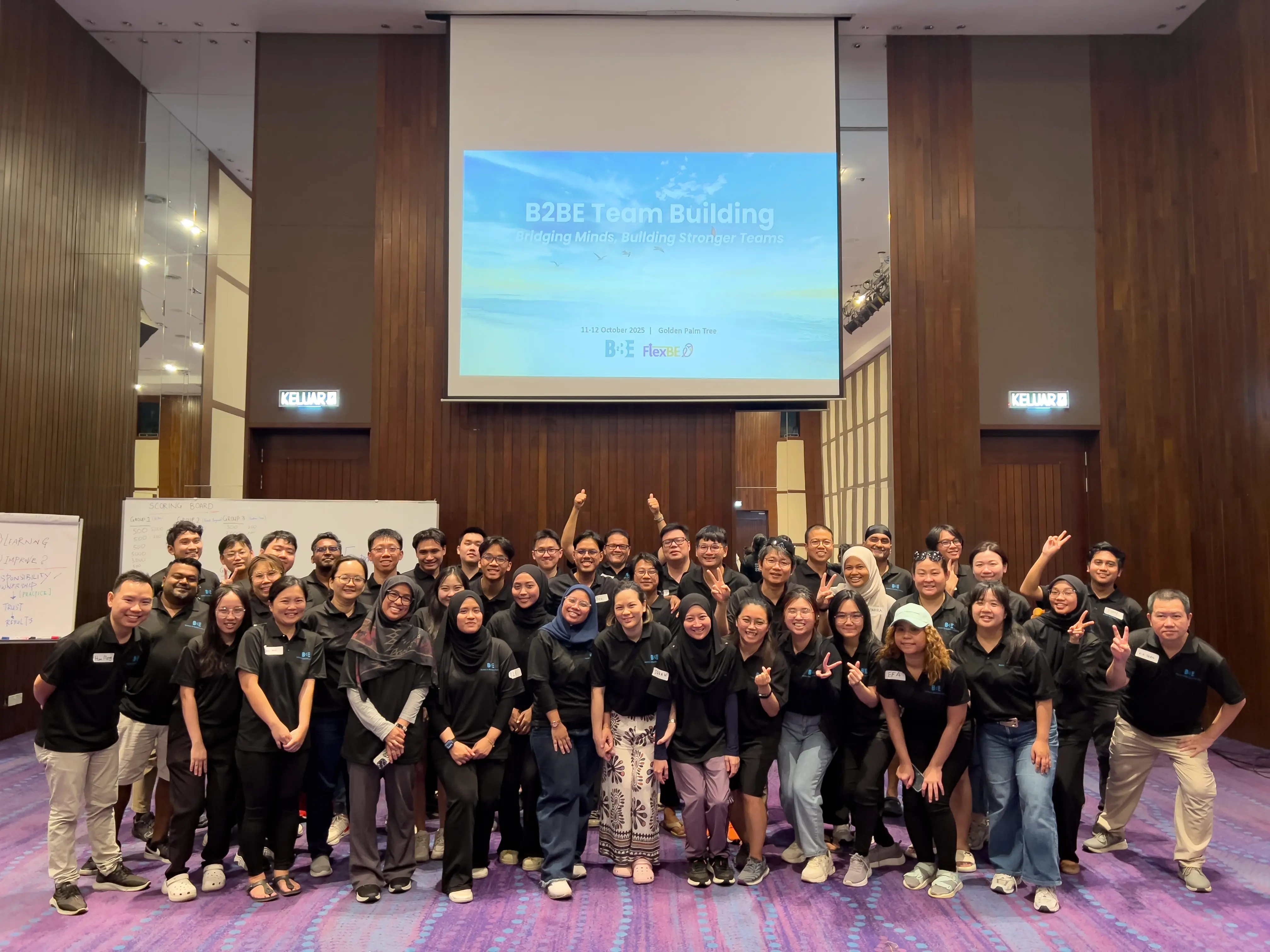
There is room for some retail theatre in that work. For Kincrome’s April Tools Day, B2BE helped build an online sale with rotating bargains and a countdown clock, then delivered orders through its existing EDI channels. The case study reports sales almost double the forecast. One customer booked a library computer to participate. Supplier technology occasionally gets a queue at the door.
Trust travels with the documents
Handling business documents also makes security part of the service. In a 17 December 2025 disclosure, B2BE reported unauthorised access to internal systems. It said it had identified a data-leak-site post on 9 December and engaged independent cybersecurity experts. At that time, it believed production systems and customer data were unaffected, while supplier information might have been accessed. Investigations were continuing.
That dated statement belongs beside the product claims. Buyers entrusting a provider with transaction flows need to understand both everyday exception handling and how incidents are communicated. An integration partner becomes part of the operating dependency of the business.
The most transferable lesson from B2BE’s customer accounts is a sequence: settle the business rules, give trading partners workable options, and make exceptions somebody’s responsibility. Then measure whether the manual work has actually fallen. A faster document is useful. An order that arrives correctly, becomes an understandable invoice and gets paid is the job.
Follow the paperwork
Explore B2BE’s website, its company news and supply-chain blog. Follow LinkedIn, X or Facebook. Watch the company’s video introduction or browse its YouTube channel.