b2b-ecommerce
(36)
VTEX sells the part of shopping you never see
The Brazilian-born commerce company connects the stockrooms, sellers and systems behind the buy button. Its next test is turning that operational expertise into an AI business customers will pay for.
B2BE makes the paperwork move. The hard part is getting the rules right.
Orders arrive as PDFs. Suppliers want different formats. Finance wants to get paid. B2BE has built a business in the gaps between those demands - and its customer stories show why automation starts before the software.

Guidance Built the Plumbing Behind the Buy Button
For three decades, Guidance took on the checkout jobs with too many markets, too many systems and no room for a wobble. Now inside OneMagnify, its best argument is still the work nobody notices when it works.

Tychons Spent 28 Years Learning the Unsexy Plumbing Behind the Buy Button
The Atlanta-headquartered, Chennai-built services firm does not sell the glamorous part of ecommerce. It connects the storefront to the ERP, warehouse, payments and reporting systems that have to work after the campaign ends.
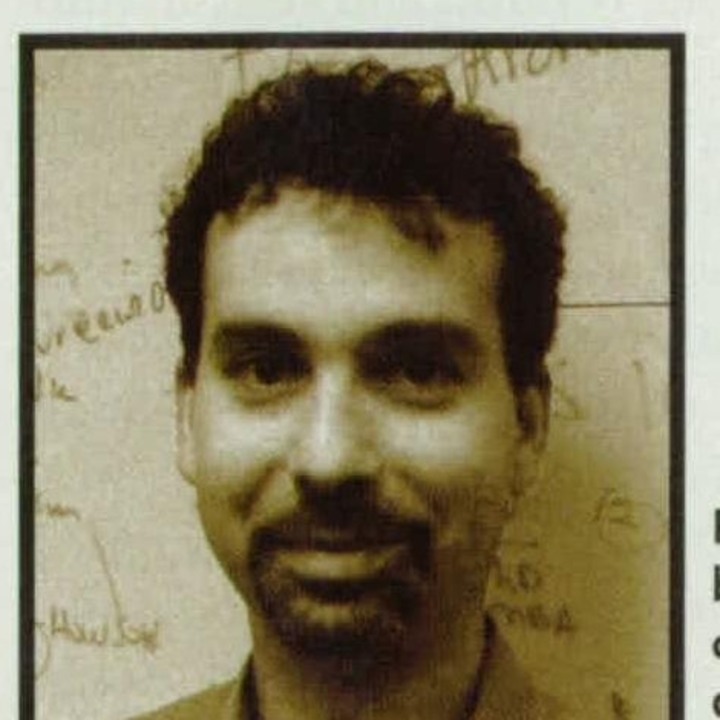
Peter Ostrow Built a Career in the Unfashionable Middle
Before marketplaces became a default business model, Peter Ostrow was turning product specifications, federal rules and sales logistics into an online buying system. His career is a study in making complicated markets usable.

Nicole Westenberger Built Her Career Where the Catalog Became a Click
From Sears catalogs to industrial e-commerce, Nicole Westenberger has spent a career following the customer across channels - and teaching century-old businesses to do the same.

Ismael Belkhayat Is Turning the Corner Shop Into a Financial Network
A delayed carton of milk exposed a much larger problem. Ismael Belkhayat and Sophia Alj built Chari around the daily friction of Morocco's neighborhood shops - then followed the transaction trail from stock orders to payments.
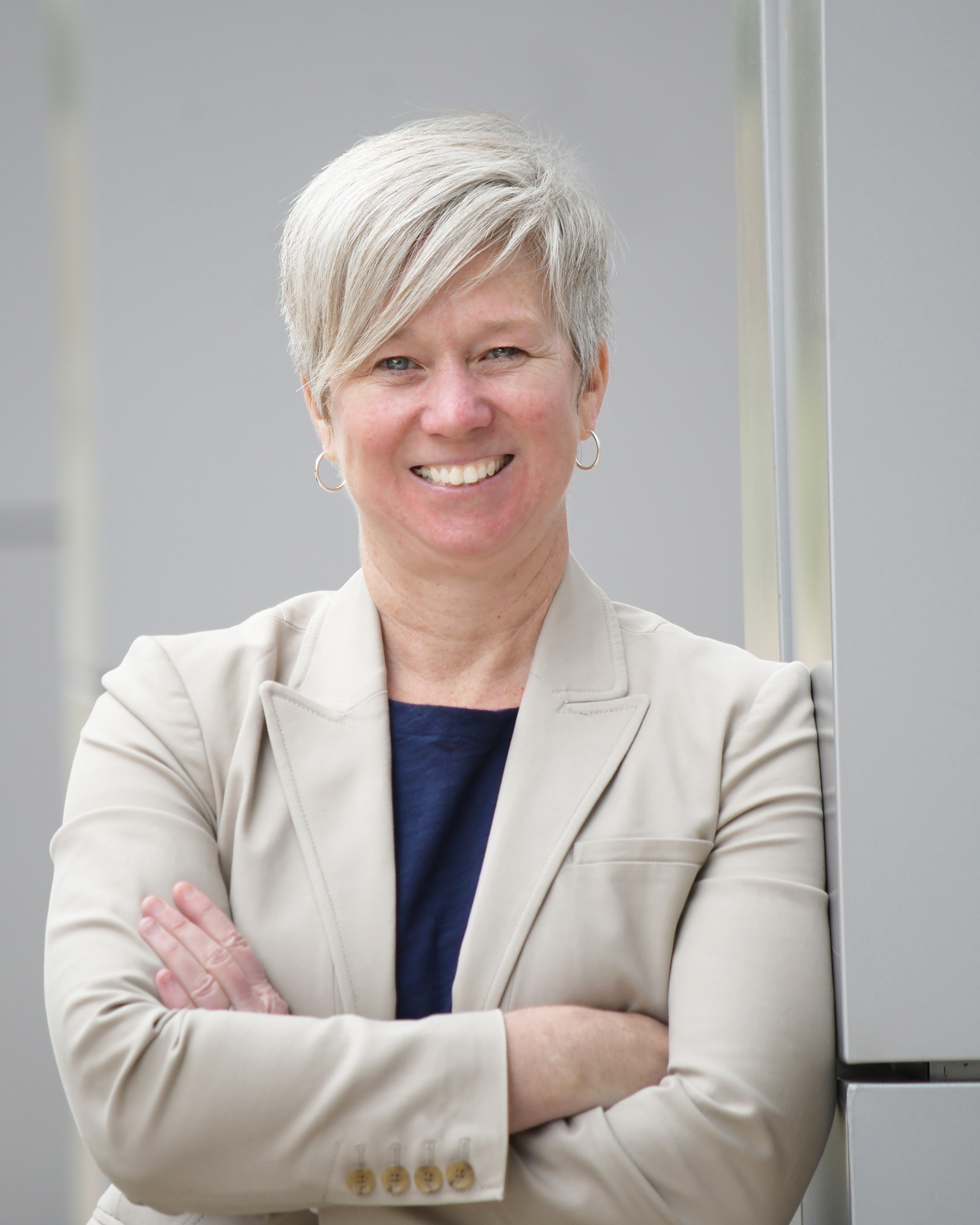
Kris Harrington Put the Parts Manual on Notice
A mining-equipment veteran saw six-inch manuals become obsolete before the machines got dirty. Her answer was to make the industrial aftermarket searchable, shoppable, and considerably less mysterious.

Lucie Boivin Treats Play Like a Product System
At Brault & Bouthillier, Lucie Boivin is joining two difficult jobs: choosing learning tools that survive real classrooms, and rebuilding the buying experience around how educators actually work.

SUNPAN Built a Furniture Business for People Who Cannot Afford to Wait for Furniture
The Toronto company sells the tasteful middle - thousands of coordinated, contract-ready pieces backed by warehouses, showrooms and trade tools. Its real product is not the chair. It is fewer ways for a project to go sideways.
The 82-Year-Old Education Company That Learned a Shopping Cart Is Not a School
BB Education spent eight decades learning what teachers actually buy. Its newest lesson was digital: schools do not shop like households, and the checkout had to catch up.
The $6.1 Million Bet That Turned an Electrical Wholesaler Into Ontario's Quiet Logistics Machine
Gerrie Electric grew from one employee and a service van into a C$200-million-plus distributor. Its useful lesson is decidedly unglamorous: remove the tiny procurement delays that make expensive crews stand around.
Reliance Foundry Ditched Its Foundry to Survive. Now It Sells the Boring Hardware That Keeps Cities Safe.
A century-old Canadian manufacturer faced a $5-6 million machinery bill and chose not to make metal at home anymore. Its unlikely second act offers a sharp lesson in preserving expertise while changing almost everything else.

The Parts Manual Was Wrong Before Delivery. GenAlpha Turned It Into a Store.
A Wisconsin team of former manufacturing insiders built Equip360 around an unglamorous truth: the hardest part of selling a replacement part is often identifying it. Their answer connects exploded drawings, serial numbers and live ERP data to the buy button.

Bowie Cheung Is Teaching the Back Room to Think
After helping turn Uber Eats from an experiment into an everyday habit, Bowie Cheung went upstream. At Pepper, he is building software for the independent distributors who keep restaurants supplied - one voicemail, catalog and paper check at a time.
Cart.com Wants To Be The Operating System Behind Everything You Buy Online
Founded in 2020, the Houston company stitched together software and a warehouse network to sell brands one thing they rarely get: their orders, inventory and shipping in a single place.
The Quiet Machine Behind Brazil’s Auto-Parts Counter
Rolemar began with bearings and two employees. Thirty-six years later, its real product is something harder to shelve: making the right replacement part easier to find, buy, deliver and stand behind.

The Billion-Dollar Supply Closet Hidden in Plain Sight
Zoro turned the unglamorous work of buying gloves, gauges, fasteners and floor cleaner into a $1.4 billion digital business. Its real product is not the wrench - it is making 13 million industrial items feel searchable, buyable and close at hand.

The Internet’s Checkout Counter Has a Back Room. TrueCommerce Runs the Paperwork.
TrueCommerce turns the purchase orders, invoices, inventory updates and shipping notices behind modern trade into an automated conversation - then keeps that conversation compliant when partners, systems and borders change.

Spryker Built a Shop for Things That Don’t Fit in a Shopping Cart
The Berlin software company treats commerce less like a storefront and more like industrial infrastructure - modular, programmable and built for the strange rules of B2B buying.
The Chemicals Behind Flight Are Usually Invisible. GracoRoberts Built a Business Around Them.
A tube of sealant can hold up an aircraft repair just as surely as an engine part. GracoRoberts has spent decades turning those small, specification-heavy materials into a global distribution, technical service and ecommerce business.
ECI Built an ERP Empire From a Failed Office-Supply Bet
A dot-com office-supply seller discovered its most valuable product was the software behind the store. Twenty-seven years and 57 acquisitions later, ECI runs the digital back rooms of 25,000 small and midsize businesses.
The $2.5 Billion Business Behind the Moment a Restaurant Oven Goes Dark
Parts Town turned the unglamorous emergency of a broken fryer, refrigerator or rooftop unit into a high-tech distribution machine. Now it is connecting the part, the repair and the data around both.
MW Components
The components are tiny, the catalog is sprawling, and the consequences of a bad part can be enormous. After a $950 million sale, MW Components is betting that three sharper businesses can make its industrial roll-up easier to run - and easier for engineers to buy from.

US Foods
The trucks are the boring part. The second-largest food distributor in America is really a menu consultant, a private-label factory and a fintech-for-restaurants wearing a delivery company's coat.

POOLCORP
The pool business looks seasonal from the patio. From POOLCORP's side of the counter, it is a 455-location logistics machine built on chemicals, replacement parts and the quiet urgency of keeping 11 million pools working.

Global Industrial Company
The 77-year-old distributor has turned the unglamorous work of keeping facilities supplied into a $1.38 billion business. Its next act is to make a sprawling catalog feel less like a warehouse and more like an expert on call.

Chari
Chari is a Moroccan B2B e-commerce and fintech company that turned the country's corner grocery stores into digital customers. Through one app, the traditional shopkeepers who form the backbone of North African retail can order fast-moving consumer goods and get them delivered in under 24 hours, keep their customer credit ledgers, accept card payments, pay bills, and tap embedded financial services. Founded in 2020 by Ismael Belkhayat and Sophia Alj, Chari was the first Moroccan startup admitted to Y Combinator (S21). In October 2025 it raised a $12M Series A - the largest in Morocco's history - and became the first VC-backed Moroccan company to win a payment institution license from the central bank, the foundation for its Banking-as-a-Service platform.

Commerce
Commerce (Commerce.com, Inc., Nasdaq: CMRC) is the parent brand of BigCommerce, Feedonomics and Makeswift, formed when BigCommerce rebranded on July 31, 2025. It positions itself as an open, AI-driven commerce ecosystem that combines an enterprise ecommerce operating system (BigCommerce), AI-powered product-data optimization and syndication (Feedonomics), and a visual, composable storefront builder (Makeswift). The company targets complex B2B and B2C brands that need to manage owned sites, marketplaces, wholesale and social channels, and is orienting its roadmap toward 'agentic commerce' where AI answer engines like ChatGPT and Perplexity drive product discovery.
WizCommerce
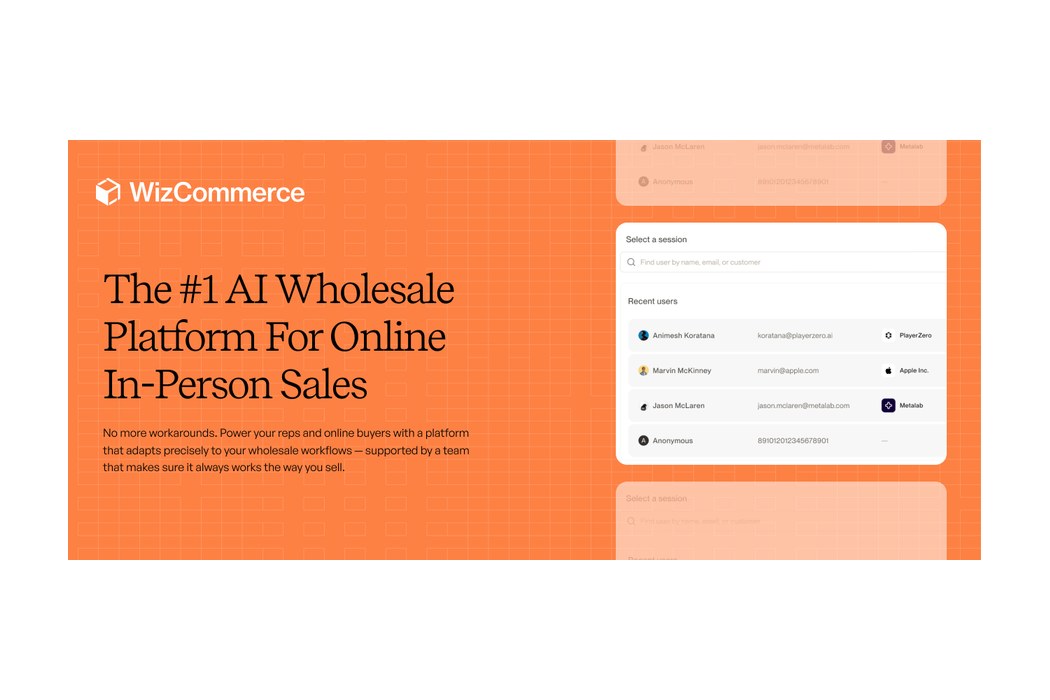
WizCommerce is an AI-native B2B sales and ecommerce platform built for wholesalers, distributors, and manufacturers. It unifies field-sales order taking, buyer storefronts, catalog and product imagery, ERP-connected back-office workflows, and embedded B2B payments in one system. Its products - WizShop, WizOrder, WizStudio, and WizPay, plus the Kai AI assistant - help wholesale businesses replace spreadsheets, PDFs, and manual order entry with automation. Founded in 2020 (originally as SourceWiz) and based in Bengaluru with US operations, the company raised an $8M Series A led by Peak XV Partners in 2025 and processes over $100M in GMV annually.