orthopedics
(19)
Grow the practice. Keep the doctors in charge.
Orthopaedic Solutions Management pools the machinery of running an orthopedic practice while keeping clinical control with physicians. Its wager: independence gets stronger when the back office gets bigger.

RightMove Health bets on the decision before the treatment
Built with Hospital for Special Surgery, RightMove puts specialist assessment at the front of muscle, joint and back care. Its wager: a better first decision can spare patients a costly detour.
TYBR Health wants your repaired tendon to mind its own business
A blue gel, a narrow space, and a stubborn surgical problem: TYBR Health is building a business around keeping healing tissues from sticking together.
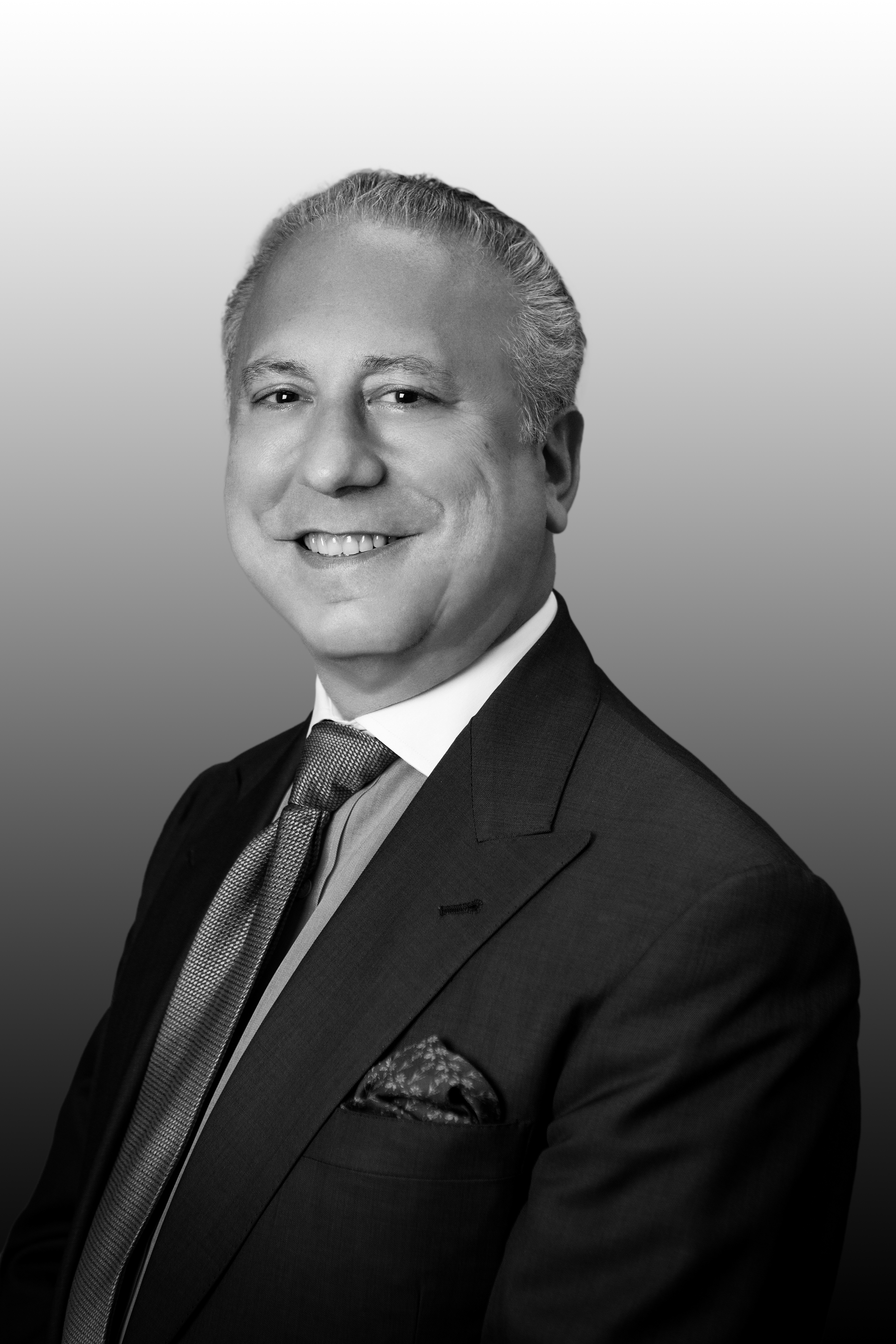
Anthony Viscogliosi Has Spent 40 Years Turning Research Into Companies
Before Anthony Viscogliosi built medical-device companies, he built an information advantage. Four decades later, the analyst’s habit still shapes how he and his brothers buy, operate and sometimes buy back businesses.

How VYRSA Turned One Tiny Joint Into a $75 Million Bet
VYRSA built a three-product answer to a stubborn source of back pain, won FDA clearance for a stranger kind of implant, and sold to Nevro before its third birthday. The playbook is compact: license hard science, simplify the procedure, and let a bigger sales force carry it.

Alafair Biosciences, Inc.
Alafair Biosciences is an Austin, Texas commercial-stage medical device company that makes bioresorbable, plant-based hydrogel implants to protect healing soft tissue after surgery. Built on its patented VersaCore hydrogel technology - a collagen-free, dye-free blend of naturally derived hyaluronic acid and alginate - the company's VersaWrap Hydrogel Sheet and VersaCoat Flowable Hydrogel create a non-constricting gliding interface around tendons, ligaments and peripheral nerves to limit postoperative tethering and help patients regain function. More than 40,000 VersaWrap implants have been used across orthopedic, spine, hand and plastic/reconstructive procedures.
Companion Spine
Companion Spine is a medical device company building a full continuum of interventional and surgical therapies for back pain caused by degenerative disc disease and lumbar spinal stenosis. Founded in 2020 by the Viscogliosi Brothers, it focuses on posterior dynamic stabilization and motion-preserving implants - such as DIAM, coflex, CoFix, LISA and APERIUS - that treat spine conditions without spinal fusion. With headquarters in New York and Mérignac (Bordeaux), France, the company aims to offer surgeons a single, indication-specific portfolio spanning diagnosis, pain management and outpatient surgery.
CurvaFix, Inc.
CurvaFix, Inc. is a Bellevue, Washington medical device company that developed the CurvaFix IM Implant - the first new intramedullary technology for pelvic trauma in three decades. Its curved, steerable rodscrew follows the natural shape of the pelvis, enabling strong internal fixation through a single small incision. The device is designed to reduce pain, support early weight-bearing, and speed recovery for patients with high- and low-energy pelvic fractures, including the growing population of elderly patients with fragility fractures of the pelvis.
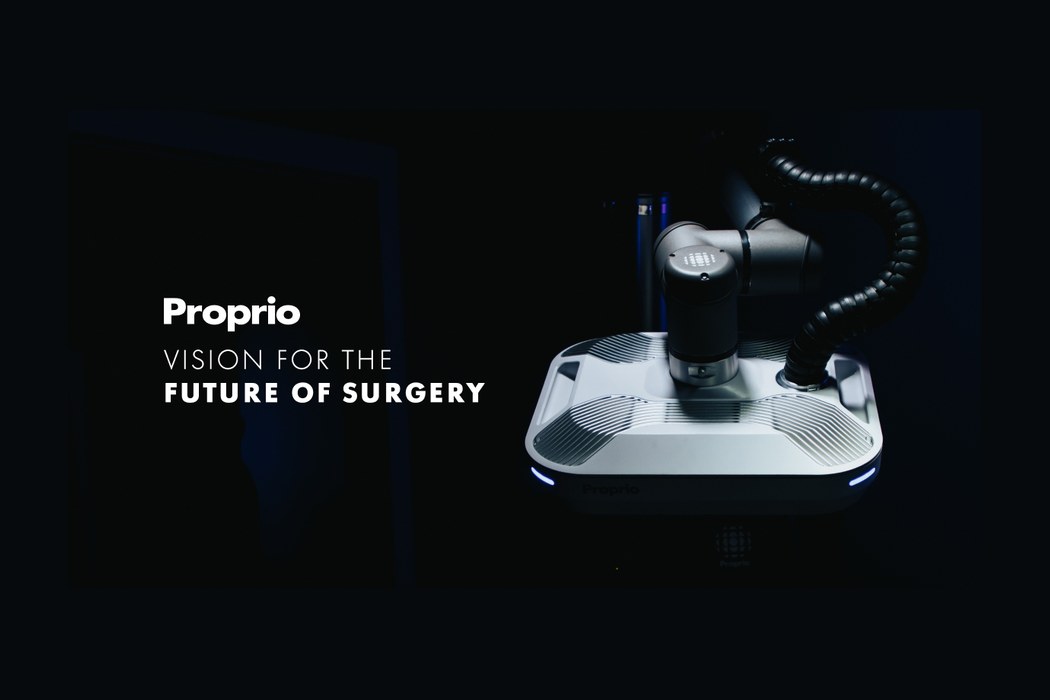
Proprio
Proprio is a Seattle medical technology company building an AI-powered surgical navigation platform, Paradigm, that uses light field imaging, computer vision, and machine learning to give surgeons a continuous, radiation-free 3D view of anatomy during spine surgery. Spun out of the University of Washington in 2016, the company fuses live intraoperative sensing with preoperative scans - a capability it calls Volumetric Intelligence - to improve precision, capture surgical data, and build a foundation model for surgery.

Zetagen Therapeutics
Zetagen Therapeutics is a private, clinical-stage biopharmaceutical company based in Syracuse, New York, developing locally-administered therapies for metastatic and primary cancers that spread to bone. Its lead candidate, ZetaMet (Zeta-BC-003), uses a patented molecular pathway delivered by a single outpatient injection to suspend cancer growth, inhibit pain, and regenerate bone in patients with metastatic breast cancer lytic lesions. Spun out of research at SUNY Upstate Medical University in 2015, the company has earned multiple FDA Breakthrough Designations and reported Phase 2a data showing an 87.9% mean reduction in lesion defect volume.
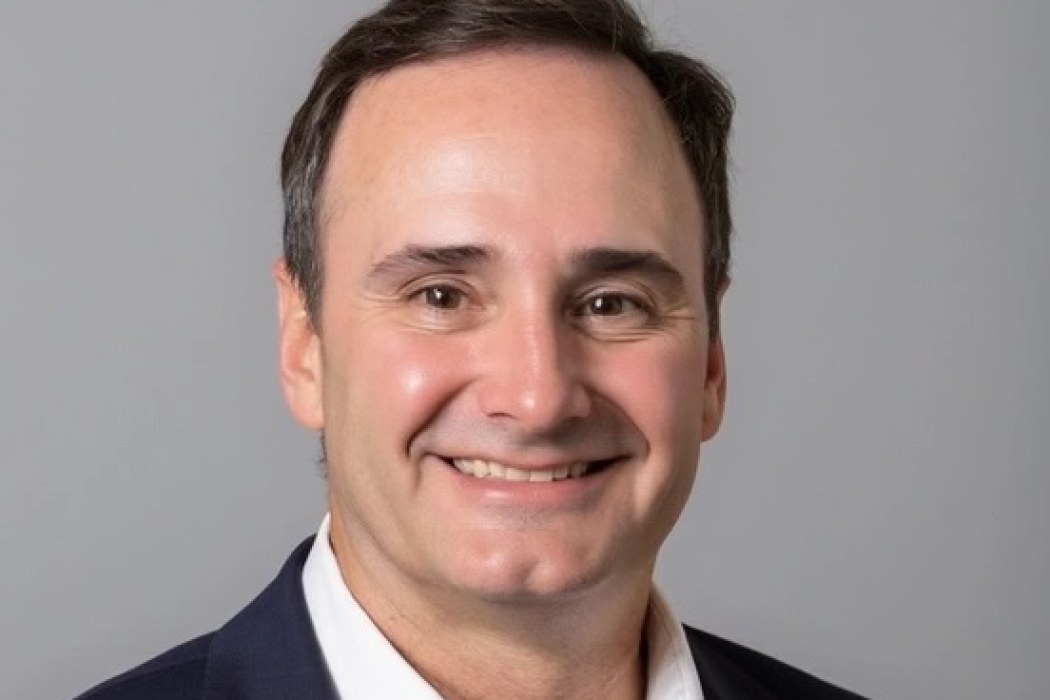
Joe Loy
Joe Loy is the President and CEO of Zetagen Therapeutics, a Syracuse, New York clinical-stage biopharmaceutical company developing small-molecule therapies to treat metastatic cancer in bone and soft tissue while regenerating healthy bone. A serial entrepreneur with several successful exits, Loy has spent his career building teams around first-to-market medical technologies at companies including US Surgical, Pfizer/Leibinger, NuVasive, and Stryker. Since taking the helm in January 2019, he has guided Zetagen through two FDA Breakthrough Device Designations, multiple financing rounds, and the launch of Phase 2a clinical trials for its lead candidate ZetaMet.
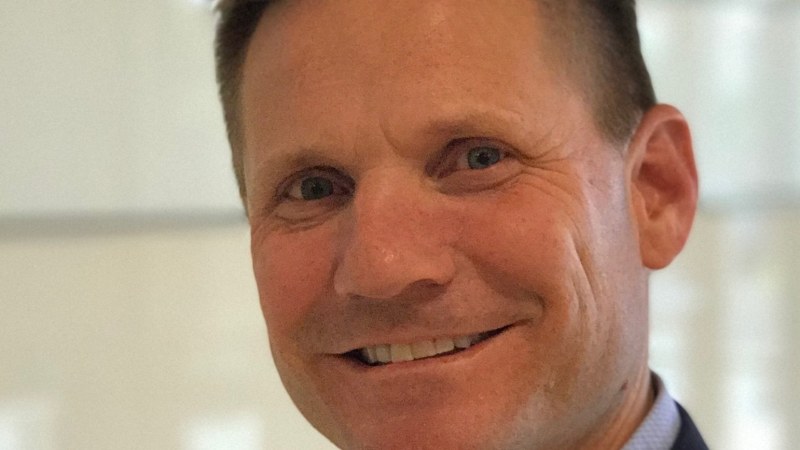
Mark Foster
Mark Foster is the president and CEO of CurvaFix, a Bellevue, Washington medical device company building curved intramedullary implants that follow the natural bend of the pelvis to repair fractures. He took the top job in July 2023, the same week the company closed a $39 million Series C led by MVM Partners, and his mandate is commercial scale: turning a novel, FDA-cleared implant into a nationally distributed product. Before CurvaFix he ran Trice Medical and led the U.S. sports medicine business at Smith & Nephew, part of roughly 24 years spent almost entirely inside orthopedics and medical devices.

COR Medical Ventures
COR Medical Ventures is a San Diego-area medical device development company that acts as the center of rotation for medtech innovation. Through three branches - consulting services, a venture studio, and distribution services - it partners with surgeon-inventors and corporations to take orthopedic, spine, and other devices from clinical idea to FDA clearance and market launch. Founded by engineer Ben Arnold, the firm has stood up a portfolio of more than a dozen independent companies spanning robotics, wearables, spinal fusion, and soft-tissue fixation.
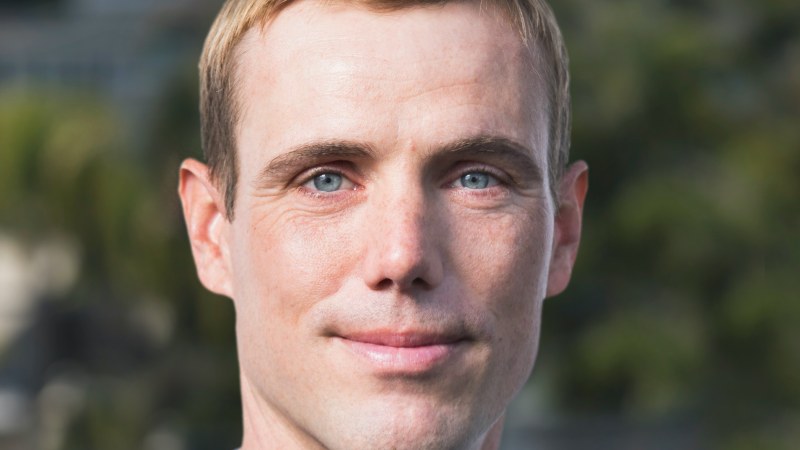
Benjamin Arnold
Benjamin Arnold is the co-founder and CEO of COR Medical Ventures, a Solana Beach medical-device venture studio that partners with surgeon-inventors and corporations to push the next generation of orthopedic and spine devices to market. A Cornell-trained engineer who has shepherded more than 25 devices to launch, he sits at the 'center of rotation' the company is named for, running a portfolio of roughly a dozen companies spanning surgical robotics, spinal fixation, fracture hardware, and wearable rehab tech.
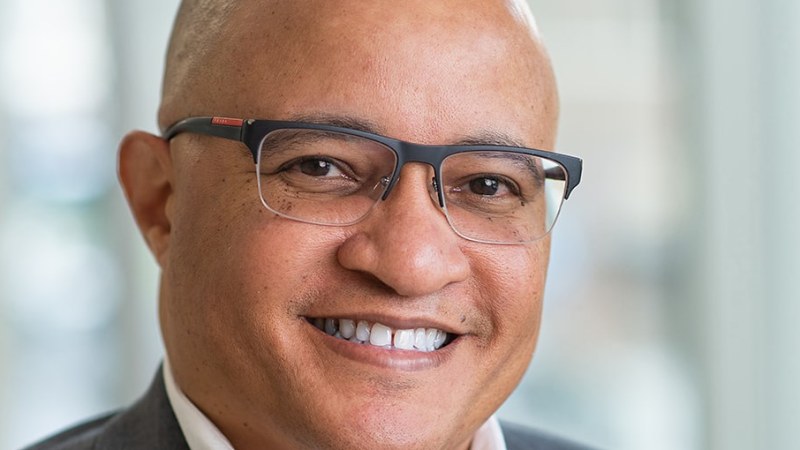
Darryl Barnes
Darryl Barnes is a physician-turned-inventor who co-founded Sonex Health, an Eagan, Minnesota medtech company building ultrasound-guided devices that move carpal tunnel and trigger finger surgery out of the operating room and into the clinic office. A former Mayo Clinic sports medicine doctor, he co-invented the UltraGuideCTR device, holds numerous medical device patents, and helped raise more than $60 million to scale the company. He has served as both CEO and chief technology officer, and was named Medical Devices CEO of the Year for the Upper Midwest in 2018.

DocSpera
DocSpera is a Sunnyvale-based healthtech company that builds an AI-driven surgical coordination platform connecting surgeons, care teams, hospitals, ambulatory surgery centers and medical-device partners across the full episode of care. Its HIPAA-compliant web and mobile software automates pre-surgical scheduling, patient readiness and prioritization, secure case and image sharing, and surgical inventory and supply-chain management - reducing cancellations, backlogs and wasted inventory while generating real-world evidence on surgical outcomes.

Theradaptive
Theradaptive is a clinical-stage biotech in Frederick, Maryland that re-engineers therapeutic proteins so they bind to materials and stay exactly where a surgeon places them. Its lead protein, AMP2, is a material-binding variant of the bone-growth protein rhBMP-2; combined with an implantable scaffold it becomes OsteoAdapt, a regenerative product being tested in spinal fusion, dental, and orthopedic procedures. Founded by MIT-trained Army veteran Luis Alvarez after seeing battlefield injuries, the company aims to make biologics safer by keeping them on-target.
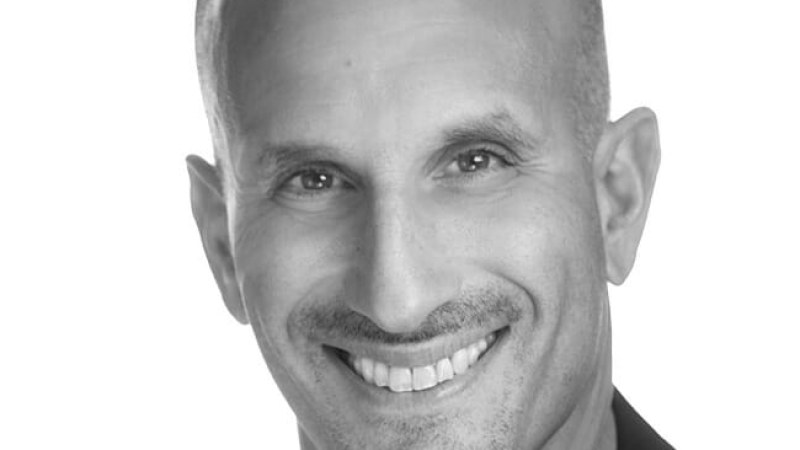
Peter Noymer
Peter Noymer is the Executive Chairman and CEO of ForCast Orthopedics, a Denver-based development-stage company building a wearable system that pumps antibiotics straight into infected artificial joints. An MIT-trained mechanical engineer with more than two decades turning lab concepts into shipped pharmaceutical and device products, he has previously run or steered ophthalmology, cardiopulmonary and digital-health ventures, several of which were acquired by Novartis, United Therapeutics and Grupo Ferrer. At ForCast he has landed FDA Orphan Drug and Qualified Infectious Disease Product designations, a Series A led by a renowned orthopedic surgeon, and a 2026 MedTech Innovator slot.

El Camino Health
El Camino Health is a not-for-profit healthcare system that has served Silicon Valley and the South Bay for more than 60 years. Born from a 1950s community vote and a tax that residents levied on themselves, it runs two acute care hospitals in Mountain View and Los Gatos plus roughly two dozen care locations across Santa Clara County. With 471 beds, about 4,480 employees and 1,585 physicians, it blends a community-rooted mission with the technology-forward instincts of the valley it sits in.