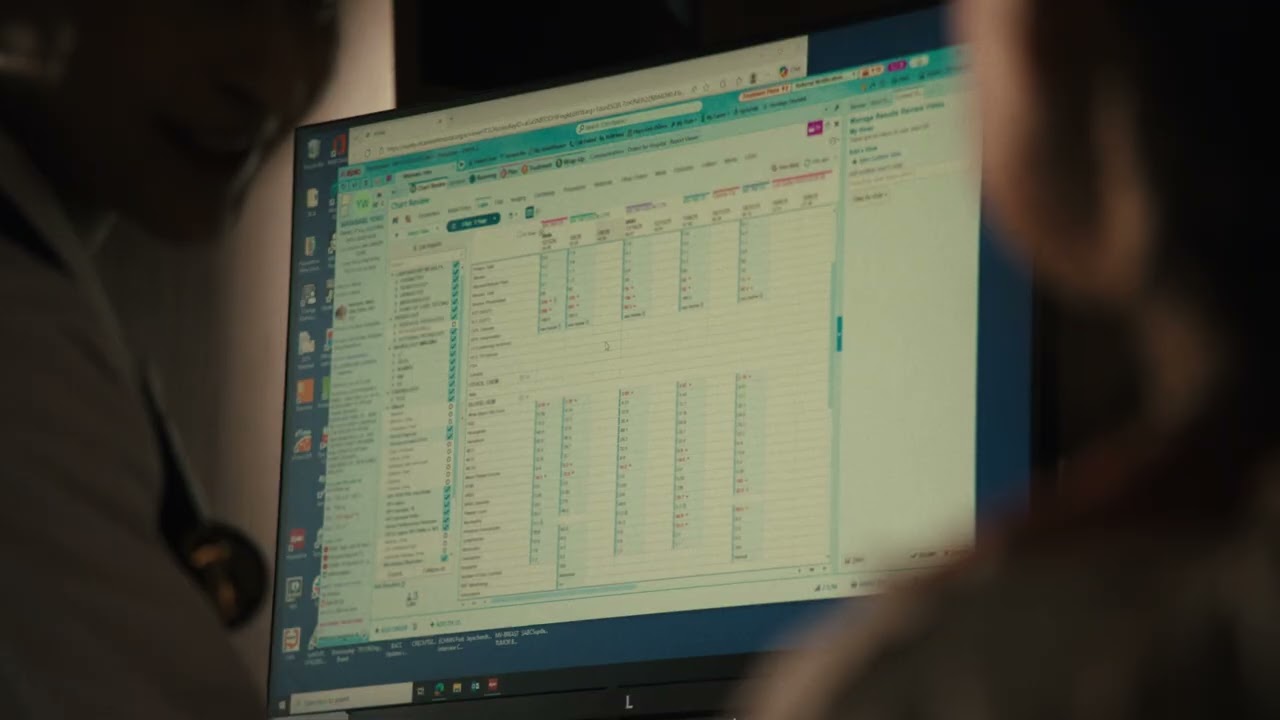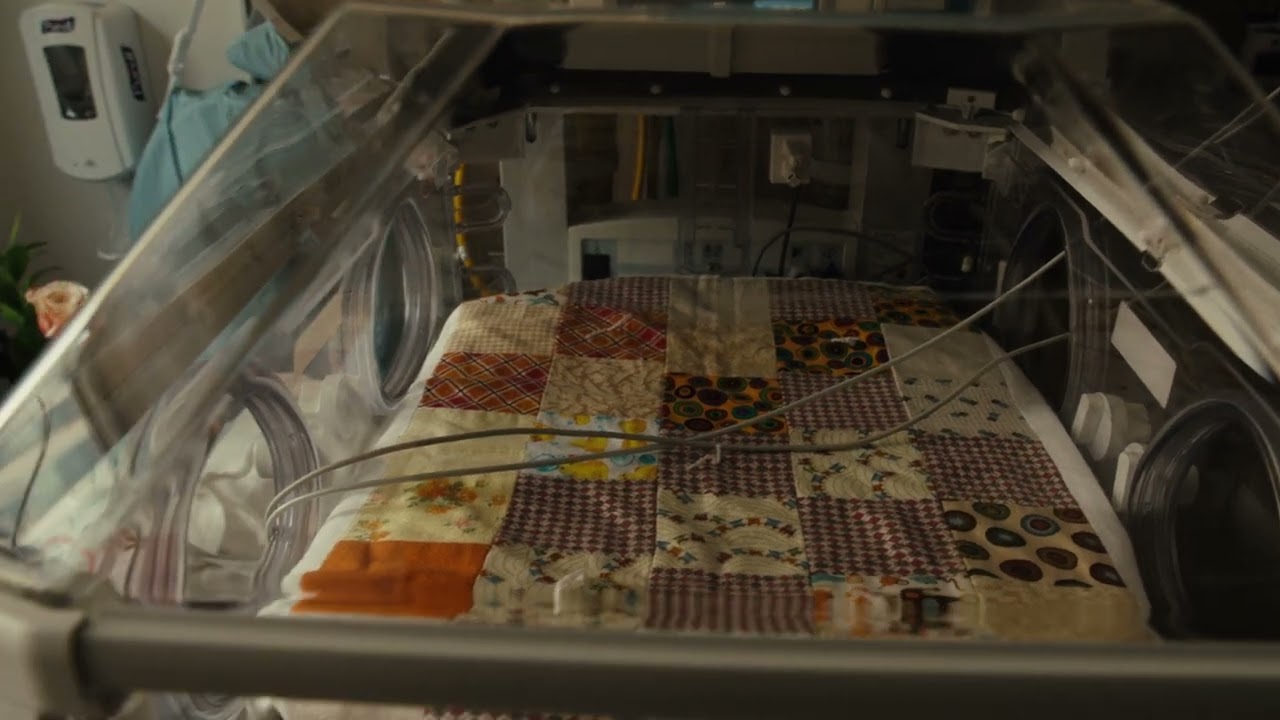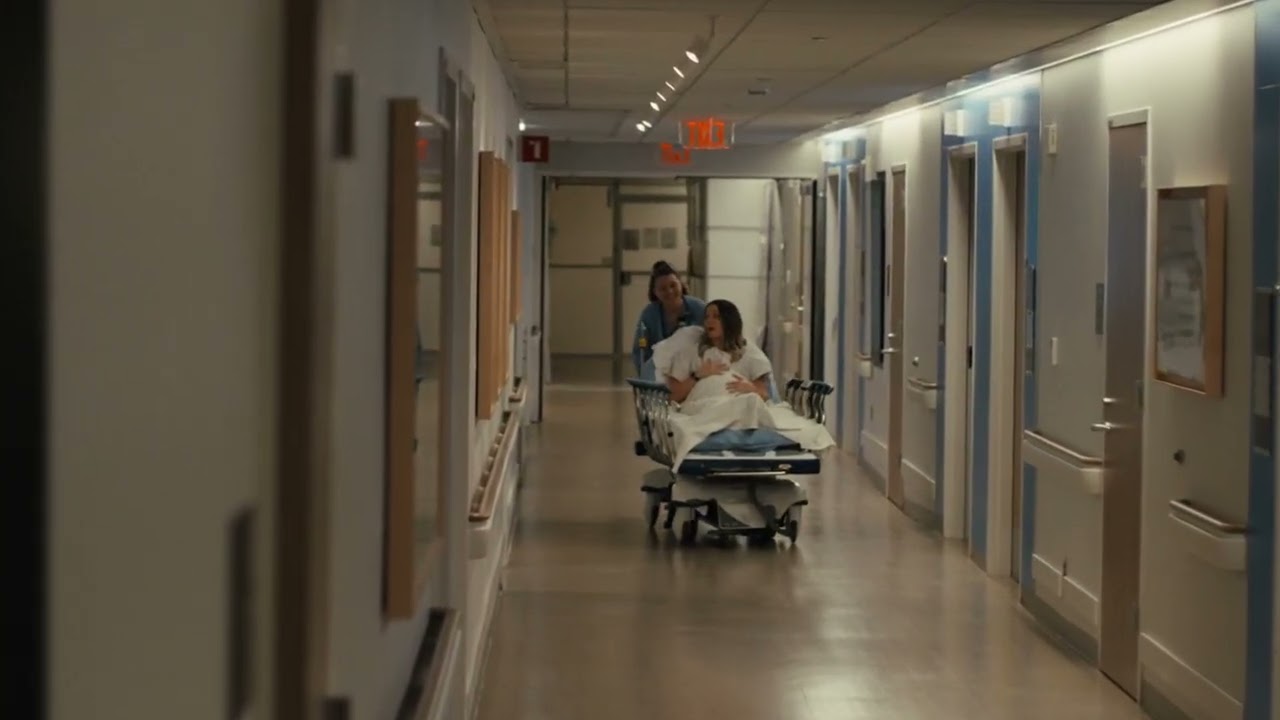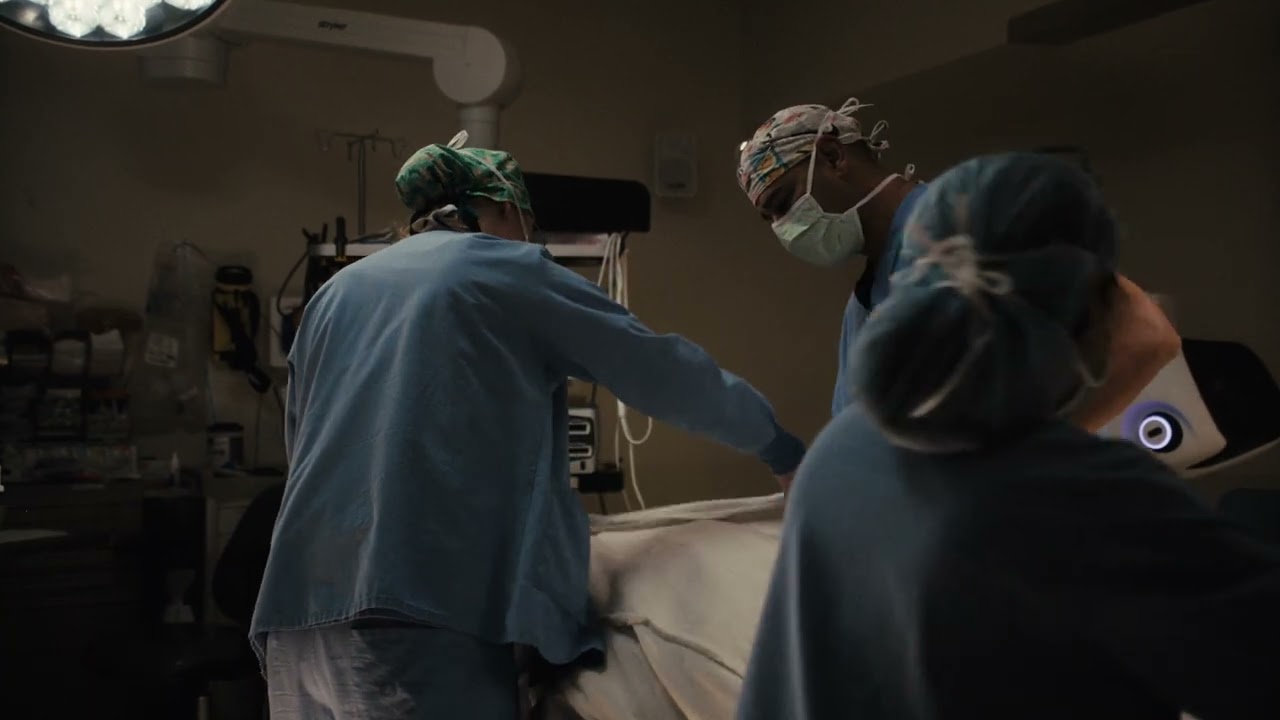
It is 3 a.m. in Mountain View, and the lights are on
A cardiac monitor beeps two floors above a parking lot where, an hour earlier, a self-driving car dropped someone off. Down the hall, a nurse who helped earn this building its fourth Magnet designation checks a chart inside an Epic record. Somewhere in the same county, a venture fund is wiring eight figures into a startup that promises to "disrupt healthcare." None of that startup's software is running here. The patient does not care. The patient cares that the lights are on, that the people are good, and that the bill will not be invented by shareholders.
This is El Camino Health: a $1.59 billion not-for-profit health system hiding in plain sight in the most disrupted square mileage on earth. Two acute care hospitals - Mountain View and Los Gatos. Around 26 care locations. 471 beds. 1,585 physicians. About 4,480 employees. It is the rare Silicon Valley institution measured not in users acquired but in babies delivered (4,751 a year) and people sent home walking.
"In a region obsessed with what's next, El Camino Health quietly perfected what's needed."
- The throughline of this profileOrchards don't call 911
Rewind to the mid-1950s. The orchards south of San Francisco were turning into subdivisions faster than anyone could pour a foundation. People kept arriving. The hospitals did not keep up. Existing facilities were jammed, and a fast-growing population had a slow-growing answer to a simple question: where do we go when something breaks?
The tension at the heart of El Camino Health was set right there, and it has never really left: how do you build durable, community-owned care in a place addicted to building everything else? Growth is wonderful until it is your emergency room at capacity. Innovation is thrilling until you need a bed tonight, not a beta next quarter.
The unglamorous fix
A group of physicians and residents looked at the gap and did something profoundly un-startup-like: they asked their neighbors to tax themselves. In 1956, voters approved a hospital district. In 1957, they passed a $7.3 million bond. No pitch deck. No exit.
Caption: The original growth hack was a ballot measure. It is still working 70 years later.
A bond issue, a 20-acre orchard, and a name
The bet was unusual then and would be career-ending in a modern boardroom: spend public money on a public hospital that no individual would ever own. A five-member board, appointed by the Santa Clara County Board of Supervisors, chose a 20-acre orchard on Grant Road and a name borrowed from the old royal road that stitched California together - El Camino.
On September 1, 1961, the doors opened and the first patients walked in. The founders were not a charismatic duo in a garage. They were a community that decided care should be a shared asset, not a private one. That decision is the company's real founding document.
It was, by any modern metric, a terrible business plan. No equity. No path to liquidity. No founder who could one day ring a bell at the stock exchange. What it had instead was permanence, and permanence turned out to compound. Decades later, when the buildings needed to be made earthquake-safe, the same logic held: in 2009 a new seismically compliant hospital opened in Mountain View, and the system absorbed and reopened the Los Gatos campus. The bet kept paying because nobody could cash it out.
"They built a hospital nobody could sell. In Silicon Valley, that is the most radical thing in the room."
- On the not-for-profit modelHow an orchard became a health system
Care, with a software habit
What does El Camino actually make? Outcomes. The catalog reads like the worst week of your life, handled well: cardiovascular care (Healthgrades put it among America's 100 Best for cardiac care), cancer care, maternity and women's health, mental health and addiction services, orthopedics, urology, pulmonology, plus primary, urgent and specialty care scattered across the county.
The valley does leave its fingerprints. Patients live inside MyChart, the Epic-powered portal, to book appointments, read records, message clinicians and pay bills. There are virtual visits and telehealth for the days you would rather not sit in a waiting room next to someone's cough. The back office runs the same enterprise plumbing the tech giants do - cloud infrastructure, analytics, the works. The difference is what it is pointed at: not engagement metrics, but a person who needs a hip replaced.
And there is a quieter ambition underneath the service lines. A mental health hospital. A rehabilitation hospital. A revitalized women's hospital. Under CEO Dan Woods, who arrived in 2017, the footprint stretched from two acute care hospitals into a network designed so that the answer to "where do we go?" is almost always "somewhere close." For a community asset, geography is not a detail. It is the product.
Caption: Numbers from FY2025. The maternity figure means El Camino throws roughly 13 birthdays a day, every day, forever.
Receipts, for the skeptics
Healthcare is drowning in self-congratulation, so here is the part you can verify. El Camino was the San Francisco Bay Area's first Magnet hospital - the American Nurses Credentialing Center's top mark for nursing excellence - and it has earned the designation four consecutive times. Fewer than one in ten U.S. hospitals hold it once. It has been named a Newsweek World's Best Hospital, a U.S. News Best Hospital for maternity care, and the top community hospital in the San Jose metro for 2025-2026.
Where El Camino is measured
"Anyone can claim excellence. Magnet status four times running is excellence that filled out the paperwork."
- On nursing recognitionThe partnerships
The El Camino Healthcare District still backs the hospitals and funds community health programs - $3.3 million in community benefit grants in FY2025 alone. Epic runs the clinical core. Academic and clinical affiliations feed specialty care and trials. The model is collaborative by design, because a community asset only works if the community keeps showing up.
Caption: Community benefit is in the bylaws, not the marketing deck.
Whose health is it, anyway?
Strip away the awards and the answer to the founding question is still the mission. El Camino exists "to heal, relieve suffering and advance wellness as a trusted, not-for-profit community health partner." Read past the polish and it is the 1956 ballot measure restated: care belongs to the people who need it, not to a cap table.
That is why there are no shareholders to please and no dividend to protect. Surplus goes back into beds, programs and the neighborhood. In a county where the median exit is measured in billions, El Camino's exit strategy is, charmingly, that there isn't one.
"We focus on keeping you healthy and getting you back on your feet when you need it, so you can live your best life."
- El Camino Health, on the jobThe valley keeps changing. So does the building.
The orchard is long gone. The cars in the lot increasingly drive themselves. AI is creeping into diagnostics, scheduling and the dull-but-deadly work of revenue cycles, and El Camino - sitting at the literal center of the industry inventing it - is positioned to adopt the good parts without selling its soul to the hype. The challenge ahead is the same one the founders named: stay durable and community-owned while the world around you reinvents itself every 18 months.
That is the bet that has paid off for more than 60 years. Build the thing nobody can buy. Keep the lights on. Let everyone else chase what's next.
So back to 3 a.m. The monitor still beeps. The nurse still checks the chart. The self-driving car has gone home empty. And the patient - the one who only cares that the lights are on and the people are good - gets to find out, by morning, that both things are still true. That was the whole idea in 1956. It is still the whole idea now.