actuary
(19)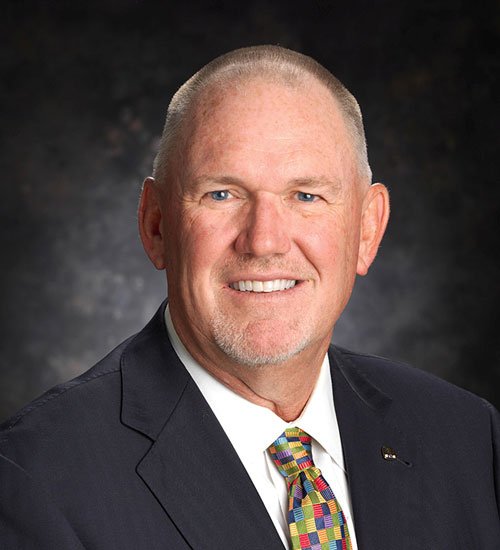
Craig Kliethermes and the beauty of a boring quarter
The actuary who became RLI’s third CEO has a practical theory of leadership: give people a stake, let specialists make decisions, and resist the temptation to grow at any price.
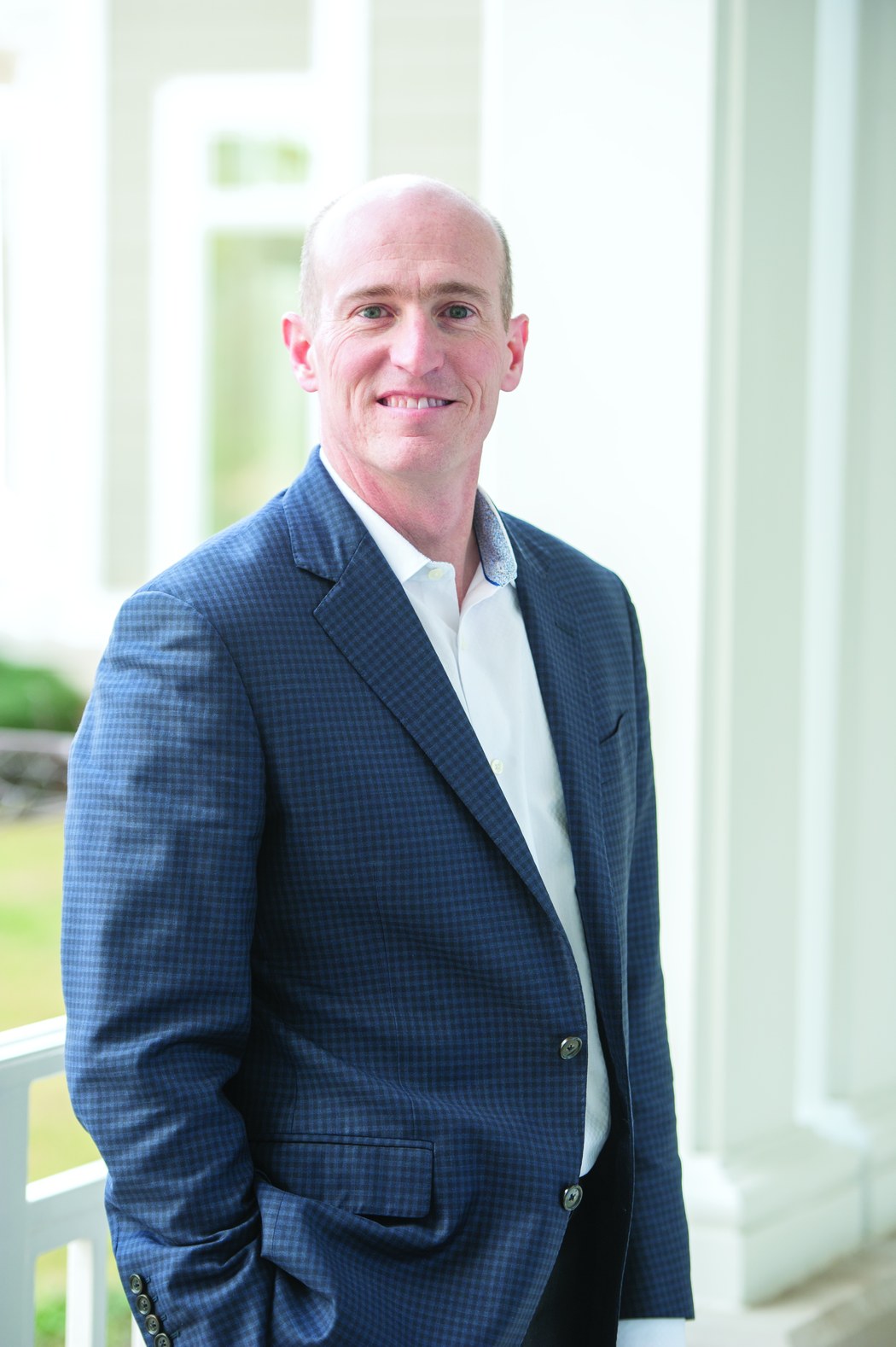
Scott Jean and the value of staying in the room
He arrived at EMC as an intern in 1991. Three decades later, Scott Jean was running the company - and making the case that better insurance still depends on people knowing one another.
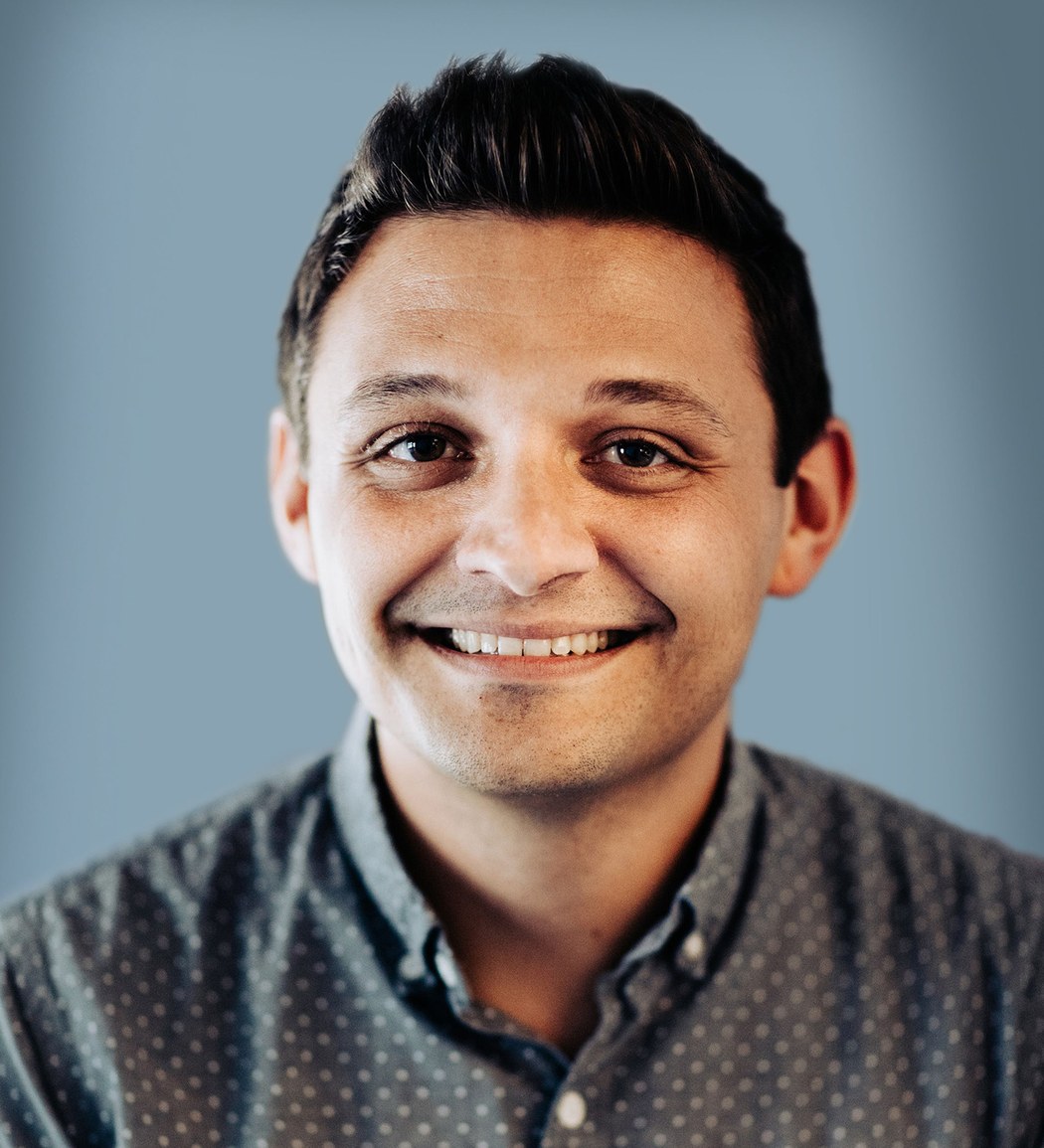
Alex Timm and the price of paying attention
At 14, Alex Timm was already working in insurance. At Root, he turned a familiar question - what makes a driver a risk? - into a company, then spent a decade learning what the answer costs.
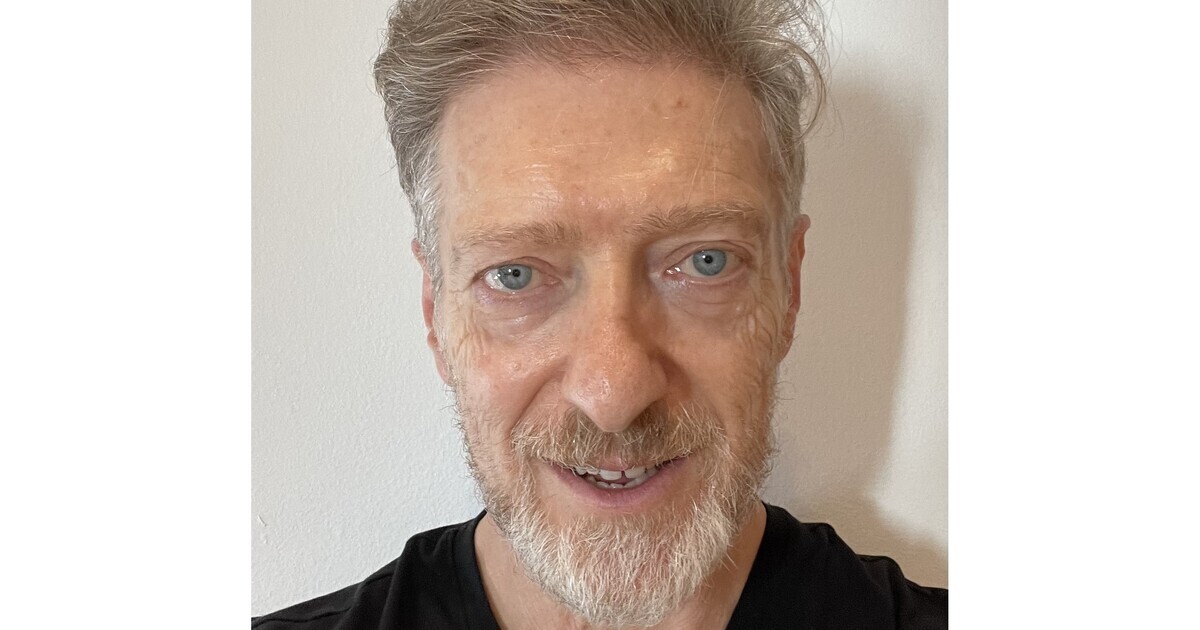
Martin Werth and the Price of Asking Twice
After years inside insurance, Martin Werth built UnderwriteMe around a deceptively small change: ask once. His career traces the distance between spotting an industry’s bad habit and persuading its people to give it up.
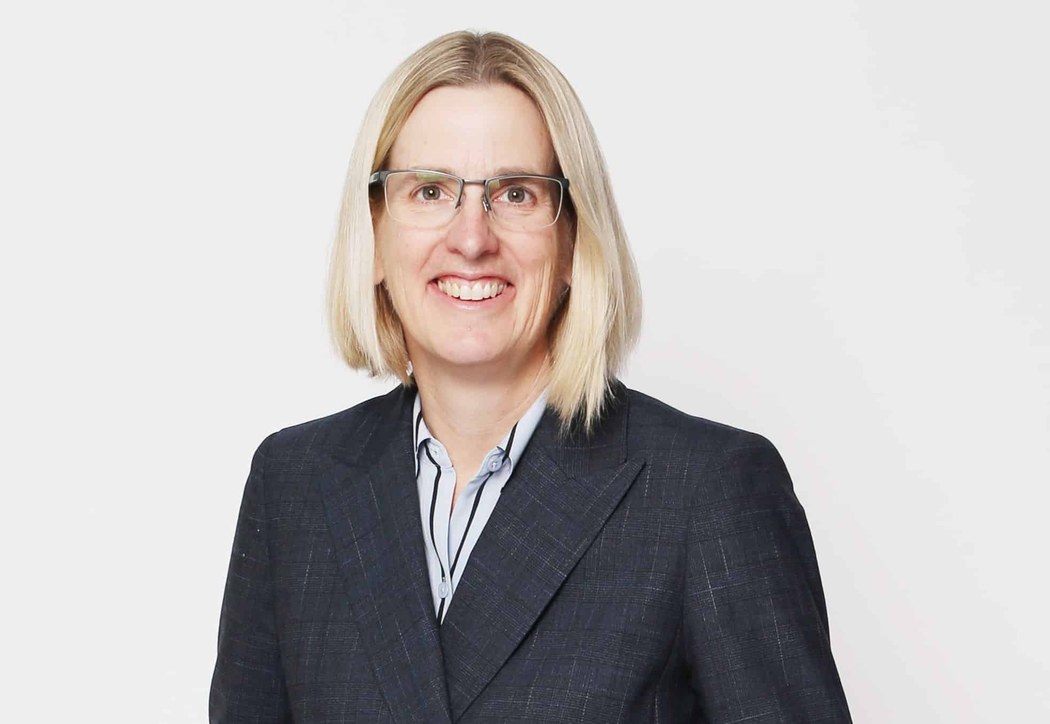
Margaret Meister kept outgrowing the job description
She joined an actuarial team in 1988. Thirty years later, she became Symetra’s first female CEO - after learning how to build a company, steer its finances and take on work nobody had put in her job description.
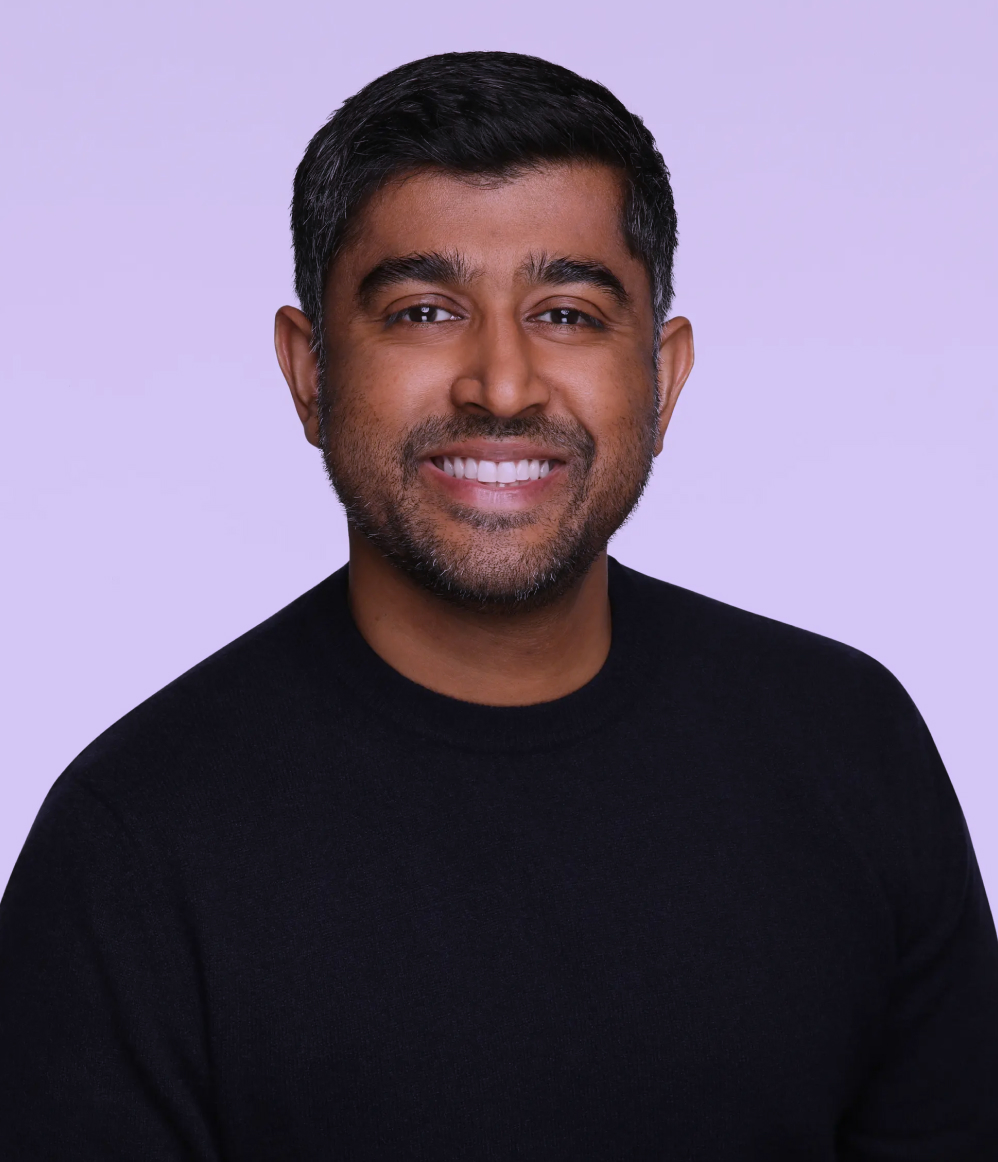
Amrit Santhirasenan and the price of a good decision
He trained in computer science, became an actuary, and built hyperexponential to solve a problem he had lived with for years. His next wager is that better software can give human judgment more room to work.
Nicolas Faquet and the Art of Starting Again
He helped build DirectAsia, left after its sale, and started Roojai in Thailand. Ten years later, Nicolas Faquet is bringing the businesses together around a question he has spent his career answering: how much work should buying insurance require?
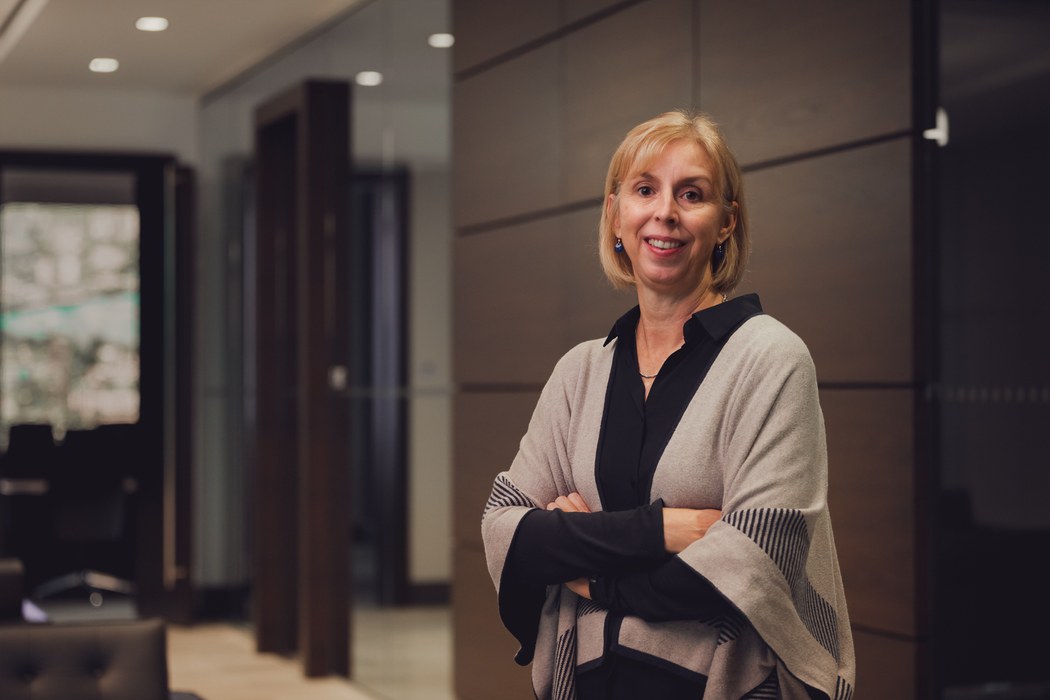
Deanna Strable and the three-times rule
Before she led Principal Financial Group, Deanna Strable-Soethout gave herself a small assignment: speak three times in every meeting. Her rise from actuarial assistant to CEO is a story of learning when to find your voice - and when to leave room for someone else’s.
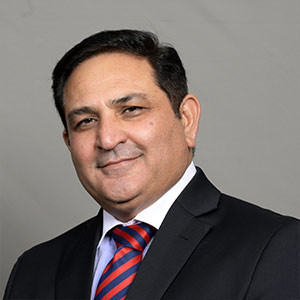
Sunil Sharma and the unlikely education of an insurance chief
He studied physics and entered insurance looking for a job. Three decades later, RGA India’s chief executive is asking how an industry built on complex calculations can make its promises easier to understand.
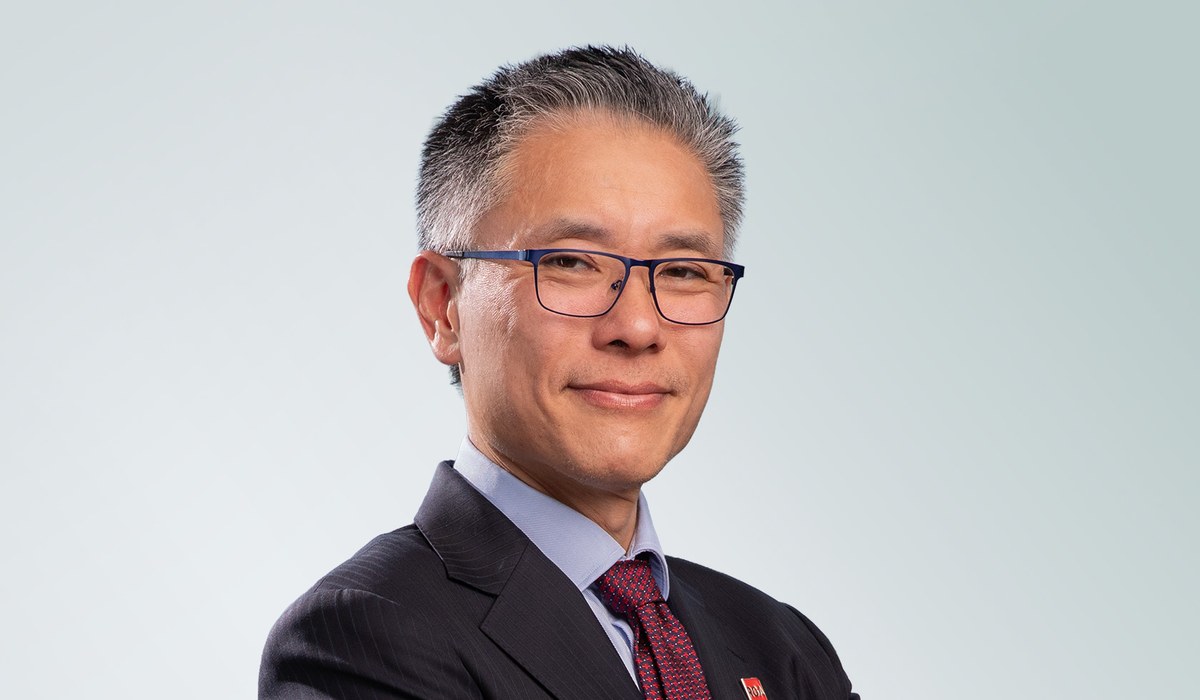
Tony Cheng and the education that never ended
Before he led RGA, Tony Cheng counted change in a Sydney sandwich shop. His route to the chief executive’s office runs through three continents, a few uncomfortable lessons, and a habit of asking another question.
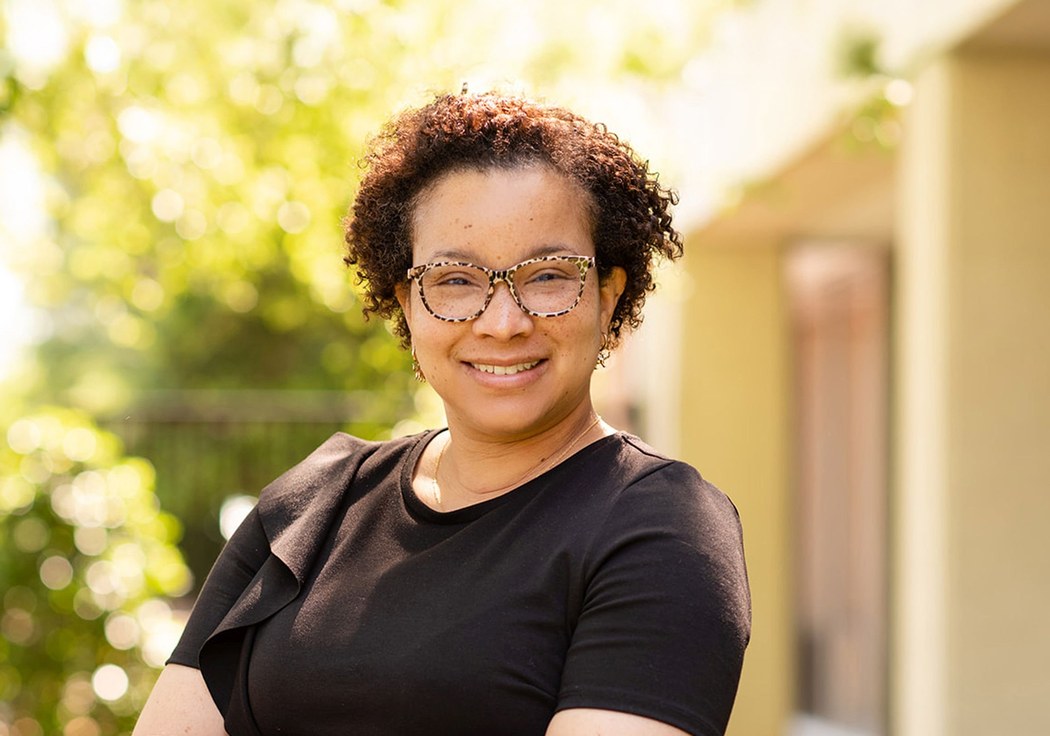
Jamala Arland and the value of a sideways step
An actuary from Barbados built her career by taking the assignments that widened her view. Now, at Genworth, Jamala Arland is responsible for promises that last far longer than a job title.
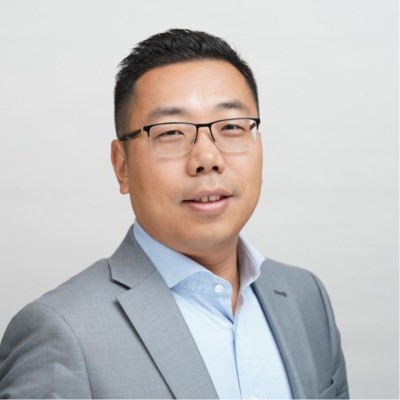
Xu Xuan and the art of getting people in the room
Before he became Equitable’s Head of Life Insurance, Xu “Vincent” Xuan edited newsletters, organized volunteers and learned to fly. Across those pursuits runs a recurring interest: bringing people together to do difficult work.
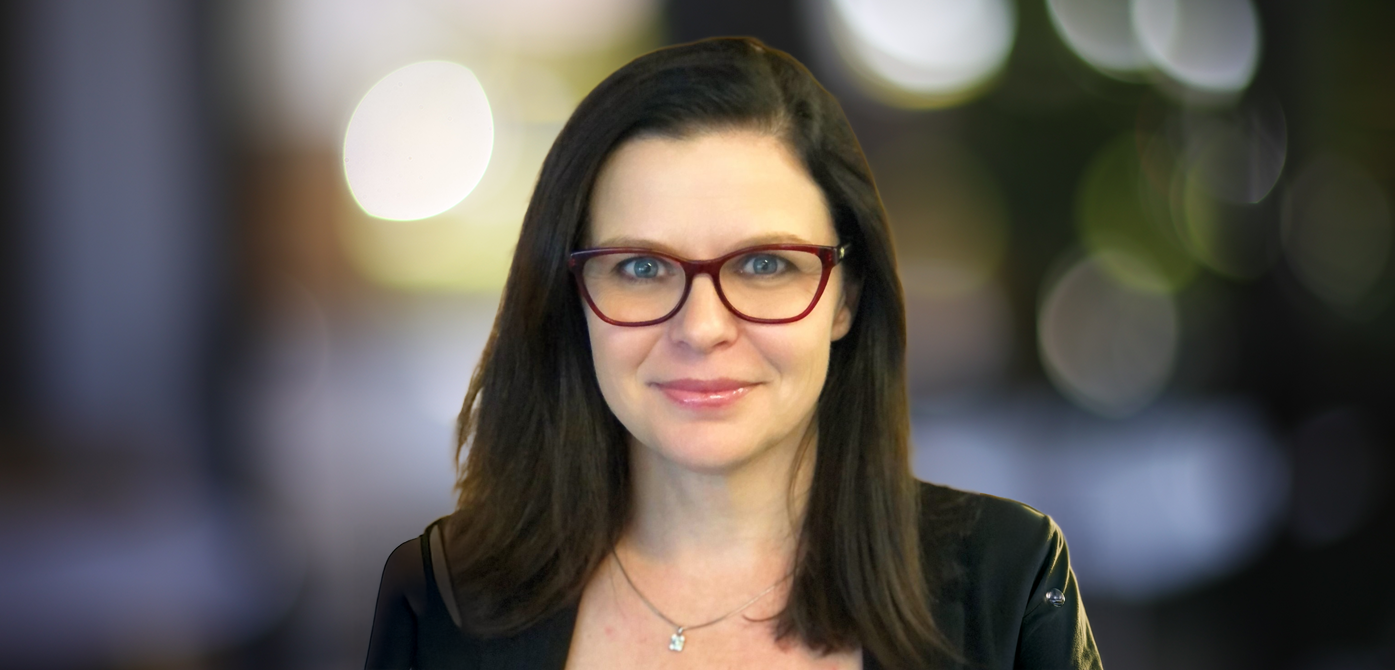
Alissa Holz and the art of changing your mind
Before she became CEO of RGA Australia and New Zealand, Alissa Holz spent years thinking about how institutions learn. Her career connects the mathematics of risk with the rather less tidy business of people.
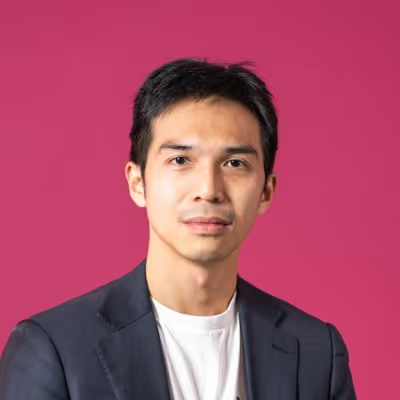
Michael Chan and the coffee shop at the end of the algorithm
He helped take insurance off the sales floor and onto a screen. Then Bowtie’s co-founder opened a coffee shop - because a digital promise still needs a human face.
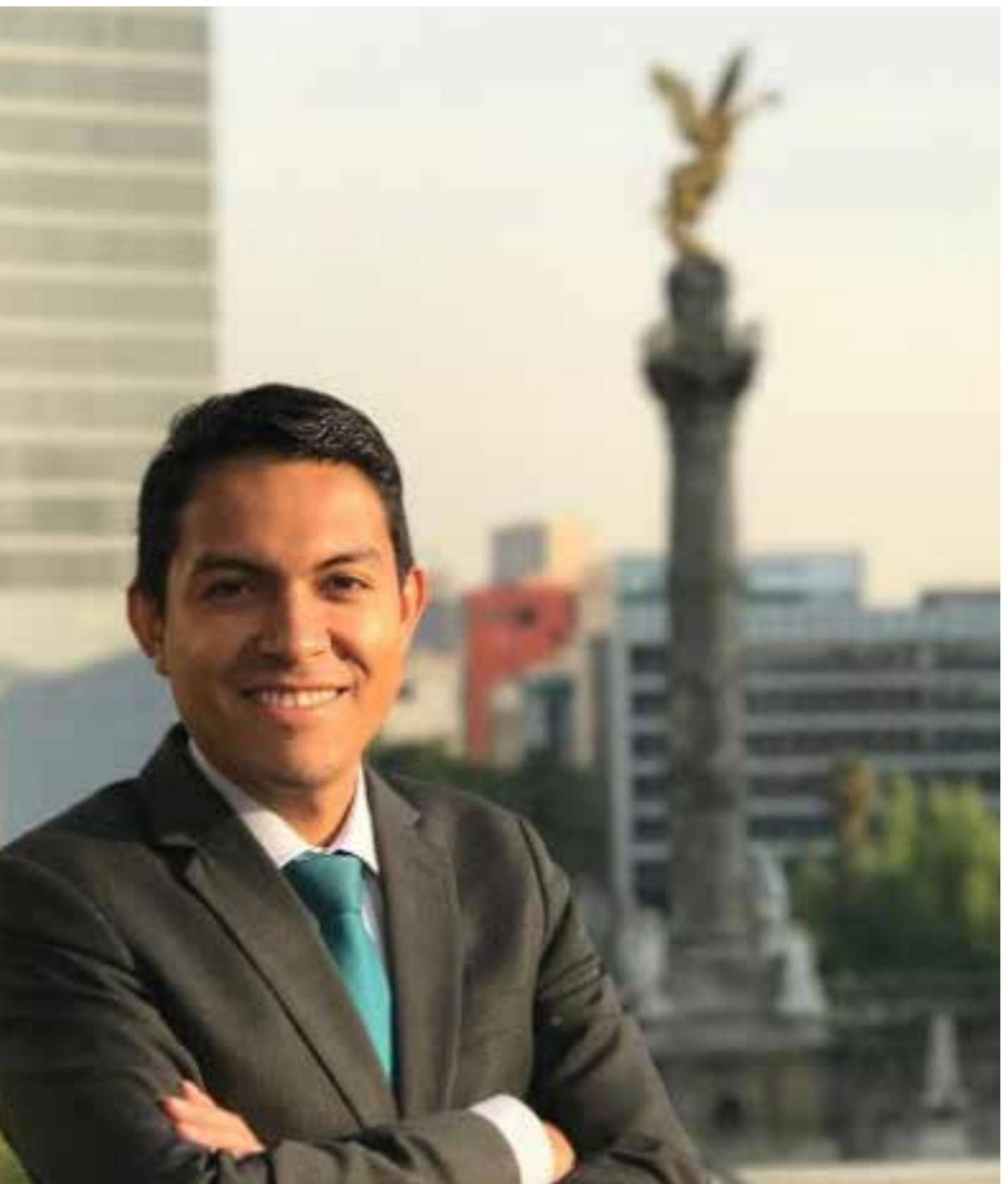
Omar López Tronco Is Teaching Insurance to Notice How People Actually Move
The Clupp founder spent a decade measuring risk before rebuilding mobility insurance around a phone, an odometer and a deceptively simple question: what if the policy adapted to the customer?
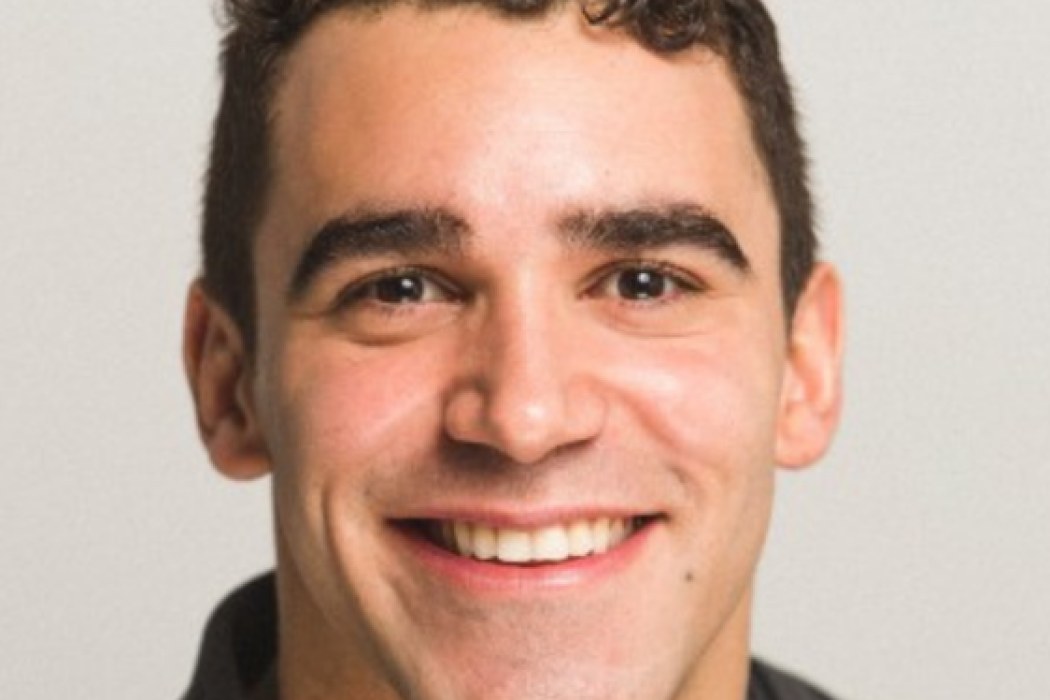
Trevor Gary
Trevor Gary is the founder and CEO of Micruity, a retirement-income infrastructure company that connects 401(k) recordkeepers, asset managers and insurers so plans can offer annuities and pension-style lifetime income. A former pension actuary at Deloitte Canada, Gary saw firsthand how the shift from defined-benefit pensions to 401(k) plans left millions of Americans without guaranteed income in retirement. He founded Micruity in 2017-2018 to build the data conduit that makes lifetime-income products work at scale. The company has raised roughly $27 million from a roster of insurance and financial heavyweights including Prudential, TIAA, State Street, Nationwide, J.P. Morgan Asset Management and Pacific Life.
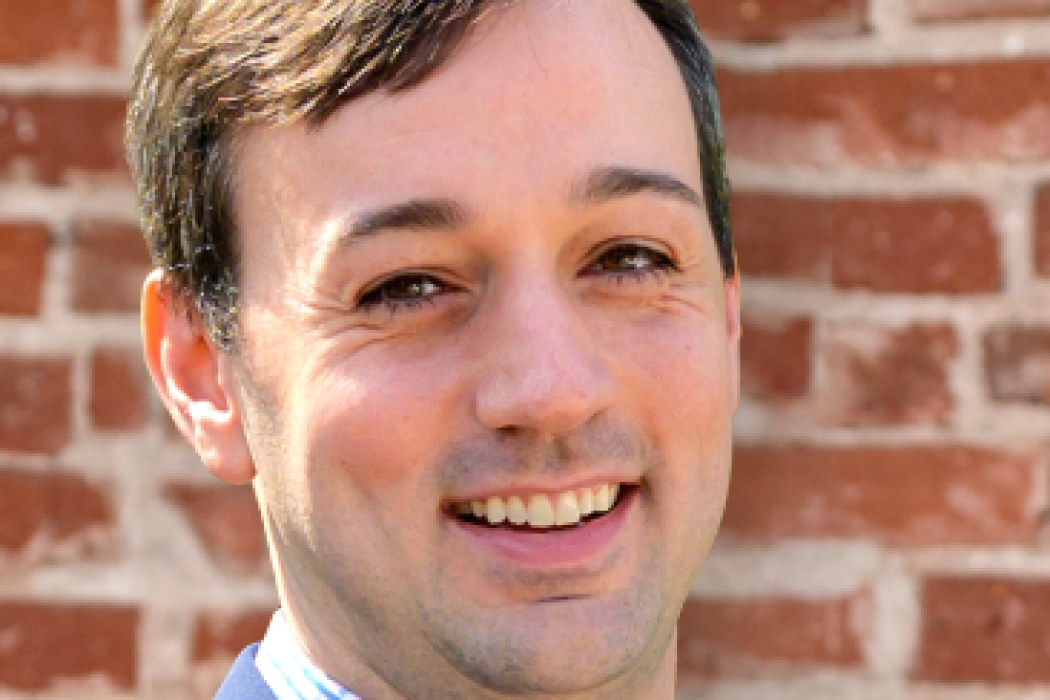
Gage Caligaris
Gage Caligaris is the founder and CEO of Ledgebrook, a tech-enabled managing general agent (MGA) modernizing the Excess and Surplus (E&S) specialty insurance market. A Harvard-trained applied mathematician and former Barclays commodity derivatives trader, he spent eight-plus years as an actuary at Liberty Mutual, where he became the fastest person ever to pass the Casualty Actuarial exams and later scaled a new-mobility products line from under $50M to over $450M in gross written premium. He founded Ledgebrook in 2022 to pair modern engineering with deep insurance expertise, reaching a $100M run rate in under two years and raising an oversubscribed $65M Series C in 2025. In 2026 he was named an EY Entrepreneur Of The Year New England Award winner.
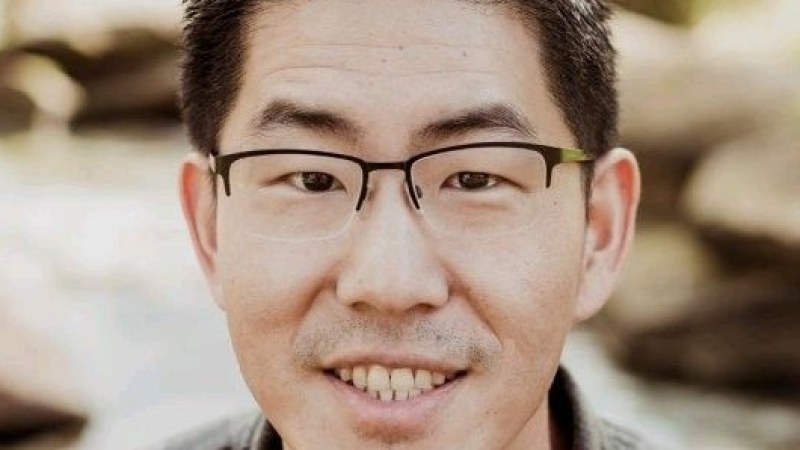
Frank Cheung
Frank Cheung is the co-founder and CEO of Accorded, a San Francisco actuarial intelligence company building tools for value-based contracting in healthcare. A Fellow of the Society of Actuaries with more than 18 years as a health actuary, he spent years inside Blue Shield of California, Deloitte Consulting, and Collective Health before deciding the frustration he kept running into deserved a software fix. He started Accorded in 2019 with co-founder Thomas Bedington, and in 2024 launched Accorded Acumen, a platform that turns messy claims and eligibility data into actuarially rigorous, ready-to-use VBC data assets.
Jonathan Chao
Jonathan Chao is the co-founder of Haven, a mortgage servicing technology platform built to engage the 53 million U.S. homeowners with a mortgage. A UC Berkeley applied-math grad who started his career as an actuary, he became one of the earliest employees at Credit Karma, led consumer product at Plaid, then launched Haven in 2020. He served as CEO through the company's $8M Series A before stepping into the Chief Product Officer seat in 2023 to focus on the product he set out to build. He was named a 2024 HousingWire Rising Star.