financial-wellness
(49)
Kashable bets your paycheck can open a better door to credit
Two immigrants with jobs but no American credit history saw a lending system missing half the picture. Kashable built a business around the other half: the paycheck.

Fruitful gives your paycheck a plan - and a person
The New York fintech pairs certified financial planners with automated money movement. Its wager: the hardest part of personal finance begins after you know what to do.

FloatMe and the price of a few days
A small cash advance can solve a large timing problem. FloatMe’s journey shows why the price, the promise and the cancellation button matter just as much as the money.

Array wants your bank to be more useful - without taking the credit
Credit scores, debt plans, home values, identity protection: Array puts the tools inside brands people already use. Its growing collection of fintech acquisitions is a bet that the next useful financial app may be the one you already have.
Zogo found a better teacher: the bank that pays you
Its first app asked parents to reward financial learning. Banks preferred to pick up the tab themselves - and a failed allowance tool became a business built on small lessons, real rewards and repeat visits.
The Mortgage Benefit Hiding in Plain Sight
A startup built for employees rich in private-company shares discovered a simpler problem: many of them wanted a house. Multiply turned that clue into a mortgage benefit employers can offer for free - and a business that gets paid when loans close.

The Debt Collector’s New Question: Can This Person Pay?
Clerkie began by helping people make sense of debt. Its bigger business is now Fiber, software that asks creditors to offer a workable route back before an account becomes another dead end.
The Price of Waiting for Friday
Payactiv built a business around a peculiar gap: people can finish the work on Tuesday and still pay to reach the money on Friday. Its answer began at a New Jersey construction company and now runs through payroll systems, cards and digital wallets.
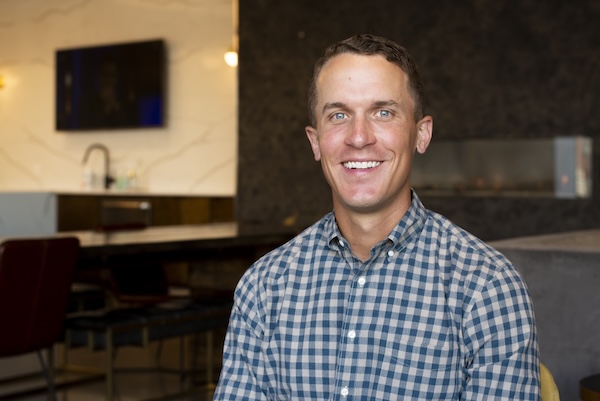
Kevin Jacobson and the Quiet Machinery of Growth
A finance-trained operator arrived at Foxen after two tours through scaling software companies. His wager is that the least glamorous work in property management may be where technology matters most.
IDIQ Wants to Make Your Rent Count
The company behind IdentityIQ has bought its way beyond fraud alerts into rent reporting, financial coaching and legal benefits. Its wager: the next customer may arrive through a landlord, a mortgage broker or the office benefits desk.
The Banking AI That Learned One Word Could Cost It the Customer
Personetics gives banks a machine for turning transaction exhaust into useful nudges. Its sharpest lesson came when a technically correct warning annoyed customers - and one gentler phrase lifted its rating from 3.6 to 4.7.
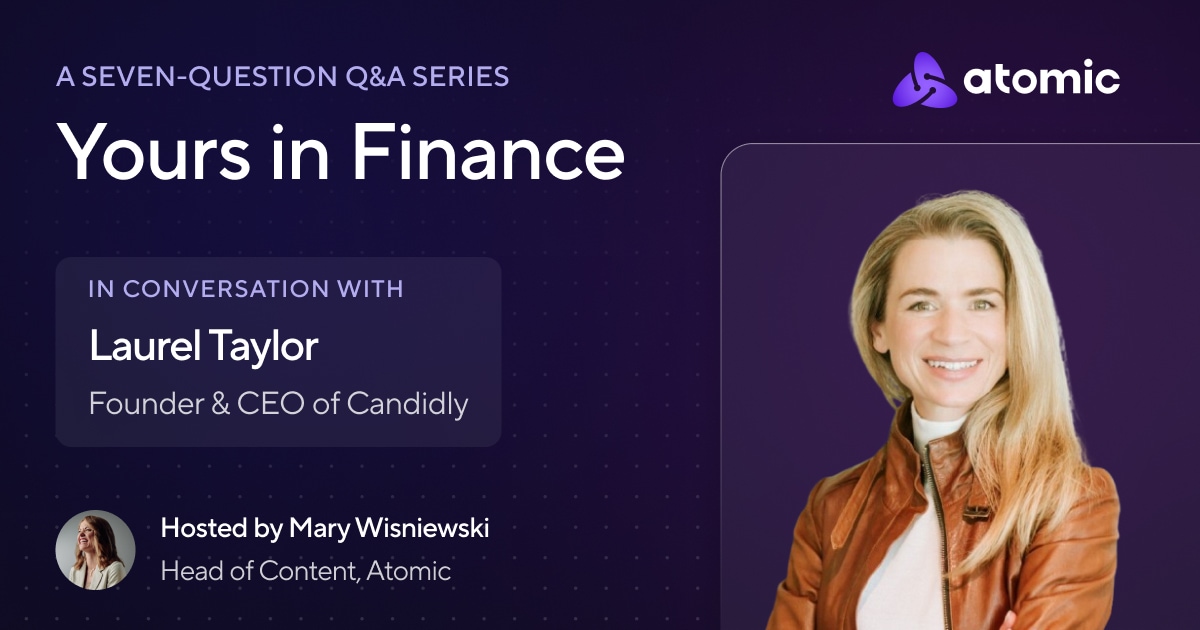
Laurel Taylor Is Turning Student Debt Into a Workplace Design Problem
She borrowed her way from a small Texas town to MIT and Google. Then she spent a decade redesigning the benefit she and her mother needed: a way to pay down debt while life keeps compounding.
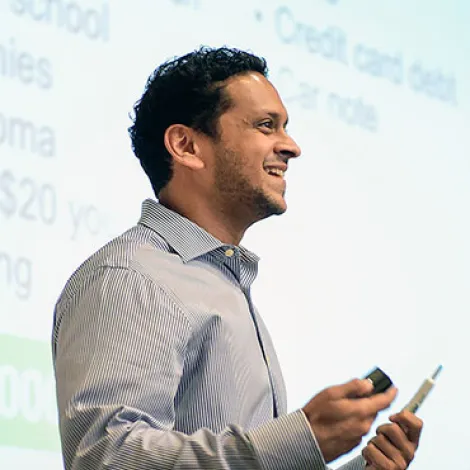
Alok Deshpande Built a Money Classroom for the Middle Class
He left Bain, invited six Atlantans into a room, and taught the least glamorous lesson in money: spend less than you make. Fifteen years later, that stubbornly simple idea is becoming software without losing the teacher inside it.
SmartPath Bet Against the Money Pitch - and Built a Financial-Wellness Business for Everyone Else
Most financial companies teach in order to sell. SmartPath sells the teaching itself - a mix of live classes, dedicated coaches and software now reaching more than one million users through the institutions they already trust.

OneBlinc Bet on Payroll Loans. Then the Money Got Expensive.
The Miami fintech built a data engine around public-sector payroll loans, raised a $100 million credit facility, and then watched higher rates squeeze the model. Its answer was a fast pivot to a smaller, subscription-priced payday bridge - and a revealing lesson in knowing when your first product has become your baggage.
Two Stanford Classmates Bet That Americans Drowning in Debt Would Rather Be Helped Than Hustled
Two Stanford classmates spent two decades building a debt company most people never heard of. Then they renamed it Achieve, wired it to AI, and bet 2 million struggling households on one idea: do the customer's math first.
The Credit Union That Outgrew the Airline Map
UNIFY began as a savings circle for airline employees. Seventy-eight years later, its merger with CommunityAmerica shows what happens when a workplace cooperative becomes a national banking network.
The $380 Billion Business of Giving Savers Permission to Spend
Corebridge sells a surprisingly emotional product: permission to use the money you spent decades saving. Behind that promise sits an old insurance engine, a young public brand and a pending merger that could erase the name almost as quickly as it arrived.
The $1.7 Billion Reason Guardian Life Still Believes in an Old-Fashioned Idea
Guardian Life has spent 165 years selling protection against life’s worst timing. Its mutual structure now pairs a record policyholder payout with the less glamorous work of making benefits, claims and leave easier to use.
The Life Insurer That Would Rather You Stay Alive
At 164, John Hancock is recasting the oldest bargain in insurance: instead of waiting to pay after death, it rewards customers for living better now. The experiment links life insurance to wearables, cancer screening, longevity research and a growing stack of health technology.
Benefit Plans Administrative Services, Inc. (BPAS)
BPAS has built a sizable business around a quiet corporate headache: the pile of rules, records, vendors and deadlines behind employee benefits. Its answer is to put more of that machinery under one roof - while keeping a human expert on the phone.
Gen Digital
The company behind Norton, Avast and LifeLock is stitching cybersecurity to MoneyLion's financial toolkit. Its wager is that the next great consumer platform will sell peace of mind before, during and after something goes wrong.

Horace Mann
Horace Mann built an 80-year business by studying one customer more closely than most insurers study a market. Its wager is that understanding the financial life of a teacher - from the school parking lot to retirement - can still be a durable advantage.
Prudential Financial
The 150-year-old insurer has become a three-engine financial machine: protection for families, retirement risk transfer for institutions, and a $1.4 trillion active asset manager. Its advantage is not novelty, but the ability to price promises that may last longer than the people who make them.
Abhi
Abhi is a MENAP embedded-finance company that started by letting salaried workers draw wages they have already earned before payday, and has grown into a full stack of employer-facing tools - earned wage access, payroll processing, payroll financing and invoice factoring - plus its own microfinance bank in Pakistan. Founded in 2021 by Omair Ansari and Ali Ladhubhai and backed by Y Combinator (S21), it now serves over a million people across thousands of companies in Pakistan, the UAE, Saudi Arabia and Oman, and was the first MENAP fintech named a World Economic Forum Technology Pioneer.
Eazipay
Eazipay is a Lagos-based payroll and payment automation platform that lets African businesses run payroll, remit taxes and statutory contributions, and pay their teams in about five minutes. Founded in 2021 and backed by Y Combinator (W22), it also offers payroll APIs for banks and neobanks and financial-wellness tools such as early wage access for workers.
GIMO
GIMO is a Vietnamese fintech that lets blue-collar workers draw a portion of their already-earned wages before payday through a mobile app connected to their employer's payroll. Founded in 2019 and part of Y Combinator's Winter 2022 batch, GIMO works with manufacturers and other large employers to give underbanked staff an alternative to predatory informal lenders, and has grown to serve hundreds of thousands of workers across the country.

Highline
Highline is a Dallas-based fintech that runs an intelligent payment network called Pay by Paycheck, which lets consumers automate bill and loan payments directly from their paychecks before the money reaches their bank accounts. By capturing funds through a payroll split at the moment payroll is run, Highline helps borrowers avoid missed payments, late fees and overdrafts while giving lenders and billers a more reliable way to get paid - expanding access to lower-cost credit for the roughly 40 million Americans who have steady jobs but thin or subprime credit files.
Tapcheck
Tapcheck is a Texas-based fintech that gives hourly and frontline workers access to wages they have already earned before their scheduled payday. Founded in 2019 by husband-and-wife team Ron and Kayling Gaver, the company connects to an employer's existing payroll and timekeeping systems through no-code integrations, then lets employees transfer up to a share of their net earned wages after each shift - to a bank account or a free Tapcheck Mastercard. The service is offered at no cost to employers and does not touch company cash flow, while employees pay a single, ATM-style fee per transfer. Tapcheck positions earned wage access as an employee benefit that reduces financial stress and improves retention.
Workers Benefit Fund
Workers Benefit Fund is a New York-based, mission-driven company that closes the benefits gap for gig workers, freelancers and independent contractors. Acting as a PEO-style solution for the gig industry, it builds the technology, outreach infrastructure and partnerships that platforms, labor unions and public institutions need to connect non-traditional workers with health, wellness and financial benefits. Its flagship work powers the Drivers Benefits program alongside The Black Car Fund, which has enrolled tens of thousands of New York for-hire drivers at no cost to them.