financial-technology
(64)
Michael Chin Changed Instruments
He meant to make music in New York. Instead, Michael Chin spent three decades changing the tempo of financial technology - from trading desks to cloud software, and from chief executive to trusted advisor.

Alfa’s real product is a lender’s next chapter
Behind the car payment sits a software problem that can outlive the car. Alfa Financial Software has built its business around replacing those systems - and staying for the next chapter.

Lauren Weiner Makes the Numbers Tell a Better Story
The RapidRatings CMO has spent two decades turning complicated financial technology into stories people can act on - and insisting that marketing earn its seat at the table with evidence.
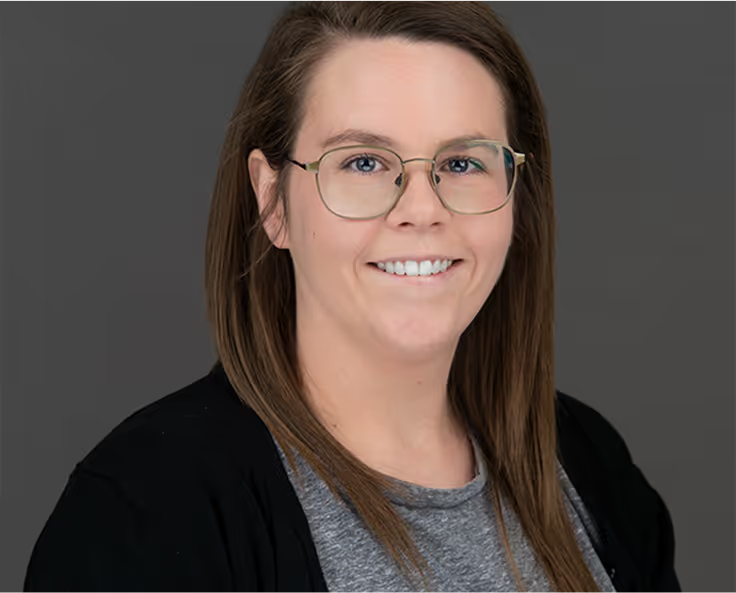
Colleen Sheeren Spent 11 Years Learning Every Piece of Barchart. Now She Has to Explain the Whole Thing.
The Chicago executive rose from marketing associate to CMO inside one complicated data company. Her current challenge is elegantly simple: make its many businesses feel like one story.
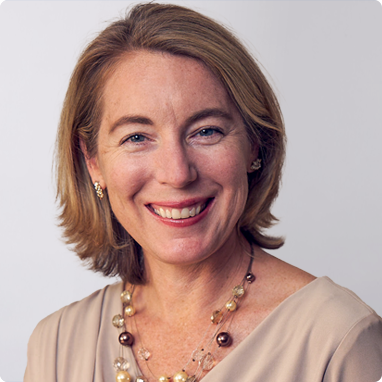
Meredith Binder Spent 27 Years Turning Messy Data Into Decisions
Before sustainability data became her product brief, Meredith Binder learned how information moves through a company. Her career is a study in translation - from documentation to global marketing, from merger work to software, and from worthy intentions to decisions people can actually make.

The $1.5 Billion Data Room That Wants to Run the Whole Deal
Intralinks helped replace couriers, binders and guarded rooms with a browser. Thirty years later, it is betting that security, workflow and AI can turn that original wedge into the operating system for high-stakes finance.

The Banks That Got Tired of Their Tech Vendor - So They Bought the Company
COCC runs the unglamorous machinery behind 175 community financial institutions. Its clever twist is structural: the customers own the vendor, sit on its board and help decide what gets built next.
The Bank That Got Tired of Banking Software - Then Built nCino
Born inside a working bank, nCino turned one lender's spreadsheet problem into a $594.8 million cloud-software business. Its next test is harder: making AI useful in the most regulated rooms in finance.

Elizabeth Bramlage Knows the Hard Part of Fintech Is Making It Feel Simple
Across Amazon, American Express, Klarna, ComplyAdvantage and Versapay, Elizabeth Bramlage has built a career translating financial machinery into stories people can use - and teams can act on.
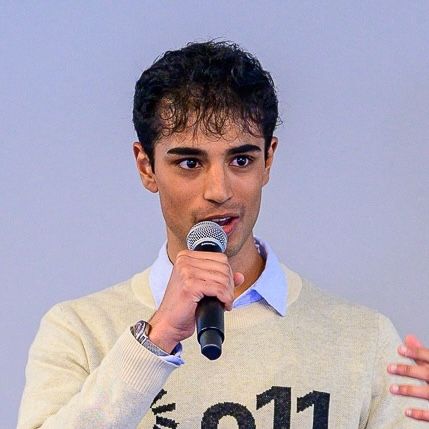
Aryah Oztanir Is Building the Memory Layer Finance Forgot
At 19, he traded a full scholarship for a startup bet: financial firms do not need another dashboard. They need their scattered knowledge to remember how to work together.
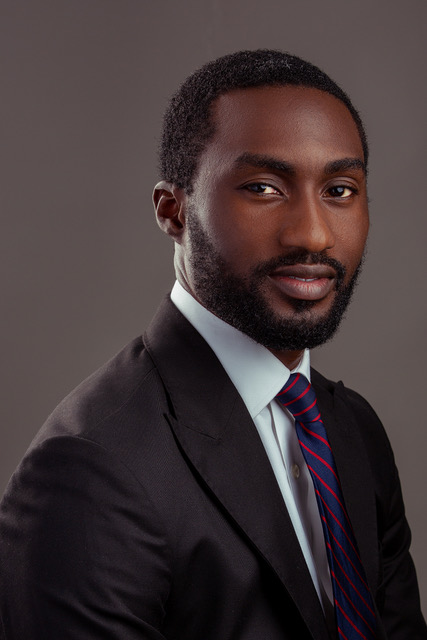
Asher Adeniyi Turned Payday Into a Product
Before payroll became his product, people were already his business. Asher Adeniyi's path from a shy recruitment founder to Eazipay CEO is a study in second chances, dependable systems and the quiet drama of paying everyone on time.
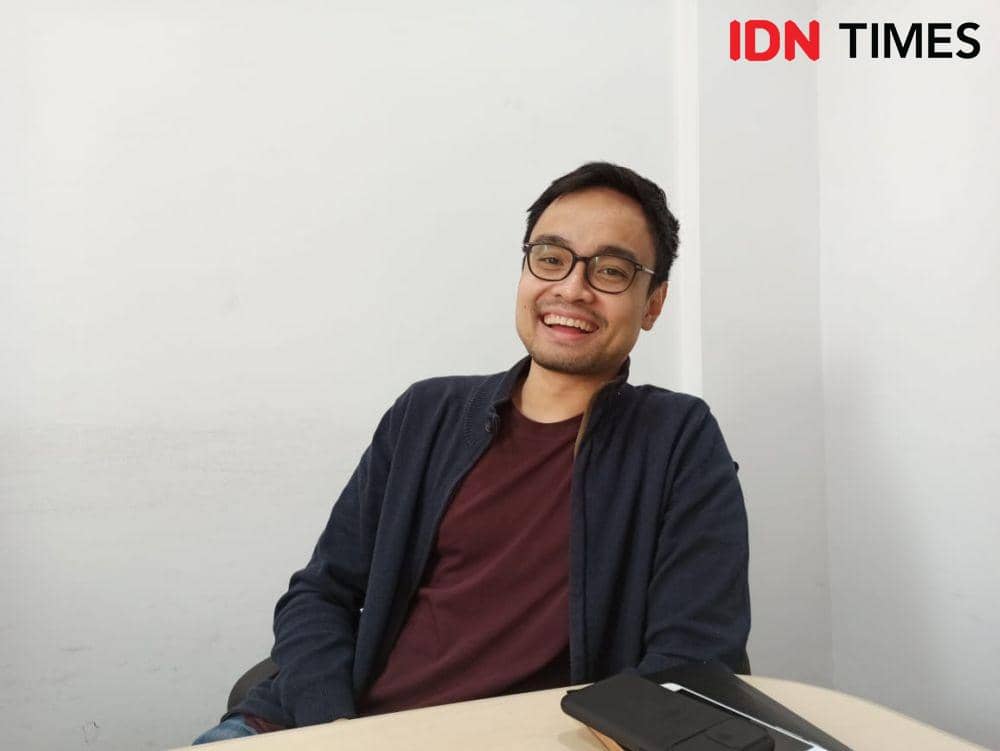
Edo Windratno Turned a Two-Hour Bank Errand Into a Fintech Playbook
A frustrating transfer to Europe gave the Jakarta entrepreneur his opening. Transfez fixed the border; Jack followed the paperwork into the finance office.
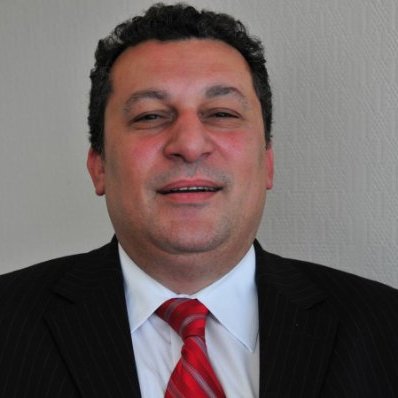
Mohamed Donia Built the Screening Engine Behind Values-Based Investing
A computer engineer turned financial-data founder, Donia spent two decades making the moral fine print of investing legible to institutions.
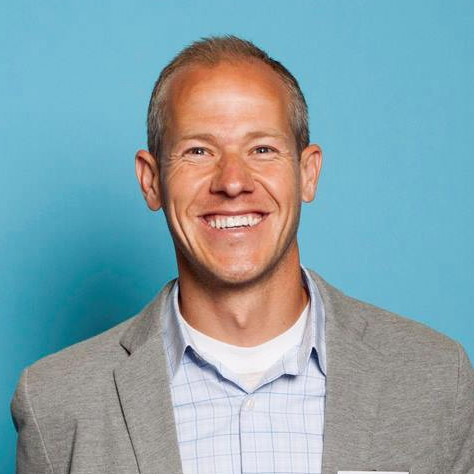
Brock Blake Bet the Company on the 98%
He took a $10 million business to zero on purpose, rebuilt it for Main Street, and learned that the smartest founder in the room is often the one willing to abandon the wrong answer.

Brent Jackson Put the Corporate Card Inside the Bank
He began with a better card for small businesses. Then customer conversations led Torpago toward a quieter, more consequential job: helping banks issue modern cards under their own names.

Jon Caplis Is Fixing the Hedge Fund Industry’s Missing-Data Problem
After a decade inside hedge funds, Jon Caplis built PivotalPath around a stubborn idea: before you judge performance, make sure the right funds are in the room.

Ryan Bozarth Is Rebuilding the Plumbing Money Forgot
After helping shape products at Square, Airbnb, Anchorage and Coinbase Custody, Ryan Bozarth is turning stablecoins into quieter, faster infrastructure for global business money.
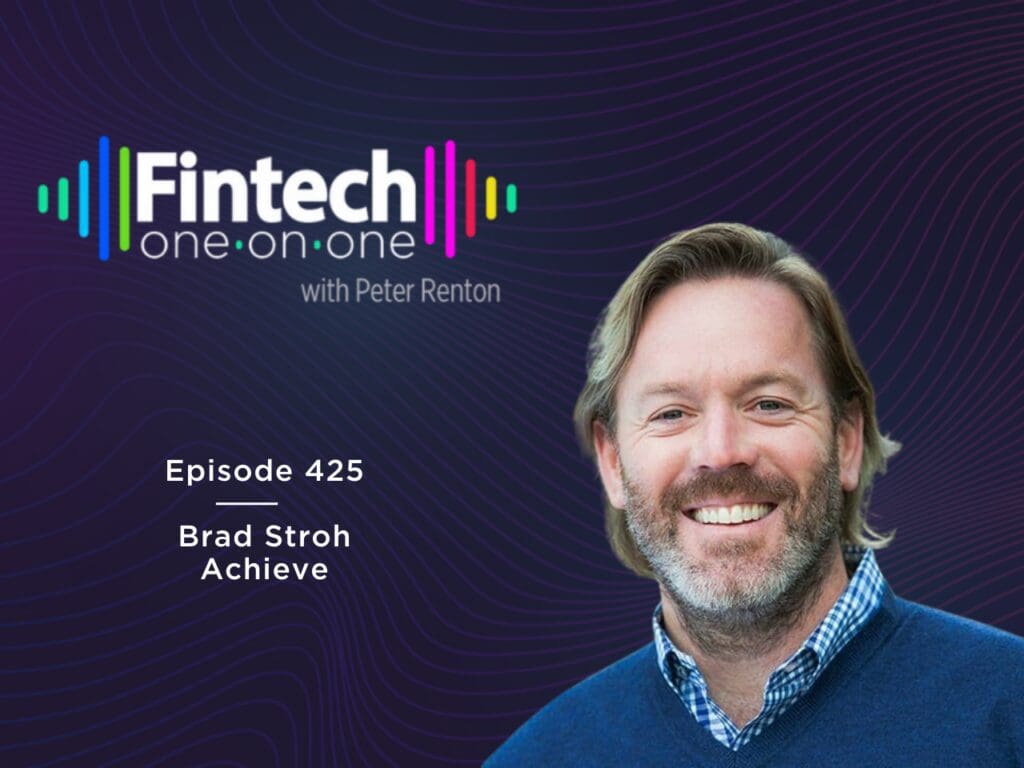
Brad Stroh Spent 24 Years Building the Other Half of Your Balance Sheet
He turned down Wall Street, backpacked through Kenya, and found his life’s work at two broken tables. Now Achieve’s co-founder is betting that AI can give ordinary households the sort of financial guidance once reserved for the wealthy.
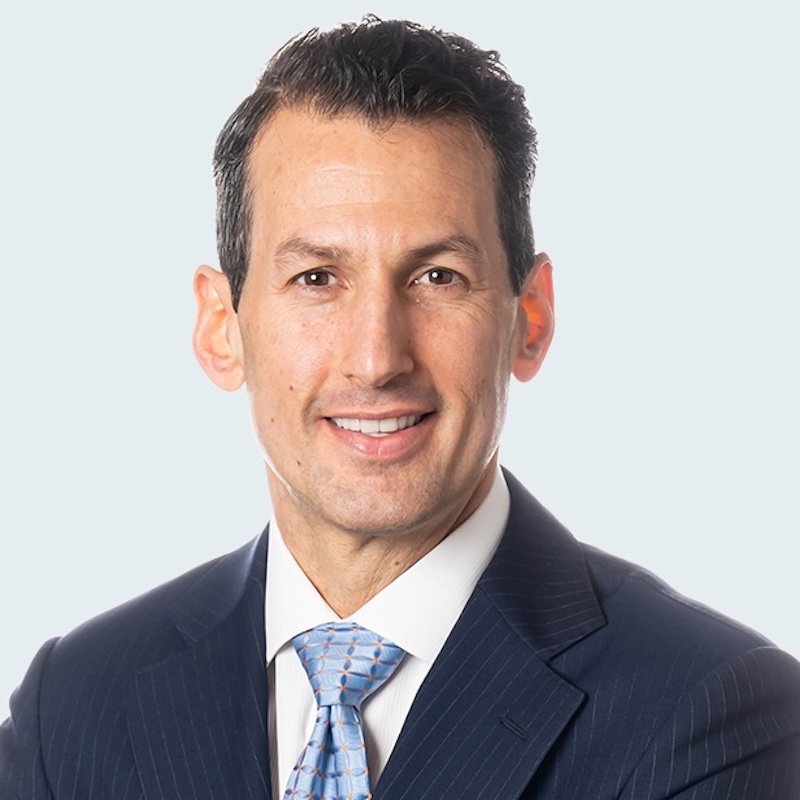
Jarrod Yuster Built the Plumbing for Markets That Never Sit Still
An Intel engineer turned Wall Street trading chief started Pico with seven people in a downtown New York room. The consequential move was not going faster, but realizing the technology itself was the business.

The $2 Trillion Business of Making Private Equity Boring
Gen II began as a boutique for managers who wanted their fund accountant to answer the phone. Seventeen years later, it has turned capital calls, compliance checks and investor PDFs into a $2 trillion infrastructure business - and a useful playbook for founders building in unglamorous markets.

The Hedge Fund Database That Refused to Sell Managers to Managers
PivotalPath spent years persuading investors that their private spreadsheets were not a strategy. Now its allocator-only data, research portal and free indices are trying to give a famously opaque industry one shared measuring stick.

Engage fi Found a $12 Million Hole in a Credit Union - Then Rewired the Org Chart
The Florida consultancy makes its living in the least photogenic corner of fintech: vendor contracts, core conversions and branch math. Its case studies show why that corner can be worth millions.
The Cap-Intro Business Was Built on Handshakes. iConnections Turned It Into Software.
A pandemic side project for charity became the meeting place for hedge funds, private equity and the allocators who fund them - roughly 26,000 members and $50 trillion in capital, run on software instead of steak dinners.

Capital One Built a Bank Like Software. Now It Has a Payment Network.
The credit-card upstart spent three decades turning data into a bank. With Discover's network and Brex's software now inside the company, its next test is whether one institution can make lending, payments and financial tools feel like a single product.

The Company That Keeps the World's Cash Machines Alive
Spun out of NCR in 2023, NCR Atleos turned the humble cash machine into a subscription business - and now Brink's wants to buy the whole thing for $6.6 billion.

The Stock Exchange That Became a Software Company
Nasdaq still rings the bell. But the business behind the blue-lit tower increasingly sells the machinery, data and risk controls that keep markets running long after the ceremony ends.

BlackRock's Other $15 Trillion Asset Is the Machine Behind the Money
BlackRock manages $15.3 trillion for clients. The more revealing story is how iShares, Aladdin, and a private-markets buying spree turned one bond shop into infrastructure for modern investing.

Credit Acceptance
Credit Acceptance built a national auto-finance business by helping dealers say yes to buyers with thin or damaged credit. Its shared-economics model, proprietary scoring system and expanding AI service layer explain both the company’s staying power and the scrutiny that follows it.

Spark Systems Pte Ltd
Spark Systems is a Singapore-based financial technology company building next-generation electronic foreign exchange (eFX) trading platforms. Its ultra-low latency aggregator and eFX solution platform give banks, hedge funds, central banks, sovereign wealth funds and corporate treasuries fast, resilient and cost-efficient access to FX liquidity, price construction, auto-hedging, risk control and white-label distribution. Founded in 2016 by veteran FX trader Wong Joo Seng, the company is backed by global institutions including HSBC, Citi and Goldman Sachs, and counts OCBC and ATFX among its partners.
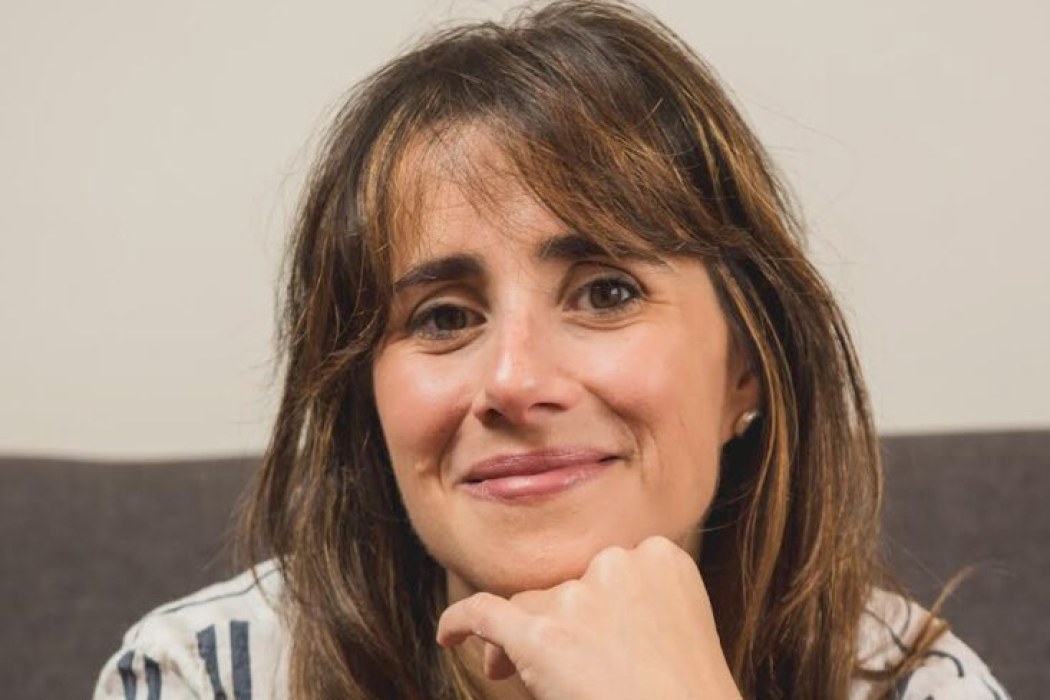
Ximena Aleman
Ximena Aleman is the co-founder and Co-CEO of Prometeo, the largest open banking API platform in Latin America. A former journalist from Uruguay, she pivoted from covering entrepreneurs to becoming one, building infrastructure that connects over 1,200 financial institutions across 11 countries through a single API. Under her leadership Prometeo has won the trust of banks like JP Morgan, Santander, Citi and BBVA and raised backing from PayPal Ventures, Samsung Next and others. She is a vocal advocate for financial inclusion and for founders from overlooked corners of the region.