employee-benefits
(134)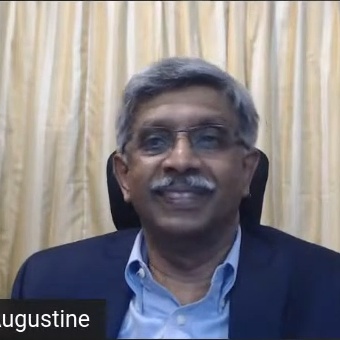
Mathew Augustine Has Spent a Career Making Small Employers Feel Bigger
From the outsourcing boom to construction payroll, Augustine keeps returning to one stubborn problem: how can a smaller employer offer the care, clarity and infrastructure of a much larger one?
The Marketing Agency That Learned the Language of the Fine Print
Ocozzio sells a curious advantage in B2B healthcare marketing: it already knows what the alphabet soup means. That fluency turns an Augusta agency into the outsourced department behind insurers, benefits administrators and healthcare technology companies across the country.

iFood won dinner. Now it wants the rest of your day.
Brazil’s delivery heavyweight is turning takeaway habits into a business in groceries, payments and restaurant software. Its next test is making that convenience pay for everyone involved.

IDIQ Wants to Make Your Rent Count
The company behind IdentityIQ has bought its way beyond fraud alerts into rent reporting, financial coaching and legal benefits. Its wager: the next customer may arrive through a landlord, a mortgage broker or the office benefits desk.
Health-E Commerce built a business on money you might lose
FSA Store turned the confusion around tax-free health benefits into a shopping business. Now its parent company is moving from the medicine cabinet into virtual care.
Venbrook is buying the expertise your next claim might need
From college athletes to commercial landlords, Venbrook has assembled specialists for risks that rarely stay in one department. Its next challenge is making those businesses work together.

Perkbox found a better business in saying thank you
A failed group-buying venture became an employee benefits platform. Now, after joining forces with Vivup, Perkbox is putting supermarket savings, workplace recognition and mental health support behind the same login.
Pluxee UK wants a place in your weekly shop
The former Sodexo Engage business is putting cashback at the centre of its employee benefits app. Its customer stories show why the hard part is getting people to use what their employer has already bought.

Ciphr wants to give HR its working day back
A holiday calculation that swallowed months became an afternoon’s work. Behind Ciphr’s pitch to Britain’s mid-sized employers is a practical bet: connect the records, then give people fewer things to chase.

PlanSource Wants to Make Benefits Admin Boring - and That’s the Point
HR teams do not need another dazzling demo. They need the newborn to be covered, the carrier file to match and open enrollment to end without a fire drill. PlanSource has spent nearly two decades turning that unglamorous promise into enterprise software.

Maven Clinic Spent a Decade Selling Women’s Health to Bosses. Now It’s Coming Back for Everyone
Maven’s first consumer clinic arrived before patients were ready. Employers funded the long detour - and 28 million covered lives later, the company is reopening the front door with a broader bet on women’s health.
Clarity Spent 30 Years Simplifying Benefits. Then Its Own Call Center Got Complicated.
The New Jersey benefits administrator sells simplicity to HR teams. Its most revealing product lesson came when slow change requests, split agent screens and siloed reports forced Clarity to simplify itself - and save a reported $100,000 a year.
AdvantageClub.ai Turned the Office Perk Into a Global Operating System
The company started with coupons and a chicken-and-egg problem. A decade later, it is betting that the messy business of appreciation - points, perks, pulse checks and payouts - belongs in one system.
Empathy Turned Grief's Worst Chore List Into a 50-Million-Person Benefit
The startup began with an app for the brutal paperwork after a death. Its bigger invention was persuading insurers and employers to put practical, human-guided care inside benefits people already have.
Remodel Health’s $100 Million Bet: Make Employees Shop for Insurance - Without Leaving Them Alone
Employers get a ceiling on health-benefit costs. Workers get a market full of choices - and a licensed human to call. Remodel Health raised more than $100 million on the belief that this awkward trade can become mainstream infrastructure.

Jonathan Asmis Is Turning the Down Payment Into a Talent Strategy
The Landed co-founder spent a decade testing a stubborn idea: when capable workers cannot afford to live near their jobs, better financial plumbing can do more than another perk.
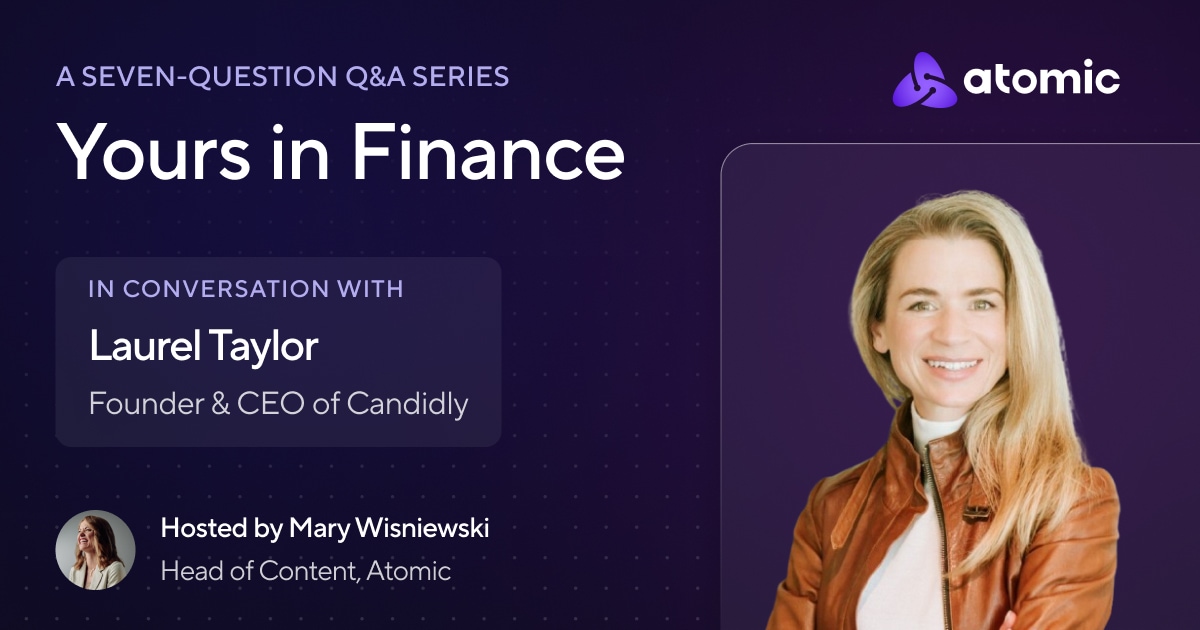
Laurel Taylor Is Turning Student Debt Into a Workplace Design Problem
She borrowed her way from a small Texas town to MIT and Google. Then she spent a decade redesigning the benefit she and her mother needed: a way to pay down debt while life keeps compounding.

Joseph Kitonga Put a Healthcare Idea in a Mall Kiosk - Then Took It Nationwide
A family business exposed the gap. A $10,000 student prize funded the first attempt. Joseph Kitonga built Vitable by meeting workers face to face, then kept widening the map.
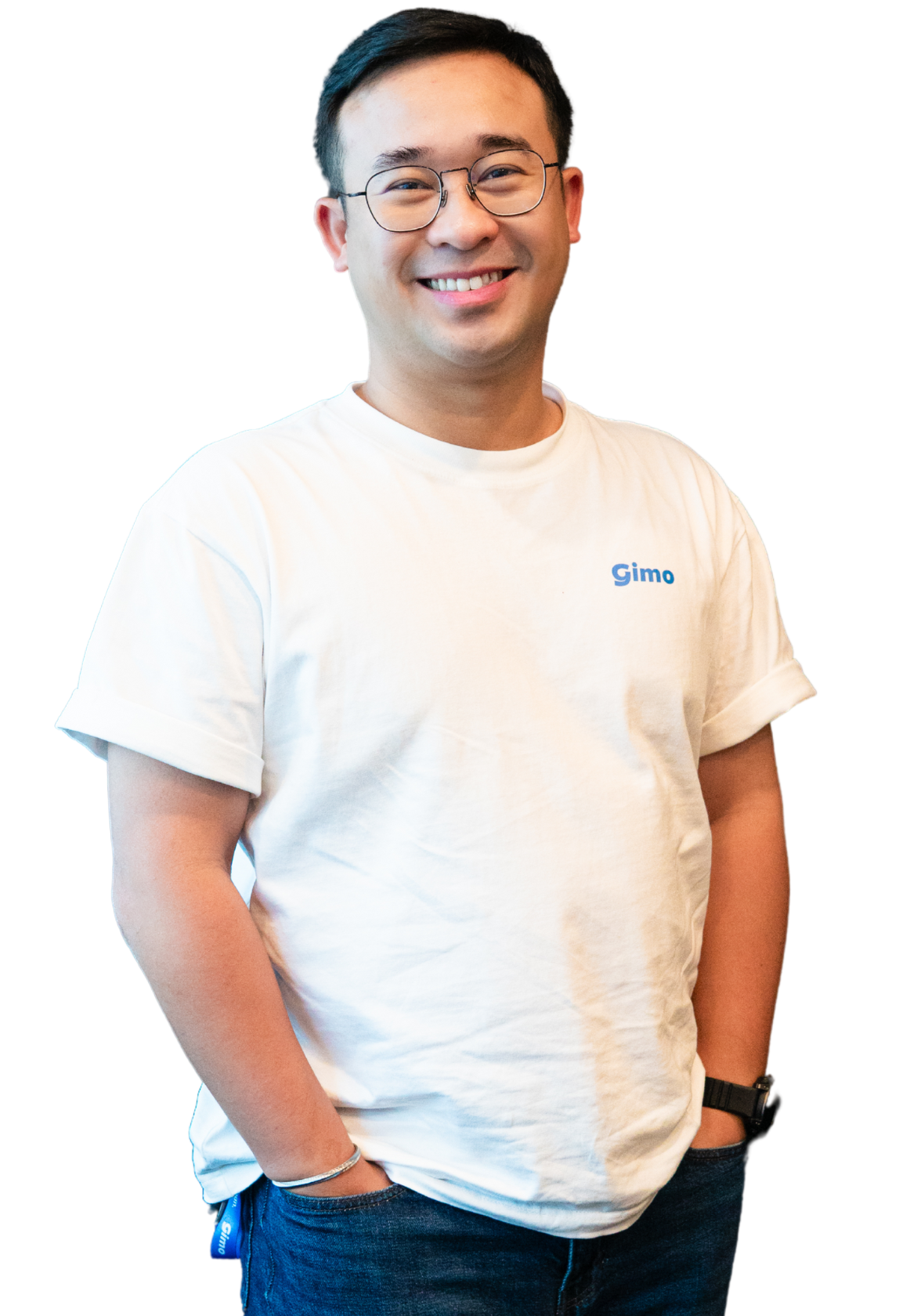
Quan Nguyen Is Building a Payday That Arrives When the Work Does
The former banker left a comfortable finance career to rethink the long wait between earning money and receiving it. At Gimo, his wager is that a fairer payday can become the front door to wider financial access for Vietnam’s workers.

Amr Yussif Turned a Missing Paycheck Into a Fintech Thesis
A withheld gratuity sent the Dubai finance executive to a government queue before breakfast. What he saw there became FinFlx - and a practical lesson in building from the liability nobody wants to discuss.
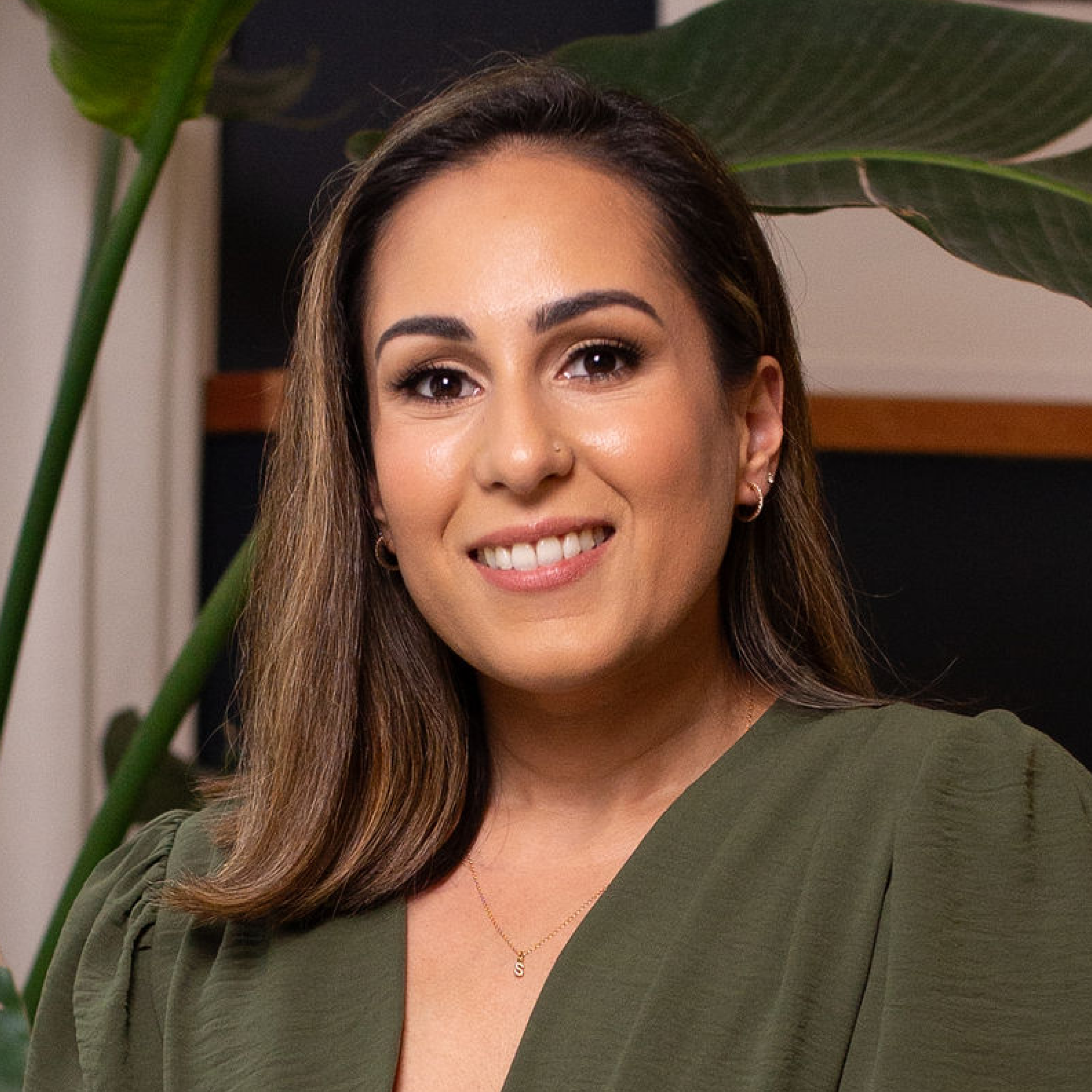
Mahima Chawla Turned Leave’s Paper Chase Into a Product People Could Trust
A colleague’s laptop-at-the-hospital story sent Mahima Chawla into the unlovely machinery of employee leave. Six years, 25,000-plus leaves and one acquisition later, her career offers a quiet lesson in building software for the moments when paperwork feels most personal.

Carey Cook Took the Long Road to the High Road
After 28 years shaping student life, an Idaho educator traded the campus office for payroll, benefits and workers' comp - then merged his young company into a larger regional platform without giving up its local brief.

The Backup Plan That Became the Business
Sharon Lurtsema spent decades learning what happens when care falls apart. Then she built a company around making the backup plan feel less like a scramble - and more like infrastructure.
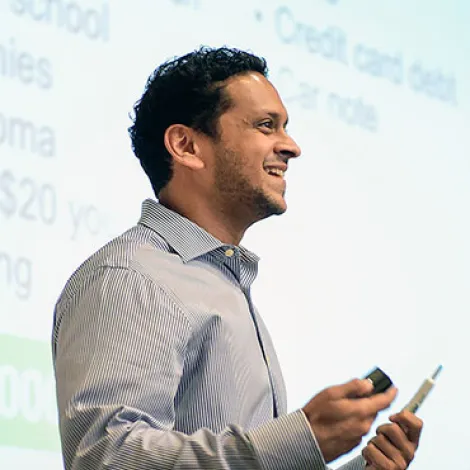
Alok Deshpande Built a Money Classroom for the Middle Class
He left Bain, invited six Atlantans into a room, and taught the least glamorous lesson in money: spend less than you make. Fifteen years later, that stubbornly simple idea is becoming software without losing the teacher inside it.
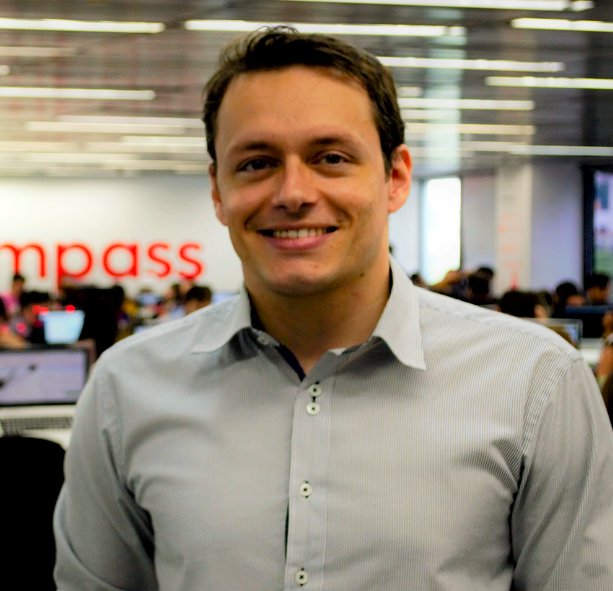
Cesar Carvalho Kept the Problem and Fired the Product
He left Harvard with a gym-pass idea. Fourteen years, several pivots and one abandoned brand later, Cesar Carvalho has built his career around a rarer discipline: loyalty to the problem, not the first answer.

Seif Saghri Built a Perks Company Before Perks Became a Strategy
In 1999, employee perks were often a homemade list of deals. Seif Saghri turned that neglected HR chore into an online marketplace, spent 25 years widening its reach, then learned the founder’s last operating lesson: how to hand over the keys.

Priyang Shah Found a $10,000 Hole in Employee Benefits
After helping scale two Columbus startups, Priyang Shah returned to a stubborn piece of household math. His answer became Healia - and a case study in building ambitious software from Ohio.
Empire Life Spent 100 Years Selling Certainty. Now It Has to Sell Speed.
The Kingston insurer has C$20.8 billion in assets, a century of claims history and a fresh digital mandate. Its most interesting product is not another policy - it is the attempt to make old-fashioned reassurance feel fast.
Navacord Let Local Brokers Keep the Keys - Then Built a $7.2 Billion National Machine
The Canadian broker grew by promising entrepreneurs scale without erasing their local touch. Now a national rebrand and the Acera merger are testing whether independence can survive its own success.
HUB International Canada’s Quiet Playbook: Keep the Local Broker, Scale Everything Behind Them
HUB’s Canadian machine grew by buying local brokerages without trying to bleach out their local character. The payoff is a useful lesson for any service business trying to scale expertise without turning relationships into a call-centre script.