employee-benefits
(99)
The Marketing Agency That Learned the Language of the Fine Print
Ocozzio sells a curious advantage in B2B healthcare marketing: it already knows what the alphabet soup means. That fluency turns an Augusta agency into the outsourced department behind insurers, benefits administrators and healthcare technology companies across the country.
iFood won dinner. Now it wants the rest of your day.
Brazil’s delivery heavyweight is turning takeaway habits into a business in groceries, payments and restaurant software. Its next test is making that convenience pay for everyone involved.
IDIQ Wants to Make Your Rent Count
The company behind IdentityIQ has bought its way beyond fraud alerts into rent reporting, financial coaching and legal benefits. Its wager: the next customer may arrive through a landlord, a mortgage broker or the office benefits desk.
Health-E Commerce built a business on money you might lose
FSA Store turned the confusion around tax-free health benefits into a shopping business. Now its parent company is moving from the medicine cabinet into virtual care.
Venbrook is buying the expertise your next claim might need
From college athletes to commercial landlords, Venbrook has assembled specialists for risks that rarely stay in one department. Its next challenge is making those businesses work together.

Perkbox found a better business in saying thank you
A failed group-buying venture became an employee benefits platform. Now, after joining forces with Vivup, Perkbox is putting supermarket savings, workplace recognition and mental health support behind the same login.
Pluxee UK wants a place in your weekly shop
The former Sodexo Engage business is putting cashback at the centre of its employee benefits app. Its customer stories show why the hard part is getting people to use what their employer has already bought.

Ciphr wants to give HR its working day back
A holiday calculation that swallowed months became an afternoon’s work. Behind Ciphr’s pitch to Britain’s mid-sized employers is a practical bet: connect the records, then give people fewer things to chase.
PlanSource Wants to Make Benefits Admin Boring - and That’s the Point
HR teams do not need another dazzling demo. They need the newborn to be covered, the carrier file to match and open enrollment to end without a fire drill. PlanSource has spent nearly two decades turning that unglamorous promise into enterprise software.

Maven Clinic Spent a Decade Selling Women’s Health to Bosses. Now It’s Coming Back for Everyone
Maven’s first consumer clinic arrived before patients were ready. Employers funded the long detour - and 28 million covered lives later, the company is reopening the front door with a broader bet on women’s health.
Clarity Spent 30 Years Simplifying Benefits. Then Its Own Call Center Got Complicated.
The New Jersey benefits administrator sells simplicity to HR teams. Its most revealing product lesson came when slow change requests, split agent screens and siloed reports forced Clarity to simplify itself - and save a reported $100,000 a year.
AdvantageClub.ai Turned the Office Perk Into a Global Operating System
The company started with coupons and a chicken-and-egg problem. A decade later, it is betting that the messy business of appreciation - points, perks, pulse checks and payouts - belongs in one system.
Empathy Turned Grief's Worst Chore List Into a 50-Million-Person Benefit
The startup began with an app for the brutal paperwork after a death. Its bigger invention was persuading insurers and employers to put practical, human-guided care inside benefits people already have.
Remodel Health’s $100 Million Bet: Make Employees Shop for Insurance - Without Leaving Them Alone
Employers get a ceiling on health-benefit costs. Workers get a market full of choices - and a licensed human to call. Remodel Health raised more than $100 million on the belief that this awkward trade can become mainstream infrastructure.
Empire Life Spent 100 Years Selling Certainty. Now It Has to Sell Speed.
The Kingston insurer has C$20.8 billion in assets, a century of claims history and a fresh digital mandate. Its most interesting product is not another policy - it is the attempt to make old-fashioned reassurance feel fast.
Navacord Let Local Brokers Keep the Keys - Then Built a $7.2 Billion National Machine
The Canadian broker grew by promising entrepreneurs scale without erasing their local touch. Now a national rebrand and the Acera merger are testing whether independence can survive its own success.
HUB International Canada’s Quiet Playbook: Keep the Local Broker, Scale Everything Behind Them
HUB’s Canadian machine grew by buying local brokerages without trying to bleach out their local character. The payoff is a useful lesson for any service business trying to scale expertise without turning relationships into a call-centre script.
Manulife Is Turning a 139-Year-Old Insurer Into a Health-and-Wealth Operating System
The Canadian insurer spent years untangling yesterday's promises. Now it is betting that the same customer needs protection, investing, banking and help living longer - and that one global balance sheet can serve them all.

SmartPath Bet Against the Money Pitch - and Built a Financial-Wellness Business for Everyone Else
Most financial companies teach in order to sell. SmartPath sells the teaching itself - a mix of live classes, dedicated coaches and software now reaching more than one million users through the institutions they already trust.

How an 8-Person Idaho HR Firm Beat the Big Boxes - Then Took the High Road to Scale
High Road PEO sold small businesses something they rarely get from payroll vendors: a human who knows their name. Its 2025 merger with Helpside is a test of whether that intimacy can survive a much bigger operating system.
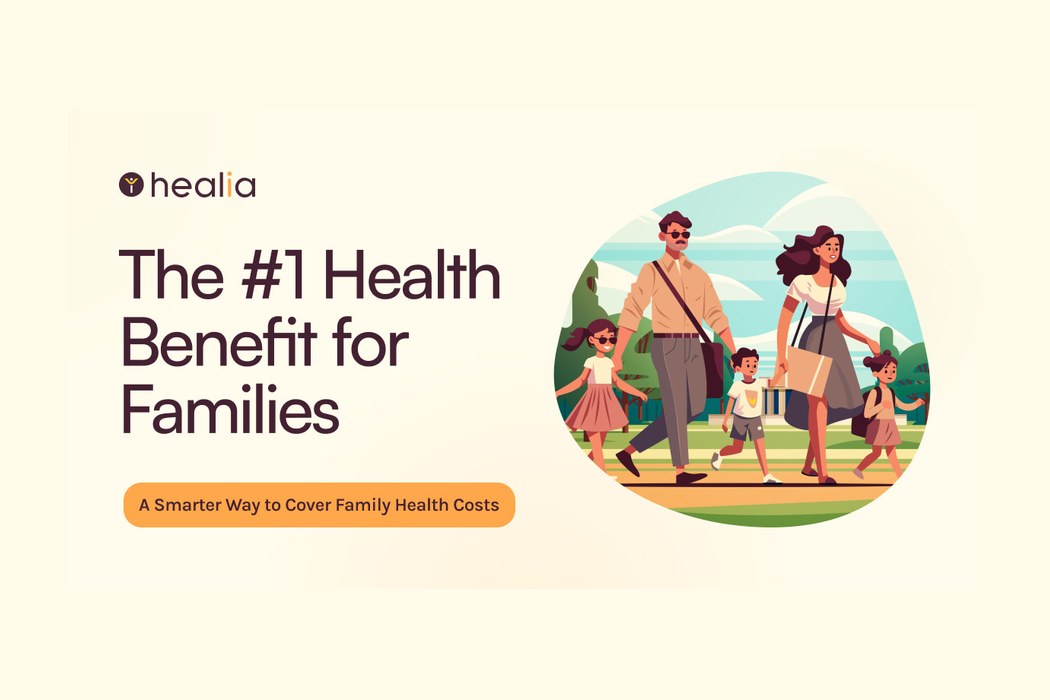
Healia Found a $20,000 Leak in Family Health Benefits - Then Built a $4,000 Fix
Most benefits software helps employees choose from the plans on one screen. Healia asks a more profitable question: should the family be on the other employer's plan instead? Its answer has attracted hundreds of employers, a $14 million Series A and a useful lesson about why good math still needs good operations.

How a 1999 Perks Startup Became the Discount Engine Inside Half the Fortune 500
BenefitHub has spent 25 years quietly aggregating other people's deals into one company login. It says it has never had a down year - and most of the millions of people who use it have never heard the name.
The Payroll Company That Grew Up by Buying the Neighborhood
ConnectPay bet that small businesses still want a human on the phone, not a support ticket - then bought dozens of local payroll shops to build a company around that promise.
Wellhub Lost Every Gym Overnight - Then Built the Wellness Benefit HR Could Finally Sell
The company formerly known as Gympass survived a bad consumer idea, a three-day B2B pivot and the sudden closure of its entire physical network. Its playbook is less about selling workouts than making a three-sided marketplace feel risk-free.
Cocoon Turned Parental Leave's Fax-Machine Maze Into Software - Then TriNet Bought It for $23 Million
Three former Stripe and Square operators started with one customer, one state and one leave type. Five years later, Cocoon had supported 25,000 leaves, won 400-plus employers and sold to TriNet - a neat lesson in turning regulatory sludge into useful software.
How 24 Insurance Firms Merged Into One and Skipped the Awkward Small-Talk Phase
Twenty-four independent agencies merged on the same January morning in 2017. Nine years and roughly 130 acquisitions later, Alera Group is a $1.5 billion insurance and wealth firm - and it is still shopping.

The Employee Benefit That Only Sends a Bill When Care Shows Up
CorporateCARE Solutions is betting that family care works better as infrastructure than as a perk - and that employers should pay for the hours their people actually use.
The Quiet Company Behind $4 Billion in Healthcare Payments
A.E. Perkins has assembled benefits administration, payroll, direct primary care and payment infrastructure under one long-term owner. Its pitch is less about disruption than about making the machinery of work and healthcare reliably disappear into the background.
Symetra Sells Certainty in a Business Built on Careful Guessing
Founded in 1957 as a Safeco side project and now owned by one of Japan's oldest life insurers, the Bellevue company underwrites 2.5 million Americans' retirement income, benefit claims and life policies - then sponsors their hockey team.
The $13 Billion Bet on Making Big Insurance Feel Small
NFP built a sizeable brokerage by staying close to middle-market clients. Now Aon is testing whether global scale can strengthen that intimacy without sanding it away.