asset-management
(192)
The customers who help fund Indigenous Business Australia
Indigenous Business Australia reported that 89% of its operating budget was self-funded in 2024–25. Its next ambition is bigger: bring billions more into Indigenous homes, businesses and community investments.

Eleco sold the concrete. It kept the construction site.
The former building-products group now sells the software behind schedules, estimates and maintenance plans. Its next test is keeping those moving parts connected - and knowing which businesses to let go.

On Device Solutions takes SAP off the desk and onto the factory floor
More than 800 paper forms at one car manufacturer tell the story. On Device Solutions builds mobile software for the people doing the maintenance, counting the stock and keeping the machinery moving.

Esri UK puts the map to work
A sewer maintenance programme reported £1 million in savings. Heathrow is connecting information on half a million assets. Esri UK’s business begins where the pretty map ends.

Tikit turns “just a quick question” into a ticket
Cireson’s service desk puts structure inside Microsoft Teams. Its customer stories reveal why the hard part of IT support is often getting the request into the system at all.

One spare part. Twelve names. SpecTec wants to fix that.
For four decades, SpecTec has helped ship operators organize maintenance. Its next bet is on the costly confusion between the engine room, the stockroom and the purchasing desk.
AutoRek and the money that refuses to match
Behind every smooth payment sits a less glamorous job: proving the numbers agree. AutoRek has spent decades doing that work. Its next bet is on AI that can explain the exceptions.

Shields Wants Telecoms to Stop Buying What They Already Own
From precious metals rescued from the drain to a marketplace for retired network equipment, Shields has built a business around an awkward question: is the next purchase really necessary?

FundApps wants to end Wall Street’s duplicated homework
Hundreds of investment firms face the same regulatory puzzles. FundApps built a business around solving them together. Its merger with SteelEye raises a harder question: can the rest of compliance work that way, too?

GDi Turned the North Sea's Messy Asset Records Into a Working Digital Twin
The clever part is not the 3D model. It is the handoff from a corroded pipe on-screen to an engineered, fabricated repair - without sending another measuring crew offshore.
NM Group Sees the Power Grid the Way a Laser Does
Its aircraft collect billions of precise measurements. Its engineers turn them into a practical answer for utilities: which tree, wire or tower needs attention first?

Steve Graziano Spent a Career Reading Markets. Now He Wants Executives to Read Their Own Data.
After four decades in asset management, the former Touchstone president has traded the corner office for a stubborn question: what good is a clever dashboard if the numbers beneath it cannot agree?

Finster AI Gives the Spreadsheet Crowd a Memory
Finster AI wants to turn a bank's scattered filings, models and institutional lore into work that arrives already sourced. The pitch is compelling, but buyers should expect an enterprise sale, a serious integration project and no public price tag.

Nine Workplace Apps Walked Into a Merger. Eptura Wants to Run the Building.
Eptura stitched nine aging-but-useful workplace systems into one worktech platform. The bet is simple: a desk booking, a visitor badge and a broken chiller become more valuable when they live in the same data story.
The 47-Year-Old Software Company That Finally Put Its Fleet in the Cloud
RTA spent decades selling maintenance software to the people who keep public vehicles alive. Then a third-generation owner took on the harder repair job: rebuilding the family business without throwing away the fleet knowledge inside it.

BuildOps Put a Billion-Dollar Price on the Contractor’s Messy Back Office
Commercial contractors kept hospitals cold and data centers humming while their own businesses ran on spreadsheets, texts, and software sprawl. BuildOps turned that mismatch into a vertical SaaS company valued at $1 billion - but the real test happens during the three-month slog of changing how a shop works.

Fexa Wants to Stop the Repair Bill Before the Truck Rolls
The dullest software in retail may protect the most interesting line on the P&L. Fexa is turning work orders, refrigerant logs and vendor calls into decisions made before the money is gone.
Qualys Wants to Turn the World's Vulnerability Backlog Into a To-Do List
The 27-year-old security company helped put vulnerability scanning in the cloud. Now it is selling a harder idea: that one agent and one risk score can tell sprawling enterprises what to fix first - and help fix it.

Incident IQ Found a $40 Million Business Hiding Behind the School Help Desk
School software usually starts in the classroom. Incident IQ went looking in the back office - and built a 2,000-district business by connecting every broken Chromebook, leaky ceiling and missing textbook to the people who can fix it.

The $2.9 Million Reason Field Service Teams Stop Trusting Paper
Service Pro sells a decidedly unglamorous promise: make every truck roll legible, billable and visible. Its best case studies show why that can be worth seven figures - and its roughest reviews show why integration discipline matters just as much as the app.

Kahua Tore Up the SaaS Blueprint - and Built Construction Software That Bends
After selling an early cloud construction platform, Scott Unger and Brian Moore decided the category's real problem was rigidity. Their second act is a configurable system of record for the people managing billions in concrete, contracts and change orders.
ServiceTrade Turned a Contractor's Messy Back Office Into a $119.8 Million Vertical SaaS Playbook
It began as software built inside a real service contractor, nearly ran out of room before institutional investors understood the market, and found its first serious backers among its own customers. The result is a useful lesson in how narrow software can grow wide - without pretending every business works the same way.

EZO Turned the Spreadsheet Graveyard Into an Operating System for Everything That Moves
Most companies do not lose expensive gear in dramatic heists. They lose it one stale spreadsheet, unreturned laptop, and mystery storeroom at a time. EZO built a SaaS portfolio for the unglamorous work of knowing what exists - and making sure it keeps earning its keep.
The Office Is Half Empty. OfficeSpace Software Wants to Make That Useful.
Hybrid work turned every floor plan into a moving target. OfficeSpace is betting that the winner will not be the company with the prettiest desk-booking app, but the one that can turn workplace chaos into decisions.
Limble Took 30 Months to Earn $12 - Then Built the Maintenance Playbook Every B2B Founder Should Steal
A failed pharmacy startup taught Bryan Christiansen to interview before he built. Two hundred maintenance conversations, one $12 customer and roughly $113 million in funding later, Limble's best lesson is still the cheapest one: make the frontline want to use the software.
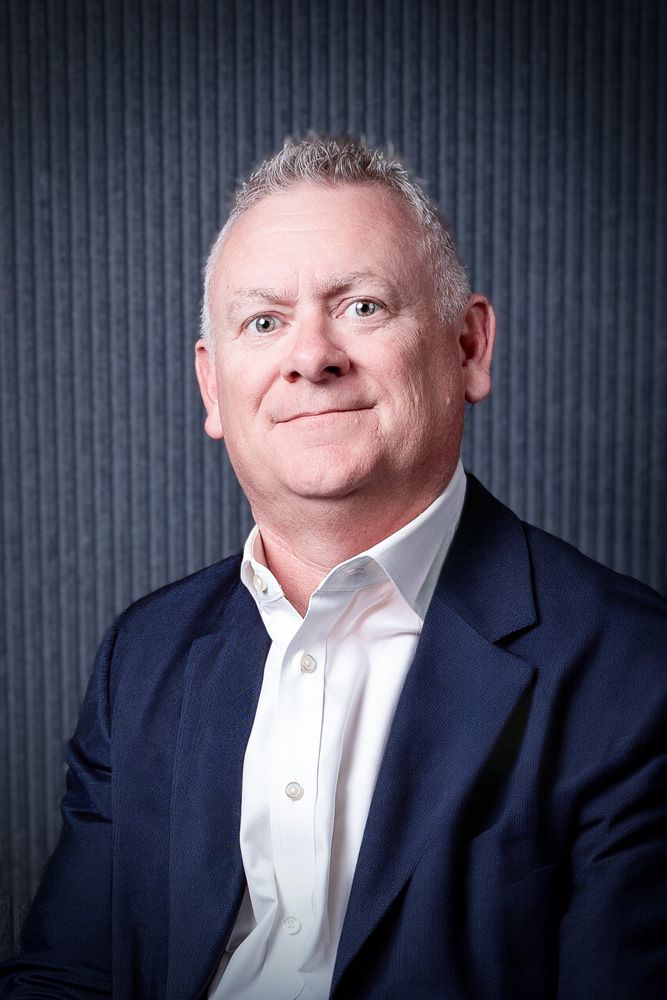
Mick McLaughlin Is Selling Crypto’s Least Crypto Idea: Own the Index
After helping ETFs become ordinary, Mick McLaughlin has taken on a stranger assignment: making crypto boring enough for a portfolio meeting - without pretending the risk has disappeared.
Celerity Found a Business in the Mess Behind the Meter
Utilities rarely lack data. They lack clean, connected evidence they can trust when a regulator, a wildfire or a courtroom raises the stakes. Celerity built its business in that gap.
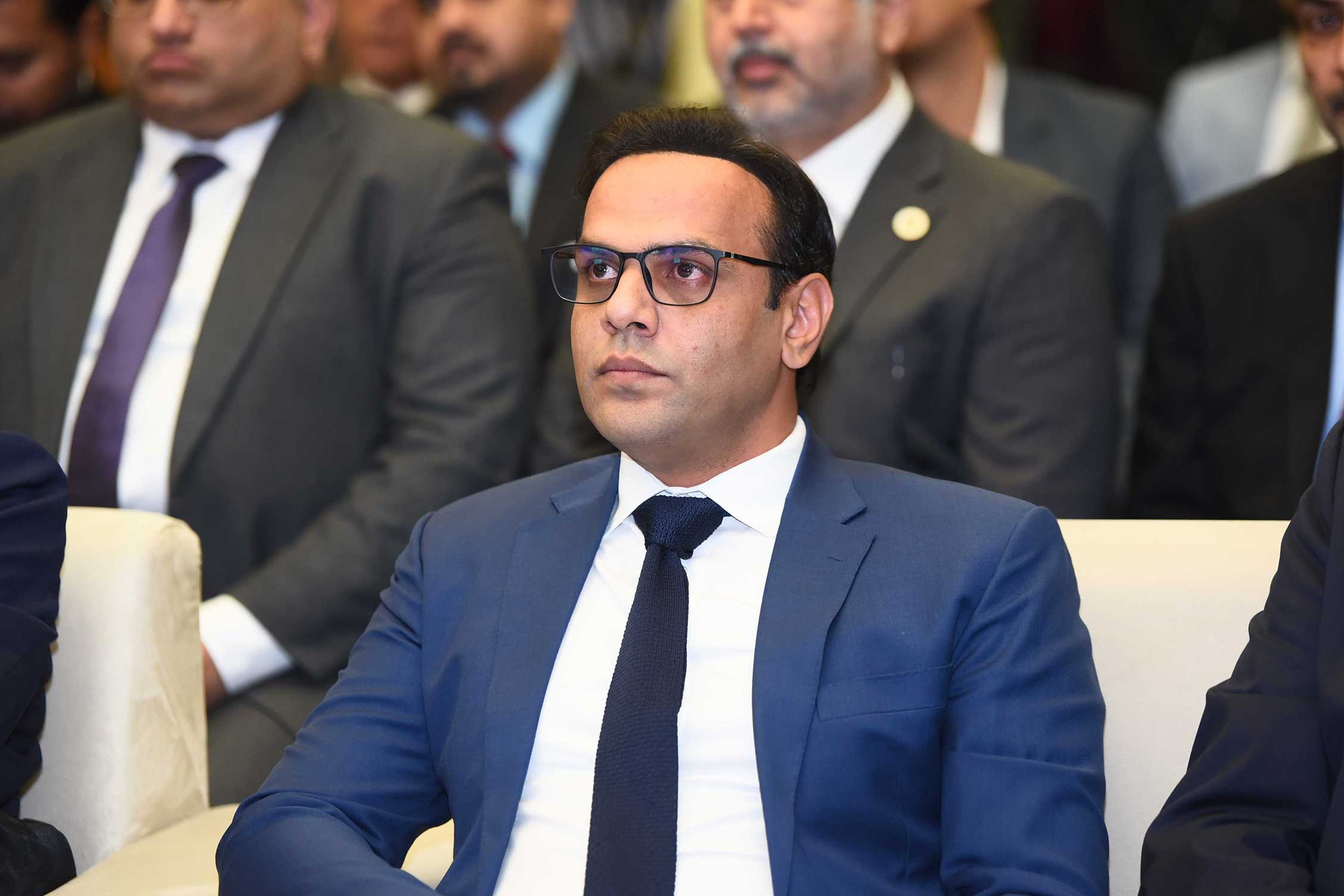
Shamoon Tariq Is Turning Pakistan’s Mattress Money Into a Market
After years investing across frontier markets from Sweden, Muhammad Shamoon Tariq returned to a harder brief: make regulated saving ordinary in Pakistan. Mahaana’s digital accounts, Islamic funds and retirement platform are his attempt to replace paperwork and inertia with a habit.

Diego Leiva Has Spent Five Decades Reading What Comes Next
From a 1966 arrival in New York to a public telecommunications company and a second act in Florida land, Diego Leiva’s career is a study in translation - between countries, industries, and the numbers beneath an opportunity.
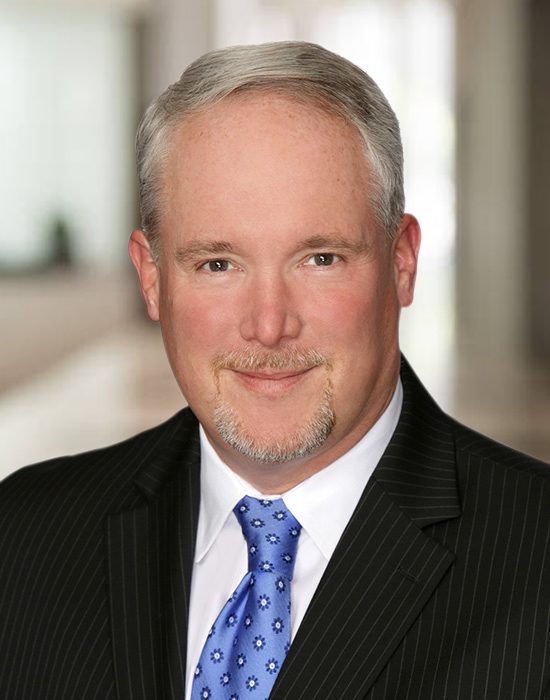
Mark Goodwin Built a Fund Platform for Managers the Market Missed
An accountant turned asset-management operator spent decades learning where good investment teams get stuck. His answer was North Square - a bridge between boutique managers, financial advisers, and the portfolios they are trying to improve.