autophagy
(4)
PAQ Therapeutics
PAQ Therapeutics is a clinical-stage biotechnology company in Burlington, Massachusetts developing a new class of small-molecule degraders that harness autophagy, the body's natural cellular recycling system, to destroy disease-causing proteins. Its proprietary ATTEC (autophagosome-tethering compound) platform aims to eliminate targets that traditional inhibitors cannot reach. The company's lead programs are KRAS degraders - PT0253, a selective KRAS G12D degrader, and PT0511, a pan-KRAS degrader - both in Phase 1 clinical trials for lung, colorectal and pancreatic cancers driven by KRAS mutations.
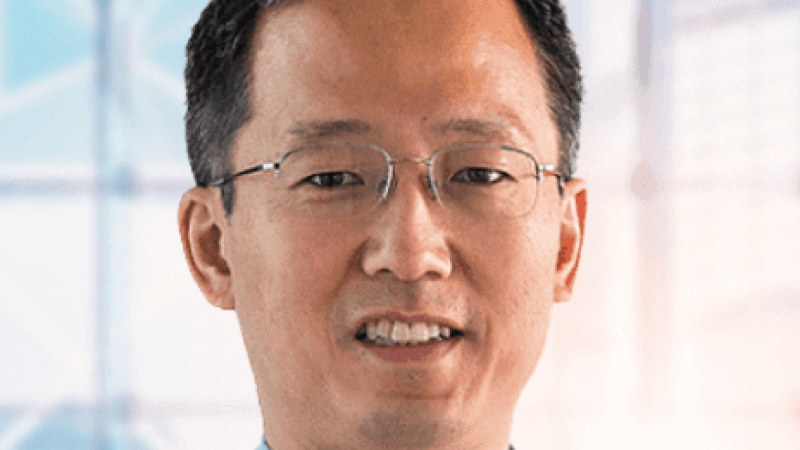
Nan Ji
Nan Ji is co-founder, president and CEO of PAQ Therapeutics, a Burlington, Massachusetts clinical-stage biotech pioneering autophagosome-tethering compounds (ATTECs) to degrade KRAS and other 'undruggable' disease drivers. A Harvard-trained organic chemist with 30+ patent applications, he spent seven years at Novartis, helped build Kymera Therapeutics from seed stage as VP of Chemistry, and launched PAQ in 2020 to hijack the body's natural cellular clean-up machinery for cancer and neurodegenerative disease.
Retro Biosciences
Retro Biosciences is a clinical-stage longevity biotech in Redwood City, California with a single, unsubtle goal: add ten healthy years to the human lifespan. Founded in 2018 and launched publicly in 2021 with $180 million from OpenAI CEO Sam Altman, the company attacks aging at the cellular level across three platforms - autophagy enhancement, cellular reprogramming, and plasma-inspired therapeutics. Its lead drug, RTR242, an autophagy-restoring small molecule aimed at Alzheimer's disease, entered a first-in-human Phase 1 trial in 2025. A 2026 raise valued Retro at $1.8 billion.
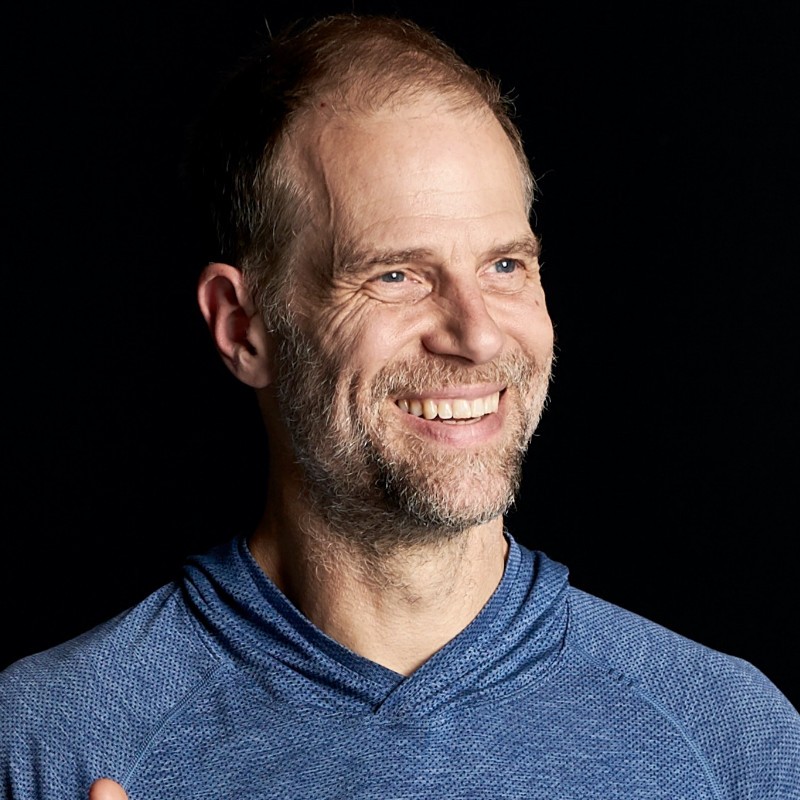
Joe Betts-LaCroix
Joe Betts-LaCroix is the co-founder and CEO of Retro Biosciences, a San Francisco longevity biotech on a mission to add 10 healthy years to the human lifespan. A scientist-turned-serial-entrepreneur who once held a Guinness World Record for building the world's smallest Windows PC, he now leads a company backed by OpenAI's Sam Altman, valued at $1.8 billion in 2026, that has run an Alzheimer's clinical trial and co-developed a longevity-focused AI model with OpenAI. He came to biology by an unlikely route: a D-average high schooler who tinkered in shared houses, then earned straight A's, transferred to Harvard, and did research at MIT and Caltech before co-discovering principles of electron transfer in proteins.