Consider the moment an accelerator wins funding. The proposal has done its job. Someone has approved a budget. Then a different set of questions arrives: who will teach the entrepreneurs, how will the programme recognise progress, and what happens when a promising idea encounters an unhelpful institution? New Silk Roads has made a practice of working across that awkward handover. The interesting thing about its fundraising is how often it leads into something else.
- The work: fundraising, learning, research, events, and impact evaluation.
- The customers: foundations, NGOs, accelerators, and impact-driven businesses.
- The useful lesson: design the programme and its feedback while designing the pitch.
The proposal is only the opening scene
Take the Green Growth and Jobs Accelerator Project. New Silk Roads says it helped Flat6Labs prepare a $3.5 million tender for its first multi-year regional programme. The four-year initiative supports SMEs growing sustainably and creating decent jobs for young people. New Silk Roads’ assignment extends into accelerator design, monitoring frameworks, team development, and multilingual courses on innovation, impact measurement, and access to finance.
That combination explains the agency better than the phrase “boutique consultancy.” A grant writer can improve a submission. A trainer can improve a workshop. Here, the same organisation helps connect the promised result to the people and processes expected to produce it. The tender amount describes the programme opportunity; it should not be mistaken for the consultancy’s fee.
- 01 DesignDefine the change
- 02 FundBuild the proposal
- 03 DeliverEquip the team
- 04 LearnMeasure and adjust
Its market sits between philanthropy and implementation. Buyers include development organisations and foundations; beneficiaries may be entrepreneurs, cultural workers, or young people seeking employment. Alternatives are familiar: an internal programme team, a fundraising specialist, an evaluator, a facilitator. New Silk Roads’ distinguishing proposition is the overlap among those disciplines, combined with sustained work across Europe and North Africa.
A room is a piece of infrastructure
In 2024, New Silk Roads and Hivos helped launch Green Growth Summit events in Tunis and Cairo. Cairo hosted another edition in 2025. The agency reports more than 600 participants across the three gatherings and approximately €100,000 in additional sponsorship. The point of gathering was to connect green enterprises, climate finance, and the institutions shaping their prospects.
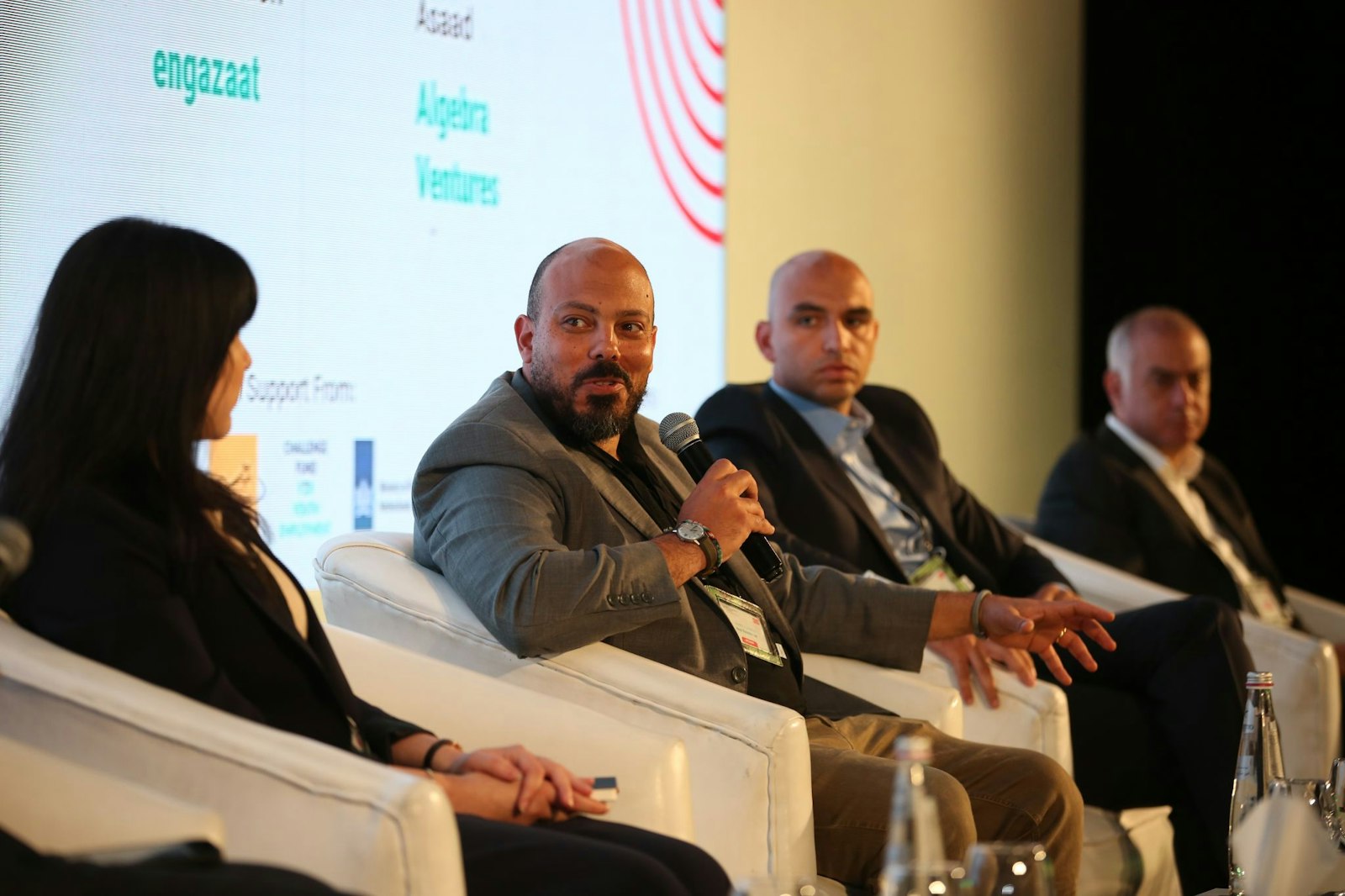
Hivos’ account supplies a more concrete picture of the first Cairo summit: four live investment deal rooms involved some 35 investors and funding institutions. A task force with UNDP Egypt brought donors and development partners into coordination. These are useful distinctions. Attendance measures a room’s popularity; introductions and working arrangements describe what the room might make possible.
This helps explain why event curation appears alongside fundraising and research on the agency’s service list. A green company’s problem may involve several actors who rarely meet. Convening creates a place to compare constraints before anyone offers a solution. Sponsorship supports that work, though it is a separate figure from the gathering’s total cost.
Art has opinions about your spreadsheet
The same question of fit appears in New Silk Roads’ work for DOEN Ventures. With 100 Funds, it interviewed more than 40 investors, artists, and cultural entrepreneurs about impact investment in the cultural and creative sector. The resulting feasibility study asks how finance can accommodate organisations whose value is partly social, partly cultural, and sometimes commercially viable.
Its recommendations resist the convenience of a standard investment timetable. Cultural ventures need patient capital, credible sector expertise, and a voice in decisions. A mix of grants, loans, and equity may serve them better than one instrument imposed on every organisation. An investor who expects a quick exit may find the arrangement frustrating; a practitioner who fears losing control has equally good reason to hesitate.
“A fund can only succeed if it has credibility within the sector.”DOEN cultural investment feasibility study
The practical lesson is available well beyond the arts: involve the people who understand the work when designing its finance. New Silk Roads now describes advising DOEN Ventures, Moleskine Foundation, and Opes Impact Fund on fund development, sourcing cultural ventures, and introductions to potential investors. Research becomes an input to the next decision.
The classroom travels; the questions stay local
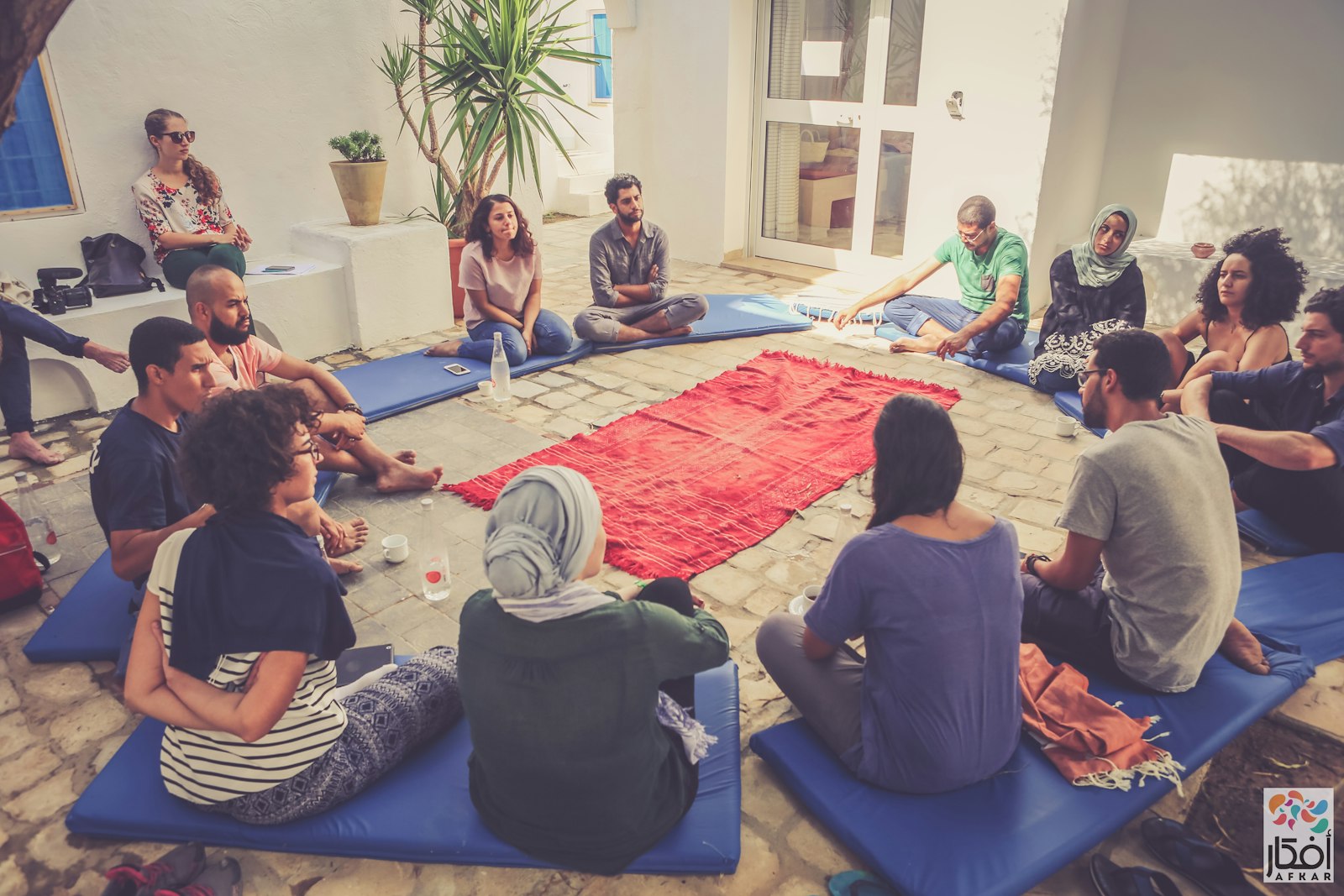
Founded in 2013 by Arthur Steiner and Helga Delaere, the organisation takes its name from historic routes of exchange. Its Afkar Fellowship offers an early example: fourteen North African changemakers received coaching in leadership, fundraising, communication, and filmmaking during 2017-2018. The cohort included a gallerist, a calligrapher, a technologist, and an LGBTQI+ activist. What Took You So Long and Wasabi helped deliver it, with Swedish Institute support.
The agency also produces online fundraising courses in English and Arabic, combining programme design, funder communication, and evaluation. Its research on digital jobs for women in Egypt, Jordan, Tunisia, and Morocco considers workplace culture, career pathways, and returning after maternity alongside skills. The report explicitly treats its findings as indicative, given its sample and scope. Training alone cannot settle every employment barrier.
Keep the feedback in the budget
Evaluation is the other half of this practice. For Hivos’ GreenWorks programme, New Silk Roads used desk research, interviews, and more than 400 online and telephone surveys. That is a different kind of conversation from the one in a proposal: it asks what happened after resources arrived. The agency also trains organisations to establish their own monitoring and learning frameworks.
14projects
20clients
6countries
The 2024 annual report describes a deliberate move toward longer projects, stronger research capacity, and a broader range of services as donor priorities shifted. By 2026, its portfolio includes a global learning community for Fondation Botnar. For a prospective client, the useful starting point is a specific bottleneck: a fundable programme, an underprepared team, disconnected partners, or uncertain results. New Silk Roads’ appeal lies in examining how those problems affect one another.