The useful gift was a bookkeeping manual. Safeplan Uganda, which works with women and young people on livelihoods, needed help with the business machinery behind its mission. Through MovingWorlds, it connected with a volunteer who could help with strategy. When the conversation turned to accounting software, he recognized the limits of his expertise and brought in someone better suited to that part of the job: his wife.
There is something reassuringly unglamorous about this. Social enterprise has no shortage of stirring speeches. It also needs financial procedures, customer research, and people who can make a spreadsheet intelligible to the next person opening it. MovingWorlds has built a company around getting that kind of help to organizations that need it.
Its proposition brings three constituencies together: enterprises pursuing social or environmental goals, professionals willing to contribute expertise, and companies supporting employee development and social impact. The interesting part is what happens after the introduction. A useful engagement must turn a broad request for help into work the local organization can actually use.
A day job becomes a donation
MovingWorlds calls its approach “Experteering,” a combination of expertise and volunteering. At its public platform launch in October 2014, the offer had an unmistakable travel component: professionals could find organizations around the world that needed their skills. Hosts did not charge them to volunteer and could offer local benefits, including accommodation. MovingWorlds charged a membership fee for access, support, and preparation.
The idea had grown out of a meeting in Buenos Aires. Mark Horoszowski had spent a year traveling and volunteering after working in accounting and marketing. Derk Norde brought experience in impact investing. They shared an interest in what helped social enterprises function once the fundraising conversation was over.
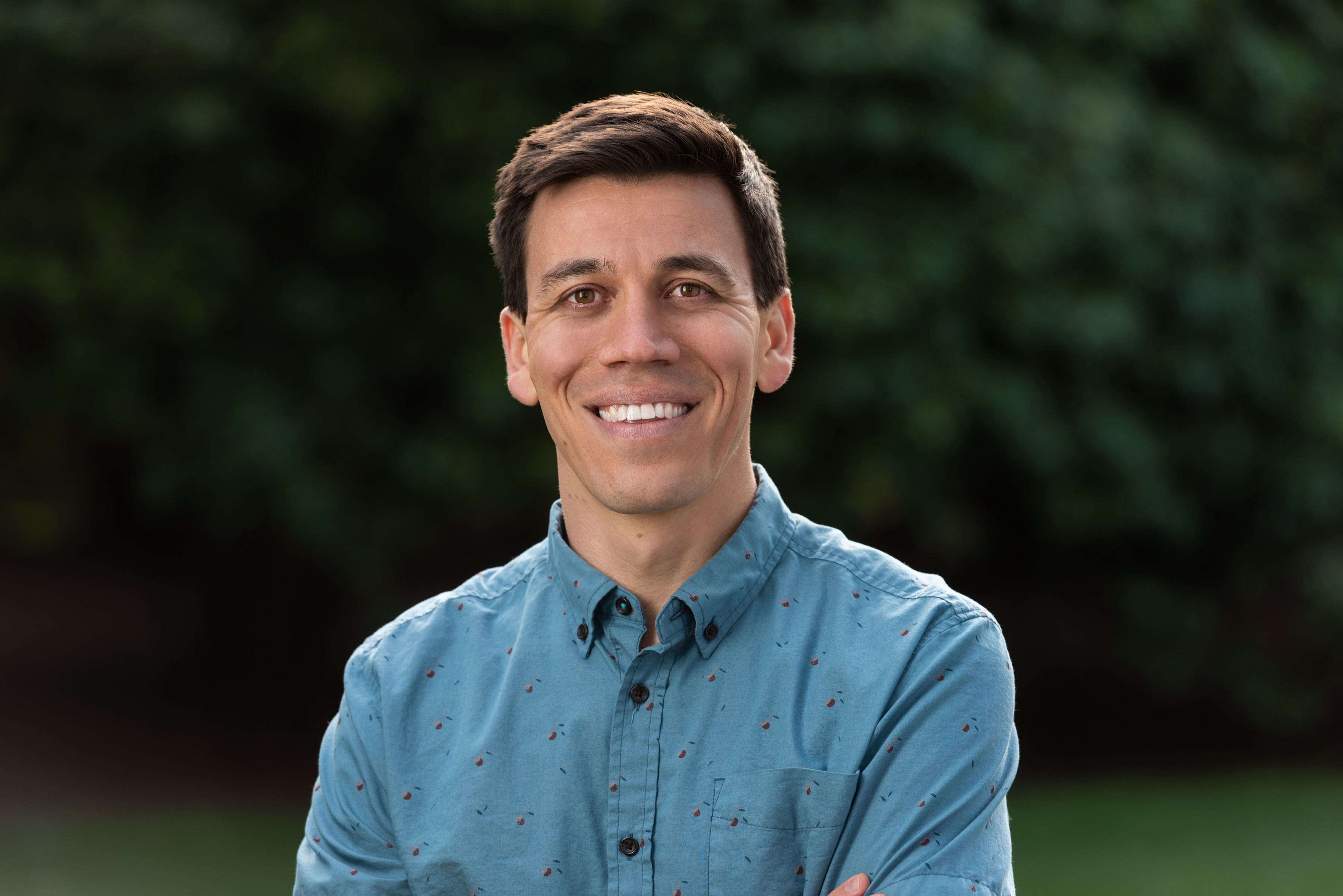
Their early research encountered skepticism about overseas volunteering, including concerns about voluntourism and unequal relationships. In a Causeartist interview, Horoszowski described engaging with those objections while designing the service. That history matters: the host organization needs to have a say in what happens. A visitor’s enthusiasm is a poor substitute for a locally useful project.
By 2015, another obstacle was plain. Working professionals could want to help and still struggle to take time off. MovingWorlds’ account of its 2014 results identified absence from work as a major barrier. Working with employers offered a way to address that constraint while giving companies a practical setting for leadership development.
The first thing to fix is the brief
The matchmaking problem was more awkward than a directory could solve. In a 2015 explanation of its membership guarantee, MovingWorlds described a circular hesitation: professionals wanted to see a suitable project before committing, while organizations found it difficult to define a project before seeing someone’s experience. The company responded with individual matching support and, under its then-published terms, a refund guarantee.
That is a useful clue to where its expertise sits. MovingWorlds operates a platform, but the work includes vetting organizations, helping participants prepare, and getting both sides to agree on scope. Its published process asks participants to plan together and complete training before beginning. The introduction opens the conversation; it does not settle it.
“Initially, we thought we needed a new tool”
Emmanuel Ssekitto Kaule, Faces Up Uganda
MovingWorlds project testimonial
Faces Up Uganda offers a neat example. Its discussions with SAP consultants revealed that it already had appropriate tools. What it needed was a way to interpret and visualize impact data and produce individual participant reports safely. The project became a response to that need. For any manager about to buy another software subscription, there is a familiar sting in the story.
The lesson is easy to copy: write down the decision a tool should help someone make before shopping for the tool. An outside specialist can be useful precisely because the initial request is open to revision.
Free support has a paying side
Today, eligible social enterprises can access the MovingWorlds Platform without a participation charge or an equity stake. Its support model is ongoing and available as needs arise, rather than organized around a fixed graduation date. The stated emphasis is helping enterprises build earned revenue through partnerships.
Someone still has to pay for the matching, training, and support. MovingWorlds describes itself as a for-profit social purpose company and identifies corporate programs and individual career-development programs as its principal revenue drivers. Corporate partnerships help fund free enterprise participation. The arrangement gives different customers different reasons to be there.
For companies, the offer includes employee volunteering and leadership development. For professionals, the MovingWorlds Institute Global Fellowship combines a six-month learning program with coaching, connections, and a practical project. Its employer guide describes a format designed to fit alongside a full-time job, with work on subjects such as human-centered design and systems mapping.
The company’s own financing had an unusual design, too. In May 2014, GeekWire reported a $375,000 seed round involving the Seattle Impact Investing network and Investors Circle. A revenue-based share-buyback instrument linked investor repayments to company revenue and the repurchase of shares. The arrangement was intended to offer returns without requiring a large acquisition.
Pricing also changed with delivery. In June 2020, when the fellowship moved online, MovingWorlds announced a tuition reduction from $4,600 to $3,600, alongside expanded scholarship support. Those are historical prices. They show how removing an in-person kickoff changed the economics of a program that asked individuals to invest in their careers.
The work also shapes its internal culture. MovingWorlds describes a distributed team and a hiring process built around anonymized application reviews, predefined assignments, and structured interviews. Those are concrete choices for a company selling judgment across borders. Its staff have to help people with different professional habits agree on what a project needs, which makes consistent preparation part of the service itself.
The bees need a back office
Safeplan’s project makes those abstractions tangible. Volunteer Jack Roberts could handle strategy, but identified his wife Ellie as better suited to the accounting work. Feedback from Safeplan’s team changed the proposed outputs: technical constraints made printable finance and strategy documents useful. The resulting work included a bookkeeping manual, strategy support, and a checklist for potential funding assessments.
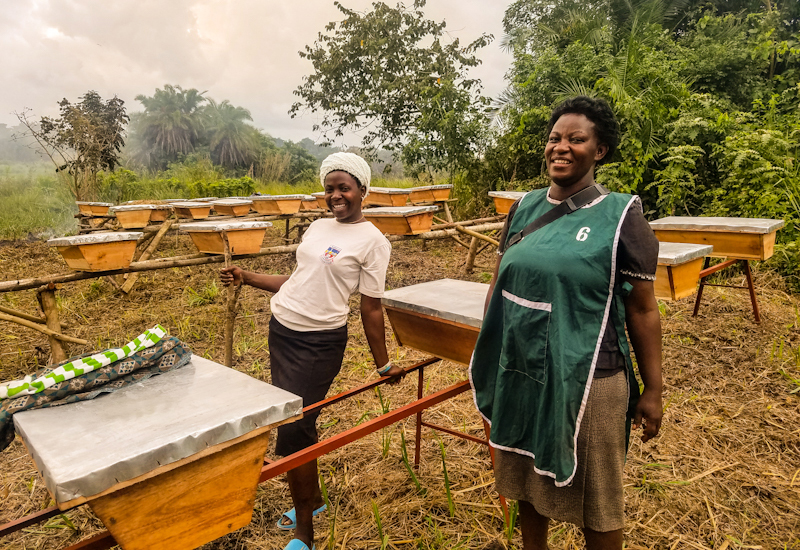
Before finishing, the volunteers assembled guidance for using and maintaining the work. A further need, impact measurement, became another project request. That handover is an instructive definition of success: the first engagement made the next piece of work easier to identify.
Other published examples cover ordinary business problems across different missions. A Reckitt consultant helped Yolele Foods prioritize competing demands on its team. An EY coach helped Kadana Foundation develop a stakeholder engagement plan. These are recognizable management tasks, even when the organizations doing them have unfamiliar names or operate far from the volunteer’s office.
From an introduction to a customer
The company’s programs have followed that broader view of support. In 2020, MovingWorlds and SAP launched S-GRID to help social enterprises develop revenue through corporate partnerships. In 2022, programs came together in the TRANSFORM Support Hub with SAP, Unilever, and TRANSFORM. The offer brought professional expertise into a wider network of enterprise support.
By June 2025, the branding needed its own intervention. MovingWorlds said people were asking whether the hub was a separate platform or program. It consolidated the name into the MovingWorlds Platform, keeping accounts, projects, and support in place. The change addressed confusion about how to enter a service already running on its technology.
In a July 2025 Impact Boom interview, Horoszowski described asking volunteers to look for market opportunities after completing a project. Could they introduce the enterprise to a buyer or commercial network when they returned to their day job? That extends the value of a professional relationship beyond the hours written into a brief.
MovingWorlds occupies a space between volunteer matching, professional education, and business support. Catchafire is a relevant alternative for nonprofits seeking skilled volunteers through defined projects and consultation calls. MovingWorlds’ emphasis on social-enterprise revenue and corporate connections makes its proposition distinctive. The choice depends on whether an organization mainly needs a bounded task completed or wider help developing its business.
Count the hours. Then inspect the handover.
A January 2025 company impact report recorded 2,470 projects, 265,100 volunteer hours, and $51.7 million in estimated donated-service value. Those figures describe activity and an estimated value of professional time. They should not be read as MovingWorlds’ revenue, money paid to enterprises, or a measured increase in their sales.
The practical test is closer to the ground: can the team use the work? In a Stanford Social Innovation Review article, Norde and colleague Cami Hagen argued for planning directly with host organizations and defining successful outcomes a year after a project ends. A presentation delivered on time is only one checkpoint.
MovingWorlds’ published enterprise criteria favor organizations already operating: legally registered, earning some product or service revenue, tracking impact, and employing at least one full-time team member beyond the founder. That makes sense for support requiring someone to collaborate and implement. An idea without an operating team, or an organization needing immediate cash, presents a different problem.
The approach also needs realistic scope, available staff, and a willingness to change the initial request. A specialist cannot supply local understanding by arrival alone. The useful habit for readers to borrow is modest: begin with the organization’s bottleneck, agree on what success looks like, and leave instructions someone else can follow. Sometimes that produces a market introduction. Sometimes it produces a finance manual that finally gets used.
Keep exploring
Visit the MovingWorlds website, explore enterprise support, or browse its blog. Read the 2014 funding report and the Impact Boom interview.
Watch Small & Gutsy’s MovingWorlds interview or visit its YouTube channel.