social-enterprise
(56)
Charlie Wilkie Is Teaching Corporate Goodness to Survive the Algorithm
Across the Guardian, Upworthy, HuffPost and 3BL, Charlie Wilkie has built a career around a stubborn question: how can worthy ideas earn attention without losing their worth? His latest answer treats AI not as a writing trick, but as a new arena for trust.

Girl Power Talk Bets the Client Brief on the Person With the Shortest Résumé
The Mohali social enterprise sells serious digital work to global clients, then hands meaningful responsibility to young people whom conventional employers might still be asking to fetch coffee.
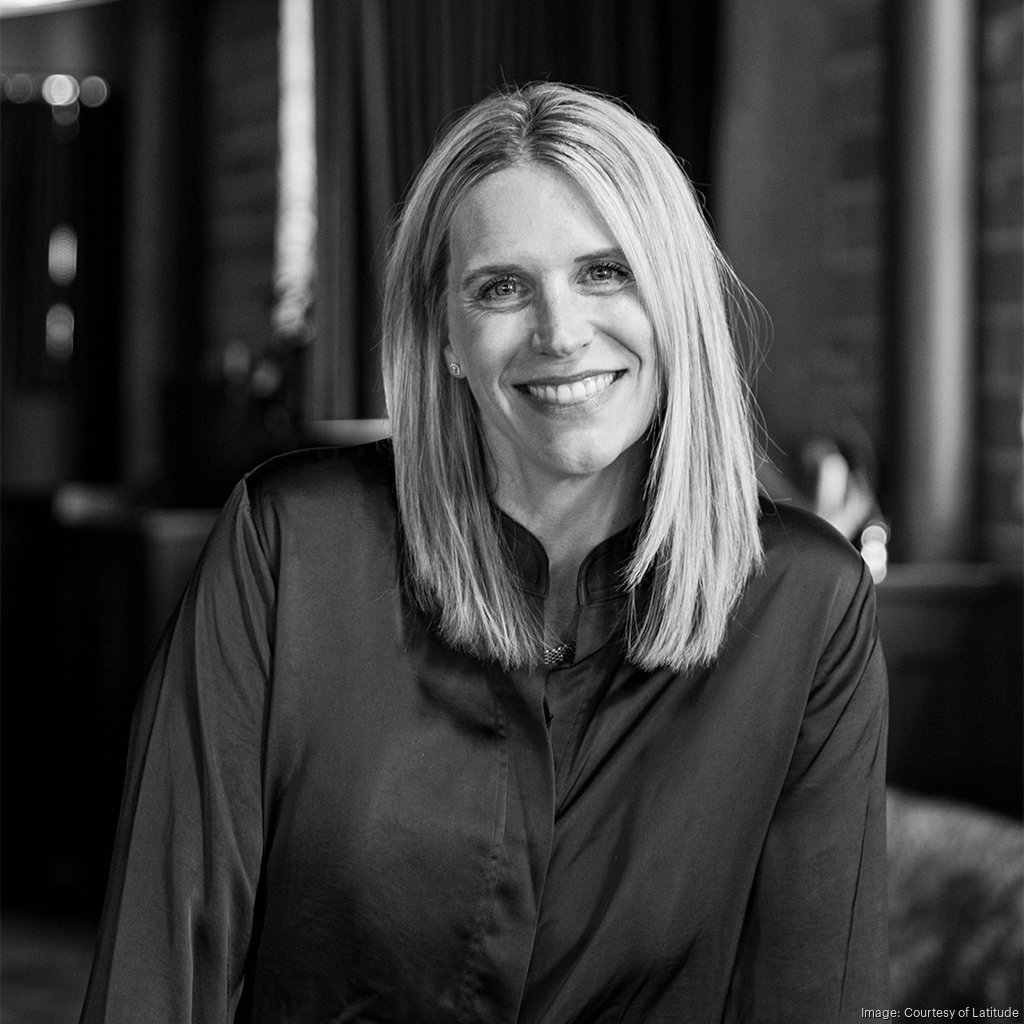
Allison Checco Has One Year to Make Latitude Twice as Big - Without Making It Ordinary
The Minneapolis agency chief is pursuing a rare double act: nearly doubling the team while protecting the independent culture and profit-sharing mission that made Latitude worth leading.

Rachita Sharma Bet Her Name on a Fairer Kind of Work
At thirteen, she dropped a surname to reject an inherited advantage. Years later, Rachita Sharma built a company around the same wager: judge young people by what they can become.
Remarkable Built an Accelerator Around the People Tech Usually Meets Last
A rough solar-powered wheelchair revealed a polished idea: disability-led inventions need more than applause. Remarkable built the training, capital and human feedback loop to help them become businesses.
Impact Hub Harare is building the business after the bright idea
A promising prototype still needs customers, skills and somewhere to work. In Zimbabwe, Impact Hub Harare has made that awkward next step its business.
Rethink Ireland’s big bet: good causes need good operations
Cash gets a social project started. Rethink Ireland adds the planning, people and practical support that help it grow - with government and private donors sharing the bill.
HOPin Academy Is Building a Reason to Stay in Northern Ghana
In Tamale, HOPin Academy puts business coaching, digital skills and a footballer’s Plan B within reach. Its bet: young people should be able to build a future without leaving home to find one.
SIA wants Pakistan’s good ideas to become working businesses
From olive-oil marketing in Balochistan to startup grants and a women-led enterprise summit, Social Innovation Academy is working on the unglamorous parts of social change: skills, customers and connections.
MovingWorlds puts your day job to work for social good
A Ugandan enterprise may need a finance manual more than another pitch competition. MovingWorlds connects it with people who know how to write one - and companies willing to support the work.

YTG takes green ideas from the classroom to the factory floor
The Cairo consultancy grew out of youth environmental education. Today, its work connects startup coaching, industrial efficiency and the awkward business of making sustainability pay.
Kosovo’s startup scene needed a home. ICK opened the door.
Innovation Centre Kosovo brings founders, skills training and international connections under one roof. Its next test is making that support last beyond the donor cheque.
IMPAQTO opened a coworking space. Then it started writing checks.
The Ecuadorian company built a business around the things impact entrepreneurs kept missing: a place to work, practical help and capital that fits. Its most revealing move was becoming a lender itself.

AIC-Nalanda gives Odisha’s startup ideas a place to get real
Inside a Bhubaneswar incubator where prototype benches, patent advice and investor introductions share an address - and the next intake of innovators could still be in school.

Praxis Wants Founders to Count the Cost of Doing Good
The Christian venture builder pairs startup coaching with a demanding idea: someone has to bear the cost of helping others. Its fees, funding, and one unusual pivot show how that idea becomes a business decision.
AwakenHub wants women on both sides of the cheque
The all-island founder community has built a route from first business questions to investor introductions. Its next challenge is turning those connections into customers, capital and companies that can travel.
IIMV FIELD puts women at the business end of incubation
The Visakhapatnam incubator pairs management expertise with prototype money and patient mentoring. Its next test: helping 150 women-led rural enterprises build bigger businesses.
Patients Know Best wants your medical record to follow you
Eight million patients have registered with a company built around a stubborn idea: the person receiving care should control a copy of the record. Making that work means changing how hospitals buy software, share information and involve patients.

Beam stopped passing the hat. Now it sells time back.
The company that crowdfunded routes out of homelessness now sells AI tools to frontline services. Its wager: less paperwork can buy more time for people.

The School Gates Open at 6pm - and Vivify Venues Starts Its Second Shift
A Manchester company has built a business around the hours when classrooms, pools and pitches would otherwise sit quiet. Its cleverest product is not the booking software alone - it is the operational machinery that makes a locked school usable after dark.

Mike Mann Bought a $70 Name and Built a Life Around What Words Are Worth
A teenage runaway became an internet merchant by noticing that a good name could be both a map and an asset. Three decades later, Mike Mann still sells words for a living - and measures the work by what those words can fund.
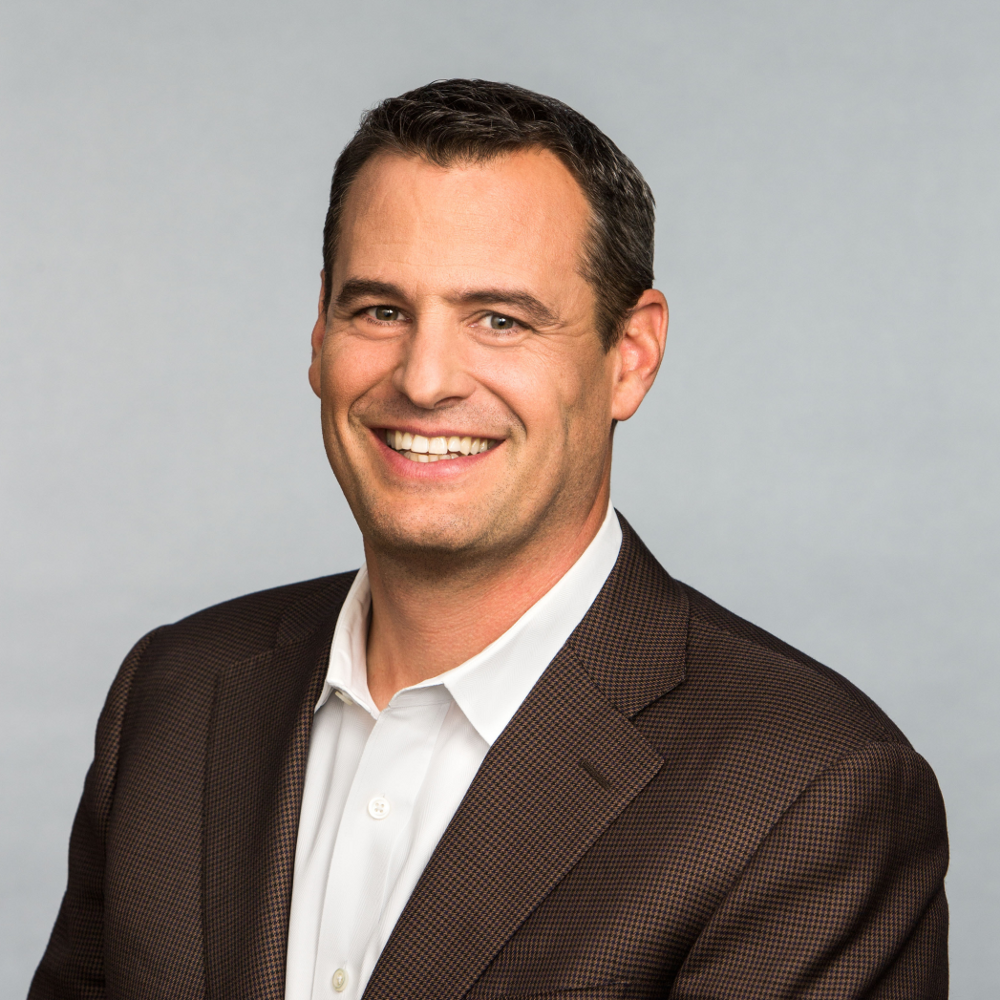
Rob Acker Spent 24 Years Selling the Cloud. Now He Wants to Make It Understand Itself.
The former Salesforce.org chief has returned to a problem he first noticed in the cloud’s early days: access to software is easy; making it work well is the difficult last mile.
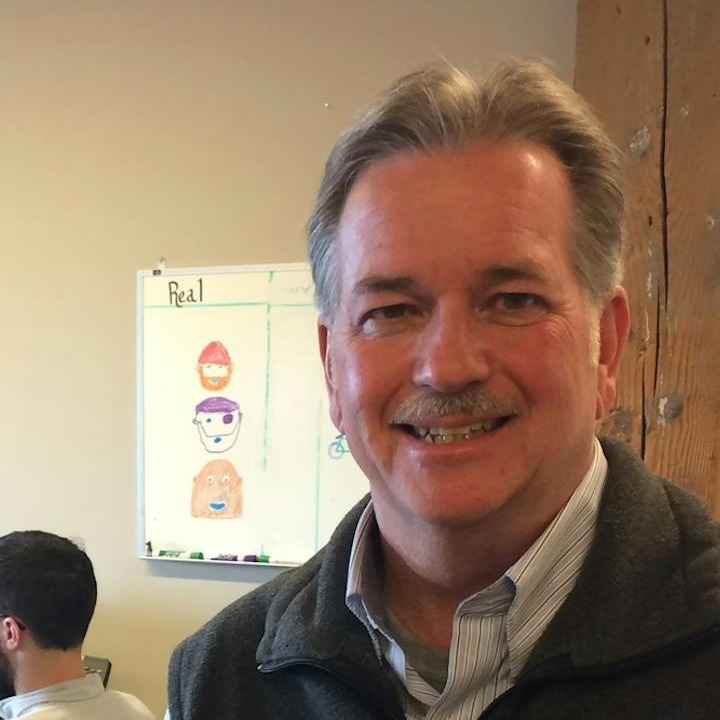
Chris Hanson Built a CRM for People Who Have Better Things to Do Than Wrestle With Software
Before SaaS had a name, Chris Hanson and Mark Paquette put nonprofit relationship management on the web. Twenty-eight years later, Hanson is still asking the same practical question: can better tools leave more time for the mission?
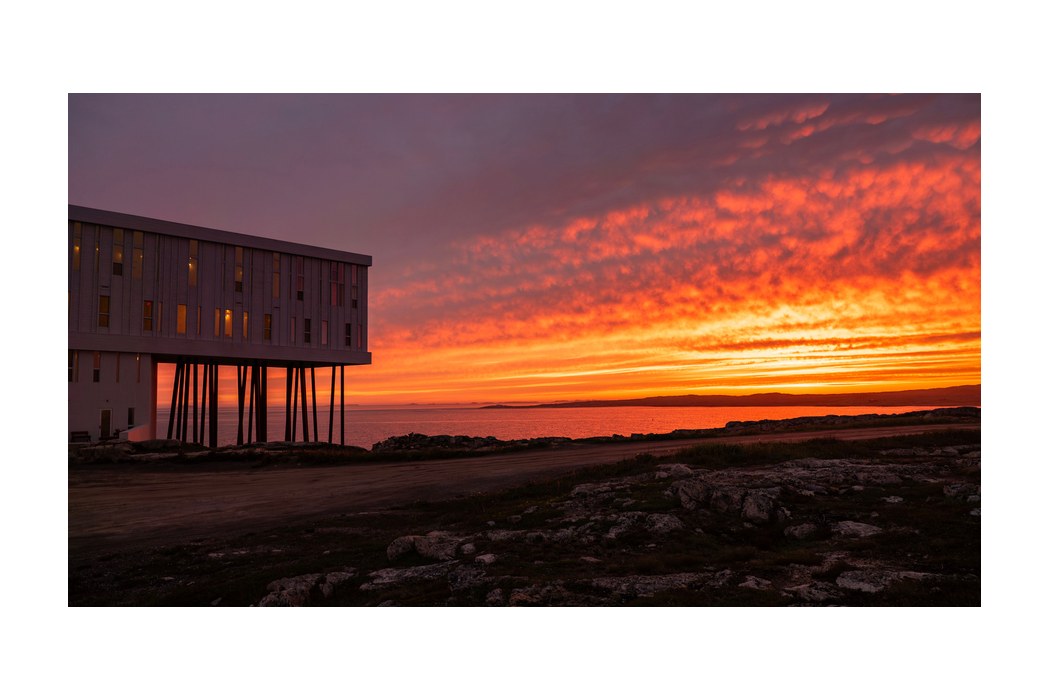
The $41 Million Hotel That Gives Its Profits Back: What Fogo Island Inn Can Teach Any Town Betting on Tourism
A remote Newfoundland community spent CA$41 million on 29 rooms, then removed private profit from the equation. The result is a luxury hotel whose most interesting amenity is an economic model other places can actually borrow.
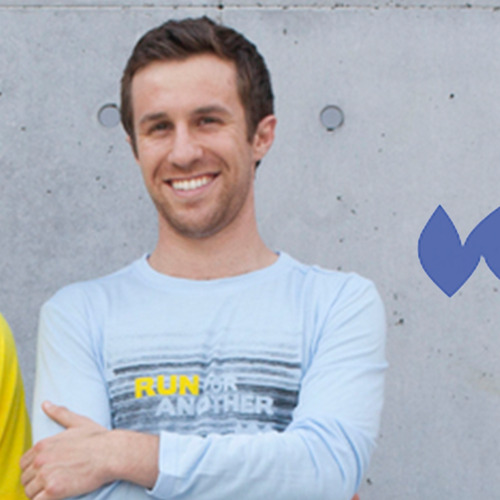
Dave Spandorfer Built Janji for the Long Run
A hot 10K, a borrowed business education and years spent fixing the product turned a student idea into Janji. Now its co-founder is testing what a mission-led running brand can promise next.

Pacha Soap Built a $30 Million Business on Better Bars - Then Killed a Brand to Find Its Next Customer
A dorm-room crockpot became a national natural-care business by making soap look irresistible and its supply chain matter. Now Pacha is testing a harder proposition: whether a mission-led manufacturer can retire yesterday's story, fix the products customers gripe about and earn a younger shopper without losing the people who got it here.

Neopenda Went to an Equipment Graveyard and Built the Baby Monitor Hospitals Would Actually Use
A student project became neoGuard only after Sona Shah and Teresa Cauvel saw why donated hospital equipment was collecting dust in Uganda. Their harder lesson was that a device clinicians want is not automatically a device health systems will buy.
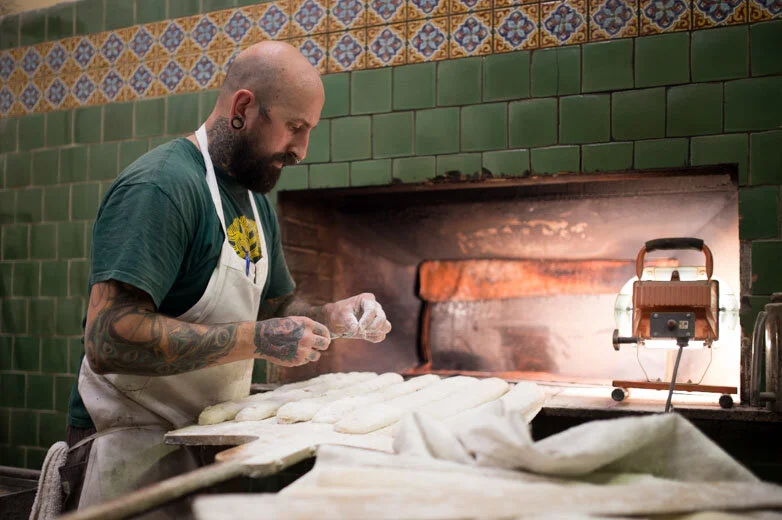
Matt Kreutz Bakes Bread for the Long Shift
He started with a bagel-shop work permit, survived the bakery's leanest years, and eventually put 51 percent of Firebrand into a purpose trust. For Matt Kreutz, bread is a durable way to make a good job.
Acumen Made Patience an Investment Strategy
For 25 years, Acumen has financed the awkward stretch between a promising idea and a market that works - pairing risk-tolerant capital with leaders willing to build for communities most investors overlook.
The Private Equity Firm That Refuses to Separate the P&L From the Point
One Planet Group owns the machinery that turns consumer intent into revenue, then uses the same operator’s discipline to back early-stage ideas. Its wager is unusually explicit: profit and purpose should share a balance sheet.