She started by fixing children's eyesight. Now she decides which life-saving devices reach the clinics nobody else stocks.
Maternova sells the unglamorous middle of global health. Not the breakthrough in a lab, not the donation in a headline - the part where a vetted fetal doppler, a bilirubinometer, a non-pneumatic anti-shock garment actually has to be researched, sourced, paid for, and shipped to a clinic working on a budget that wouldn't cover a week of rent in Providence. Since March 2023, the person deciding what earns a place on those shelves is Dr. M. Gabriela Salvador.
She runs the company from 10 Davol Square in Providence, Rhode Island, but the job is global by design. Maternova built the first e-commerce marketplace aimed squarely at distributors, governments and humanitarian organizations - the buyers who need trusted maternal and neonatal products and have nowhere convenient to get them. Salvador's pitch is blunt about the gap it fills. "Too often, health issues that women and children face around the world can be prevented or treated with products that are not available to them," she said on taking the role. The fix she describes isn't invention. It's access.
That framing comes from someone who has watched the gap from both sides of it. Salvador is a physician first - a pediatric ophthalmologist, trained to operate on the eyes of children, who practiced in Argentina, the United States and Mexico before the operating room started to feel too narrow for the problem she wanted to solve. The pivot wasn't away from medicine. It was toward the machinery that decides whether medicine ever arrives.
Before Maternova, she spent two decades inside the institutions that try to close that distance. As Chief Health and Human Development Officer at Pro Mujer, she led the operation of 100 health clinics spread across five countries in Latin America. At the Grameen Foundation and Freedom from Hunger, she served as senior director of health. At Americares, she ran global operations as senior vice president, the unshowy work of standardizing how country offices function so that help is repeatable rather than heroic.
The throughline across all of it - the clinics, the foundations, the marketplace - is the same patient: women and children living in poverty, in the places where a missing product is the difference between a routine outcome and a fatal one. Salvador talks about Maternova as "strategically positioned to make proven, innovative products available to this historically underserved market." Read past the corporate cadence and it's a thesis about logistics as a moral act.
There's a tell in her resume that's easy to miss. She didn't stay in any one lane long enough to coast. Pediatric ophthalmologist. Health officer. Senior director. SVP of global operations. CEO. Each title is a different altitude on the same mountain, and she kept climbing toward the view where one decision touches the most people. The companies changed; the patient never did.
It helps to remember where she started geographically. Salta sits in the high northwest of Argentina, closer to the Andes than to any coast - not the kind of place that hands you a launchpad to Harvard and a marketplace headquartered in New England. The distance she traveled, from a provincial Argentine city to running global health logistics out of Providence, is its own quiet argument for the thing she now sells: talent and need are everywhere; access is the variable.
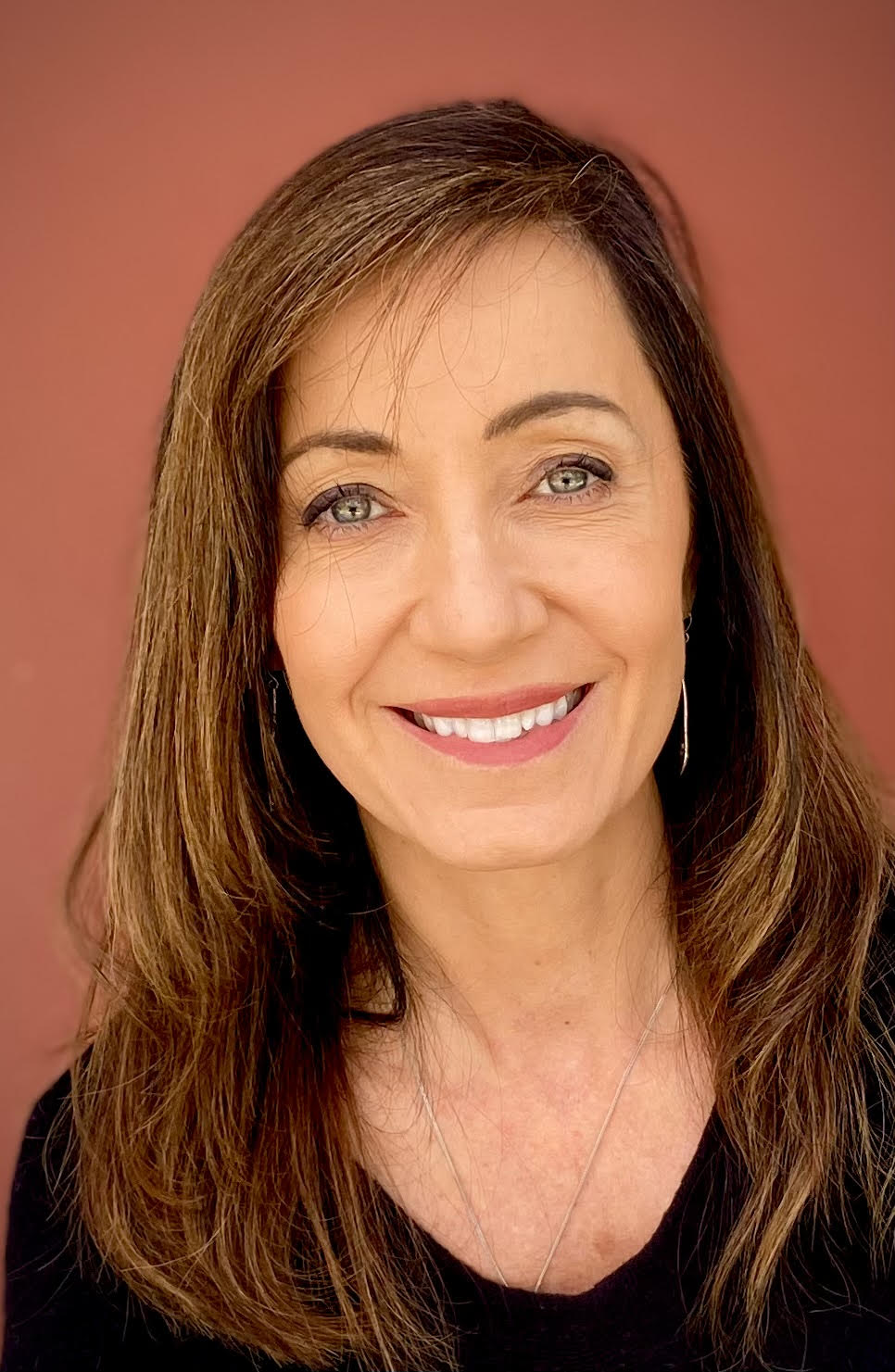
To understand the job, look at the inventory. Maternova was founded in 2009 around a single, stubborn observation: the tools that prevent a woman from bleeding to death after childbirth, or keep a premature newborn breathing, already exist. They simply don't move efficiently to the places that need them most. So the company built a marketplace - part storefront, part vetting service - for distributors, governments and humanitarian groups to research, source and fulfill orders of rigorously tested medical devices, diagnostics and nutritional products.
The catalog is a quiet education in what global maternal health actually requires. A fetal doppler to hear a heartbeat. A bilirubinometer to catch newborn jaundice before it does damage. A non-pneumatic anti-shock garment for postpartum hemorrhage. Rapid diagnostic tests for the conditions that turn pregnancies dangerous. None of it is futuristic. All of it is hard to get where it counts. Salvador's role is to keep that catalog honest - to make sure "rigorously tested" is a promise rather than a slogan.
That is the difference between her and a generic executive parachuted into a health company. She has stood in the clinics. She has run them - a hundred of them - and she knows what a stockout looks like from the inside. When she calls the market "historically underserved," it isn't a marketer's euphemism. It's a clinical observation from someone who spent twenty years watching the supply line fail in real time.
Maternova describes its work as making lifesaving, evidence-based innovations accessible to low- and middle-income countries and humanitarian settings, with the goal of reducing maternal and neonatal mortality. Salvador's whole career has been a rehearsal for exactly that sentence. The medical degree taught her what works. The fieldwork taught her why it doesn't arrive. The Harvard policy training taught her how systems either deliver or don't. Now she sits at the point where all three meet.
She took the seat in March 2023, stepping in as CEO and joining the board, succeeding Prakash Veenam, who had led the company since 2018. Maternova's founder, Meg Wirth, remains its guiding force on strategy - so Salvador's mandate is not to invent the mission but to scale it, to take a proven model and push it further into the markets that need it. For a leader whose entire trajectory has been about trading proximity for reach, it's the logical next rung.
Too often, health issues that women and children face around the world can be prevented or treated with products that are not available to them. - Dr. Gabriela Salvador, on why Maternova exists
Notice what's missing from that line: a straight path. Salvador didn't climb one ladder. She kept switching the kind of leverage she was working with - a scalpel, then a clinic network, then a foundation's reach, then a multinational relief operation, and finally a marketplace.
Each move traded proximity for scale. A pediatric ophthalmologist helps one child at a time. A CEO who curates a catalog of vetted devices changes what a thousand clinics can buy. The arithmetic of that trade is the quiet logic of her whole resume.
It's also why the Harvard MPH matters as much as the MD. Health policy and management is the grammar of getting things to people. She learned to speak it after she'd already learned to heal.
Led the operation of a clinic network spanning five Latin American countries at Pro Mujer.
Standardized operational structures across regions as SVP of Global Operations at Americares.
Appointed CEO and Board Member of Maternova in March 2023.
Practiced pediatric ophthalmology in Argentina, the United States and Mexico.
Two decades building high-impact health business models for women and children in poverty.
Serves on the boards of Care 2 Communities and the Linked Foundation.