A startup can have a working product, a persuasive pitch and absolutely no idea who will take its call in another country. Parachute16 has made that awkward distance its territory. It designs accelerators, arranges introductions, prepares founders for investors and helps companies approach unfamiliar markets. The company’s name promises a landing. Its programs deal with the paperwork, preparation and people needed to make one.
The business sits at an interesting intersection: entrepreneurship services, corporate innovation and economic development. A Palestinian software company seeking Saudi customers belongs here. So does a foundation backing environmental ventures, or a consumer brand asking young people to rethink a campaign. The common requirement is someone who can organize the work between ambition and a usable result.
Eight attempts before the parachute
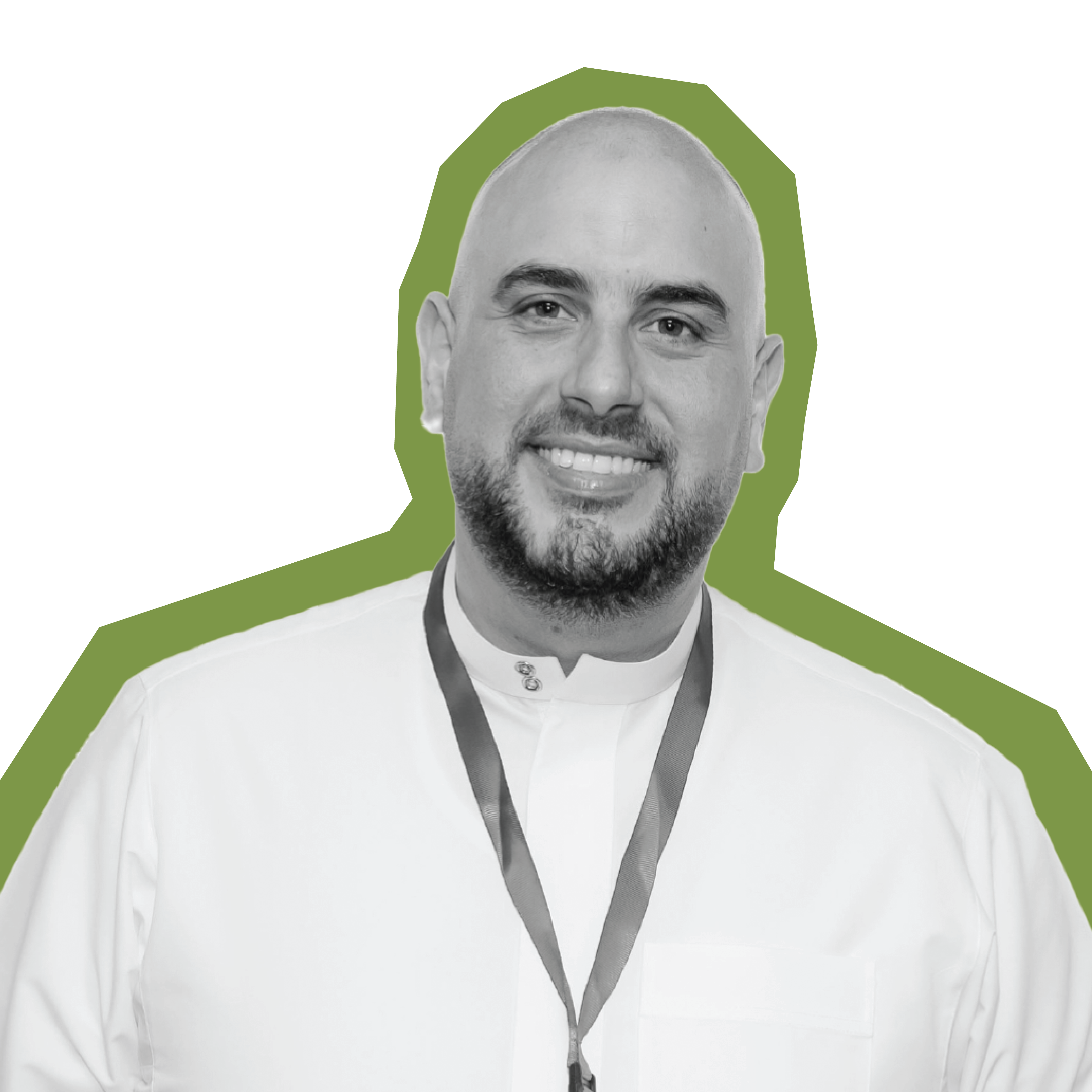
Ghassan Halawa came to this work with experience he had paid for personally. In a 2021 Jordan News interview, he described trying eight businesses before Parachute16 and losing everything he owned. He still had knowledge and connections. A video in which Aramex founder Fadi Ghandour discussed the need for startups serving other startups helped him recognize a business he could build from those assets.
“We give the support we didn’t receive.”
Ghassan Halawa · Jordan News, 2021
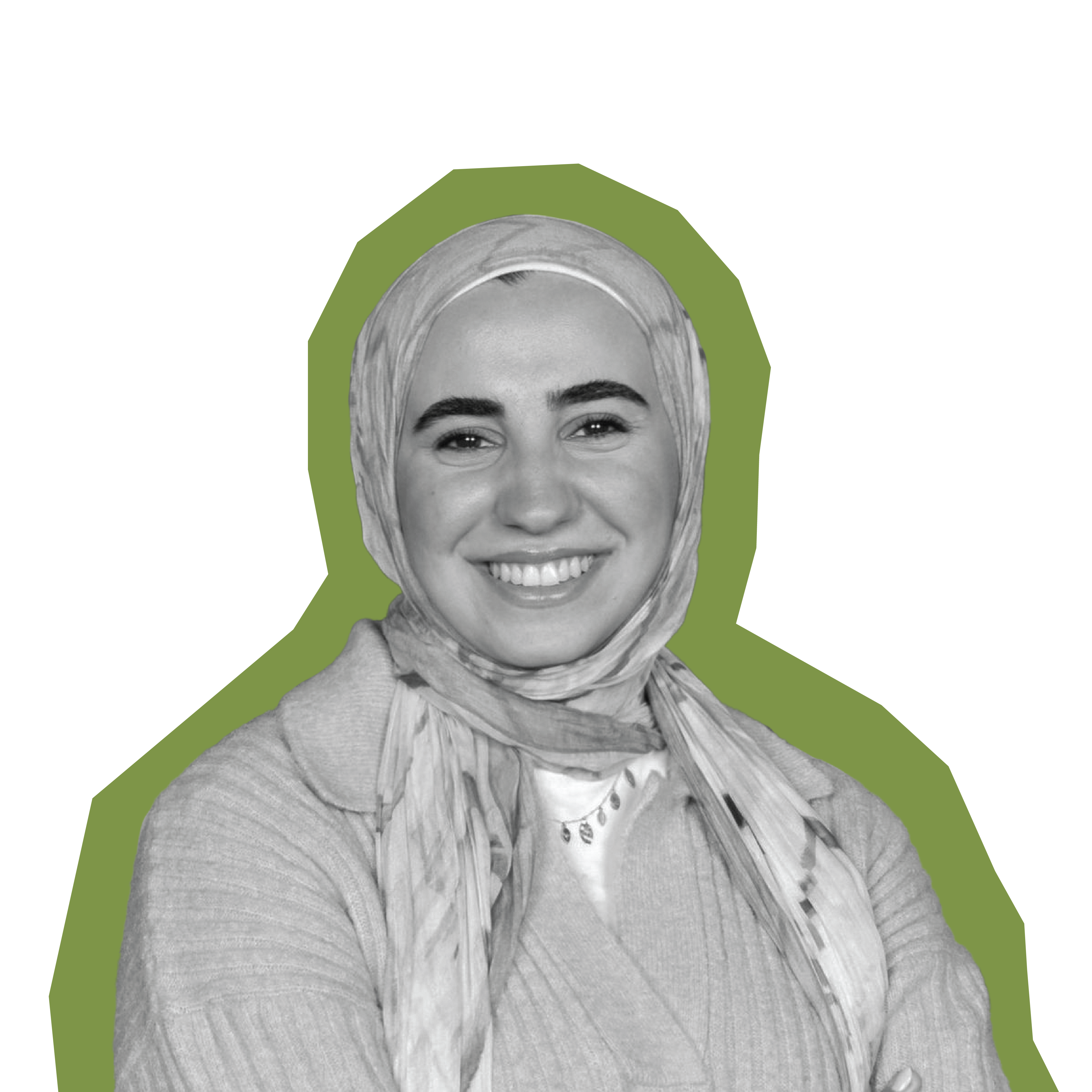
That history gives his advice a particular context. He was proposing services he had wanted as a founder himself. Today, the official team page identifies Halawa as founder and CEO and Razan Sharia as co-founder. Their company has developed from Jordanian entrepreneurship and community work into programs that connect founders with regional markets and institutional partners.
The stage comes after the work
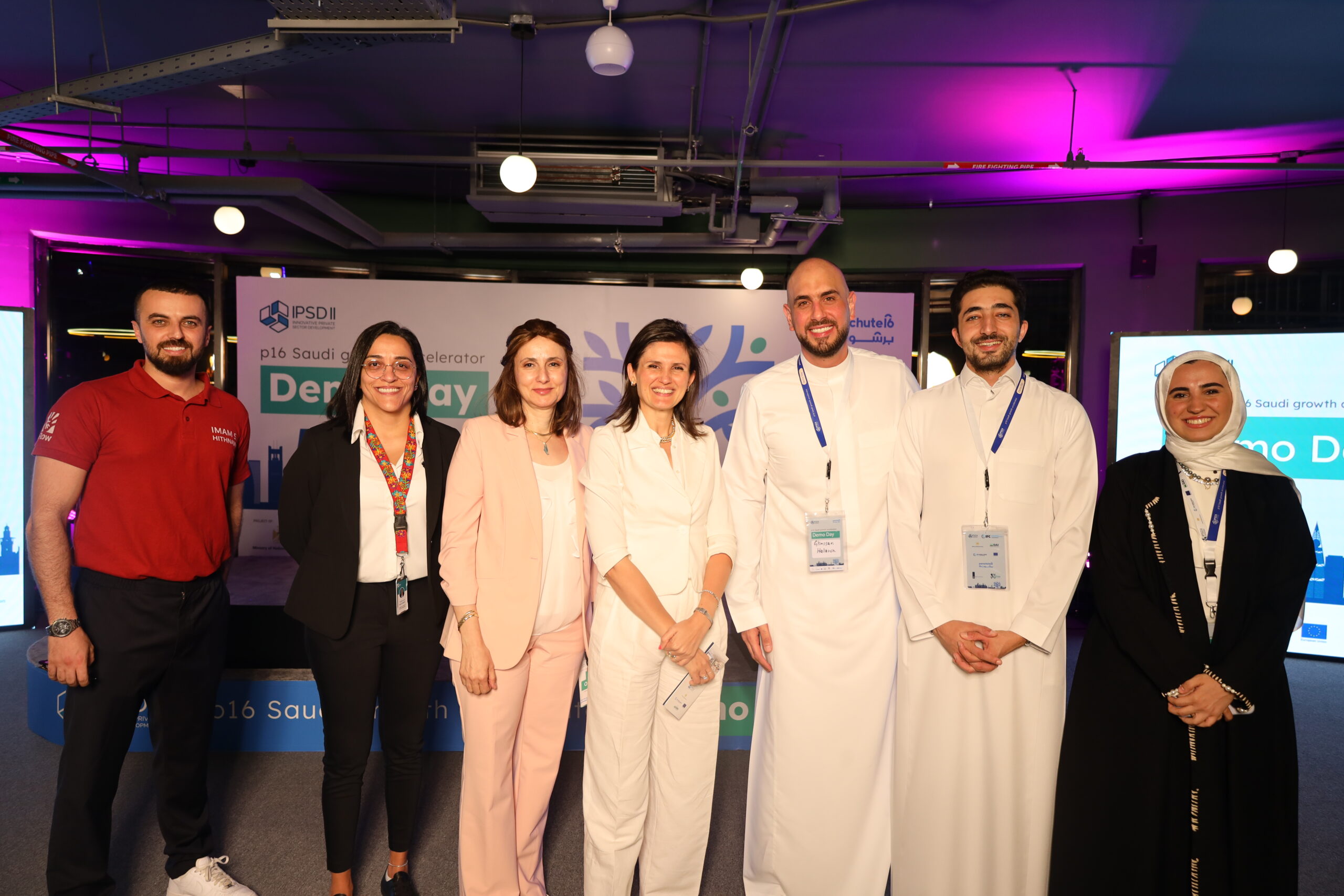
The P16 Saudi Growth Accelerator supplies a concrete example. Flow Accelerator’s account describes a year-long program with IFC and Parachute16, concluding at The Garage in Riyadh on August 26, 2025. Six Palestinian startups received support; five presented at the final demo day.
Before those pitches came portfolio assessment, preparation for the Saudi market, investor readiness, commercial introductions and help with legal establishment. The participant list included DataQueue, The Middle Frame, Fluxir, Zomar, Turqat and Flowless. Their businesses ranged from enterprise voice AI to water management. A shared destination did not mean identical commercial needs.
For a reader assessing an accelerator, that sequence is the useful detail. Ask what happens before the microphone is switched on. A polished presentation can describe a business beautifully while leaving its route to customers unresolved. Market-entry work has to reach the person who might buy, partner or advise on the next practical step.
A company hired to build the program
Parachute16’s service menu makes its role fairly legible. Accelerator as a Service covers program design and delivery, including bootcamps, hackathons and technical mentorship. Its ecosystem work develops relationships among founders, specialists and investors. Corporate Innovation as a Service works with established organizations on intrapreneurship, leadership and new-product development.
The published assignments point to a business built around institutional engagements: an organization needs an entrepreneurship or innovation program, and Parachute16 helps construct and run it. That is an inference from the service portfolio and implementation agreements. The participating founder, learner or employee is often the beneficiary of work organized with a separate institutional partner.
Its practical expertise lies in assembling those ingredients: choosing participants, matching advice to their stage, arranging relevant encounters and keeping delivery moving. An internal innovation team, another accelerator operator or a market-entry consultancy could address parts of the same brief. Parachute16’s positioning combines them with experience in community and development programs.
The buyer’s question is therefore specific: does this operator understand our participants and have access to the people they need? A large network is useful only when the next introduction is relevant. The company’s founder-to-founder approach places experienced entrepreneurs inside that support relationship, with selection and tailored guidance central to its published model.
What short projects taught them
In a 2021 contribution to AMENDS, Halawa and Razan Abu Sharia described a tension that makes the later work easier to understand. Short projects had helped them build relationships, but supporting young people and vulnerable communities over time required more resources than many emerging initiatives could manage.
They described plans for accessible digital toolkits and podcasts, alongside deeper involvement throughout the startup process. It was a practical change in emphasis: stay useful after the workshop ends. The cost they identified was the capacity required for sustained support. Their account ties the shift to experience accumulated through programs and partnerships.
That background also explains assignments far from a venture-capital pitch. Parachute16’s portfolio describes remote-work curriculum development with the Danish Refugee Council for vulnerable Jordanians and Syrian refugees. Another project with the Norwegian Refugee Council built a framework for assessing progress toward durable work solutions. In these settings, income and access to work are central measures of usefulness.
Its stated culture includes learning by doing and celebrating small achievements. Those are company values, rather than an independent assessment of working life, but they fit a delivery business whose results depend on many unglamorous tasks being completed. A mentor session arranged, an application finished or a customer meeting followed up can matter more than an impressive event schedule.
Why dates, spare parts and buildings belong together
Parachute16 has repeatedly organized around particular industries. Its history includes a Saudi dates accelerator and a spare-parts and maintenance program. The company reports that the latter ran for 14 weeks with 34 startups, with five securing investment and three reaching strategic partnerships. Those figures describe a particular cohort and are company-reported.
Ghiras, developed with King Khalid Foundation, applies a 12-week accelerator to environmental innovation. The program combines mentorship, workshops, investment preparation and financial support. Its focus gives the curriculum a clearer audience: founders trying to develop environmentally relevant businesses and reach appropriate partners.
A December 2025 agreement with engineering and design group AJi takes the industry logic further. The proposed PropTech accelerator includes access to active projects, technical expertise and potential pilots. The announcement describes a planned program. Its appeal is easy to see: a company improving the built environment needs somewhere to test what it has built.
For program designers, the transferable idea is to recruit a partner who owns a useful constraint: the site, the distribution relationship, the technical expertise or the buying decision. The same arrangement becomes less useful when participants are too early to use that access, or when the partner cannot make room for a pilot.
PepsiCo brings a different brief
Youth Impact Studio shows the company working with a different customer and a different definition of output. Parachute16’s July 2026 recap describes its second edition with PepsiCo Middle East, delivered in Saudi Arabia, Jordan, Lebanon, the UAE and Iraq. Participants aged 18 to 30 worked on real brand challenges.
The brands varied by market: Pepsi Zero in Saudi Arabia and the UAE, Aquafina in Jordan and Lebanon, and Sting in Iraq. Each country held a two-day hackathon. Twenty-five participants advanced to a regional summit in Amman, where they were assigned to new multinational teams. Even a winning group had to learn to collaborate again.
The underlying method moved from discovery and idea generation to creation, testing and revision. For PepsiCo, the format offered contact with younger audiences and their perspectives. For participants, it offered practice under deadlines, with feedback attached to an actual brief. The company’s program-design capability travels beyond startup formation into corporate learning and creative work.
Follow-up gets its own assignment
In July 2026, Parachute16 announced an agreement with IPSD II to implement Connect within NEXUS, a program supporting Palestinian technology firms and innovative SMEs. The wider structure separates market discovery, targeted connections and matching-grant support for expansion. Parachute16’s assignment focuses on assessments, readiness, matchmaking and the work after initial meetings.
Parachute16’s implementation role
The announcement frames this as a continuation of earlier market-access work. Its design recognizes that exposure is one stage in a longer process. Firms must prepare for conversations, establish whether an opportunity fits and continue engaging as a possible commercial relationship develops.
That provides a useful discipline for founders too: enter a meeting with a defined objective, record what the other party needs and assign the next action. These are practical lessons suggested by the program design. Without the founder’s time, a suitable offering and a plausible customer need, even carefully arranged introductions can stall.
A place to begin, and somewhere to meet
There are lighter ways into Parachute16’s world. Its bilingual startup toolkit organizes third-party tools for planning, research, design, collaboration and marketing. The podcast presents conversations with regional founders and specialists. These resources extend the company’s teaching beyond a selected cohort and offer an inexpensive starting point in terms of commitment.
For companies considering Saudi establishment, the published Soft Landing process begins with a form and a one-to-one meeting, followed by a connection to partner Ebda. It is a concrete route for discussing an individual company’s needs. The useful preparation is to arrive with a clear account of the business, its intended market and the help it needs.
The Riyadh P16 Hub, announced in April 2026, adds meeting rooms, team workspace, a lounge and an outdoor event area to that offer. Founders and partners can inquire about meetings, workshops and gatherings. A company that spends its days connecting people now has another place for those conversations to happen. The next test remains what they do after leaving the room.