founder-mentorship
(24)
Accelerator Centre: Keep the equity. Change the plan.
Waterloo’s nonprofit accelerator helps technology founders turn promising inventions into businesses. Its useful trick is pairing advice with the money, sales practice and industry access needed to act on it.
BRIIA gives AI founders a map before asking for a stake
A San Ramon accelerator turns startup building into a sequence of measurable steps. Its wager: help founders prove the business first, then earn the right to invest.

Calgary Technologies Inc. puts startups on the ground floor
Now called Platform Calgary, the nonprofit gathers founders, coaches and investors beneath an East Village parkade. Its latest bet is that a customer’s signature tells you more than a roomful of applause.
Tampa Bay Wave opens doors without taking equity
Its startups have raised more than $2 billion. The useful story is how a Tampa nonprofit turned a meetup into a system for getting founders into the right rooms.
SparkLabs Group bets that talent travels better with an introduction
From Seoul to Riyadh, SparkLabs pairs startup capital with the people who can open the next door. Its most revealing investment might be a bottle of sesame oil.
The Norfolk Startup Hub That Charges Founders Nothing - Then Walks Them Toward Capital
757 Collab has turned a downtown Norfolk address into a startup relay race: free desks, hard questions, Navy access and, for a select few, angel checks. The handoffs are the whole idea.
StartupLanes Built a Funding Lane With One Startup in the Room
The pitch-event conveyor belt is gone. StartupLanes puts one company in front of the room, then sells founders the connective tissue from idea to IPO.

Africa’s Business Heroes Turns a Pitch Contest Into Continental Infrastructure
The Jack Ma Foundation’s African flagship gives ten founders $1.5 million each year. The sharper invention is everything around the cheque: a public, multilingual test of who can explain, prove and scale a business across 54 countries.
Startup Wise Guys puts a price on learning to sell
The Estonia-born accelerator backs B2B founders before many investors will take the meeting. Its offer pairs capital with a demanding commercial education - and a bill worth reading.
Upright Ventures Wants Your Startup to Find Its First Users
The operator behind Celo Camp turns blockchain ecosystems into eight-week startup classrooms. Its most revealing bet is that a place inside a working wallet can matter as much as a polished investor pitch.
NIC Karachi’s offer: build a business, keep your equity
At NED University, a publicly funded incubator gives founders room to experiment. Its next test is turning that support into businesses ready for customers, capital and life beyond the cohort.

Accelerate ME: The startup accelerator whose bosses graduate
Manchester’s student-run accelerator offers founders up to £8,000 without taking equity. Its more unusual experiment is keeping the network alive as one generation hands the keys to the next.

Stadia Ventures knows who should take your call
The sports investor pairs startup capital with access to the people who buy, sell and run the games. Its most revealing deal put two portfolio companies to work on the same highlights.
NDRC was due to close. Ireland gave it more time.
Ireland’s national startup accelerator pairs a €100,000 investment with the people who can help founders spend it well. Its reprieve, and a €21 million successor plan, reveal what the country wants from its next generation of technology companies.
Accelerace bets before the customers arrive
The Danish investor pairs pre-seed money with founders who have already built and sold companies. Its move into BioInnovation Institute takes that approach deeper into the difficult business of turning research into revenue.
Nana Bianca is growing startups in a Florentine granary
Three veterans of Italy’s internet industry turned their experience into a place to build companies. At Nana Bianca, the offer runs from a €20 desk to startup grants of up to €100,000 - with some hard lessons between the two.
Parachute16 knows the jump. Now it builds the landing.
After eight earlier ventures, Ghassan Halawa built a company to help other founders. From Palestinian startups entering Saudi Arabia to PepsiCo’s youth hackathons, Parachute16 makes a business of getting people ready for their next move.
The Chennai Angels Have Something Money Can’t Buy: The Next Introduction
A factory needs customers. A tea chain needs room to grow. Inside the Chennai investment network that puts business experience to work alongside its cheques.
The Idea Village wants your startup to grow - and stay
A New Orleans nonprofit has built a route from a first business idea to venture capital. Its most revealing feature is the price of admission: no fee or equity for its flagship accelerator, with investment handled separately.
Freshmango wants your startup to grow. You keep the equity.
The Estonia-born accelerator sells founders a mix of AI tools, human mentorship and investor access. Its pitch is ownership; the practical test is whether four months of structure can build a business worth backing.

Dharti Chatterjee Is Building the Trust Layer for Global Founders
After two decades across India, the Middle East and Canada, the TBDC marketing chief has turned a hard-earned lesson into an operating system: a company’s reputation does not cross borders automatically.
Oklahoma’s Startup Onramp Starts Before the Check
i2E does the unglamorous work between a promising idea and an investable company. In Oklahoma, that means customer discovery, candid advice and a statewide network built to keep founders from navigating the earliest stage alone.
Brian Ma
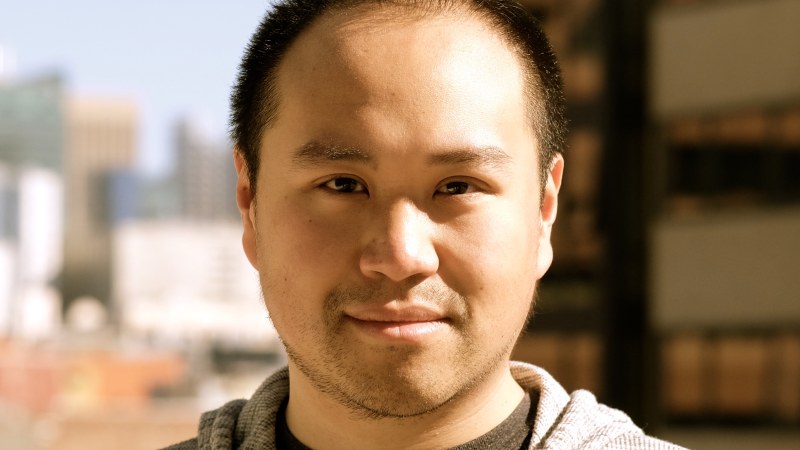
Brian Ma is the founder and general partner of Iterative, a Singapore-based YC-style accelerator backing pre-seed and seed startups across Southeast Asia. A four-time founder before becoming a full-time investor, he co-founded Divvy Homes (a16z, GIC), Decide.com (acquired by eBay in 2013), and Weave (YC S14), and was one of the earliest product managers at Zillow.

Aaron Epstein
Aaron Epstein is a General Partner at Y Combinator, the world's most prestigious startup accelerator. A serial founder who built his first software product in a college dorm room, he went on to co-found Creative Market (YC W10) — a design asset marketplace he grew to a 2014 Autodesk acquisition in under 16 months, then spun back out as an independent startup in 2017. At YC, he has reviewed over 8,000 applications, advised companies now collectively valued at $57 billion, and helped define how the accelerator thinks about marketplaces, business models, and pricing.